
Relocating to a new home involves a complex checklist of logistics, from hiring movers to setting up utilities. However, one of the most critical yet frequently overlooked tasks is updating your financial footprint. Your bank account serves as the central hub for your economic life, and maintaining an accurate residential and mailing address is not merely a matter of administrative tidiness—it is a fundamental requirement for financial security, regulatory compliance, and seamless asset management.
Updating your address with your financial institution is a high-priority task that should ideally be completed within the first week of your move. Failure to do so can lead to a cascade of financial inconveniences, ranging from missed credit card statements to the potential suspension of your accounts due to “undeliverable” mail flags. This guide explores the strategic importance of keeping your bank records current and provides a detailed roadmap for navigating the update process across various banking platforms.
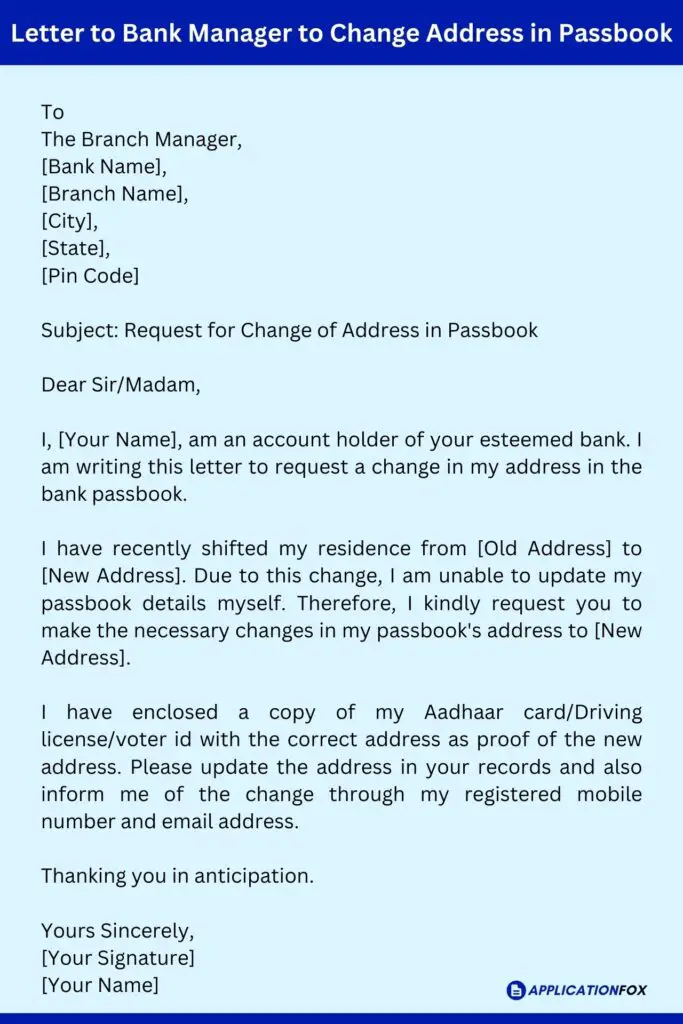
Why Keeping Your Bank Information Current is Crucial for Financial Security
In the modern digital banking era, many consumers believe that paperless billing renders a physical address obsolete. This is a dangerous misconception. Your physical address is a core identifier used by financial institutions to verify your identity and assess risk.
Avoiding Identity Theft and Fraud
Financial institutions use your registered address as a primary verification point. When you apply for a new line of credit or attempt a high-value wire transfer, the bank’s fraud detection systems cross-reference the address provided with the one on file. If there is a discrepancy, the transaction may be flagged or declined. More importantly, if your bank continues to send sensitive documents—such as replacement debit cards, tax forms (1099-INT), or privacy notices—to your old residence, you are at a significantly higher risk of identity theft. New occupants could inadvertently or maliciously gain access to your account numbers and personal data.
Ensuring Uninterrupted Access to Statements and Legal Notices
While many users opt for digital statements, certain legal disclosures and regulatory notices are mandated by law to be sent via physical mail. These may include updates to terms of service, notices of account inactivity (escheatment warnings), or legal summons related to the account. If the bank receives “returned to sender” notifications from the postal service, they are often required by internal risk policies to “lock” or “freeze” the account until a valid address is confirmed. This can happen without warning, leaving you without access to funds during a critical period.
Impact on Credit Scoring and Lending
Your address is a key component of your credit profile maintained by bureaus like Equifax, Experian, and TransUnion. Banks report your updated information to these bureaus periodically. Inconsistencies between the address on your bank account and the address on your credit report can create “red flags” during the automated underwriting process for mortgages, auto loans, or personal credit lines. A clean, consistent address history across all financial accounts demonstrates stability and facilitates smoother credit approvals.
Step-by-Step Methods to Update Your Residential and Mailing Address
The methodology for updating your address varies depending on the sophistication of your bank’s infrastructure. Most national and international banks offer three primary channels: digital portals, in-person visits, and telephone support.
Online Banking and Mobile Apps
For most consumers, the fastest way to update an address is through an encrypted online banking portal or mobile application.
-
Log In: Securely access your account using multi-factor authentication (MFA).
-
Navigate to Profile/Settings: Look for tabs labeled “Profile,” “Contact Information,” or “Security Settings.”
-
Edit Address: Enter the new residential address. If you use a P.O. Box for mail but live elsewhere, ensure you distinguish between the “Residential Address” (required by law for KYC/Anti-Money Laundering regulations) and the “Mailing Address.”
-
Confirm Changes: You will likely receive a confirmation email or SMS. It is vital to save this confirmation for your records.
In-Person Branch Visits
If you are moving within the same region or your bank is a community credit union, visiting a branch is often the most secure method. This is particularly recommended if you have high-net-worth accounts or complex business banking needs.
-
Identification: You must bring a valid government-issued photo ID.
-
Immediate Update: Unlike online changes which might take 24–48 hours to propagate through the system, a branch representative can often update the core banking system instantaneously.
-
New Checks: If you use physical checks, the representative can help you order a new set reflecting your updated address, which is often required when paying certain types of taxes or contractors.
Telephone Banking and Customer Support
If you cannot access the internet and a branch is unavailable, calling the bank’s verified customer service line is a viable option.
-
Verification: Prepare to answer several security questions or provide a one-time passcode sent to your registered mobile device.
-
Be Specific: Ensure the agent updates all “linked” accounts. Sometimes, updating a checking account address does not automatically update a linked mortgage or brokerage account held within the same parent company.
Essential Documentation and Verification Requirements
Due to the Bank Secrecy Act and “Know Your Customer” (KYC) regulations, banks cannot simply take your word for a move in every circumstance. Depending on the size of the change (e.g., moving to a different state or country), they may require documentary evidence.
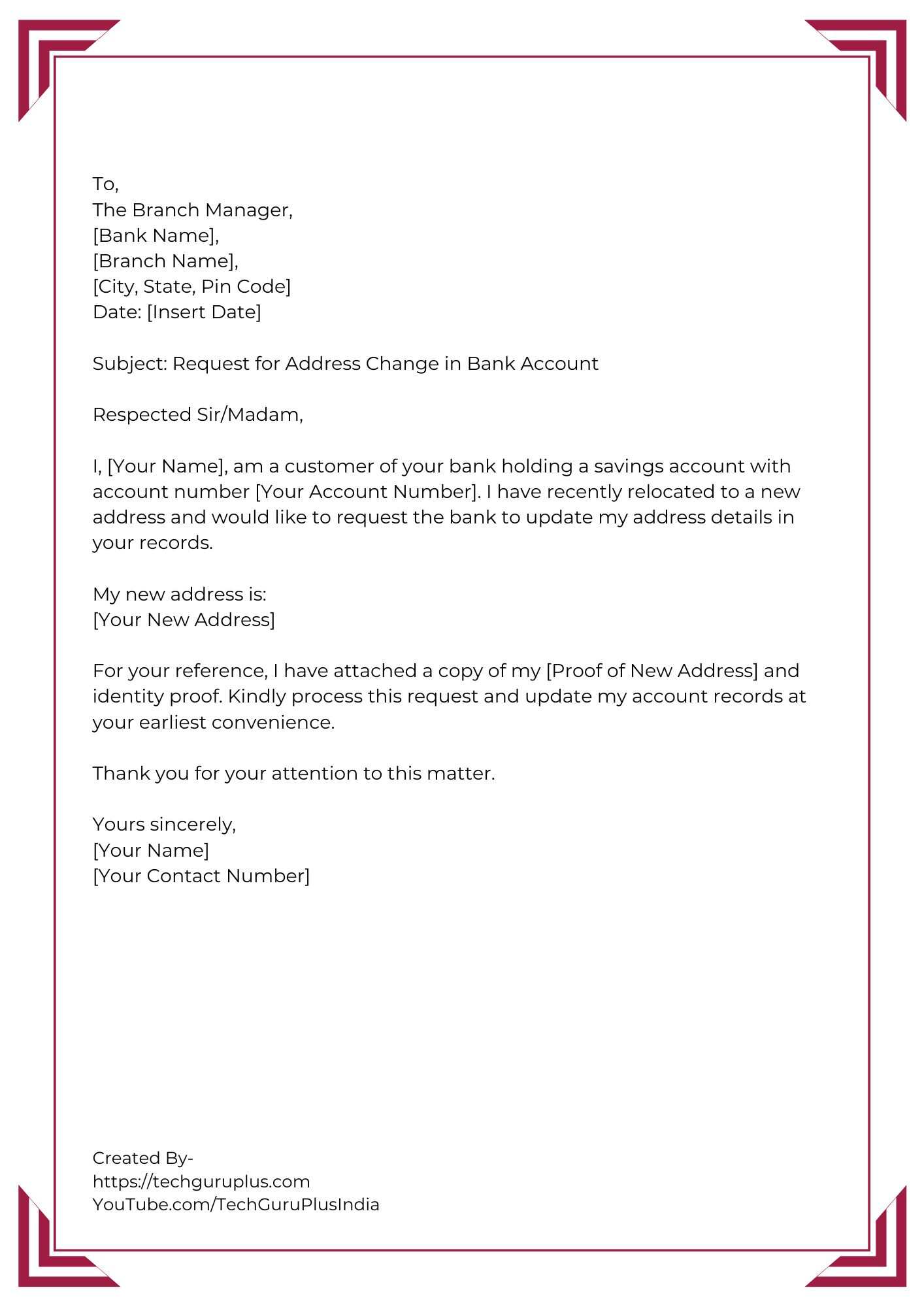
Proof of Residency Documents
While many updates are “self-certified” online, if your account is flagged for a manual review, you may need to provide digital scans of:
-
A recent utility bill (gas, electric, or water) in your name.
-
A signed lease agreement or a mortgage statement.
-
A voter registration card.
-
Homeowners or renters insurance policy declarations.
Government-Issued Identification
Your bank will eventually expect your driver’s license or state ID to match your account records. While you can usually update the bank before you update the DMV, it is best practice to synchronize these as quickly as possible. In the United States, the REAL ID Act has made this synchronization even more important for those who use their ID for domestic travel or entering federal buildings.
Multi-Factor Authentication Protocols
When you change your address online, you are engaging in a “high-risk” transaction. Be prepared for the bank to require an extra layer of security. This might involve a hardware token, a biometric scan (FaceID/Fingerprint), or a call-back to a phone number that has been on file for at least 30 days. If you also changed your phone number recently, you should update the phone number before the address to avoid being locked out of the verification process.
The Ripple Effect: Coordinating with Other Financial Institutions
A bank account address change is rarely an isolated event. To maintain a healthy financial ecosystem, you must ensure that all related entities are informed of the move.
Credit Card Issuers and Loan Providers
Credit cards are separate from checking and savings accounts, even if they appear in the same mobile app. Ensure your billing address is updated for every card. If the billing address on file does not match the address you enter at an online checkout (the AVS or Address Verification System check), your transaction will be declined. Similarly, ensure that student loan servicers and auto lenders are notified to prevent missed paper notices regarding interest rate changes or payment adjustments.
Investment Platforms and Brokerage Accounts
For those with 401(k)s, IRAs, or taxable brokerage accounts (like Vanguard, Fidelity, or Charles Schwab), updating your address is essential for tax reporting. Your 1099-B and 1099-DIV forms are generated based on your address on record as of December 31st. If you move between states with different income tax rates, having an accurate address is vital for correct state tax withholding and reporting.
Insurance Providers and Premium Billing
Auto, home, and life insurance premiums are often calculated based on your geographic location (ZIP code). Failure to update your address with your insurance provider could potentially lead to a denial of a claim if they discover you are residing in a location other than the one listed on the policy. Once your bank account is updated, ensure your insurance autopayments are still functioning correctly.
Common Pitfalls and Best Practices During a Move
To ensure your financial transition is as seamless as possible, consider these professional insights into the moving process.
Timing Your Update to Avoid Missed Payments
The best time to update your bank address is approximately 7 to 10 days before your move. This provides a buffer for any mail currently in transit to arrive at your old address while ensuring that the “next” billing cycle captures the new data. If you use “Bill Pay” services through your bank, double-check that the “payee” addresses are also updated if you are paying local entities like a municipal water department or a local gym.
Managing Foreign Address Changes (International Banking)
Moving abroad introduces a significant layer of complexity. Many domestic banks in the U.S. or U.K. are not equipped to handle foreign addresses due to varying international regulations (such as GDPR in Europe or FATCA reporting). If you are moving internationally, consult with your bank’s “Global Wealth” or “International” division. You may need to maintain a “permanent” domestic address (such as a relative’s home) for certain types of accounts or transition to an international banking specialist.
Reviewing Your Digital Footprint
Once your bank address is updated, take a moment to audit your digital payment wallets. Services like PayPal, Venmo, Apple Pay, and Google Pay often store old addresses. Even if your bank has the new info, if you click “Quick Checkout” on a retail site using PayPal, it might pull your old address for shipping and billing, leading to lost packages and potential fraud flags from your bank’s automated systems.

Utilizing the USPS Mail Forwarding Service
While you should always notify your bank directly, registering for the Official Mail Forwarding service through the United States Postal Service (or your country’s equivalent) acts as a crucial safety net. However, be aware that many financial documents are marked with “Return Service Requested” or “Do Not Forward.” This is a security measure to prevent sensitive financial data from being intercepted. Therefore, the postal service will return the mail to the bank rather than forwarding it to your new home. This is why the direct update with the bank is the only way to guarantee the continuity of your financial correspondence.
By treating your bank address update as a strategic financial task rather than a chore, you protect your assets, maintain your credit reputation, and ensure that your financial life moves with you, wherever your journey leads.
aViewFromTheCave is a participant in the Amazon Services LLC Associates Program, an affiliate advertising program designed to provide a means for sites to earn advertising fees by advertising and linking to Amazon.com. Amazon, the Amazon logo, AmazonSupply, and the AmazonSupply logo are trademarks of Amazon.com, Inc. or its affiliates. As an Amazon Associate we earn affiliate commissions from qualifying purchases.