
Moving house is often a whirlwind of packing, unpacking, and settling into a new routine. Amidst the chaos of setting up utilities and redirecting mail, one crucial task often gets overlooked or postponed: updating your address with your bank. While it might seem like a minor administrative detail, ensuring your financial institutions have your current residential information is paramount for safeguarding your finances, maintaining account security, and ensuring you receive vital communications. Neglecting this simple step can lead to a cascade of potential issues, from missed statements and delayed tax documents to, more seriously, an increased risk of identity theft and financial fraud.
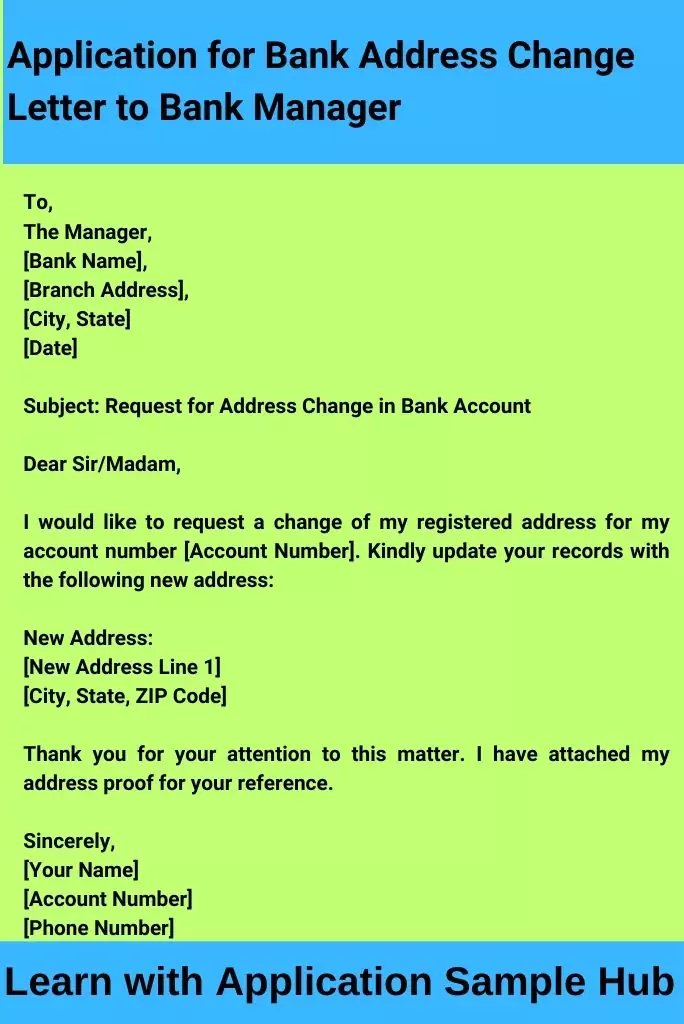
This guide provides an insightful and engaging walkthrough on how to efficiently and effectively change your address at your bank. We will delve into the critical reasons why this is a non-negotiable step, explore the various methods available for updating your details, outline the necessary documentation, and provide a clear, step-by-step process to ensure a smooth transition. By understanding the importance and mechanics of this process, you can maintain robust control over your personal finance and enjoy peace of mind in your new home.
The Critical Importance of Accurate Financial Records
Updating your address with your bank isn’t just about receiving mail; it’s a fundamental pillar of sound personal financial management. In an increasingly digital world, where financial transactions are instantaneous and data security is paramount, accurate personal information acts as a primary defense against a myriad of potential problems. For banks, having up-to-date client information is not merely a convenience but a regulatory requirement and a core component of their operational security.
Safeguarding Against Identity Theft and Fraud
One of the most significant risks associated with an outdated address is the increased vulnerability to identity theft and fraud. If your bank statements, new debit/credit cards, or other sensitive financial documents continue to be sent to your old address, they could fall into the wrong hands. An individual intercepting your mail could gain access to crucial personal information, which they could then exploit to open new accounts in your name, make unauthorized purchases, or even gain access to your existing accounts. Banks often send sensitive notifications, such as alerts about unusual activity or changes to terms and conditions, to your address on file. Missing these can leave you unknowingly exposed to fraudulent activities or evolving financial risks. Proactively updating your address closes this critical security loophole, protecting your hard-earned money and your financial identity.
Ensuring Receipt of Essential Financial Communications
Beyond the threat of fraud, an outdated address simply means you won’t receive important communications from your bank. This includes monthly statements that detail your transactions, year-end tax documents (such as 1099-INT for interest earned or 1098 for mortgage interest paid), privacy policy updates, notifications about changes in account fees or interest rates, and promotional offers relevant to your financial goals. Missing these documents can lead to an inability to balance your budget effectively, potential tax compliance issues, and a lack of awareness regarding your account’s performance or new services that could benefit you. In the long run, this can negatively impact your financial planning and decision-making, leading to missed opportunities or unexpected charges.
Maintaining Regulatory Compliance and Account Integrity
Banks operate under stringent regulatory frameworks designed to combat money laundering, terrorist financing, and other illicit financial activities. These “Know Your Customer” (KYC) regulations require financial institutions to maintain accurate and current information about their customers. An outdated address can flag your account as non-compliant, potentially leading to holds, restrictions, or even the temporary freezing of your account until your information is verified. This disruption can severely impede your ability to access your funds or conduct transactions when needed, causing significant inconvenience and stress. By updating your address promptly, you ensure your bank account remains in good standing, preserving your access to essential financial services without interruption.
Common Methods for Updating Your Bank Address
Financial institutions understand that convenience is key for their customers. As such, most banks offer multiple avenues for updating personal information, including your address. The best method for you will depend on your bank’s specific offerings, your comfort with technology, and the urgency of the change.
Online Banking Portals: Convenience at Your Fingertips
For many, the most convenient and increasingly popular method is through the bank’s secure online banking portal or mobile app. This option allows you to make changes from the comfort of your home, at any time of day. Typically, after logging into your account, you’ll navigate to a “Profile,” “Personal Information,” or “Settings” section. There, you’ll find an option to edit your contact details, including your address. You may be required to verify your identity through a multi-factor authentication process (e.g., a code sent to your phone or email) before confirming the change. While efficient, some banks might still require a secondary verification step, like mailing a confirmation letter to your new address, before the change is fully active.
In-Person Branch Visits: The Traditional Approach
For those who prefer face-to-face interaction or need assistance with the process, visiting a local branch remains a reliable option. This method offers the advantage of direct assistance from a bank representative, who can guide you through the necessary forms and answer any questions you might have. It’s particularly useful if you anticipate any complexities or need to update other account details simultaneously. Remember to bring all required identification and proof of address documents with you, as the bank staff will need to verify your identity on the spot.
Mail-In Requests: For Specific Scenarios
While less common for everyday address changes due to the advent of digital banking, some banks still offer the option to mail in a request. This method is often reserved for specific account types, joint accounts where all parties need to sign, or for customers who live in remote areas without easy access to branches or stable internet. You’ll typically need to download a specific form from your bank’s website, fill it out, attach copies of your identification and proof of address, and mail it to the designated address. Always use certified mail for important documents to ensure delivery confirmation.
Phone Banking: When Time is of the Essence
Many banks provide a dedicated customer service line where you can request an address change over the phone. This can be a quick solution, especially if you’re in a hurry and have limited access to the internet or a bank branch. Be prepared for a thorough identity verification process, which usually involves answering several security questions about your account and personal history. While convenient, some banks may still require you to follow up with a physical signature or an online confirmation for certain types of accounts or if the change is deemed highly sensitive.
Essential Documents and Information Required
Regardless of the method you choose, banks have a standardized set of requirements to verify your identity and confirm your new address. This due diligence is crucial for preventing fraud and complying with regulatory obligations.
Proof of Identity: The Cornerstones of Verification
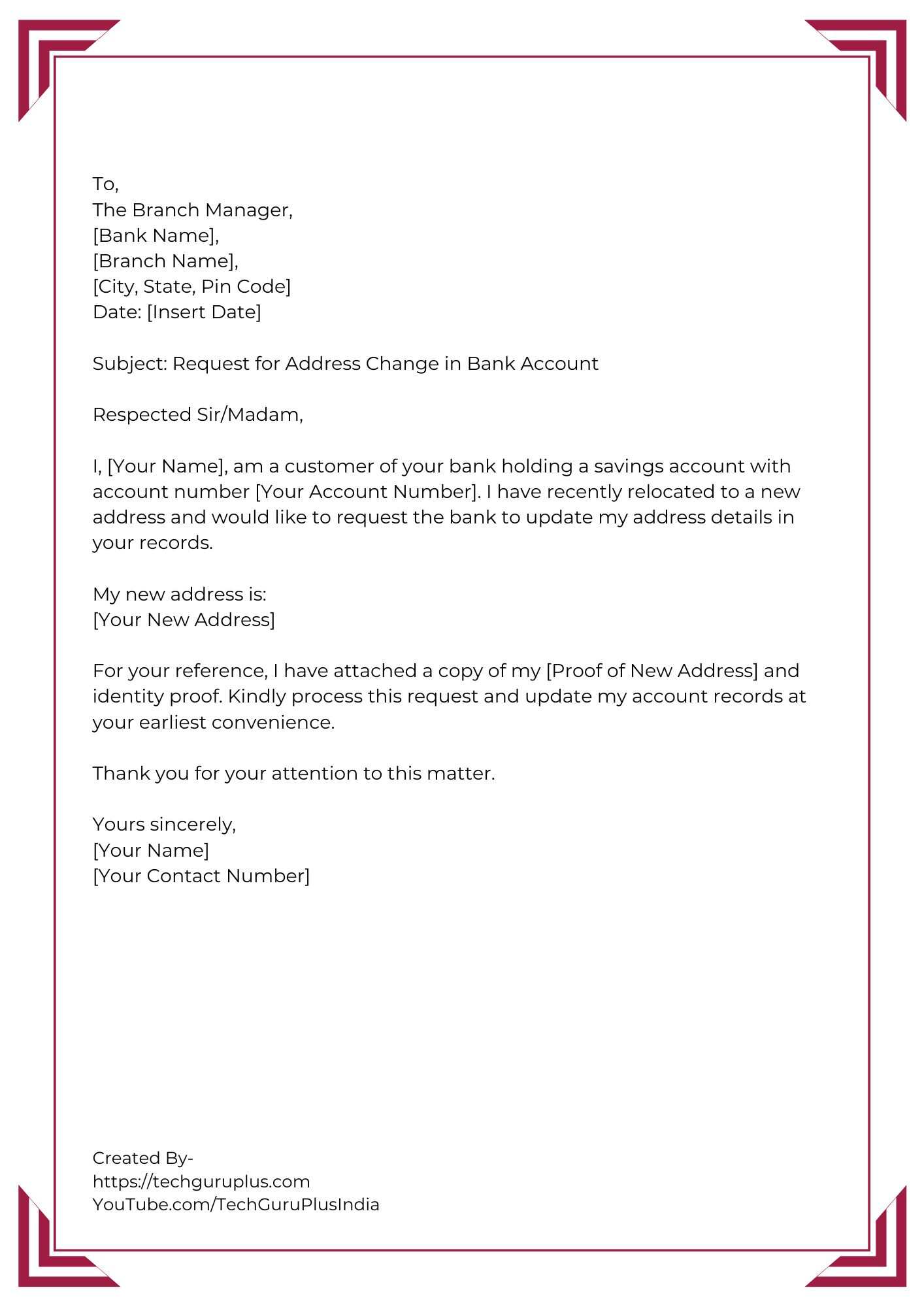
You will almost always need to provide proof of identity. This typically includes at least one government-issued photo ID. Common acceptable forms include:
-
Driver’s License: Must be current and clearly show your photo and signature.
-
Passport: A valid, unexpired passport is a universally accepted form of ID.
-
State-Issued ID Card: Similar to a driver’s license but for non-drivers.
For certain requests or if there are discrepancies, you might be asked for a secondary form of ID, such as a birth certificate or social security card (though providing the SSN itself is more common than the physical card).
Proof of New Address: Establishing Your Residency
To verify your new address, banks require documentation that clearly shows your name and the new residential address. These documents should ideally be recent (usually within the last 30-90 days). Examples include:
-
Utility Bill: Electricity, gas, water, or internet bill with your name and new address.
-
Lease Agreement or Mortgage Statement: A copy of your signed lease or a recent mortgage statement.
-
Bank Statement or Credit Card Statement: From another financial institution, mailed to your new address.
-
Government-Issued Mail: A letter from a government agency (e.g., tax authority, motor vehicle department) sent to your new address.
-
Homeowner’s/Renter’s Insurance Policy: A declaration page showing your new address.
Ensure the name on your proof of address matches the name on your identity document and your bank account.
Account Details: Ensuring the Right Account is Updated
While you’re providing personal identification, don’t forget the specifics of your bank accounts. Have your account number(s), debit card number, or credit card number readily available. This helps the bank representative or online system correctly link the address change to all relevant accounts you hold with them, ensuring no account is overlooked. If you have multiple accounts (checking, savings, loans, credit cards) with the same bank, specify that you want the address updated for all of them.
A Step-by-Step Guide to the Address Change Process
Breaking down the process into manageable steps can help ensure you don’t miss anything and the change is processed efficiently.
Step 1: Gather Necessary Documentation
Before you initiate the change, collect all the required documents. This includes your primary photo ID and at least one, preferably two, forms of proof of your new address. If you’re using an online portal, you might need to scan or take clear photos of these documents to upload. If visiting a branch, bring the originals.
Step 2: Choose Your Preferred Method
Decide whether you will update your address online, in person, by phone, or by mail. Consider the urgency of the change, your comfort level with different methods, and what your bank’s specific options are. Checking your bank’s website beforehand can often clarify their preferred or most efficient methods.
Step 3: Initiate the Change Request
-
Online: Log into your online banking, navigate to your profile, and follow the prompts to update your address. Upload scanned documents if required.
-
In-Person: Present your ID and proof of address to a bank representative. They will provide forms for you to fill out or update the information directly in their system.
-
Phone: Call the customer service number, verify your identity, and provide your new address. Be ready to answer security questions.
-
Mail: Fill out the bank’s specific address change form, attach copies of your documents, and mail it to the designated address (preferably via certified mail).
Step 4: Confirm and Verify the Update
Once you’ve submitted your request, it’s crucial to confirm that the change has been processed.
-
Online: Check your online profile after a few business days to see if the new address is reflected.
-
All Methods: Your bank may send a confirmation email or a physical letter to your new address to confirm the update. Keep an eye out for this. If you don’t receive confirmation within a reasonable timeframe (e.g., 5-10 business days), follow up with your bank. This verification step is vital to ensure the change was correctly applied across all your accounts.
Post-Change Checklist: What to Do Next
Updating your address with your primary bank is a critical first step, but the financial ripple effect often extends further. A proactive approach to updating all your financial relationships will ensure a completely seamless transition and continued financial security.
Update Other Financial Institutions
Remember that your bank is likely not the only financial entity you deal with. You’ll need to update your address with:
-
Credit Card Companies: All credit card providers, even those not directly associated with your bank.
-
Investment Firms/Brokerages: For your retirement accounts, investment portfolios, and trading accounts.
-
Loan Providers: For student loans, auto loans, personal loans, and any other credit lines.
-
Insurance Providers: Health, auto, home, and life insurance companies.
-
Utility Companies: Though often done during the moving process, ensure all final bills and new service accounts reflect the correct address.
-
Government Agencies: Especially the IRS (or your country’s equivalent tax authority) and the Social Security Administration, if applicable.
Monitor Your Statements and Correspondence
For the first few months after your move, diligently monitor your bank statements, credit card statements, and all incoming mail. Ensure that all correspondence from your bank and other financial institutions is being sent to your new address. If any mail still arrives at your old address or doesn’t arrive at all, follow up immediately with the sender. This vigilance will help catch any missed updates or processing errors.
Consider Mail Forwarding Services (Temporarily)
While not a substitute for directly updating your address with each institution, setting up a temporary mail forwarding service with your local postal service (e.g., USPS in the US) can act as a crucial safety net. This service will redirect any mail sent to your old address to your new one for a specified period (typically 6-12 months). This gives you extra time to catch any forgotten accounts or organizations that might still be sending mail to your previous residence, minimizing the risk of important documents getting lost or falling into the wrong hands.
Conclusion
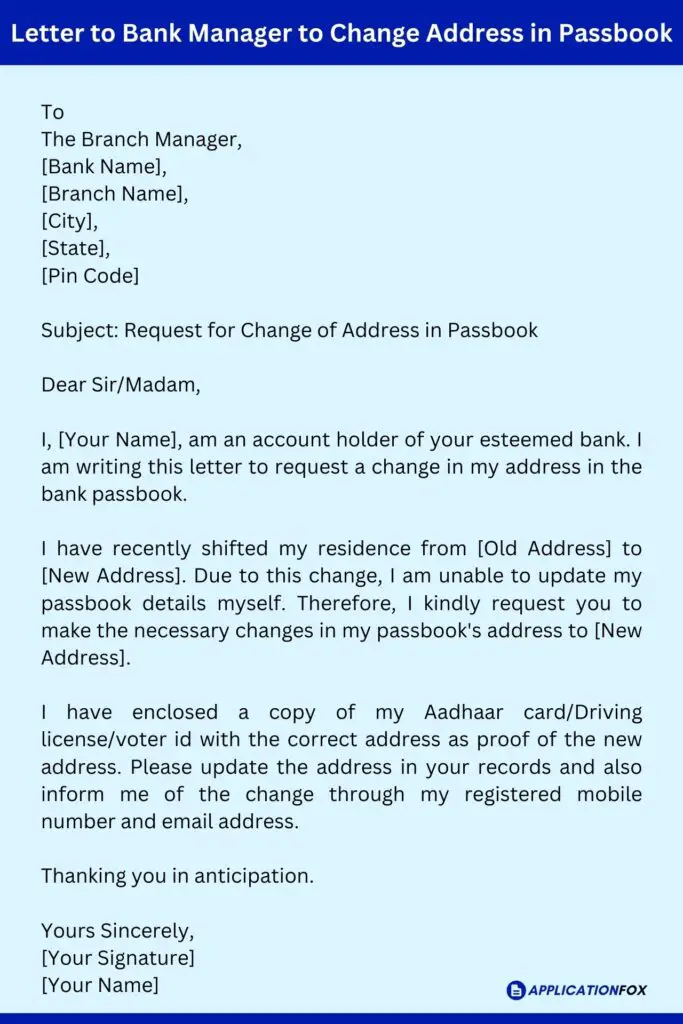
Changing your address at the bank is a fundamental administrative task that underpins your financial security and stability. It’s more than just a procedural chore; it’s a proactive measure against identity theft, a guarantee of receiving critical financial information, and a necessary step to maintain regulatory compliance. By understanding the available methods, preparing the necessary documentation, and diligently following a systematic process, you can ensure a smooth transition and safeguard your personal finance. Don’t let the excitement or stress of moving overshadow this vital responsibility. A few minutes spent updating your financial records today can save you from significant headaches and potential financial vulnerabilities tomorrow, allowing you to settle into your new home with complete peace of mind.
aViewFromTheCave is a participant in the Amazon Services LLC Associates Program, an affiliate advertising program designed to provide a means for sites to earn advertising fees by advertising and linking to Amazon.com. Amazon, the Amazon logo, AmazonSupply, and the AmazonSupply logo are trademarks of Amazon.com, Inc. or its affiliates. As an Amazon Associate we earn affiliate commissions from qualifying purchases.