
Navigating the complexities of personal finance often involves making strategic decisions about your banking relationships. Whether you’re consolidating accounts, switching to a new institution, or simply streamlining your financial life, knowing how to properly close a bank account is a critical skill. This guide offers an insightful, professional, and engaging walkthrough on how to cancel your Chase account, emphasizing the financial implications and best practices to ensure a smooth transition.
Closing a bank account might seem straightforward, but overlooking key steps can lead to unexpected fees, disruptions to your financial ecosystem, or even administrative headaches down the line. For a major financial institution like Chase, a meticulous approach is essential to safeguard your financial well-being and maintain accurate records.

Why Consider Closing Your Chase Account? (And Alternatives)
Before initiating the closure process, it’s prudent to reflect on your motivations. Understanding why you’re considering this step can help you evaluate if closing the account is indeed the best financial decision or if alternative solutions might better serve your needs.
Evaluating Your Financial Needs
Your financial circumstances evolve over time, and your banking needs should align with these changes. Perhaps you’ve outgrown the features of your current account, or maybe its fee structure no longer fits your budget. A shift in employment, a move to a new city, or changes in your investment strategy could all trigger a re-evaluation of your primary banking relationship.
Consider whether your current Chase account provides:
- Competitive interest rates (for savings).
- Low or avoidable monthly maintenance fees.
- Access to necessary banking services (e.g., specific types of loans, investment tools).
- Convenient branch locations or robust online/mobile banking features.
- Adequate customer service and support.
A thorough assessment of these factors helps solidify your decision and ensures it’s financially sound.
Common Reasons for Account Closure
Clients typically consider closing a Chase account for several common reasons, each with its own financial implications:
- Switching Banks: Many individuals close accounts when they find another bank offering better perks, lower fees, or services more aligned with their current needs (e.g., a credit union, an online-only bank with higher interest rates). This is a strategic move to optimize personal finance.
- Consolidation: If you have multiple accounts and wish to simplify your financial life, closing redundant accounts can reduce complexity and potential fees.
- Dissatisfaction with Service/Fees: Persistent issues with customer service, unexpected fees, or changes in account terms can prompt a search for a more satisfactory banking experience.
- Moving Abroad: For those relocating internationally, maintaining a domestic account may become impractical or unnecessary, leading to closure.
- Estate Management: In cases of inheritance or managing the finances of a deceased loved one, closing accounts is a necessary step in settling an estate.
Exploring Alternatives to Full Closure
Before proceeding with full closure, consider if there are alternatives that might still meet your goals without the administrative finality:
- Downgrading Account Type: Chase offers various checking and savings accounts. If fees are the primary concern, you might be able to downgrade to a basic, fee-free account (e.g., Chase Total Checking with qualifying activities, Chase Savings). This retains your account history and relationship without the full closure process.
- Reducing Usage: If you primarily want to stop using the account but keep it open for occasional use or emergency funds, simply reducing its activity might suffice. Be mindful of minimum balance requirements or activity clauses that could trigger fees.
- Removing Joint Account Holders: If the issue is related to a joint account, it might be possible to remove one account holder while keeping the account open for the other, depending on Chase’s policies.
- Converting Account: In some cases, you might be able to convert a checking account to a savings account, or vice-versa, depending on Chase’s product offerings and your eligibility.
These alternatives can sometimes offer a middle ground, preserving some benefits of your existing banking relationship while addressing your concerns.
Essential Preparations Before You Cancel
The most critical phase of canceling your Chase account involves thorough preparation. This pre-closure checklist is designed to prevent financial disruptions, ensure a clean break, and protect your financial data.
Consolidating Funds and Zeroing Out Your Balance
Before you can close your account, it must have a zero balance. This means either withdrawing all funds or transferring them to another account.
- Transferring Funds: The safest and most convenient method is usually an electronic transfer to another bank account. This can be done via Chase Online or the Chase Mobile app, or by initiating a transfer from your new bank.
- Cash Withdrawal: For smaller amounts, an ATM withdrawal might be feasible, but be mindful of daily limits. For larger sums, a teller at a Chase branch can assist.
- Certified Check/Money Order: If you need to send funds elsewhere and don’t have an immediate alternative account, you could request a certified check or money order from Chase, although this might incur fees.
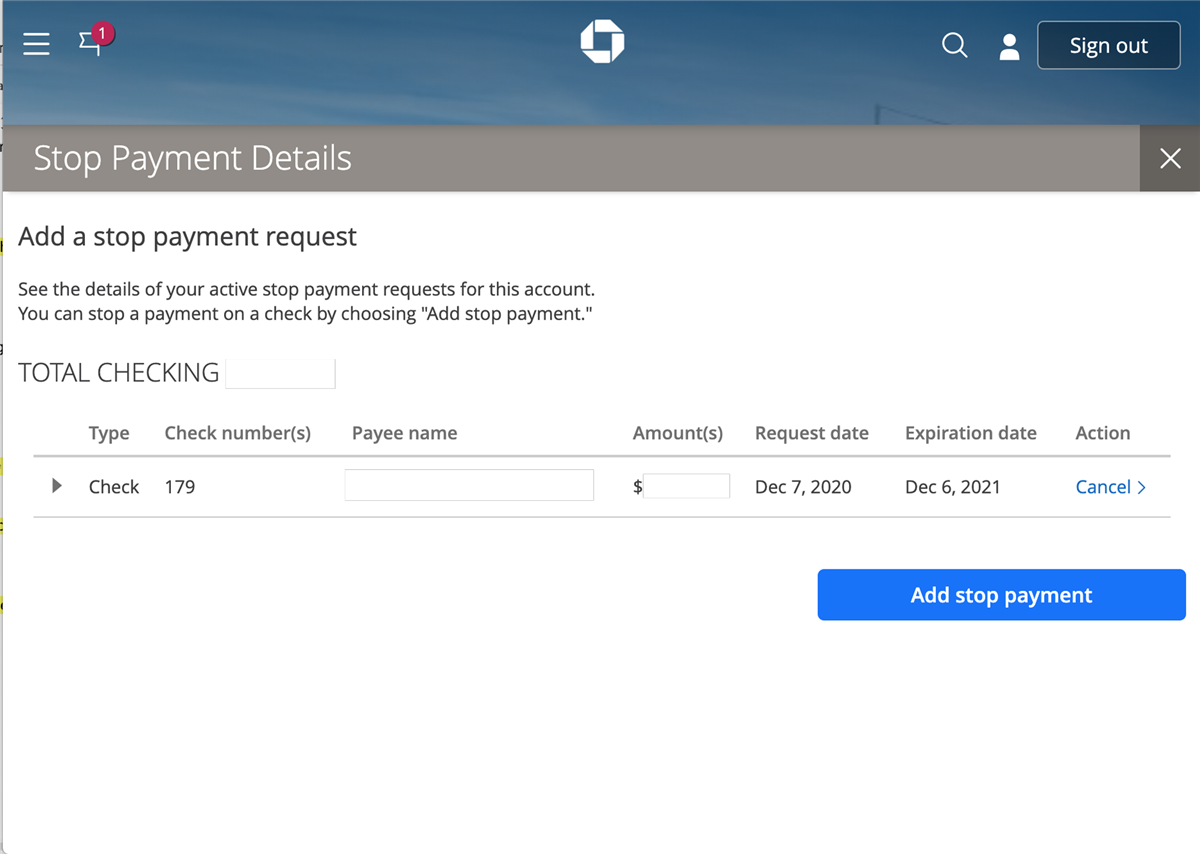
Crucially, ensure no pending transactions will debit the account after you’ve emptied it. Allow a few business days for all transactions (like checks you’ve written or debit card purchases) to clear before finalizing the balance. An unexpected debit could lead to an overdraft, incurring fees and complicating the closure.
Rerouting Direct Deposits and Automatic Payments
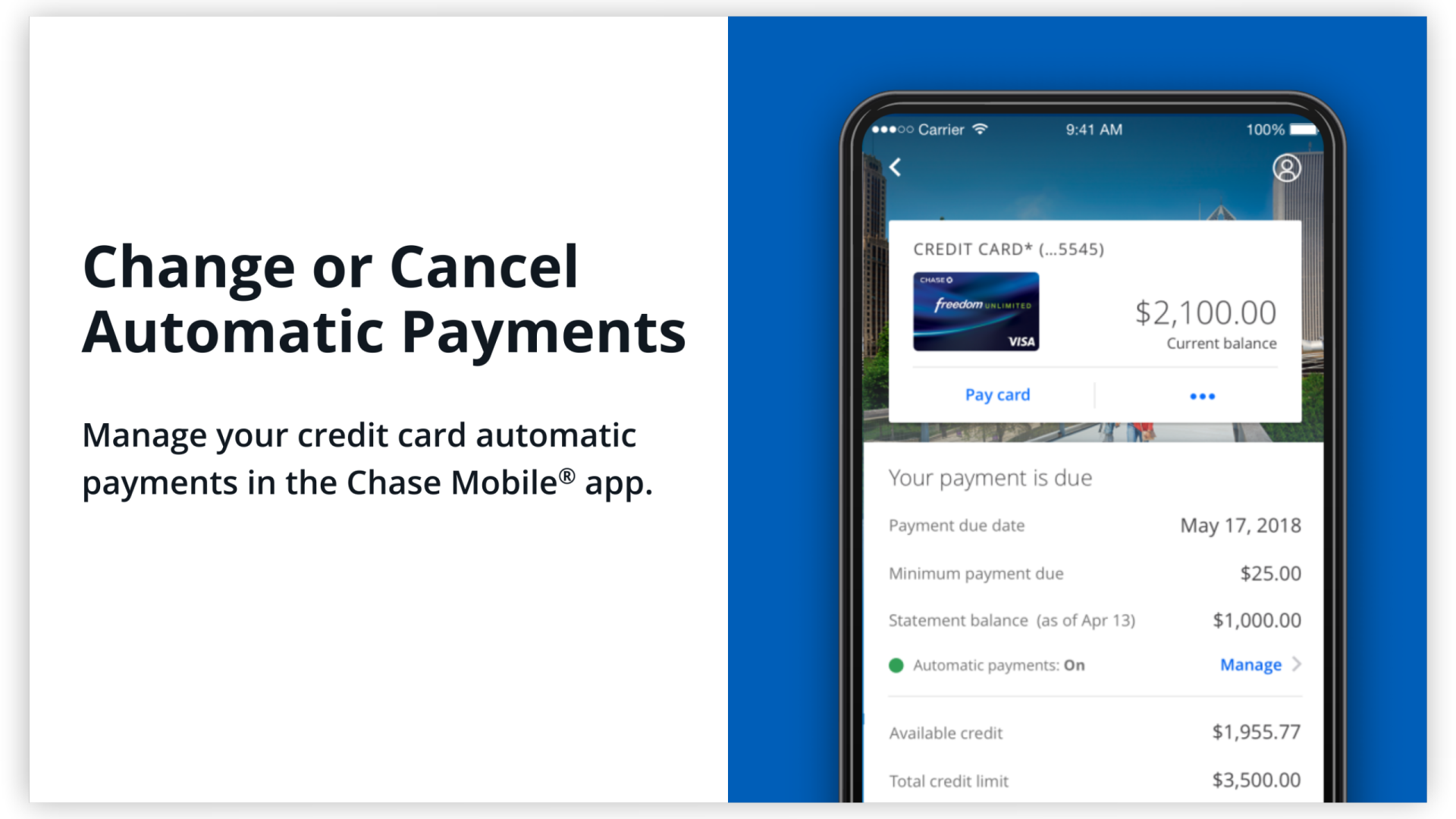
This is arguably the most vital step to avoid financial disruption. All incoming direct deposits (paychecks, government benefits, refunds) and outgoing automatic payments (utilities, subscriptions, loan payments, rent) must be rerouted to your new account.
- Direct Deposits: Contact your employer’s payroll department, government agencies (e.g., Social Security Administration), or any other source of recurring income to provide them with your new bank account details. Do this well in advance, as changes can take one or two pay cycles to become effective.
- Automatic Payments: Compile a comprehensive list of all recurring debits. This includes:
- Utility bills (electricity, water, gas, internet).
- Loan payments (mortgage, auto, student, personal).
- Credit card payments.
- Insurance premiums.
- Subscription services (streaming, gym memberships, software).
- Rent or mortgage payments.
- Investment contributions.
Access each service’s online portal or contact them directly to update your payment information. Verify that the changes have been implemented by checking your new account’s activity.
Identifying and Disconnecting Linked Financial Services
Beyond direct deposits and automatic payments, many other financial services might be linked to your Chase account, often subtly.
- Peer-to-Peer Payment Apps: Services like Zelle, Venmo, PayPal, Cash App, Apple Pay, or Google Pay might be linked to your Chase account for sending or receiving money. Update these apps to reflect your new primary bank account.
- Investment Platforms: If you have an investment account (e.g., brokerage, robo-advisor) that pulls funds from or deposits funds into your Chase account, update the linked bank account information.
- Other Bank Accounts: You might have established external links between your Chase account and accounts at other banks for transfers. Sever these links from both ends.
- Tax Refunds/Payments: Ensure the IRS or your state tax authority has your correct bank information for refunds or direct debit payments.
- Digital Wallets: Any digital wallet services storing your Chase debit card information should be updated or deleted.
Taking the time to meticulously go through your past statements can help identify all these connections.
Archiving Important Account Statements and Records
Before closing, download or request paper copies of your past account statements.
- For Tax Purposes: You’ll need access to these records for tax filing (especially if you earn interest or have deductible expenses linked to the account). Keep records for at least seven years.
- For Financial History: These statements provide a historical record of your income and expenses, which can be useful for budgeting, loan applications, or disputing past transactions.
- Proof of Closure: After closing, ensure you receive and retain written confirmation of the account closure from Chase.
Store these documents securely, whether digitally (password-protected files) or physically.
Navigating the Chase Account Closure Process
Once your preparations are complete, you’re ready to formally request the closure of your Chase account. Chase offers a few methods, but some are generally more recommended for a complete and secure closure.
Choosing Your Closure Method: Phone, Branch, or Mail
- In-Person (Recommended): Visiting a Chase branch is often the most secure and straightforward method. You can speak directly with a banker, confirm your identity, ensure all steps are followed, and receive immediate confirmation. This also allows you to handle any minor remaining issues (like a small balance or outstanding checks) on the spot. Bring valid identification.
- Phone: You can call Chase customer service to initiate the closure. This is convenient but requires careful attention to detail. Ensure you have your account number, personal details for verification, and a pen and paper to note down conversation details, representative names, and confirmation numbers.
- Mail: While possible, mailing a written request to close an account is generally less recommended due to potential delays, lack of immediate confirmation, and the possibility of the letter being lost. If you choose this method, send it via certified mail with a return receipt requested to ensure delivery. Include your account number, full name, address, and a clear statement requesting closure, along with instructions for any remaining funds (if not already zeroed out).
Chase typically does not allow full account closure online or through the mobile app for security reasons, though you can manage aspects of your account there.
What to Expect During the Cancellation Interaction
Regardless of the method chosen, the process will involve:
- Identity Verification: Chase will verify your identity to prevent fraud. This might include answering security questions, providing ID in person, or confirming personal details over the phone.
- Confirmation of Zero Balance: The representative will confirm that your account balance is zero and that there are no pending transactions. If there’s a small residual balance, they’ll guide you on how to handle it (e.g., send a check, transfer to another Chase account if you have one).
- Reason for Closure (Optional): You might be asked why you’re closing the account. You can provide a brief reason or simply state it’s for personal financial management. This is often for their internal data collection.
- Account Closure Confirmation: Ensure you receive explicit confirmation that the account is being closed. Ask for a confirmation number if closing by phone, or a signed document if in person.
Securing Official Confirmation of Closure
This step cannot be overstressed. Verbal confirmation is a good start, but written confirmation is your definitive proof.
- In-Branch: Request a printed and signed letter or statement from the bank confirming the account closure and the date.
- By Phone: Ask for a written confirmation to be mailed to you. Note the date you requested it and allow sufficient time for delivery. If it doesn’t arrive, follow up.
- By Mail: Your certified letter receipt proves delivery, but still request that Chase send you a formal letter confirming the account’s closure.
Keep this confirmation alongside your archived statements. It serves as vital proof should any disputes or questions arise in the future regarding the account.
Post-Cancellation Best Practices and Financial Monitoring
Closing your Chase account is an important financial milestone. However, the process doesn’t end with the confirmation. Diligent follow-up is essential to ensure a complete and clean break.
Verifying Account Status and Remaining Vigilant
Even after receiving confirmation, it’s wise to perform a few checks over the subsequent weeks:
- Check Your New Account Activity: Monitor your new bank account to ensure all direct deposits and automatic payments have successfully transitioned and are processing as expected.
- Review Chase Statements (if any): For a short period, Chase might still send you statements, particularly if there was a lingering small balance or a final transaction. Review these carefully to ensure the balance remains zero and no unexpected activity occurs.
- Monitor Credit Reports: While closing a checking or savings account doesn’t directly impact your credit score like a credit card closure, it’s always good practice to regularly monitor your credit reports for any unusual activity that might stem from an overlooked link or error.
If you notice any discrepancies or unexpected charges, immediately contact Chase to resolve them, referencing your closure confirmation.
Updating Your Financial Ecosystem
Beyond monitoring, proactively update any other financial accounts or services that might have been indirectly linked to your closed Chase account.
- Investment Accounts: Double-check that all automated transfers to and from investment platforms are now linked to your new bank account.
- Loan Servicers: Ensure all loan payments (personal loans, auto loans, mortgages) are correctly drawing from your new account.
- Budgeting Software: If you use personal finance management tools like Mint, Quicken, or YNAB, update them to remove the closed Chase account and link your new banking information.
- Online Shopping Accounts: Update saved payment methods on frequently used e-commerce sites.
This ensures your entire financial ecosystem is aligned with your current banking setup, preventing future payment failures or missed transactions.
The Importance of Record Keeping
Maintain a well-organized file (physical or digital) of all documents related to your account closure. This includes:
- Your pre-closure checklist.
- Notes from phone calls (dates, times, representative names, confirmation numbers).
- Copies of all relevant statements.
- The official letter or document confirming account closure from Chase.
These records are invaluable for future reference, tax purposes, or if any questions arise about the account’s history. Treat them as critically as you would your tax returns or loan documents.
Potential Pitfalls and Proactive Solutions
While the process is generally straightforward, being aware of common pitfalls can save you time, money, and stress.
Avoiding Unexpected Fees
- Early Closure Fees: Some banks, including Chase, may impose an early closure fee if you close an account within a certain timeframe after opening it (e.g., 90 or 180 days). Check your account terms and conditions or ask a Chase representative if this applies to your account.
- Overdraft Fees: If you fail to reroute an automatic payment and the account has a zero balance, it could lead to an overdraft and associated fees. Meticulously completing the pre-closure checklist mitigates this risk.
- Monthly Maintenance Fees: If you leave a small balance in the account and don’t close it, it might still be subject to monthly maintenance fees, slowly eroding the remaining funds until the account goes negative. Ensure the balance is truly zero before the formal closure.
Ensuring All Links Are Severed
The most common mistake is overlooking a linked service or payment. Take extra time to review at least 3-6 months of past statements to catch every recurring transaction, no matter how small or infrequent. Set reminders to follow up on changes with employers or service providers.
Protecting Against Post-Closure Issues
- Scams: Be wary of phishing attempts or scams claiming to be from Chase after your account closure. Chase will not ask for sensitive information via unsolicited emails or texts.
- Identity Theft: Always protect your personal and financial information. If you’re disposing of old debit cards or checks, shred them thoroughly.
- Reactivating an Account: Be aware that once an account is formally closed, reactivating it is usually not possible. You would need to open a brand-new account, which might come with new terms and a different account number. This is why considering alternatives to full closure initially is beneficial.
By approaching the cancellation of your Chase account with a strategic mindset and meticulous attention to detail, you can ensure a smooth, secure, and financially sound transition. It’s an opportunity to optimize your personal finance, align your banking relationships with your current needs, and foster greater control over your financial life.
aViewFromTheCave is a participant in the Amazon Services LLC Associates Program, an affiliate advertising program designed to provide a means for sites to earn advertising fees by advertising and linking to Amazon.com. Amazon, the Amazon logo, AmazonSupply, and the AmazonSupply logo are trademarks of Amazon.com, Inc. or its affiliates. As an Amazon Associate we earn affiliate commissions from qualifying purchases.