
Navigating the world of personal finance often involves making strategic decisions about your credit cards. While opening a new card can be exciting, the time may come when canceling an existing one, like a Chase card, becomes the most financially prudent choice. This isn’t a decision to be taken lightly, as it can have various implications for your financial health. Understanding the “how-to” is just one piece of the puzzle; equally important is comprehending the “why” and “what if” scenarios. This guide will provide a professional, insightful, and engaging walkthrough of the process, ensuring you’re well-equipped to make an informed decision within the realm of personal finance.
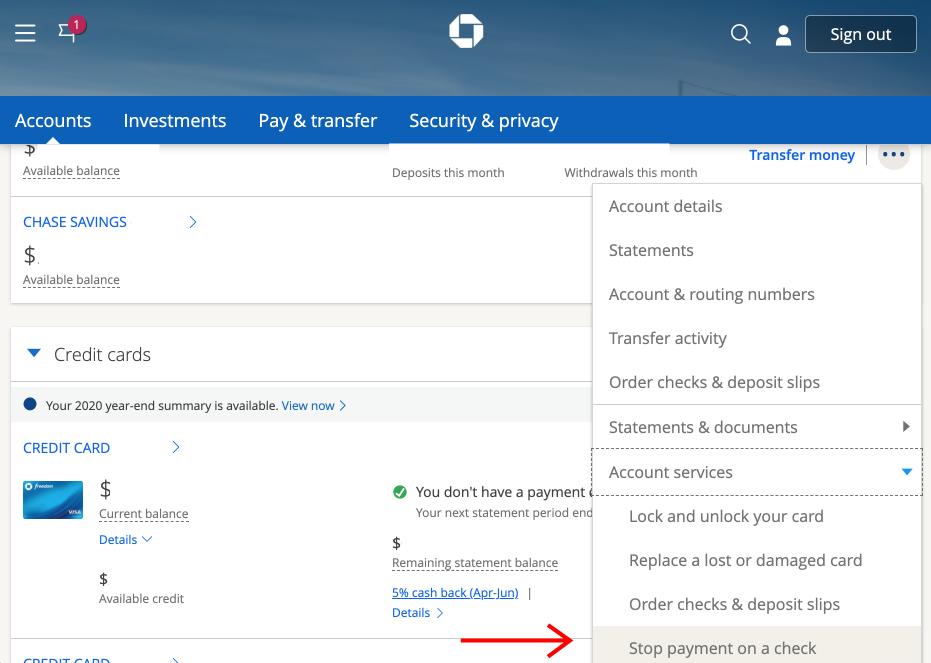
Why You Might Consider Canceling Your Chase Card
The decision to cancel a credit card, even one from a major issuer like Chase, typically stems from a variety of personal finance considerations. It’s crucial to evaluate your specific situation to determine if cancellation aligns with your broader financial goals.
Managing Debt and Simplifying Finances
One of the primary reasons individuals opt to cancel a credit card is to simplify their financial landscape and reduce the temptation of accumulating more debt. If you find yourself struggling with a high credit card balance or multiple cards, removing one from your wallet can be a powerful step towards regaining control. Psychologically, fewer cards can lead to more focused debt repayment strategies, allowing you to allocate resources more efficiently towards high-interest balances. Consolidating debt onto fewer, more manageable accounts, or simply removing a card that encourages excessive spending, can be a cornerstone of a sound financial management plan.
High Annual Fees and Underutilization
Many premium credit cards, including some offered by Chase, come with significant annual fees. While these fees are often justified by a robust suite of benefits—such as travel rewards, purchase protections, or exclusive access—they only provide value if those benefits are actively used. If you find that you’re no longer utilizing the perks that offset the annual fee, or if your spending habits have changed, paying a substantial annual fee for a card that sits dormant becomes a financial drain. Reviewing your annual statement and assessing the cost-benefit ratio of your Chase card’s annual fee is a critical exercise in prudent financial planning. If the card no longer serves your financial lifestyle, canceling it to avoid recurring charges is a sensible money-saving measure.
Pursuing Better Alternatives or Avoiding Redundancy
The credit card market is dynamic, with issuers constantly introducing new products that offer improved rewards structures, lower interest rates, or more appealing benefits tailored to specific spending categories. You might have found another credit card, perhaps from a different issuer or even another Chase product, that better suits your current financial needs and spending patterns. Holding multiple cards with similar benefits can also lead to redundancy. For example, if you have two travel rewards cards that offer similar points multipliers on the same categories, keeping both might not be optimal. Consolidating your spending onto a single, more rewarding card can streamline your points accumulation and simplify your financial tracking, making cancellation of the less optimal card a strategic move.
Essential Steps Before You Cancel
Before you pick up the phone to initiate the cancellation process, there are several crucial financial steps to take. These pre-cancellation actions can help mitigate potential negative impacts and ensure you don’t leave any value on the table.
Redeem All Remaining Rewards
Credit card rewards, whether in the form of points, miles, or cash back, represent tangible value. When you close an account, any unredeemed rewards associated with that specific card are typically forfeited. Chase, like most issuers, has specific policies regarding rewards forfeiture upon account closure.
- Chase Ultimate Rewards: If you have a Chase card earning Ultimate Rewards points (e.g., Chase Sapphire Preferred, Chase Sapphire Reserve, Chase Freedom), these points are generally tied to your Ultimate Rewards account, not just a single card. However, if that card is the only one you have that earns Ultimate Rewards, or if you’re closing a card that holds a specific type of points (like hotel-specific points), those points could be at risk. It’s vital to consolidate points or redeem them before closing the card. You might be able to transfer points to another active Chase Ultimate Rewards card you hold, or to a partner airline/hotel, or simply redeem them for cash back or travel through the portal.
- Cash Back: Cash back rewards are generally simpler. Redeem them as a statement credit or direct deposit to your bank account before calling Chase.
- Brand-Specific Points: For co-branded cards (e.g., Southwest Rapid Rewards, Marriott Bonvoy), ensure any airline miles or hotel points have been transferred to your loyalty program account first.
Always check your rewards balance and understand Chase’s specific redemption policies for your card type.
Pay Off Your Entire Balance
This is a non-negotiable step. You cannot close a credit card account with an outstanding balance. Before initiating the cancellation, ensure your balance is completely paid down to zero. Making a final payment and allowing it to clear can take a few business days. If you close the account while a payment is pending, it could cause complications. A zero balance ensures a clean break and avoids any lingering debt or interest charges on a closed account, which can be difficult to track and manage. If you have a large balance that you’re struggling to pay off, consider strategies like a balance transfer to a lower-interest card or a personal loan before attempting to close the account, as closing with a balance isn’t an option.
Understand the Credit Score Impact
Canceling a credit card can affect your credit score, primarily due to two factors:
- Credit Utilization Ratio: This is the amount of credit you’re using compared to your total available credit. If you close a card, your total available credit decreases. If your balances on other cards remain the same, your utilization ratio will increase, which can negatively impact your score. Ideally, keep your overall utilization below 30%.
- Average Age of Accounts: Your credit score considers the average age of all your credit accounts. Closing an older card can reduce your average age of accounts, especially if it was one of your oldest lines of credit. This can have a more pronounced impact if you have a relatively short credit history overall.
While the impact is often temporary and manageable, especially if you have a strong credit history and other long-standing accounts, it’s something to be aware of. If you’re planning a major financial application (e.g., mortgage, auto loan) in the near future, you might consider delaying the cancellation.
Explore Alternatives to Outright Cancellation
Canceling a card isn’t always the only or best option. Chase, like other major issuers, often provides alternatives:
- Product Change/Downgrade: You might be able to switch your current Chase card to a different Chase product, often one with no annual fee, without closing the account. This allows you to retain your credit history with that specific account and maintain your credit limit, thereby avoiding a negative impact on your credit score’s average age of accounts and utilization ratio. For instance, you might downgrade a Chase Sapphire Reserve to a Chase Freedom Flex.
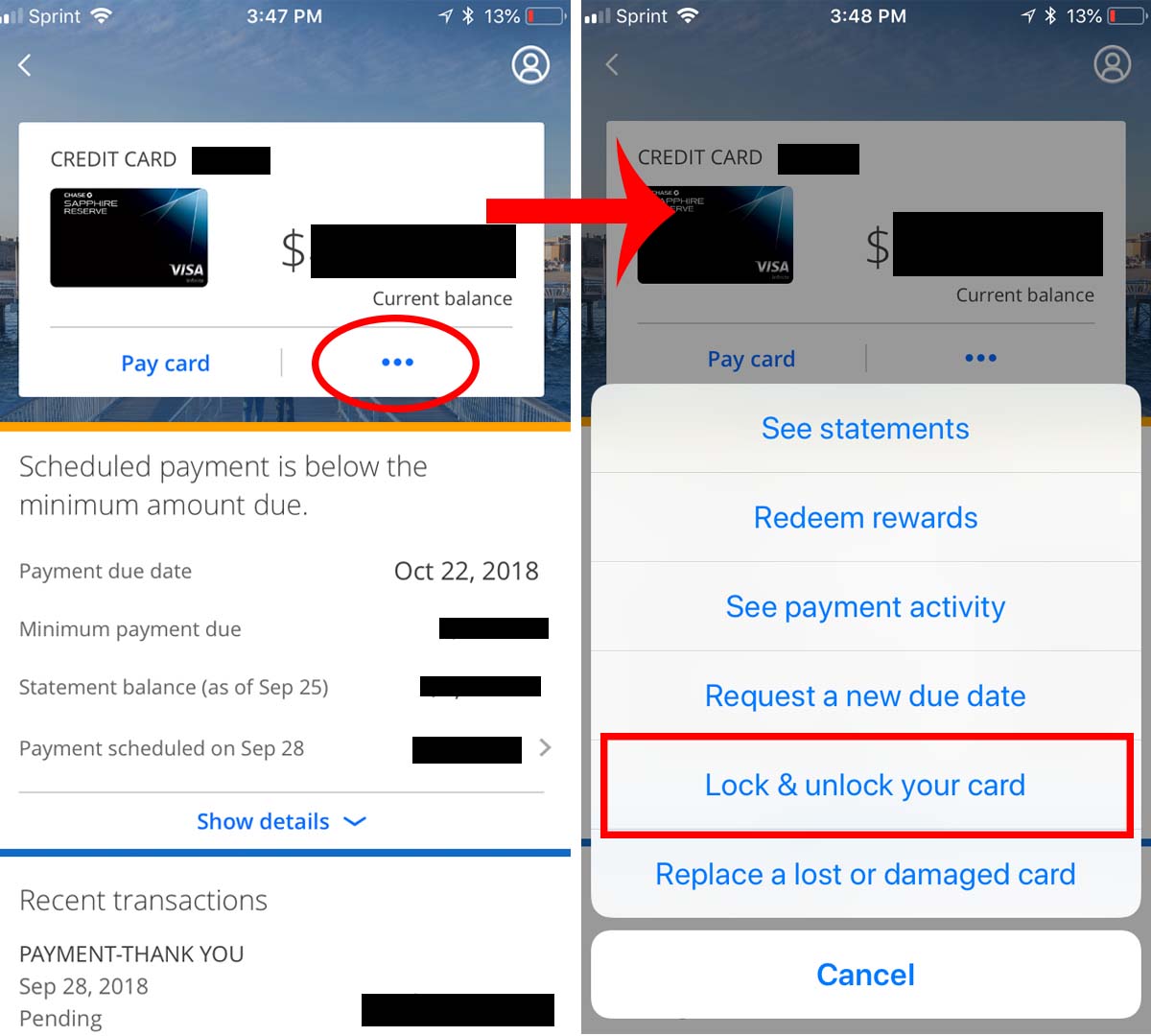
- Temporary Freeze: If you’re just worried about overspending, a temporary freeze on your card might be enough. This allows you to stop transactions without impacting your credit score or closing the account.
Discussing these options with a Chase representative can help you find a solution that best fits your financial situation.
The Step-by-Step Process to Cancel Your Chase Card
Once you’ve completed your pre-cancellation checklist, you’re ready to initiate the cancellation process itself. Chase typically requires a phone call to customer service for credit card cancellations.
Gather Necessary Information
Before you call, ensure you have easy access to:
- Your Chase credit card number: This will be used to identify your account.
- Your Social Security Number (SSN) or other identifying information: For security verification.
- Your phone’s keypad: You’ll likely navigate an automated system before speaking to a representative.
Having this information readily available will streamline the verification process and allow you to quickly get to the core of your request.
Contact Chase Customer Service
The most reliable way to cancel a Chase credit card is by calling their customer service line. Look for the customer service number on the back of your card or on your monthly statement. It’s typically a 24/7 line, but calling during business hours might connect you faster to a representative who can handle cancellations.
- Be Clear and Direct: When you connect with a representative, clearly state your intention to cancel your credit card.
- Prepare for Retention Offers: It’s common for credit card companies, including Chase, to try and retain customers who express an interest in canceling. The representative might offer incentives like a waiver of the annual fee for a year, bonus rewards points, a lower interest rate, or a product change option. Be prepared to politely decline if these offers don’t align with your reasons for canceling, or consider them if they truly address your concerns. This is a valuable opportunity for you to leverage your position as a customer.
Confirm Account Closure
After you’ve informed the representative of your decision and declined any retention offers, ensure you receive explicit confirmation that the account will be closed.
- Request Confirmation: Ask the representative to confirm that the account will be closed immediately and that you will receive written confirmation of the closure. This confirmation could come via email or postal mail.
- Zero Balance Confirmation: Reconfirm that your balance is zero and there will be no further charges or fees post-cancellation.
- Cut Up Your Card: Once the call is complete, physically destroy your credit card by cutting it into multiple pieces, especially through the chip and magnetic strip, to prevent unauthorized use.
What Happens After Cancellation
The cancellation process doesn’t end with the phone call. There are a few follow-up steps and considerations to keep in mind to ensure a smooth transition and monitor your financial health.
Receiving Confirmation of Closure
Chase should send you a formal letter or email confirming the closure of your account. This document is important for your financial records. It verifies that your request was processed and that the account is no longer active. Keep this confirmation for your records, especially in case any discrepancies arise in the future regarding the account status. If you don’t receive confirmation within a few weeks, follow up with Chase customer service.
Monitoring Your Credit Report
Within 30 to 60 days after cancellation, you should check your credit reports from all three major bureaus (Equifax, Experian, TransUnion). You can do this for free annually at AnnualCreditReport.com.
- Verify Account Status: Ensure the Chase card is accurately reported as “closed by consumer” on all three reports.
- Check for Outstanding Balances: Verify that no outstanding balances or unexpected charges appear on the closed account.
- Monitor Credit Score: Observe any changes to your credit score. As discussed, a temporary dip is possible due to changes in credit utilization or average age of accounts. Understanding these fluctuations is part of being financially astute.

Potential Credit Score Fluctuations
As previously mentioned, closing a credit card can impact your credit score. The severity of this impact depends on various factors, including the length of your credit history, your overall credit utilization, and the number of other active credit accounts you have. If you have many other long-standing accounts and a low utilization ratio, the impact might be minimal. However, if this was one of your oldest cards and you have high balances on other cards, you might see a more noticeable, albeit often temporary, dip. Continue to practice good credit habits with your remaining accounts – paying bills on time and keeping utilization low – to quickly rebuild any lost points.
Canceling a Chase card is a deliberate financial decision that requires careful thought and execution. By understanding the reasons for cancellation, taking essential pre-cancellation steps, following the correct procedure, and monitoring the aftermath, you can navigate this process effectively. Ultimately, your goal is to optimize your personal finance strategy, and sometimes, that means closing a chapter to open another.
aViewFromTheCave is a participant in the Amazon Services LLC Associates Program, an affiliate advertising program designed to provide a means for sites to earn advertising fees by advertising and linking to Amazon.com. Amazon, the Amazon logo, AmazonSupply, and the AmazonSupply logo are trademarks of Amazon.com, Inc. or its affiliates. As an Amazon Associate we earn affiliate commissions from qualifying purchases.