
The Financial Imperative of Savvy Flight Booking
In the realm of personal finance, travel expenditures often represent one of the most significant discretionary costs. For many, the dream of exploring new destinations is tethered to the reality of flight prices, which can swing wildly and unpredictably. Mastering the art of booking cheap flights isn’t just about saving a few dollars; it’s a fundamental aspect of maximizing your travel budget, allowing for more frequent trips, extended stays, or the allocation of savings to other experiences. Every dollar saved on airfare is a dollar available for accommodation, dining, activities, or even investment, directly impacting your overall financial health and lifestyle choices. Understanding the dynamics of airline pricing and implementing strategic booking techniques can transform an expensive aspiration into an accessible reality.
Understanding the Variable Costs of Air Travel
Airline pricing is a complex algorithm driven by supply and demand, fuel costs, competition, historical data, and even consumer behavior. A flight ticket isn’t a static commodity; its price can fluctuate multiple times within a single day. Factors contributing to this variability include the time of year (peak season vs. off-peak), day of the week (weekends vs. weekdays), time of day (red-eyes vs. mid-day flights), booking lead time, and even specific events or holidays in either the departure or arrival city. Moreover, different fare classes exist within the same economy cabin, offering varying levels of flexibility and amenities at different price points. Acknowledging this inherent variability is the first step toward strategically navigating the market to secure the best possible value for your money.
The Impact of Flight Costs on Your Travel Budget
For most travelers, especially those planning international trips or family vacations, flights can easily consume 30-50% of the total travel budget. A reduction in this significant expenditure can have a profound ripple effect. For instance, saving $500 on a flight could translate to an extra week of accommodation at a budget hotel, several gourmet meals, a thrilling excursion, or perhaps even a portion of your monthly savings goal. Conversely, overpaying for airfare can severely restrict other aspects of your trip, forcing compromises on experiences or leading to an overextended budget that impacts your financial stability upon return. Strategic flight booking isn’t merely a tactic; it’s a core component of responsible financial planning for travel, enabling you to stretch your funds further and enjoy a richer experience without financial strain.
Strategic Timing: When to Search and Book
The timing of your flight search and booking is arguably the most critical variable in securing a favorable price. Airlines employ sophisticated revenue management systems that adjust prices based on anticipated demand, available seats, and historical booking patterns. Understanding these patterns allows travelers to strategically position themselves to capitalize on lower fares before they escalate.
The “Goldilocks Window” for Domestic and International Flights
There isn’t a single, universal ideal booking time, but rather a “Goldilocks Window” where prices are generally “just right”—not too early to miss potential sales and not too late to face inflated last-minute fares.
- Domestic Flights: For travel within your home country, the sweet spot typically falls between 1 to 4 months before your departure date. Booking too early (e.g., 6+ months out) might mean missing out on sales, as airlines often haven’t finalized their full pricing strategies. Booking too late (e.g., within 2 weeks) almost guarantees higher prices as demand for remaining seats increases.
- International Flights: Due to greater planning requirements and higher average costs, the window expands. For international travel, aiming to book 2 to 8 months in advance is generally recommended. Popular destinations or peak travel seasons might warrant booking even earlier, up to 10-12 months out, especially if you have fixed dates and limited flexibility.
These windows provide general guidelines, and constant monitoring within these periods can help pinpoint specific deals.
The Cheapest Days to Fly and Book
Beyond the lead time, the specific day of the week you choose to fly can significantly impact your ticket price.
- Cheapest Days to Fly: Typically, flying on Tuesdays, Wednesdays, and Saturdays often yields lower fares. These days tend to have less business traveler demand compared to Mondays and Fridays, which are popular for corporate travel and weekend getaways. Sundays are consistently among the most expensive days to fly.
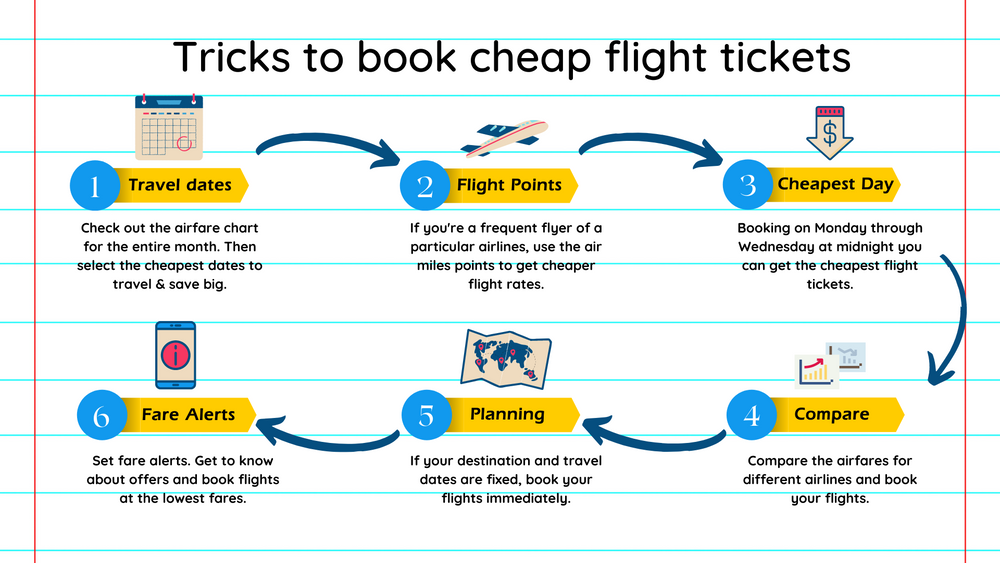
- Cheapest Days to Book: While the day you fly matters more than the day you book, some data suggests that searching and booking on Tuesdays and Wednesdays might occasionally reveal new sales or price drops. Airlines often release new fares or match competitors’ prices early in the week after weekend demand has been assessed. However, consistency in checking prices across various days is more effective than rigidly sticking to one booking day.
Leveraging Seasonal Price Fluctuations
Airfare is highly sensitive to seasonality. Peak travel seasons, such as summer holidays, Christmas, New Year’s, and major public holidays, invariably see prices soar due to concentrated demand.
- Off-Peak Travel: If your schedule allows, traveling during the “shoulder season” (the periods immediately before or after peak season) or true off-peak seasons can result in substantial savings. For example, visiting Europe in spring (April-May) or fall (September-October) often provides pleasant weather with significantly lower flight and accommodation costs compared to the summer months.
- Flexibility is Key: If your travel dates are flexible, identifying these off-peak periods for your desired destination and aligning your trip accordingly is one of the most financially impactful strategies. This flexibility allows you to sidestep the premium prices commanded during periods of high demand.
Mastering the Search Tools and Techniques
The digital age has revolutionized flight booking, offering a plethora of tools and techniques to unearth the best deals. Leveraging these effectively is crucial for any budget-conscious traveler.
The Power of Flight Comparison Websites and Aggregators
Instead of checking individual airline websites, which is time-consuming and often inefficient, utilize flight comparison websites and aggregators. These platforms scour thousands of routes and airlines to present you with a comprehensive overview of available flights and prices.
- Key Players: Google Flights, Skyscanner, Kayak, and Expedia are excellent starting points. Each has slightly different strengths; for instance, Google Flights is exceptional for exploring flexible dates and destinations with its calendar view and “explore” map, while Skyscanner is known for its “Everywhere” search function, perfect for open-minded travelers seeking the cheapest possible destination.
- Metasearch vs. OTA: Be aware of the difference between metasearch engines (like Google Flights and Skyscanner, which redirect you to the airline or OTA to book) and Online Travel Agencies (OTAs) like Expedia or Priceline (where you book directly on their site). While OTAs can sometimes offer package deals or bundled savings, metasearch engines often provide a broader initial view of prices across the market.
Exploring Alternative Airports and Flexible Dates
Rigidity is the enemy of cheap flights. Expanding your search parameters can unlock significant savings.
- Alternative Airports: Many major cities are served by multiple airports. Flying into or out of a smaller, less congested airport (e.g., London Gatwick or Stansted instead of Heathrow; Chicago Midway instead of O’Hare) can often result in lower airfares, even after accounting for ground transportation costs. Always compare the total cost and travel time before committing.
- Flexible Dates: If your schedule permits, use the “flexible dates” or “month view” features on comparison websites. A difference of just one day can sometimes lead to hundreds of dollars in savings, particularly for international routes. Many search engines allow you to view prices for an entire month, highlighting the cheapest days to fly.

Incognito Mode and Clearing Cookies: Myth vs. Reality
The belief that airlines and booking sites track your searches and raise prices on repeat visits is a persistent myth. While websites do use cookies for various purposes (like remembering your preferences), there’s no credible evidence that they dynamically inflate prices based on your personal search history. Prices fluctuate for everyone based on supply and demand, not individual browsing.
- Practical Advice: While incognito mode or clearing cookies won’t magically unlock cheaper prices, it can still be good practice for privacy reasons. More importantly, focus your energy on comparing prices across multiple sites and being flexible with your dates and destinations, as these are the true drivers of savings.
Setting Price Alerts and Notifications
Given the dynamic nature of flight prices, manually checking fares constantly is impractical. Most major flight comparison websites and many airlines offer price alert services.
- How it Works: You can set up alerts for specific routes and dates, and the service will notify you via email or app notification if the price changes. This allows you to monitor fluctuations without constant effort and pounce on a deal when it appears.
- Strategy: Set up multiple alerts for your desired route and variations (e.g., different departure/arrival airports, slightly different dates). This passive monitoring can be highly effective in catching unexpected sales or temporary price drops.
Unconventional Strategies for Deeper Savings
While traditional booking methods are essential, embracing less conventional strategies can uncover even more significant financial advantages, turning a costly journey into an affordable adventure.
The Art of Budget Airlines: Weighing Costs Against Convenience
Budget airlines (e.g., Ryanair, Spirit, Frontier, easyJet, Wizz Air) are notorious for their low base fares, which initially seem incredibly attractive. However, their business model relies heavily on unbundling services and charging for every add-on.
- Understanding the True Cost: Be meticulous in calculating the total cost. This includes baggage fees (checked and often carry-on), seat selection fees, priority boarding, printing boarding passes, and even in-flight refreshments. These can quickly add up, sometimes exceeding the cost of a full-service airline ticket.
- Strategic Usage: Budget airlines are most economical for short-haul flights, especially if you can travel light with just a personal item that fits under the seat. If you need to check a bag or value comfort and amenities, a full-service carrier might offer better overall value. Always compare the final price, inclusive of all potential fees, before booking.
Hidden City Ticketing and Backtracking (with caveats)
These advanced, financially driven strategies leverage airline pricing models but come with significant risks and ethical considerations.
- Hidden City Ticketing: This involves booking a flight with a layover at your desired destination, but instead of continuing to the final destination on the ticket, you simply get off at the layover city. For example, if a flight from City A to City C with a layover in City B is cheaper than a direct flight from City A to City B, you book the A-C flight and disembark at B.
- Backtracking: Booking a round-trip ticket from City A to City B might be cheaper than a one-way from City A to City B. In such cases, a traveler might book the round trip but only use the outbound leg.
- Caveats and Risks: Airlines generally prohibit these practices in their terms and conditions. If caught, your ticket could be canceled without a refund, your frequent flyer miles could be revoked, or you could face additional charges. This strategy only works for one-way travel (as subsequent legs would be canceled if you miss a segment). You cannot check luggage, as it would be routed to the final destination on the ticket. This strategy is not recommended for the average traveler due to its complexity and the potential for penalties. It is primarily discussed for its theoretical financial mechanics rather than practical application for most.
Harnessing Credit Card Rewards and Airline Miles
For those who manage their finances responsibly, credit card rewards and airline loyalty programs offer a powerful avenue for significantly reducing or even eliminating flight costs.
- Travel Rewards Credit Cards: Many credit cards offer substantial sign-up bonuses (e.g., 50,000-100,000 points) after meeting an initial spending requirement. These points can be redeemed for flights, often at a value equivalent to hundreds or thousands of dollars. Look for cards with no foreign transaction fees if you travel internationally.
- Airline Loyalty Programs: Even if you don’t travel frequently enough to earn elite status, signing up for loyalty programs (e.g., AAdvantage, SkyMiles, MileagePlus) is free and allows you to accrue miles, which can eventually be redeemed for award flights. Even a few accumulated miles can sometimes reduce the cash co-pay on certain bookings.
- Strategic Spending: Consolidate your everyday spending on a rewards credit card and pay off the balance in full each month to avoid interest charges. This allows you to earn points passively towards future travel without incurring debt.
Group Travel Savings and Package Deals
Traveling with a group or booking a bundled package can sometimes offer financial advantages.
- Group Rates: Some airlines and tour operators offer discounted rates for groups traveling together (often 10 or more people). While coordinating a large group can be challenging, the savings per person can be substantial.
- Flight + Hotel Packages: Online travel agencies often offer flight and hotel packages at a lower combined price than booking each component separately. These can be particularly cost-effective for destinations where you already know you’ll need both. Always compare the package price against the sum of individually booked flights and hotels to ensure it’s a genuine saving.
Avoiding Common Pitfalls and Hidden Fees
Securing a cheap flight involves not just finding a low base fare but also carefully navigating the labyrinth of potential additional costs and understanding the terms and conditions that protect your financial outlay.
Understanding Baggage Fees and Seat Selection Charges
The most common hidden fees stem from unbundled services, especially with budget airlines but increasingly with full-service carriers offering “basic economy” fares.
- Baggage: Always check the airline’s baggage policy before booking. Fees for checked bags can range from $30-$70 or more per bag, per direction. Many airlines now also charge for standard-sized carry-on bags, allowing only a “personal item” for free. Pre-paying for luggage online is almost always cheaper than paying at the airport gate. Factor these costs into your total fare.
- Seat Selection: If you have specific seating preferences (e.g., window, aisle, extra legroom) or are traveling with companions you wish to sit with, you may need to pay for seat selection. Otherwise, you’ll be assigned a seat at check-in, which may be a middle seat or separate from your travel partners. Decide if the comfort or certainty is worth the additional expense.
The Perils of Non-Refundable Tickets and Change Fees
Most cheap flights come with strict conditions designed to keep prices low.
- Non-Refundable: The vast majority of affordable economy tickets are non-refundable. This means if you cancel your trip, you will lose the money paid for the ticket. Travel insurance can mitigate this risk for unforeseen circumstances, but it’s an additional cost to consider.
- Change Fees: If you need to change your flight date or time, airlines typically charge a significant change fee (often $75-$200+ for domestic flights, more for international) plus any difference in fare. This can quickly erode any initial savings. Always weigh the potential need for flexibility against the allure of a rock-bottom price. For business travelers or those with uncertain plans, a slightly more expensive flexible fare might be a financially sound decision.

Currency Conversion and Foreign Transaction Fees
When booking international flights, especially directly with foreign airlines or through overseas travel agencies, be mindful of currency conversion and associated fees.
- Dynamic Currency Conversion (DCC): When presented with the option to pay in your home currency or the local currency of the merchant, always choose the local currency. DCC often applies a less favorable exchange rate than your bank or credit card company, resulting in a higher total cost.
- Foreign Transaction Fees: Many credit and debit cards charge a foreign transaction fee (typically 1-3% of the transaction value) for purchases made in a foreign currency or processed by an international bank, even if you are booking from your home country. Use a credit card that explicitly advertises “no foreign transaction fees” for all international bookings to avoid this unnecessary expense.
By being diligent in evaluating all potential costs and understanding the financial implications of different booking choices, travelers can ensure that a “cheap flight” truly remains cheap, maximizing their travel budget and enhancing their overall financial well-being.
aViewFromTheCave is a participant in the Amazon Services LLC Associates Program, an affiliate advertising program designed to provide a means for sites to earn advertising fees by advertising and linking to Amazon.com. Amazon, the Amazon logo, AmazonSupply, and the AmazonSupply logo are trademarks of Amazon.com, Inc. or its affiliates. As an Amazon Associate we earn affiliate commissions from qualifying purchases.