
Navigating the world of auto insurance can often feel complex, and the decision to cancel a policy, even with a highly-regarded provider like USAA, comes with its own set of considerations. Whether you’ve found a better rate elsewhere, are selling your vehicle, moving to a new location, or simply re-evaluating your financial needs, understanding the proper steps to cancel your USAA auto insurance policy is crucial. A smooth cancellation process ensures you avoid potential coverage gaps, prevent unexpected fees, and manage your personal finances responsibly. This guide will walk you through everything you need to know, offering a professional, insightful, and engaging approach to ensure your transition is as seamless as possible.
Understanding When and Why to Cancel Your USAA Auto Insurance
Deciding to cancel your auto insurance isn’t a decision made lightly. Various life events and financial shifts can prompt this action, and recognizing these scenarios helps in planning your next steps effectively.
Common Scenarios for Policy Cancellation
There are several prevalent reasons why an individual might choose to cancel their auto insurance policy with USAA. Each scenario brings its own set of considerations regarding timing and financial implications:
-
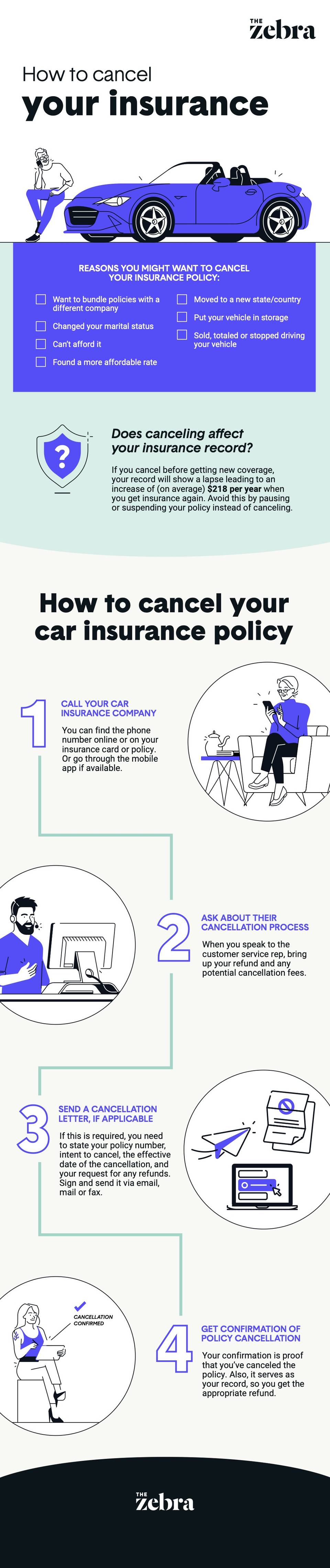
Switching to a New Insurer: This is perhaps the most common reason. Policyholders frequently shop around for better rates, different coverage options, or enhanced customer service experiences. If you’ve found a competitor offering a more attractive package, cancelling your existing USAA policy will be necessary.
-
Selling a Vehicle or No Longer Owning a Car: If you’ve sold your car, totaled it, or simply no longer require a vehicle, maintaining an auto insurance policy becomes redundant. In such cases, cancelling the policy promptly is a logical financial move to stop paying for unnecessary coverage.
-
Moving to a New State or Country: While USAA offers coverage in most U.S. states and territories, a move to a location where their services are unavailable, or to a country with different insurance regulations, will necessitate cancellation and securing local coverage.
-
Financial Hardship: Economic downturns or unexpected personal financial challenges might require individuals to adjust their spending. This could involve seeking a more affordable insurance provider or, in rare cases, temporarily suspending coverage if a vehicle is not being driven (though this carries significant risks if not handled carefully).
-
Dissatisfaction with Service or Coverage: Although USAA consistently receives high ratings for customer satisfaction, individual experiences can vary. If you’re consistently unhappy with your coverage options, claims process, or customer support, exploring other providers and cancelling your current policy is a valid choice.
Financial Implications of Cancellation
Cancelling an insurance policy has direct financial ramifications that extend beyond merely stopping premium payments. Understanding these can help you make an informed decision and avoid unexpected costs:
-
Potential Refunds for Unused Premiums: If you’ve paid your premiums in advance (e.g., for six months or a year), USAA will typically refund the unused portion of your premium. This is usually calculated on a prorated basis, meaning you’ll get back the exact amount for the days your vehicle was not covered. It’s important to clarify the refund process and timeline during your cancellation call.
-
Importance of Avoiding Coverage Lapses: Driving without insurance is illegal in almost every U.S. state and carries severe penalties, including fines, license suspension, vehicle impoundment, and even jail time. More importantly, it exposes you to immense financial risk in the event of an accident. Never cancel your old policy before your new one is active. A lapse in coverage can also signal higher risk to future insurers, potentially leading to higher premiums.
-
Consideration of Future Insurance Rates: Insurance companies assess risk based on various factors, including your driving history, claims history, and, crucially, your insurance history. A significant lapse in coverage can be viewed negatively by prospective insurers, potentially resulting in higher quotes when you eventually seek new coverage. A smooth transition ensures continuous coverage, preserving your positive insurance record.
Preparing for Your USAA Auto Insurance Cancellation
Before you pick up the phone or log into your account, a little preparation can streamline the cancellation process significantly, saving you time and preventing potential headaches.
Gathering Necessary Information
Having all pertinent details at your fingertips will make your interaction with USAA efficient and help ensure a swift resolution:
-
Policy Number: This is your primary identifier for your auto insurance policy. It’s usually found on your insurance ID cards, policy declarations page, or in your online USAA account.
-
Personal Identification: Be ready to provide your full name, current address, date of birth, and possibly the last four digits of your Social Security Number for verification purposes.
-
Effective Cancellation Date: Determine the exact date you want your USAA policy to end. This date should ideally coincide with the start date of your new policy to avoid any coverage gaps.
-
New Insurance Policy Details (If Applicable): If you are switching providers, some insurers, including USAA, might ask for proof of your new policy. This could include the new insurer’s name, policy number, and effective date. Having this ready can expedite the process.
-
Reason for Cancellation: While not always mandatory, being prepared to state your reason (e.g., “I’ve found a more competitive rate,” or “I’ve sold my vehicle”) can help customer service representatives understand your situation and process your request more efficiently.
Reviewing Your Policy and Account
A quick review of your current USAA policy and account can uncover details that might influence your cancellation decision or process.
-
Check for Any Outstanding Balances or Pending Payments: Ensure all premiums are up-to-date. Having an outstanding balance might complicate the cancellation process, and you’ll need to settle it before the policy can be fully closed. Conversely, if you’ve recently made a payment for a future period, you’ll be due a refund for the unused portion.
-
Understand Cancellation Fees or Penalties: While most auto insurance policies do not impose cancellation fees, it’s always wise to review your policy documents or quickly check with a USAA representative. Generally, auto insurance cancellation is prorated, meaning you only pay for the time you were covered, without penalty. However, specific circumstances or policy types could have different terms.
-
Review Multi-Policy Discounts: Many USAA members benefit from bundling policies, such as auto and home insurance, to receive discounts. Cancelling your auto policy might impact these bundled discounts on your remaining policies. Inquire about how this might affect your home, life, or other USAA policies and adjust your budget accordingly.
-
Confirm Your Chosen Cancellation Date: Double-check your desired cancellation date to ensure it aligns perfectly with the start date of any new insurance policy. This precision is vital for avoiding gaps in coverage and potential financial liability.
Step-by-Step Guide to Cancelling Your USAA Policy
Once you’re prepared, the actual process of cancelling your USAA auto insurance policy is typically straightforward. USAA prioritizes direct communication for such significant account changes to ensure accuracy and member security.
Preferred Method: Calling USAA Directly
For most insurance providers, including USAA, directly speaking with a customer service representative is the most reliable and often the only way to formally cancel an auto insurance policy.
-
Contact Number: You should call USAA’s main customer service number, which is typically 1-800-531-USAA (8722). This number connects you directly to their support team.
-
What to Expect During the Call:
-
Verification: The representative will first verify your identity using the information you gathered (policy number, personal details).
-
Reason for Cancellation: You’ll be asked for your reason for cancelling. You can state it simply, such as “I’ve found another provider” or “I’ve sold my vehicle.”
-
Confirmation of Details: You’ll confirm the effective cancellation date and discuss any potential refunds.
-
Retention Efforts: Be prepared for the representative to politely inquire if there’s anything USAA can do to retain your business. They might offer a quote review or discuss other discounts. If you are firm in your decision, clearly state your intent to cancel.
-
Confirmation Number/Email: Crucially, request a confirmation number for your cancellation request and ask for an email confirmation detailing the cancellation date and any refund information. This documentation is vital for your records.
-
-
Typical Call Wait Times: Like any large financial institution, call wait times can vary, especially during peak hours. It’s advisable to call during off-peak times (early mornings, late afternoons, or weekdays that aren’t Mondays).
Alternative Method: Online or Written Request (If Available/Necessary)
While USAA strongly prefers direct phone contact for cancellations to ensure clarity and security, it’s worth understanding other potential avenues, even if they are less common for a full policy termination.
-
Online Portal: Generally, USAA’s online portal allows for policy management (like adding/removing vehicles, changing coverage, making payments), but typically not for outright cancellation. A full cancellation often requires a conversation with a representative to ensure all aspects, like potential refunds or impacts on other policies, are thoroughly addressed. Always check their website for the most current options, but expect to make a phone call.
-
Written Cancellation Letter (Certified Mail): In specific, rare instances, or if you encounter issues with phone cancellation, sending a written cancellation letter via certified mail with a return receipt requested can serve as official documentation. This method is usually a fallback and less common for direct policy cancellation with a responsive insurer like USAA.
- What the Letter Should Include: Your full name, policy number, address, contact information, the exact date you wish the policy to be cancelled, and a clear statement requesting cancellation. Ensure it’s signed and dated. Include a copy of your new insurance declarations page if you’re switching providers.
What to Do Post-Cancellation Request
The process doesn’t end with hanging up the phone. A few follow-up steps are critical to ensure everything is processed correctly.
-
Confirm Receipt of Cancellation: Check your email or USAA online messages for the confirmation of your cancellation request. If you don’t receive it within a reasonable timeframe (e.g., 24-48 hours), follow up.
-
Verify the Effective Cancellation Date: Double-check that the date listed in the confirmation matches your desired cancellation date. Any discrepancy could lead to a lapse or an overlap in coverage.
-
Follow Up on Any Expected Refunds: Note the expected refund amount and timeline provided by USAA. If it doesn’t arrive as promised, contact USAA’s customer service to inquire about its status. Refunds are typically issued via direct deposit to your linked bank account or by check.
-
Ensure Your New Policy is Active: The most critical step is to verify that your new insurance policy (if applicable) is fully active and in force before your USAA policy officially ends. Having proof of new insurance is essential for continuous coverage.
Important Financial Considerations Post-Cancellation
Cancelling your auto insurance with USAA is fundamentally a financial decision. Understanding the implications for your money and legal standing is paramount.
Handling Refunds and Premiums
Managing the financial aspect of cancellation involves understanding how premiums and refunds are processed.
-
How USAA Typically Issues Refunds: As a member-centric organization, USAA generally processes refunds promptly. They are most commonly issued as a direct deposit to the bank account linked to your USAA membership or sent as a physical check to your address on file.
-
When to Expect the Refund: The timeframe can vary, but typically, refunds are processed within 7-10 business days of the confirmed cancellation date. It’s always a good idea to confirm the expected timeline during your cancellation call.
-
Prorated vs. Short-Rate Cancellations: USAA, like most major insurers, uses a prorated cancellation method for auto insurance. This means you are only charged for the exact number of days your policy was active. Short-rate cancellations, which charge a penalty or fee, are rare for auto policies and generally not practiced by USAA unless specified by unusual policy terms.
Avoiding Coverage Gaps and Legal Ramifications
This is arguably the most crucial financial and legal aspect of cancelling any auto insurance policy.
-
The Legal Requirement for Auto Insurance: Almost every state in the U.S. mandates minimum auto liability insurance. Driving without it is a serious offense.
-
Consequences of Driving Uninsured: The penalties are severe and costly. They can include substantial fines, suspension of your driver’s license and vehicle registration, vehicle impoundment, increased insurance rates in the future, and even jail time in some jurisdictions for repeat offenses.
-
Liability in an Accident: Beyond legal penalties, the most devastating financial consequence of a coverage gap is being involved in an at-fault accident without insurance. You would be personally responsible for all damages, medical bills, and legal fees of the other parties, which can quickly amount to hundreds of thousands or even millions of dollars, leading to financial ruin. Always ensure your new policy is active before your old one expires.
Impact on Other USAA Products and Services
USAA is unique in offering a comprehensive suite of financial products and services, so cancelling one product might have ripple effects on others.
-
Effects on Other Policies: If you have multiple policies with USAA (e.g., home, life, renters, umbrella), cancelling your auto insurance may lead to the loss of multi-policy discounts that bundle these services. This could result in an increase in premiums for your remaining policies. Review your other policy declarations to understand this potential impact.
-
Maintaining USAA Membership: Cancelling your auto insurance policy does not automatically terminate your USAA membership. As long as you maintain another eligible product (such as a banking account, life insurance, or a credit card), you will likely retain your membership and access to other USAA benefits and services. If auto was your only USAA product, inquire about the requirements to maintain your membership eligibility if you wish to do so.
Tips for a Smooth Transition
To ensure your financial and insurance transition is as stress-free as possible, keep these best practices in mind.
Don’t Cancel Before Your New Policy is Active
This cannot be stressed enough. Always have your new policy in place and verify its activation date before initiating the cancellation of your USAA policy. A slight overlap of a day or two is preferable to any gap in coverage.
Document Everything
Maintain meticulous records of your cancellation process. This includes:
-
The date and time of your call to USAA.
-
The name of the representative you spoke with.
-
Any confirmation numbers provided.
-
Copies of emails or letters confirming cancellation and refund details.
-
Proof of your new insurance policy.
These documents can be invaluable if any discrepancies or issues arise later.
Be Prepared for Retention Efforts
USAA, like any insurer, will likely make an effort to retain your business. Customer service representatives may inquire about your reasons for leaving and could offer a policy review, discuss potential discounts, or highlight additional benefits. Listen respectfully, but if you’ve done your research and are firm in your decision, politely reiterate your intent to cancel.
Understand Your Rights
As a policyholder, you have the right to cancel your insurance policy. While insurers have their procedures, you are ultimately in control of your coverage choices. Being informed empowers you to navigate the process confidently.

Conclusion
Cancelling your auto insurance with USAA doesn’t have to be a daunting task. By understanding the common reasons for cancellation, thoroughly preparing with the necessary information, and following USAA’s established procedures, you can ensure a smooth and financially responsible transition. Remember to prioritize continuous coverage to avoid legal and financial pitfalls, and always keep diligent records of your interactions. Proactive policy management is a cornerstone of sound personal finance, and successfully navigating your USAA auto insurance cancellation is a testament to that principle.
aViewFromTheCave is a participant in the Amazon Services LLC Associates Program, an affiliate advertising program designed to provide a means for sites to earn advertising fees by advertising and linking to Amazon.com. Amazon, the Amazon logo, AmazonSupply, and the AmazonSupply logo are trademarks of Amazon.com, Inc. or its affiliates. As an Amazon Associate we earn affiliate commissions from qualifying purchases.