
In an ever-evolving economic landscape, understanding how prices change is not merely a numerical exercise; it’s a critical skill for personal financial management, savvy investing, and astute business operations. From tracking the rising cost of groceries to evaluating the profitability of a product, the ability to calculate a price increase as a percentage provides invaluable insight. This fundamental calculation empowers individuals and businesses to make informed decisions, anticipate future trends, and manage their financial health effectively.
This article will demystify the process, breaking down the core formula, exploring its profound implications across various financial contexts, and equipping you with the knowledge to apply it confidently in your daily life and business endeavors.
The Fundamental Formula for Percentage Increase
At its heart, calculating a percentage increase is about understanding the relative change between two values. It tells you, proportionately, how much a price has gone up compared to its original state. This simple yet powerful metric allows for easy comparison across different items or time periods, providing a standardized measure of growth or inflation.
Understanding the Components: Original vs. New Price
Before diving into the math, it’s crucial to correctly identify the two key figures:
-
Original Price (or Base Price): This is the starting point, the initial value from which the increase is measured. It’s the price before the change occurred.
-
New Price (or Current Price): This is the end point, the value after the increase has taken effect.
Confusing these two can lead to an incorrect calculation and flawed conclusions. Always double-check which price came first chronologically or logically as the baseline.
Step-by-Step Calculation Guide
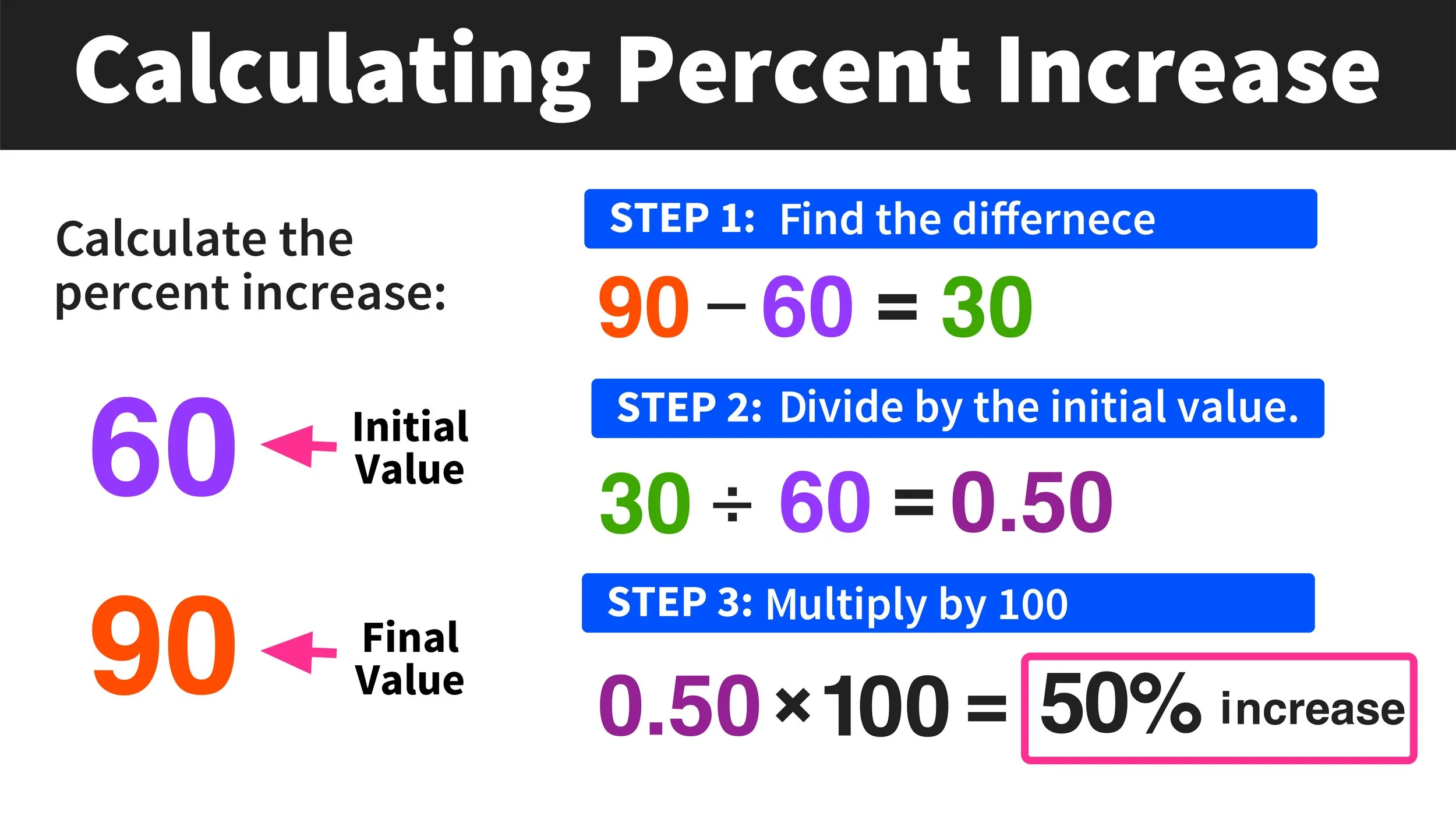
The formula for calculating a price increase as a percentage is straightforward:
Percentage Increase = [(New Price – Original Price) / Original Price] * 100
Let’s break this down with a practical example:
Imagine you bought a specific brand of coffee for $10 last month, and this month the price has gone up to $12.
-
Find the Difference: Subtract the original price from the new price.
$12 (New Price) – $10 (Original Price) = $2 (Price Increase)
-
Divide by the Original Price: Take the difference and divide it by the original price. This gives you the increase as a decimal.
$2 / $10 = 0.20
-
Multiply by 100: Convert the decimal to a percentage by multiplying by 100.
0.20 * 100 = 20%
So, the price of the coffee has increased by 20%.
Common Pitfalls to Avoid
While the formula is simple, several common mistakes can lead to errors:
-
Mixing Up Original and New Prices: This is the most frequent error. Always ensure you are subtracting the original from the new and dividing by the original.
-
Forgetting to Multiply by 100: The result of the division is a decimal; it must be multiplied by 100 to express it as a percentage.
-
Rounding Errors: Be mindful of when and how you round numbers. For precision, it’s often best to perform the full calculation and then round the final percentage.
Why Understanding Price Increases Matters in Personal Finance
For individuals, the ability to calculate and comprehend price increases is a cornerstone of sound financial planning and everyday money management. It illuminates the unseen forces affecting your purchasing power and helps you make smarter decisions about spending, saving, and investing.
Impact on Your Budget and Purchasing Power
Price increases, commonly known as inflation when measured broadly, directly erode your purchasing power. If your income remains stagnant while the cost of goods and services rises, your money simply buys less than it used to.
-
Tracking Household Expenses: Regularly calculating price increases for recurring expenses (groceries, utilities, rent) helps you identify areas where your budget is being squeezed. This knowledge can prompt you to seek alternatives, adjust spending habits, or negotiate better deals.
-
Cost of Living Adjustments: Understanding how much prices have increased can inform your expectations for salary negotiations or understanding government benefit adjustments. You can assess whether proposed increases truly keep pace with the rising cost of living.
Assessing Investment Returns and Real Growth
In the world of investing, nominal returns (the stated percentage gain on your investment) don’t always tell the whole story. Price increases, or inflation, eat into those gains.
-
Nominal vs. Real Returns: If your investment yields a 5% return, but inflation (the average price increase across the economy) is 3%, your “real” return (what you can actually buy with your increased wealth) is only 2%. Calculating these percentages allows you to distinguish between money growth and actual purchasing power growth.
-
Evaluating Investment Performance: By comparing the percentage increase in your investments against the percentage increase in the cost of living, you can truly gauge whether your wealth is growing or simply treading water.

Planning for Future Expenses
Major life goals like retirement, a child’s education, or buying a home require significant financial planning. Price increases over time play a crucial role in determining how much you’ll need to save.
-
Long-Term Savings Goals: Understanding historical inflation rates and projecting future price increases helps you set realistic savings targets. A college education that costs $50,000 today might cost $100,000 in 18 years, considering an average annual price increase.
-
Retirement Planning: Failing to account for inflation means underestimating the amount of money needed to maintain your lifestyle in retirement. Calculating projected price increases helps ensure your nest egg will last.
Price Increases in a Business Context
For businesses, calculating price increases is not just about reacting to market forces; it’s a proactive tool for strategic decision-making, ensuring profitability, managing costs, and maintaining competitive advantage.
Strategic Pricing Decisions and Profit Margins
Businesses must constantly evaluate their pricing strategies to remain profitable while attracting customers.
-
Responding to Cost Increases: If the cost of raw materials, labor, or shipping increases, businesses often need to raise their own prices. Calculating the percentage increase in costs helps determine the necessary percentage increase in sales price to maintain profit margins.
-
Optimizing Revenue: Understanding how a small percentage price increase might affect sales volume is critical. Sometimes, a slight price hike can significantly boost revenue without a substantial drop in demand, especially for products with inelastic demand.
Analyzing Cost of Goods Sold (COGS) and Operating Expenses
The costs associated with producing goods or services, and running the business, are dynamic. Monitoring their percentage increases is vital for financial health.
-
Supplier Price Hikes: When suppliers increase their prices, businesses must calculate these percentage increases to understand their impact on COGS. This insight can drive decisions to find new suppliers, renegotiate contracts, or adjust product pricing.
-
Operating Expense Creep: Rent, utilities, insurance, and salaries can all experience percentage increases over time. Tracking these helps businesses forecast expenses, prepare budgets, and identify areas for cost control.
Communicating Price Changes to Customers
Introducing price increases can be a delicate matter for customer relations. Transparency and clear communication are key.
-
Justifying Increases: Businesses often need to explain why prices are going up. Articulating the percentage increase, coupled with explanations of rising input costs or added value, can help customers understand and accept the change.
-
Customer Retention: Communicating impending price changes with adequate notice allows customers to adjust their budgets and reduces the shock factor, potentially improving retention.
Benchmarking Against Competitors and Market Trends
In a competitive market, businesses must keep an eye on what their rivals are doing and what the broader market is dictating.
-
Competitive Pricing: Analyzing the percentage price increases of competitors can help a business position its own pricing strategy effectively. Are competitors raising prices faster or slower?
-
Market Research: Understanding average price increases within a specific industry can inform business strategy, helping to identify opportunities or threats, and ensuring the business remains relevant and competitive.
Advanced Applications and Considerations
While the basic formula is powerful, more complex scenarios often require a deeper understanding of percentage changes over time and in relation to economic indicators.
Calculating Cumulative Price Increases Over Time
Prices rarely increase just once. They tend to compound over months or years. Calculating cumulative increases allows for a more accurate long-term perspective.
-
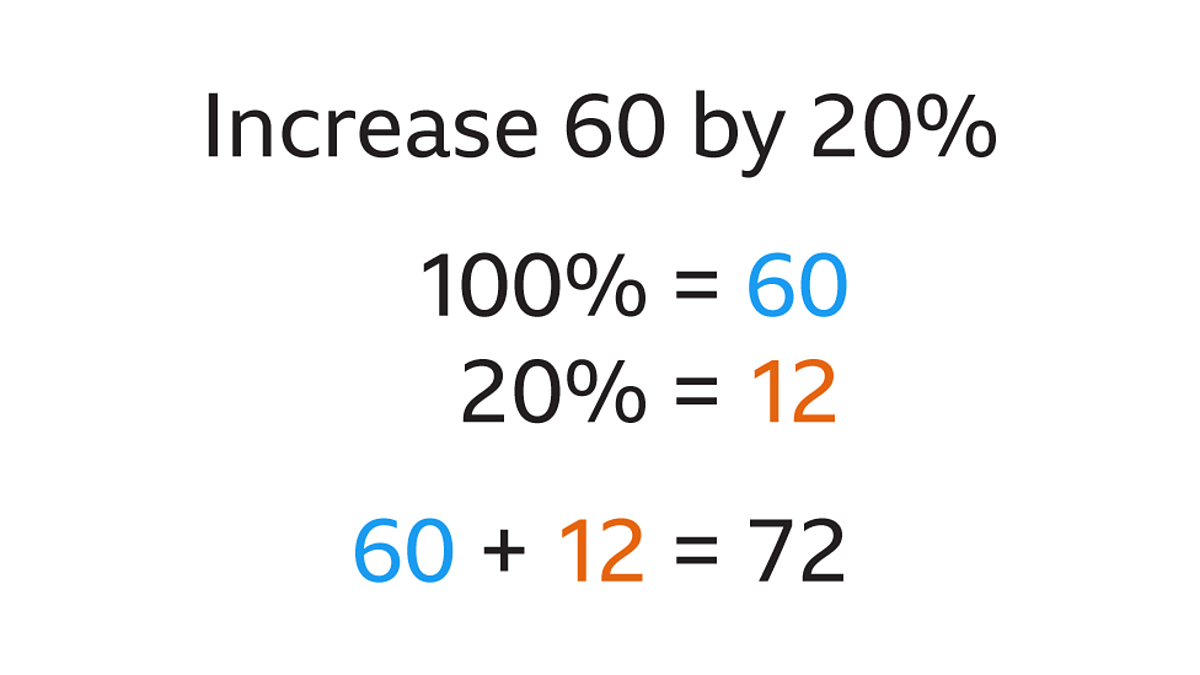
Compounding Effect: If a price increases by 10% in year one and then by another 10% in year two, the total increase isn’t 20%. It’s 10% of the original, plus 10% of the new price after the first increase.
-
Example: Initial Price = $100
-
Year 1: $100 * 1.10 = $110
-
Year 2: $110 * 1.10 = $121
-
Total Increase = ($121 – $100) / $100 = 0.21 or 21%.
This demonstrates the power of compound increases and is crucial for long-term planning.
-
Adjusting for Inflation: Real vs. Nominal Values
To truly understand economic growth or the change in value, it’s often necessary to separate the effect of general price increases (inflation) from actual changes in quantity or quality.
-
Consumer Price Index (CPI): This is a key economic indicator that measures the average change over time in the prices paid by urban consumers for a market basket of consumer goods and services. Governments and economists use the CPI to track inflation, which is essentially the percentage increase in the overall cost of living.
-
Deflating Values: To compare economic data from different years in “real” terms (adjusted for inflation), you can use inflation calculators or the CPI to adjust older prices to today’s equivalent, or vice-versa. This ensures you’re comparing apples to apples in terms of purchasing power.
Using Financial Tools and Spreadsheets for Automation
While manual calculation is excellent for understanding the concept, for frequent or complex calculations, leveraging technology is more efficient.
-
Spreadsheet Software (e.g., Excel, Google Sheets): These tools are invaluable. You can set up columns for original price, new price, and then use formulas to automatically calculate the percentage increase. This is particularly useful for tracking multiple items or large datasets.
- Example Formula in Excel:
=(B2-A2)/A2(where A2 is Original Price and B2 is New Price), then format the cell as a percentage.
- Example Formula in Excel:
-
Online Calculators: Numerous websites offer dedicated percentage increase calculators, simplifying the process for quick checks.
-
Financial Software: Many personal finance and business accounting software packages include features that automatically track and report on price changes and inflation-adjusted values.
Conclusion
The ability to calculate a price increase as a percentage is a foundational skill in the realm of money and finance. It transcends simple arithmetic, offering a lens through which to understand inflation’s impact on personal budgets, evaluate the true performance of investments, make strategic business decisions, and plan effectively for the future. By mastering this seemingly straightforward calculation, you gain a powerful tool for navigating the complexities of economic change, ensuring that you are always in control of your financial narrative, whether you’re managing household expenses or steering a multi-million-dollar enterprise. Embrace this knowledge, and empower your financial journey with clarity and confidence.
aViewFromTheCave is a participant in the Amazon Services LLC Associates Program, an affiliate advertising program designed to provide a means for sites to earn advertising fees by advertising and linking to Amazon.com. Amazon, the Amazon logo, AmazonSupply, and the AmazonSupply logo are trademarks of Amazon.com, Inc. or its affiliates. As an Amazon Associate we earn affiliate commissions from qualifying purchases.