
In the modern landscape of personal finance, travel loyalty programs have evolved from simple marketing gimmicks into sophisticated financial ecosystems. For many, American Airlines AAdvantage miles represent a secondary currency—one that, if managed correctly, offers a high return on investment (ROI) that rivals traditional cashback rewards. However, the answer to “how many miles for a free flight” is no longer found on a static award chart. Instead, it requires an understanding of dynamic pricing, valuation metrics, and strategic acquisition.
To maximize the value of your AAdvantage miles, you must view them through a financial lens, calculating the “cents per mile” (CPM) and understanding the market fluctuations that dictate the cost of your next journey.

The Dynamic Pricing Model: Understanding the Milestone Requirements
For years, the airline industry operated on a fixed-tier system. You knew exactly how many miles a domestic round-trip would cost. Today, American Airlines uses a dynamic pricing model. This means the number of miles required for a “free” flight fluctuates based on demand, seasonality, and route popularity.
Domestic Flights and the 7,500-Mile Floor
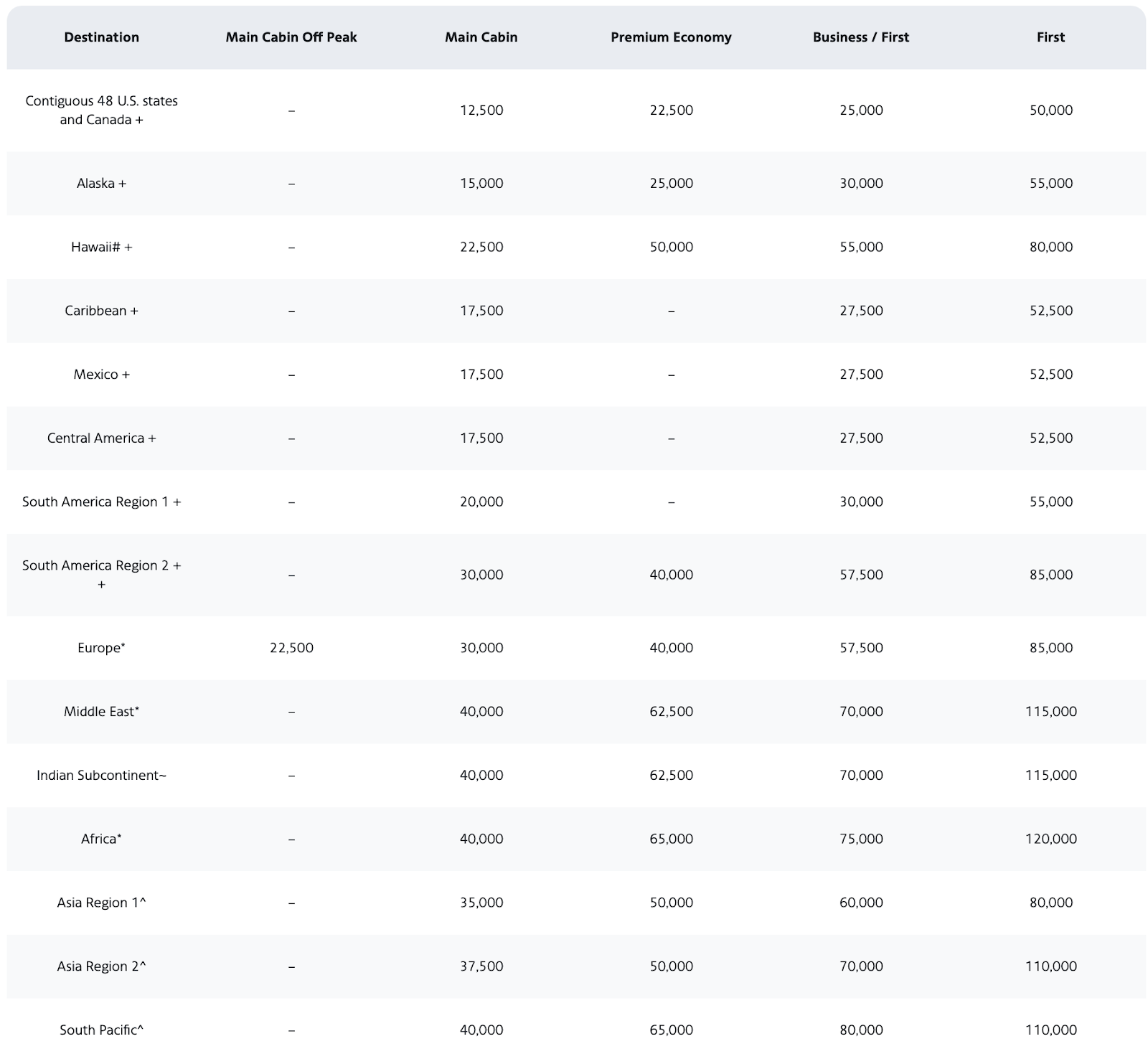
Under the current system, the baseline for a domestic one-way flight often starts as low as 7,500 miles plus $5.60 in taxes. These are frequently branded as “Web Specials.” For a standard round-trip within the contiguous United States, a traveler should budget between 15,000 and 30,000 miles for a Main Cabin seat.
If you are looking at short-haul flights—for example, New York to Boston or Los Angeles to San Francisco—you can often find redemption rates that offer exceptional value. However, during peak travel seasons like Thanksgiving or mid-summer, those same seats might skyrocket to 50,000 miles or more, at which point the financial logic of using miles begins to break down.
International Travel and High-Value Redemptions
When moving into international markets, the numbers shift significantly. A one-way flight to Europe or South America typically starts at 25,000 to 30,000 miles in Economy. For those seeking the “sweet spots” of the AAdvantage program, trans-Atlantic or trans-Pacific flights in Business or First Class represent the highest potential ROI. These premium cabin seats can range from 60,000 to over 150,000 miles one-way.
While the mile requirement is higher, the cash price of these tickets is often $5,000 or more, meaning your miles are working much harder for you in a premium cabin than they would be in coach.
Leveraging Financial Tools to Accumulate Miles
Accumulating the miles necessary for a free flight is rarely a matter of just flying. In fact, for the savvy financial planner, the vast majority of miles are earned on the ground through strategic spending and financial products.
The Role of Co-Branded Credit Cards
The most efficient way to bridge the gap between your current balance and a free flight is through co-branded credit cards. American Airlines partners with both Citi and Barclays to offer a suite of cards that provide massive “sign-up bonuses.” These bonuses often range from 50,000 to 75,000 miles after meeting a minimum spending requirement.
From a personal finance perspective, these bonuses are non-taxable rewards. If a 60,000-mile bonus can be redeemed for a $900 flight, that represents a significant “cash” return on the spending you were already going to do. However, the financial golden rule applies: these rewards only hold value if you pay your balance in full every month. The interest rates on travel cards are notoriously high, and carrying a balance will quickly negate any savings gained from the miles.
The AAdvantage Shopping Portal and SimplyMiles
To accelerate earnings without increasing debt, investors in the AAdvantage ecosystem utilize the AAdvantage eShopping portal. By clicking through this portal before making standard purchases at retailers like Apple, Home Depot, or Nike, you can earn between 1 and 20 miles per dollar spent.
When combined with SimplyMiles—a platform that allows you to link your Mastercard for additional bonuses—you can effectively “triple dip” on rewards: earning credit card points, portal miles, and SimplyMiles bonuses simultaneously. This reduces the “cost” of your free flight by lowering the amount of organic spending required to reach your goal.
Calculating ROI: The Cents Per Mile (CPM) Analysis
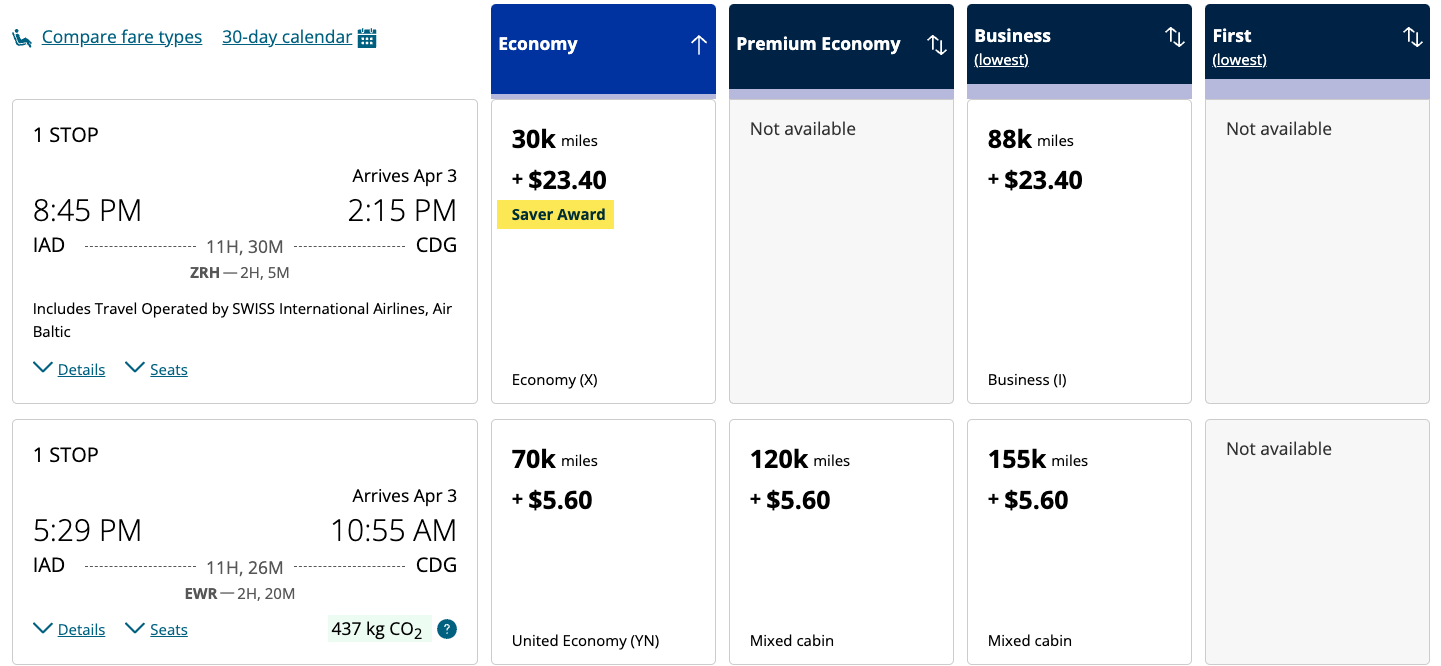
In finance, you never make an investment without calculating the expected return. The same logic should apply to your miles. Before you click “book,” you must perform a CPM analysis to determine if you are getting a good deal.
The Formula for Valuation
The formula is simple:
(Cash Price of Ticket – Taxes and Fees) / Number of Miles Required = Value Per Mile
For example, if a flight costs $400 cash or 30,000 miles (plus $5.60 in taxes), the calculation is:
($400 – $5.60) / 30,000 = $0.0131, or 1.31 cents per mile.
Most financial experts value AAdvantage miles at approximately 1.2 to 1.5 cents per mile. If your redemption yields a CPM higher than 1.5, it is a financially sound use of your assets. If it falls below 1.0, you are better off paying cash and saving your miles for a higher-value opportunity in the future.
When to Pay Cash vs. Using Miles
There are times when using miles is a poor financial decision. If American Airlines is running a fare war and a flight to London is only $450, using 60,000 miles would be an inefficient use of capital. Conversely, if you are booking a last-minute flight where the cash price has spiked to $800 but the award price remains at 12,500 miles, you are achieving a CPM of over 6 cents—an incredible return that effectively makes your miles worth four times their average value.
Protecting Your Travel Assets: Inflation and Devaluation
A common mistake in personal finance is hoarding assets that do not appreciate. Unlike a brokerage account or a piece of real estate, airline miles are a depreciating asset. They are subject to “devaluation,” which occurs when the airline increases the number of miles required for a flight without notice.
The “Earn and Burn” Strategy
Because American Airlines can change the “price” of a free flight at any time, the most successful strategy is “earn and burn.” You should accumulate miles with a specific trip in mind and book as soon as you reach that threshold. Keeping hundreds of thousands of miles in an account for a decade is a losing financial move, as the purchasing power of those miles will almost certainly decrease over time.
Diversification of Loyalty Currency
Just as you wouldn’t put 100% of your net worth into a single stock, you shouldn’t rely solely on one airline’s miles. While AAdvantage miles are valuable, they are locked into the American Airlines and Oneworld ecosystem. Supplementing these with “transferable points” from providers like Bilt Rewards (which transfers 1:1 to American) provides a layer of financial protection. This allows you to move your “capital” to whichever program offers the best redemption rate at the moment of purchase.
Maximizing Value Through Partner Airlines
The true “pro” move in the AAdvantage financial playbook involves using your miles for flights on partner airlines within the Oneworld Alliance. Often, you can find better value and luxury by booking through American’s portal for travel on Qatar Airways, British Airways, or Japan Airlines.
The Business Class Arbitrage
One of the most famous uses of AAdvantage miles is booking Qatar Airways’ Qsuite—widely considered the best business class in the world. While a cash ticket might cost $7,000, it can often be booked for 70,000 American miles. This results in a staggering 10 cents per mile valuation. This is the ultimate goal of the travel-focused investor: using a relatively small amount of earned “currency” to unlock a luxury experience that would otherwise be a poor use of cash.
Navigating Surcharges
From a budgetary perspective, be wary of British Airways redemptions. While the mile requirement might be low, they often pass on “carrier-imposed surcharges” that can exceed $700 for a “free” flight. Always check the cash outflow required alongside the miles to ensure the “free” flight doesn’t end up costing as much as an economy ticket on another carrier.
Conclusion: Strategic Award Booking as a Financial Discipline
Determining how many miles you need for a free flight on American Airlines is the first step in a broader financial discipline. By understanding the floor of 7,500 miles for domestic travel and the high-ceiling opportunities for international business class, you can set clear savings goals.
Treat your miles as a legitimate part of your financial portfolio. Monitor their value, understand the conversion rates, and use tools like credit card bonuses and shopping portals to acquire them at a discount. When it comes time to redeem, let the math guide your decision. By prioritizing high CPM redemptions and avoiding the trap of hoarding a depreciating asset, you transform loyalty miles into a powerful tool for global mobility and personal wealth management.
aViewFromTheCave is a participant in the Amazon Services LLC Associates Program, an affiliate advertising program designed to provide a means for sites to earn advertising fees by advertising and linking to Amazon.com. Amazon, the Amazon logo, AmazonSupply, and the AmazonSupply logo are trademarks of Amazon.com, Inc. or its affiliates. As an Amazon Associate we earn affiliate commissions from qualifying purchases.