
Understanding how your pay is calculated is a fundamental aspect of personal finance, empowering you to manage your budget, plan for the future, and ensure you’re receiving the compensation you deserve. Far too often, employees glance at their net pay without truly grasping the journey their gross earnings take before landing in their bank account. This guide will demystify the process, breaking down the components of your paycheck and offering insights into the various factors that influence your take-home income. By the end, you’ll not only know how to calculate your pay but also appreciate the intricate financial ecosystem that underpins your livelihood.

The Foundation: Gross Pay vs. Net Pay
The first step in calculating your pay is to understand the crucial distinction between gross pay and net pay. These two terms represent different stages of your earnings and are pivotal to grasping your overall financial picture.
Demystifying Gross Pay: What It Is and How It’s Determined
Gross pay is the total amount of money you earn before any deductions are taken out. It represents the full value of your labor for a given pay period. For most individuals, calculating gross pay involves a straightforward multiplication based on their compensation structure.
- For hourly employees: Your gross pay is typically calculated by multiplying your hourly rate by the total number of hours you worked during the pay period. For instance, if you earn $25 per hour and worked 80 hours in a two-week pay period, your gross pay would be $25 * 80 = $2,000.
- For salaried employees: Gross pay is usually a fixed amount for each pay period, derived from your annual salary. If your annual salary is $60,000 and you are paid bi-weekly (26 pay periods a year), your gross pay per period would be $60,000 / 26 = approximately $2,307.69.
- For commissioned employees: Gross pay can be more variable, consisting of a base salary plus a percentage of sales or revenue generated. Some commission-based roles might be entirely dependent on sales, meaning their gross pay fluctuates significantly.
- Other income components: Gross pay can also include bonuses, overtime pay, tips, holiday pay, shift differentials, and certain taxable benefits. It’s the sum of all these earnings before any subtractions.
Understanding your gross pay is crucial because it’s the figure used for negotiating salaries, applying for loans, and determining eligibility for various financial products. It reflects the full economic value you bring to your employer.
Unveiling Net Pay: Your Take-Home Income
Net pay, often referred to as “take-home pay,” is the amount of money you actually receive after all applicable deductions have been subtracted from your gross pay. This is the money that lands in your bank account or is issued to you as a physical check. While gross pay represents your total earnings, net pay is the practical figure you work with for your daily expenses, savings, and investments. The journey from gross to net pay involves a series of mandatory and voluntary deductions, each serving a specific financial purpose.
Decoding Deductions: What Shrinks Your Paycheck?
The difference between your gross and net pay is accounted for by a range of deductions. These can be broadly categorized into mandatory deductions, which are legally required, and voluntary deductions, which you choose to authorize for various benefits and savings.
Mandatory Deductions: Taxes (Federal, State, Local, FICA)
These are non-negotiable subtractions from your paycheck, required by various government entities.
- Federal Income Tax: This is a tax levied by the U.S. government on your earnings. The amount withheld depends on your income level, filing status (e.g., single, married), and the number of allowances you claim on your W-4 form. The progressive tax system means higher earners pay a larger percentage of their income in taxes.
- State Income Tax: Most states also impose an income tax, which varies significantly in rates and rules from state to state. A few states (e.g., Florida, Texas, Washington) do not have state income tax.
- Local Income Tax: Some cities or counties also levy their own income taxes. These are less common but can add another layer of deduction.
- FICA Taxes (Social Security and Medicare): The Federal Insurance Contributions Act (FICA) mandates contributions to Social Security and Medicare.
- Social Security: This portion funds retirement, disability, and survivor benefits. In 2024, the employee contribution rate is 6.2% of your gross earnings, up to an annual income limit (the “wage base limit,” which changes annually).
- Medicare: This portion funds healthcare for the elderly and disabled. The employee contribution rate is 1.45% of all your gross earnings, with no income limit. For higher earners, an additional Medicare tax (0.9%) applies to earnings above a certain threshold.
Voluntary Deductions: Benefits, Retirement, and More
Beyond mandatory taxes, many employees opt for voluntary deductions, which typically fund benefits or savings plans. These deductions are chosen by you and can significantly impact your net pay but offer substantial long-term value.
- Health Insurance Premiums: If you receive health insurance through your employer, your share of the premium is often deducted directly from your paycheck. This can include medical, dental, and vision insurance.
- Retirement Contributions: Many employers offer retirement plans like 401(k)s (for private sector) or 403(b)s (for non-profits and public schools). Contributions to these plans are usually pre-tax, meaning they reduce your taxable income for the current year, offering a significant tax advantage.
- Life Insurance and Disability Insurance: Premiums for supplemental life insurance or long-term/short-term disability coverage are often deducted voluntarily.
- Flexible Spending Accounts (FSAs) and Health Savings Accounts (HSAs): These accounts allow you to set aside pre-tax money for eligible healthcare or dependent care expenses, providing tax savings.
- Union Dues: If you are part of a union, your membership dues are typically deducted from your pay.
- Loan Repayments: Some employers facilitate payroll deductions for things like company loan repayments or even charitable donations.
Each of these deductions, whether mandatory or voluntary, plays a role in reducing your gross pay to your net pay. While they shrink your take-home amount, many voluntary deductions contribute to your financial security and well-being in the long run.
Navigating Different Pay Structures
The way your pay is structured fundamentally influences how your gross pay is calculated before deductions even begin. Understanding these structures is key to accurately predicting and calculating your earnings.
Hourly Wages: Tracking Time for Your Earnings
Hourly wages are perhaps the most common and straightforward pay structure, particularly for entry-level, service, and many blue-collar positions. Your gross pay is directly proportional to the time you spend working.
- Base Hourly Rate: This is the standard rate you are paid for each hour worked.
- Calculating Regular Hours: For a typical 40-hour workweek, your gross pay for regular hours is simply your hourly rate multiplied by the number of regular hours.
- Overtime: In the U.S., the Fair Labor Standards Act (FLSA) generally mandates that non-exempt employees receive “time and a half” (1.5 times their regular hourly rate) for any hours worked over 40 in a workweek. Some states may have stricter rules.
- Tracking Time: Accurate timekeeping is crucial for hourly employees. Employers use time clocks, software, or manual timesheets to track hours, which directly feed into payroll calculations. Any discrepancies in timekeeping can directly impact your gross pay.
Salaried Compensation: A Fixed Income Approach
Salaried employees receive a fixed amount of pay over a specific period, regardless of the exact number of hours worked, as long as they fulfill their job duties. This structure is common for professional, managerial, and administrative roles.
- Annual Salary: Your compensation is typically stated as an annual figure (e.g., $75,000 per year).
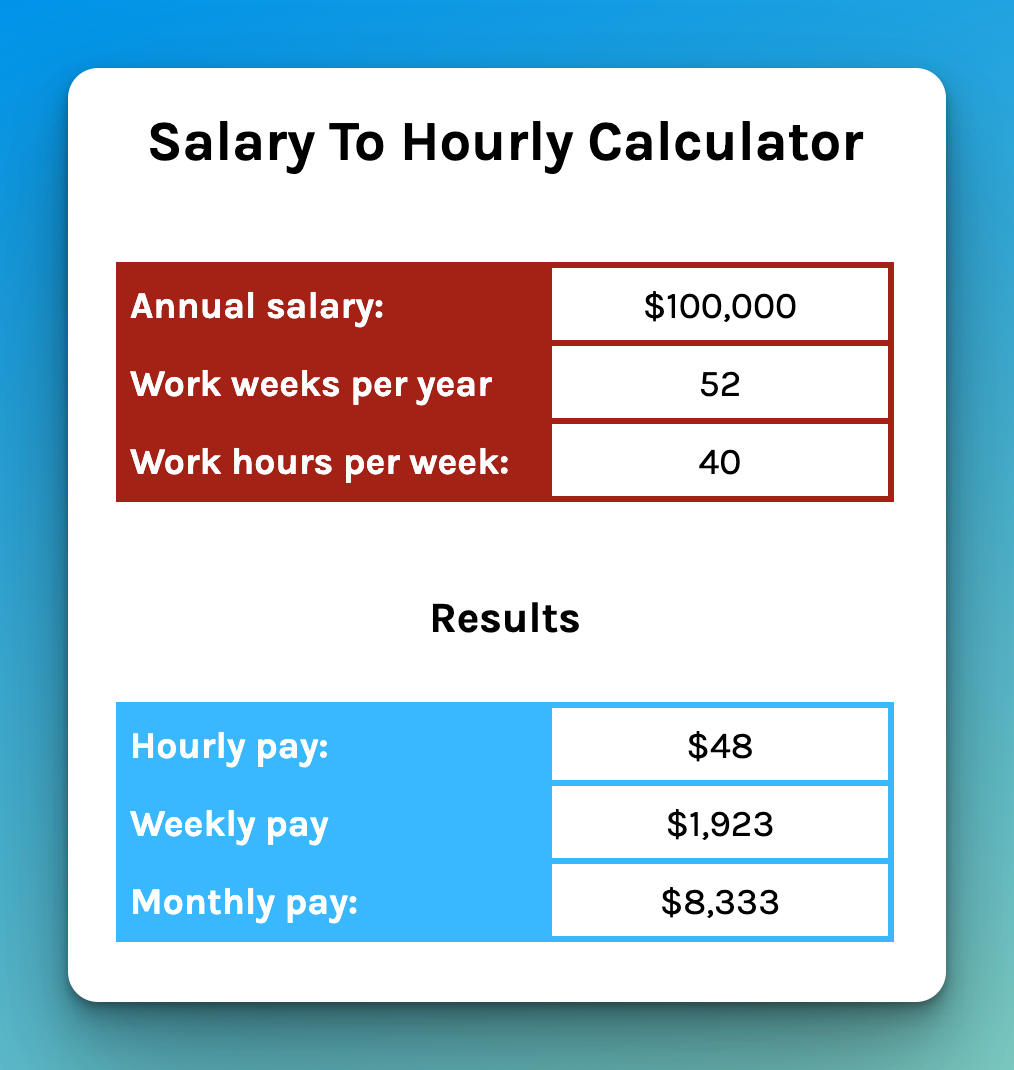
- Pay Period Conversion: This annual salary is then divided by the number of pay periods in a year to determine your gross pay per period. Common pay frequencies include:
- Weekly: Annual salary / 52
- Bi-weekly: Annual salary / 26
- Semi-monthly: Annual salary / 24
- Monthly: Annual salary / 12
- Exempt vs. Non-Exempt: Salaried employees can be either exempt or non-exempt from overtime pay rules. Exempt employees (often in executive, administrative, or professional roles meeting specific salary and duty tests) are not typically eligible for overtime. Non-exempt salaried employees, while paid a salary, are still eligible for overtime if they work more than 40 hours in a week. It’s crucial to understand your status.
Commission and Bonuses: Performance-Based Pay
For sales, business development, and some executive roles, a significant portion of pay can be tied to performance through commissions and bonuses.
- Commission: This is typically a percentage of sales revenue, profit, or a fixed amount per unit sold. Commission structures vary widely, from straight commission (no base salary) to base salary plus commission, or tiered commission rates that increase as sales targets are met.
- Bonuses: Bonuses are additional payments given for achieving specific goals, company performance, individual performance, or as a discretionary reward. They can be annual, quarterly, or tied to project completion.
- Taxation: Commissions and bonuses are taxable income. They are often subject to “supplemental wage” tax rules, which can result in different withholding rates than regular wages, though the ultimate tax liability is the same.
Overtime and Premium Pay: When Work Exceeds the Norm
Beyond standard hourly or salaried pay, certain circumstances can lead to additional earnings.
- Overtime Pay: As mentioned for hourly employees, this is typically 1.5 times the regular rate for hours over 40 in a workweek. It’s a critical component for many hourly workers’ earnings.
- Holiday Pay: Some companies offer premium pay (e.g., 1.5x or 2x regular rate) for working on holidays.
- Shift Differentials: Employees working undesirable shifts (e.g., night shifts, weekend shifts) may receive a slightly higher hourly rate as a “shift differential.”
- On-Call Pay: Certain professions may offer a flat rate or hourly rate for being “on-call,” even if no work is performed during that time.
Understanding your specific pay structure and any additional earning opportunities is fundamental to accurately calculating your potential gross income before deductions.
Practical Tools and Strategies for Accurate Pay Calculation
While understanding the theory is essential, practical tools and strategies can help you verify and accurately calculate your pay for each period.
Utilizing Online Paycheck Calculators
Many reputable websites offer free online paycheck calculators. These tools are invaluable for estimating your net pay.
- How They Work: You typically input your gross pay, pay frequency, filing status, number of allowances (or W-4 adjustments), and any pre-tax or post-tax deductions (like 401k contributions or health insurance premiums).
- Accuracy: While generally reliable for estimates, their accuracy depends on up-to-date tax laws and the information you provide. They are excellent for planning but always cross-reference with your actual pay stub.
- Where to Find Them: Reputable payroll providers (like ADP, Paychex), financial planning sites, and government tax websites often host these calculators.
Understanding Your Pay Stub
Your pay stub (or earnings statement) is the definitive record of your pay calculation. It provides a detailed breakdown of your gross pay, all deductions, and your resulting net pay.
- Key Information: Look for:
- Gross Pay: Your total earnings before deductions.
- Regular Pay, Overtime Pay, Bonus Pay: Itemized sources of your gross income.
- Pre-Tax Deductions: Items like 401(k) contributions, health insurance premiums, FSA/HSA contributions that reduce your taxable income.
- Taxes Withheld: Federal, state, local, Social Security, and Medicare taxes, clearly itemized.
- Post-Tax Deductions: Items like Roth 401(k) contributions, union dues, or garnishments that are taken out after taxes.
- Net Pay: Your take-home amount.
- Year-to-Date (YTD) Totals: Important for tracking your earnings and deductions over the year, useful for tax planning.
- Review Regularly: Always review your pay stub thoroughly to ensure the hours worked are correct, the hourly rate or salary is accurate, and all deductions are as expected. Discrepancies can occur and should be addressed promptly with your HR or payroll department.
When to Seek Professional Guidance
While self-calculation is beneficial, certain situations warrant professional financial or tax advice.
- Complex Compensation Structures: If you have a highly variable income with significant commissions, bonuses, stock options, or multiple income streams, a financial planner or tax advisor can help you understand the tax implications and optimize your earnings.
- Significant Life Changes: Events like marriage, divorce, birth of a child, or buying a home can impact your tax situation and how much should be withheld. A tax professional can help you adjust your W-4 accordingly.
- Starting a Business or Freelancing: As a self-employed individual, you are responsible for calculating and paying self-employment taxes (both employer and employee portions of FICA) and estimated income taxes. A CPA is invaluable here.
- Discrepancies You Can’t Resolve: If you consistently find errors on your pay stub or have unresolved questions about your pay, an expert can provide guidance on how to proceed.
Why Understanding Your Pay Matters
Beyond the mere act of calculation, a deep understanding of your pay has profound implications for your overall financial health and career trajectory.
Budgeting and Financial Planning
Your net pay is the cornerstone of your personal budget. Knowing precisely how much money you have available after all deductions allows you to create a realistic budget, allocate funds for expenses, savings, and debt repayment. Without this clarity, budgeting becomes an exercise in guesswork, making it difficult to achieve financial goals like saving for a down payment, retirement, or a major purchase. Understanding your gross pay is equally important for determining how much you can save or invest, especially in pre-tax retirement accounts, as it influences your potential tax savings.
Negotiating Salaries and Raises
When it comes to career advancement and compensation discussions, understanding your pay structure is a powerful negotiating tool. Knowing your current gross pay, the value of your benefits (which are often pre-tax deductions), and the impact of taxes helps you evaluate new job offers or negotiate raises more effectively. You can quantify the value of a higher salary or better benefits, allowing you to make informed decisions that align with your financial goals rather than simply focusing on the headline gross salary figure. It also enables you to project how a new offer’s net pay might compare to your current situation, providing a more accurate picture of your take-home increase.

Identifying Discrepancies and Ensuring Accuracy
Regularly calculating your pay and cross-referencing it with your pay stubs empowers you to act as your own financial auditor. Payroll errors, while sometimes unintentional, can occur. These might include incorrect hours, miscalculated overtime, incorrect deductions for benefits, or outdated tax withholding information. By understanding how your pay should be calculated, you can quickly spot these discrepancies, bring them to your employer’s attention, and ensure you are being paid accurately and on time. This vigilance protects your earnings and prevents potential financial setbacks.
In conclusion, “how to calculate pay” is far more than a simple arithmetic exercise; it’s an essential financial literacy skill. By diligently understanding the journey from gross earnings to net take-home pay, decoding deductions, and utilizing available tools, you equip yourself with the knowledge to manage your finances more effectively, plan for a secure future, and confidently navigate your financial landscape.
aViewFromTheCave is a participant in the Amazon Services LLC Associates Program, an affiliate advertising program designed to provide a means for sites to earn advertising fees by advertising and linking to Amazon.com. Amazon, the Amazon logo, AmazonSupply, and the AmazonSupply logo are trademarks of Amazon.com, Inc. or its affiliates. As an Amazon Associate we earn affiliate commissions from qualifying purchases.