
Understanding your salary is more than just knowing your annual figure; it’s about grasping the intricate journey your earnings take from the gross amount offered by an employer to the net sum that lands in your bank account. In an increasingly complex financial landscape, deciphering your pay stub and knowing the true value of your compensation package is a fundamental pillar of personal financial literacy. This guide demystifies the process, equipping you with the knowledge to accurately calculate your salary and make informed financial decisions.
Decoding Your Gross Salary: The Foundation of Your Earnings
Your gross salary is the total amount an employer agrees to pay you before any deductions are made. It’s the headline figure often discussed during job interviews and contract negotiations. However, the path to reaching this figure can vary significantly based on your employment structure.

Base Pay: Hourly vs. Salaried Compensation
The most common starting point for gross salary calculation is your base pay. This can be structured in one of two primary ways:
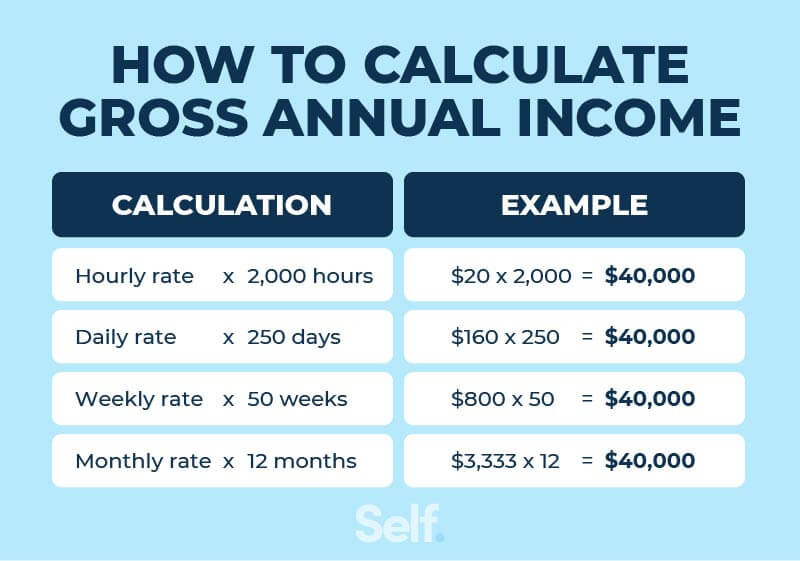
- Hourly Compensation: If you’re paid hourly, your base pay is calculated by multiplying your hourly rate by the number of hours you work in a given pay period. For instance, working 40 hours a week at $25 per hour would result in a gross weekly base pay of $1,000. It’s crucial to track your hours accurately, especially if they fluctuate.
- Salaried Compensation: For salaried employees, a fixed amount is paid regularly (e.g., bi-weekly, semi-monthly, or monthly), regardless of the exact hours worked in that pay period, as long as the duties are fulfilled. An annual salary of $60,000 paid semi-monthly would mean a gross payment of $2,500 every two weeks ($60,000 / 24 pay periods). While seemingly straightforward, understanding your annual equivalent is key for long-term planning.
Variable Income Components: Bonuses, Commissions, and Overtime
Beyond base pay, many roles include variable components that can significantly boost your gross earnings. These elements are often tied to performance, sales, or extended work hours.
- Bonuses: These are typically lump-sum payments awarded for achieving specific targets, overall company performance, or as a discretionary reward. Bonuses can be annual, quarterly, or project-based. They are added to your gross pay in the period they are received and are subject to the same taxes and deductions as your regular wages, sometimes at a higher withholding rate initially.
- Commissions: Common in sales roles, commissions are a percentage of the revenue generated from sales. Your commission structure might be a flat percentage, tiered (percentage increases with higher sales), or based on profit margins. Calculating commission involves applying the agreed-upon rate to your sales figures for the pay period.
- Overtime Pay: For hourly employees, working beyond standard hours (typically 40 hours per week in the U.S.) often qualifies for overtime pay, usually at 1.5 times your regular hourly rate (time and a half). Some industries or contracts might even offer double time. Calculating overtime requires precise tracking of your extra hours worked.
Total Gross Earnings: Beyond the Headline Number
Your total gross earnings for any given pay period is the sum of your base pay and any variable income components. This is the figure upon which all subsequent deductions are calculated. It’s important to understand this total, as it represents your maximum earning potential before obligations and benefits reduce it. While the focus is often on the base salary, a robust understanding of all potential gross income streams allows for better financial projections and budgeting.
Navigating Deductions: What Comes Out Before You Do
Once your gross salary is determined, the next critical step is to understand the various deductions that reduce this amount to your net, or take-home, pay. These deductions can be mandatory, voluntary, pre-tax, or post-tax, each impacting your final income differently.
Mandatory Pre-Tax Deductions: Taxes and FICA Contributions
These are non-negotiable deductions mandated by law, taken directly from your gross pay before income taxes are calculated, thus reducing your taxable income.
- Federal Income Tax: The amount withheld for federal income tax depends on your earnings, filing status (e.g., single, married filing jointly), and the allowances you claim on your W-4 form. The U.S. employs a progressive tax system, meaning different portions of your income are taxed at different rates.
- State Income Tax: Most states also levy an income tax, though some do not. Like federal tax, the amount depends on state-specific tax laws, your income, and your filing status.
- Local Income Tax: In certain cities or localities, an additional income tax may be withheld. This is less common than state or federal taxes but can be a significant deduction where applicable.
- FICA Contributions (Social Security and Medicare): The Federal Insurance Contributions Act (FICA) mandates contributions to Social Security and Medicare.
- Social Security: This provides benefits for retirees, the disabled, and survivors. It’s typically 6.2% of your gross earnings, up to an annual maximum earnings cap (which changes year to year).
- Medicare: This funds health insurance for those aged 65 or older and certain younger people with disabilities. It’s 1.45% of all your gross earnings, with no income limit.
- Your employer also pays a matching amount for both Social Security and Medicare.
Voluntary Pre-Tax Deductions: Health, Retirement, and More
These deductions are elected by you and are taken out before federal, state, and sometimes local income taxes are calculated. They reduce your taxable income, which can lead to a lower overall tax burden.
- Health Insurance Premiums: If you receive health, dental, or vision insurance through your employer, your share of the premium is often deducted pre-tax. This can significantly reduce your take-home pay but provides valuable health coverage.
- Retirement Plan Contributions: Contributions to employer-sponsored retirement plans like 401(k)s, 403(b)s, or 457(b)s are typically made pre-tax. This allows your investment to grow tax-deferred until retirement, making them powerful tools for long-term wealth building. The maximum contribution limits are set annually by the IRS.
- Health Savings Accounts (HSAs) and Flexible Spending Accounts (FSAs): These accounts allow you to set aside pre-tax money for qualified medical expenses. HSAs are available with high-deductible health plans and offer a triple tax advantage (contributions are tax-deductible, growth is tax-free, and withdrawals for qualified expenses are tax-free). FSAs are “use-it-or-lose-it” accounts, but both reduce your taxable income.
- Commuter Benefits: Some employers offer pre-tax deductions for public transit or qualified parking expenses, reducing the cost of your commute.
Post-Tax Deductions: Specific Allocations and Garnishments
These deductions are taken after all pre-tax deductions and income taxes have been calculated and withheld. They do not reduce your taxable income.
- Roth 401(k) Contributions: While standard 401(k) contributions are pre-tax, Roth 401(k) contributions are made with after-tax dollars. The benefit is that qualified withdrawals in retirement are entirely tax-free.
- Loan Repayments: If you’ve taken out a loan from your 401(k) or a similar plan, the repayments are typically deducted post-tax from your paycheck.
- Garnishments: In some legal circumstances, a portion of your wages may be legally required to be withheld to satisfy a debt, such as child support, spousal support, or unpaid taxes. These are mandated by court order or government agency and are taken post-tax.
- Union Dues: If you are part of a labor union, your membership dues may be deducted post-tax from your paycheck.
- Charitable Contributions: Some employers facilitate post-tax charitable contributions directly from your paycheck.
Calculating Your Net Pay: Your True Take-Home Income
After navigating the array of deductions, you arrive at the most crucial figure for your day-to-day finances: your net pay, often referred to as your take-home pay. This is the actual amount of money you receive in your bank account or as a physical check.
The Net Pay Formula: Gross Minus All Deductions
The calculation for net pay is straightforward in concept:
Gross Pay – (Mandatory Pre-Tax Deductions + Voluntary Pre-Tax Deductions + Taxes + Post-Tax Deductions) = Net Pay
Let’s illustrate with a simplified example:
- Gross Bi-Weekly Pay: $2,500
- Pre-Tax Deductions:
- Health Insurance: $150
- 401(k): $200
- Adjusted Gross for Tax Calculation: $2,500 – ($150 + $200) = $2,150
- Estimated Taxes (calculated on $2,150):
- Federal Income Tax: $215
- State Income Tax: $86
- Social Security: $155 (6.2% of $2,500)
- Medicare: $36 (1.45% of $2,500)
- Post-Tax Deductions:
- Roth 401(k): $50
- Total Deductions: ($150 + $200) + ($215 + $86 + $155 + $36) + $50 = $892
- Net Pay: $2,500 – $892 = $1,608
This example highlights how quickly the gross amount can shrink once all obligations and benefits are accounted for.
Understanding Your Pay Stub: A Window into Your Finances
Your pay stub is more than just a receipt; it’s a detailed financial statement of your earnings and deductions. Employers are legally required to provide this information. Each line item on your pay stub holds a story about how your gross pay transforms into your net pay. Familiarize yourself with:
- Earnings Section: Breaks down your gross pay by category (regular hours, overtime, bonuses, etc.).
- Pre-Tax Deductions Section: Lists contributions to health plans, retirement accounts, etc., that reduce your taxable income.
- Taxes Section: Shows the amounts withheld for federal, state, and local income taxes, as well as FICA contributions.
- Post-Tax Deductions Section: Details deductions taken after taxes, such as Roth contributions, loan repayments, or union dues.
- Year-to-Date (YTD) Totals: Crucially, most pay stubs also show year-to-date totals for earnings and deductions, which are vital for tracking your annual income and contributions.
Regularly reviewing your pay stub helps you verify accuracy, identify potential errors, and understand your contributions towards benefits and retirement.
Importance for Budgeting and Financial Planning
Understanding your net pay is paramount for effective personal financial management. Budgeting should always be based on your net income, as this is the real money you have available for living expenses, savings, and discretionary spending. Without a clear picture of your net pay, any budget created would be unrealistic and unsustainable. Moreover, monitoring your net pay helps you:
- Track spending: Ensure you’re living within your means.
- Set realistic savings goals: Allocate funds for emergencies, down payments, or other financial milestones.
- Plan for major purchases: Understand how much disposable income you genuinely have.
- Identify discrepancies: Catch payroll errors that could impact your financial stability.
Factors Influencing Your Salary Calculation and Overall Compensation
While direct calculations focus on gross and net pay, several external factors and the broader context of your compensation package significantly influence your overall financial well-being.
Geographic Location and Cost of Living Adjustments
Where you live has a profound impact on what constitutes a competitive salary and how far your earnings will stretch. Salaries are often adjusted based on the local cost of living. A $70,000 salary in a low-cost-of-living area might offer a higher quality of life than the same salary in a major metropolitan area with exorbitant housing and everyday expenses.
- Cost of Living Indexes: Resources like the Cost of Living Index can help you compare the purchasing power of your salary across different cities or regions.
- Location-Based Pay Scales: Many companies have different pay scales for the same role depending on the employee’s geographic location.
When evaluating a job offer or considering relocation, it’s essential to look beyond the nominal salary figure and consider its real value in that specific economic environment.
Industry Standards, Role, and Experience Level
Your salary is not just a reflection of your individual worth but also of the prevailing market rates for your skills, industry, and experience.
- Industry Standards: Different industries have varying pay scales due to supply and demand for talent, industry profitability, and regulatory environments. For example, tech and finance often command higher salaries than non-profit sectors for comparable roles.
- Role and Responsibilities: The complexity, scope of responsibility, and strategic importance of your role directly influence your salary. A manager will typically earn more than an individual contributor with similar technical skills.
- Experience Level: Entry-level positions naturally pay less than mid-career or senior roles. Each year of relevant experience, especially coupled with demonstrated achievement, can increase your earning potential significantly.
- Skills and Certifications: Specialized skills (e.g., coding languages, data analytics, project management) and relevant professional certifications can differentiate you and justify a higher salary.
Researching salary benchmarks for your specific industry, role, and experience level using tools like Glassdoor, LinkedIn Salaries, or the Bureau of Labor Statistics is crucial for negotiation and career planning.
The Value of Employee Benefits: Beyond Cash Compensation
A significant part of your overall compensation package extends beyond your direct salary. Employee benefits, while not directly increasing your take-home pay, represent considerable financial value and savings. Neglecting to factor these in provides an incomplete picture of your total compensation.
- Health, Dental, and Vision Insurance: Employer-sponsored plans can save you thousands of dollars annually in premiums and out-of-pocket medical costs compared to purchasing individual plans.
- Paid Time Off (PTO): Vacation days, sick leave, and holidays represent paid time away from work, effectively increasing your per-hour earning value.
- Retirement Plan Contributions: Beyond your own contributions, many employers offer matching contributions to 401(k)s or other retirement plans. This “free money” is a powerful tool for building wealth and should be considered a direct part of your compensation.
- Life and Disability Insurance: Employer-provided policies offer financial protection for you and your dependents.
- Professional Development: Tuition reimbursement, training programs, and conference attendance enhance your skills and career prospects without direct cost to you.
- Other Perks: This can include flexible work arrangements, remote work stipends, parental leave, wellness programs, gym memberships, discounted services, or stock options/RSUs (Restricted Stock Units) for publicly traded companies.
When evaluating a job offer, always request a comprehensive benefits package overview. Sometimes, a lower base salary combined with excellent benefits can offer a better overall financial outcome than a higher salary with minimal benefits.
Tools and Strategies for Effective Salary Management
Armed with a deeper understanding of salary calculation, the next step is to leverage this knowledge proactively for better financial management and career advancement.
Utilizing Online Paycheck Calculators and Payroll Software
Several online tools can help you estimate your net pay based on your gross salary, location, and deductions. Websites from major payroll providers, tax preparation services, or even government agencies often feature these calculators.
- How they help: These calculators can provide a quick estimate of your take-home pay, helping you budget or understand the impact of different deductions (e.g., how much your net pay changes if you increase your 401(k) contributions).
- Limitations: While useful, these calculators are estimates. Your actual deductions might vary slightly due to specific company policies, benefit enrollment dates, or the nuances of your tax situation.
For employers, robust payroll software streamlines the calculation process, ensuring accuracy and compliance with tax laws, which in turn ensures your paychecks are correct.
Regular Review and Verification of Your Paycheck
Making a habit of reviewing your pay stub every pay period is a simple yet effective financial practice.
- Check for Accuracy: Verify that your gross pay, hours worked (if hourly), and any bonuses or commissions are correct.
- Monitor Deductions: Ensure the correct amounts are being withheld for taxes, benefits, and retirement contributions. Mistakes can happen, and early detection can prevent financial headaches later.
- Track YTD Totals: Use the year-to-date figures to monitor your progress towards annual earning goals, tax planning, and contribution limits for retirement accounts.
- Identify Changes: Note any changes in your pay or deductions, and understand the reason for them. This is especially important after open enrollment periods for benefits or changes in tax laws.

Seeking Professional Financial Advice
For complex financial situations, such as managing significant bonuses, stock options, or multiple income streams, consulting a financial advisor can be invaluable.
- Tax Planning: A financial advisor or tax professional can help you optimize your deductions and contributions to minimize your tax liability.
- Retirement Planning: They can assist in strategizing your retirement savings, including maximizing employer match and understanding different retirement vehicle options.
- Investment Guidance: Advisors can help you make informed decisions about how to invest your net income to achieve long-term financial goals.
- Compensation Package Negotiation: An advisor can help you assess the total value of a compensation package, including benefits, and advise on negotiation strategies.
Understanding how your salary is calculated empowers you to take control of your financial future. By diligently tracking your earnings, understanding deductions, and valuing your entire compensation package, you transform from a passive recipient of a paycheck into an active manager of your personal wealth. This knowledge forms the bedrock of sound budgeting, strategic saving, and informed decision-making throughout your career.
aViewFromTheCave is a participant in the Amazon Services LLC Associates Program, an affiliate advertising program designed to provide a means for sites to earn advertising fees by advertising and linking to Amazon.com. Amazon, the Amazon logo, AmazonSupply, and the AmazonSupply logo are trademarks of Amazon.com, Inc. or its affiliates. As an Amazon Associate we earn affiliate commissions from qualifying purchases.