
In an era defined by fluctuating energy costs and a growing imperative for sustainability, transitioning to solar power has become an increasingly attractive financial proposition for homeowners and businesses alike. Beyond the environmental benefits, the decision to “go solar” is fundamentally a financial one, promising significant long-term savings, enhanced property value, and insulation from grid price volatility. However, the success of this investment hinges critically on one foundational step: accurately calculating how much solar power you actually need.
Underestimate your needs, and you risk not fully offsetting your electricity bills, leaving money on the table. Overestimate, and you could overinvest in a system larger than necessary, extending your payback period and reducing your overall return on investment (ROI). This guide will navigate you through the financial calculations and considerations required to size your solar system optimally, transforming a complex technical decision into a clear financial strategy. By meticulously analyzing your energy consumption patterns, understanding available financial incentives, and evaluating various financing options, you can ensure your solar investment delivers maximum financial benefit.
Understanding Your Energy Consumption: The Foundation of Financial Planning
Before you can even begin to contemplate solar panel specifications or inverter types, the first and most crucial step is to gain a granular understanding of your current energy usage. This isn’t just about kilowatts; it’s about identifying where your money is going and where potential savings can be realized.
Analyzing Your Utility Bills: Uncovering Spending Patterns
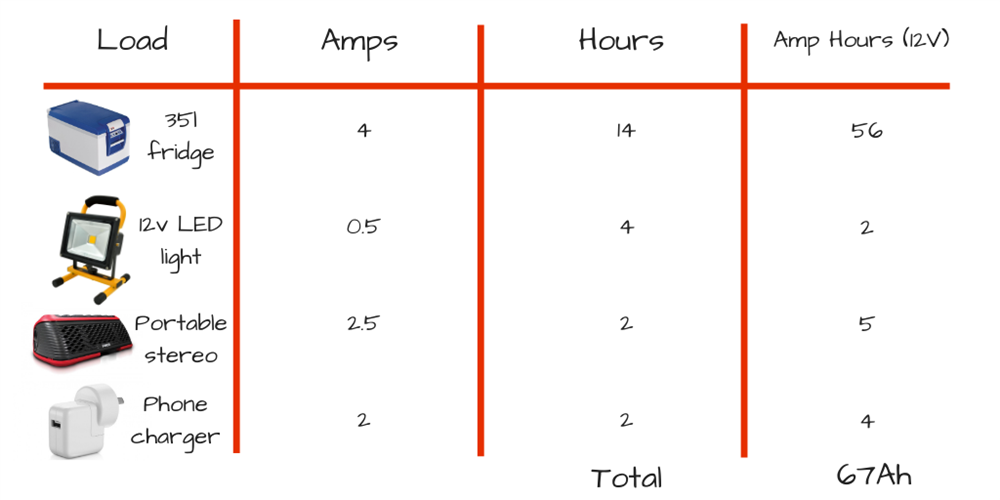
Your monthly utility bills are a treasure trove of financial data, providing a historical record of your energy consumption. Most utility providers detail your total electricity usage in kilowatt-hours (kWh) for each billing period, often breaking it down by daily averages or even hourly peaks.
-
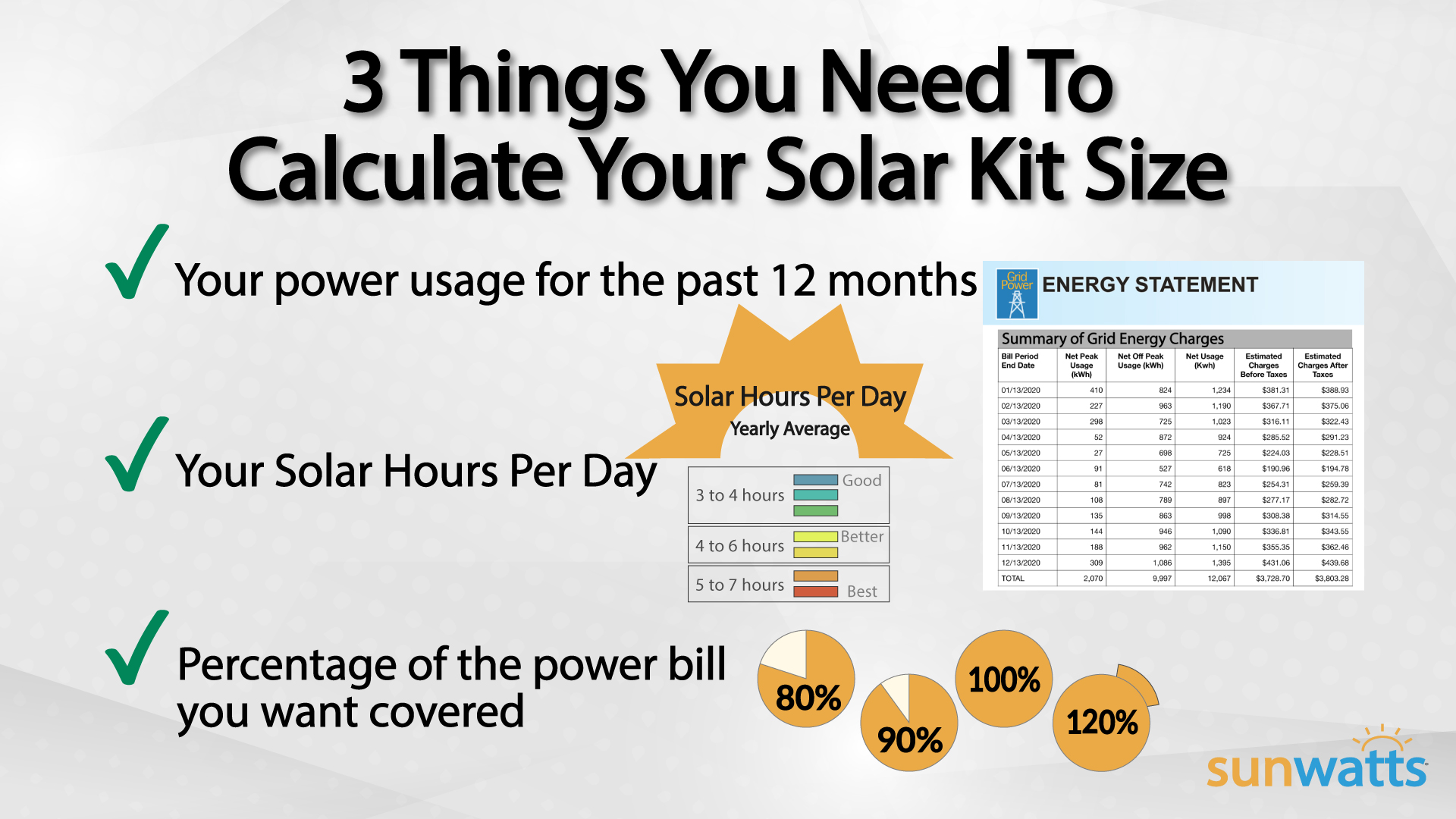
Gather 12-24 Months of Bills: To capture seasonal variations (e.g., higher AC usage in summer, heating in winter), aim to collect at least a year’s worth of bills. This period will give you a comprehensive average of your energy demands.
-
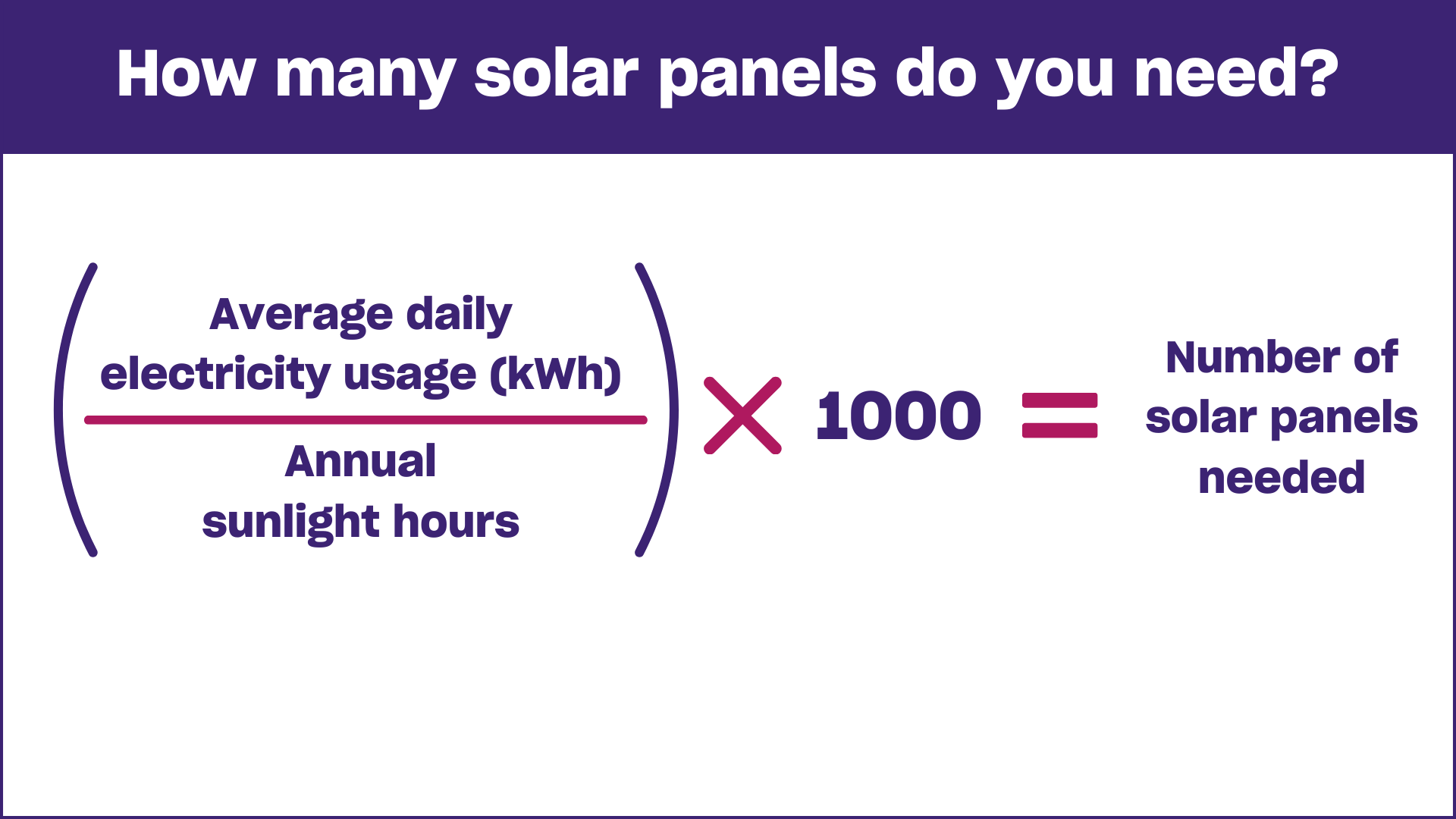
Identify Average Daily kWh Usage: Sum up the total kWh consumed over the 12-month period and divide by 365 (or the exact number of days in your billing cycles). This provides your average daily energy consumption, a critical baseline for solar sizing.
-
Look for Peak Demand Charges: Some commercial and even residential utility tariffs include “peak demand” charges, where you’re billed not just for total energy used, but for the highest instantaneous power draw during a period. While solar primarily offsets total kWh, understanding peak demand can inform strategies like battery storage, which can “shave” these peaks and lead to substantial financial savings.
-
Understand Time-of-Use (TOU) Rates: If your utility offers TOU rates, electricity costs vary based on the time of day. This means reducing consumption during expensive “on-peak” hours can lead to disproportionate financial savings. A solar system designed to generate more during these peak hours, or paired with a battery, becomes even more financially attractive.
Future-Proofing Your Energy Needs: Anticipating Financial Changes
A solar system is a long-term investment, typically lasting 25-30 years. Therefore, your calculation must look beyond current usage to anticipate future financial commitments and opportunities.
-
Planned Additions or Remodels: Are you considering an electric vehicle (EV), a hot tub, a home addition, or new energy-intensive appliances? Each of these will increase your future electricity demand and, consequently, the size (and initial investment) of the solar array needed to achieve full offset. Incorporating these future needs into your calculations from the outset avoids costly system expansions later.
-
Lifestyle Changes: Changes in household size, remote work arrangements, or retirement can significantly alter energy consumption patterns. A growing family might mean more laundry and appliance use, while retirement could mean more time spent at home, increasing daytime energy demand.
-
Electrification Trends: Many jurisdictions are promoting electrification of homes (e.g., replacing gas furnaces with electric heat pumps, gas stoves with induction cooktops). Planning for these shifts now can ensure your solar system remains adequate and cost-effective as you transition away from fossil fuels. From a financial perspective, oversizing slightly today to account for these future needs can be cheaper than adding panels later, due to economies of scale in initial installation.
Sizing Your Solar System for Optimal Financial Return
Once you have a clear picture of your energy consumption, the next step is to translate that data into a solar system size that maximizes your financial return. This involves balancing energy production with your specific needs and local conditions.
Calculating Your Peak and Average Daily Energy Usage
While your average daily kWh usage is a good starting point, a more precise calculation involves considering the specific requirements for offsetting your bills.
-
Target Offset Percentage: Do you aim to offset 100% of your electricity bill, or a smaller percentage? A 100% offset typically yields the greatest financial savings over the long term, assuming suitable conditions. However, sometimes a 70-90% offset can be more cost-effective if local incentives cap the system size or if grid connection fees make a full offset less financially beneficial.
-
Kilowatt-Peak (kWp) Rating: Solar panels are rated in watts (W) or kilowatts (kW), representing their maximum power output under ideal test conditions. To determine the total system size, you’ll sum the ratings of all panels. For example, a system with 20 panels, each rated at 400W, would be an 8,000W or 8 kW system.
-
Estimating Actual Production (kWh): This is where the magic happens. A solar professional will use software to estimate the annual kWh production of a system of a given size, factoring in your geographical location (sunlight hours), roof tilt, azimuth (direction), shading, and component efficiency. This estimated production needs to closely match your target annual consumption. A good rule of thumb in many sunny regions is that a 1 kW system can produce approximately 1,200 to 1,600 kWh per year, but this varies wildly.
Accounting for Sunlight Hours and System Efficiency: Maximizing ROI
The efficiency of your solar panels and the amount of usable sunlight your property receives are critical financial drivers.
-
Peak Sun Hours: This refers to the equivalent number of hours per day when solar irradiance averages 1,000 watts per square meter. A location with 5 peak sun hours can generate more electricity from the same sized panel than a location with 3 peak sun hours. This directly impacts the number of panels (and thus the initial investment) required to meet a specific energy demand.
-
System Losses: No solar system operates at 100% efficiency all the time. Factors like temperature, wiring losses, inverter efficiency, dust/dirt on panels, and minor shading all contribute to “system losses.” These can reduce theoretical output by 15-25%. A robust financial calculation must factor these losses in to provide a realistic production estimate.
-
Panel Degradation: Solar panels slowly lose efficiency over time, typically by 0.5% to 1% per year. While modern panels come with strong performance warranties (often guaranteeing 80-85% of original output after 25 years), this gradual decline should be considered in long-term financial projections, especially for systems designed to meet 100% of future needs.
The Role of Net Metering and Battery Storage in Financial Strategy
These two elements significantly impact the financial viability and overall design of your solar system.
-
Net Metering: This policy allows solar owners to send excess electricity generated back to the grid, receiving credits on their utility bill. These credits can then offset electricity drawn from the grid when your solar system isn’t producing enough (e.g., at night). Financially, net metering is paramount because it allows you to effectively “bank” your excess solar production, maximizing the value of every kWh generated without needing expensive battery storage for daily cycling. Understanding your local net metering policy (e.g., 1:1 credit, reduced credit, monthly vs. annual true-up) is crucial for calculating your ultimate financial savings.
-
Battery Storage: While a significant upfront investment, batteries can enhance financial returns in specific scenarios.
-
Time-of-Use (TOU) Arbitrage: In areas with high TOU rates, batteries can store solar energy generated during low-cost daytime hours and discharge it during expensive evening peak hours, saving considerable money.
-
Backup Power: For homeowners in areas prone to grid outages, batteries offer peace of mind and protection from financial losses due to spoiled food or disruption. While not a direct ROI, the value of resilience can be substantial.
-
Grid Services/Virtual Power Plants: In some markets, battery owners can participate in programs that allow their batteries to provide services to the grid, earning additional revenue.
-
Offsetting Grid Fees/Demand Charges: As mentioned, batteries can help reduce peak demand charges, directly impacting the bottom line.
The decision to include batteries should always be driven by a clear financial justification based on local utility rates, incentives, and your personal risk tolerance for outages.
-
Estimating Costs and Maximizing Financial Incentives
Calculating your solar power needs is only half the battle; understanding the financial investment required and how to mitigate it is the other.
Breaking Down Initial Investment: Panels, Inverters, Installation
The total cost of a solar system isn’t just the panels themselves. It’s a complex interplay of hardware, labor, and soft costs.
-
Equipment Costs: Panels (the largest component), inverters (which convert DC to AC electricity), racking, and wiring. The quality and brand of these components directly impact cost and long-term performance (and thus ROI).
-
Installation Labor: A significant portion of the cost, reflecting the expertise required for safe and efficient installation.
-
Permitting and Interconnection Fees: Local permits and utility fees for connecting to the grid.
-
Soft Costs: Sales, marketing, and administrative overhead of the installer.
-
System Monitoring: Many systems include monitoring hardware and software to track production, which is vital for verifying financial performance.
Navigating Tax Credits, Rebates, and Other Financial Programs
The financial landscape for solar is often sweetened by various government and local incentives designed to make solar more accessible and affordable. These can dramatically reduce your upfront investment and accelerate your payback period.
-
Federal Investment Tax Credit (ITC): Currently (as of early 2024), the ITC allows homeowners to deduct 30% of the cost of their solar system from their federal income taxes. This is a dollar-for-dollar reduction in tax liability and is one of the most significant financial incentives. Understanding its rules and how to claim it is crucial for maximizing your savings.
-
State and Local Rebates: Many states, counties, and even cities offer additional cash rebates or tax incentives for solar installations. These can vary widely, from per-watt rebates to grants or property tax exemptions.
-
Renewable Energy Credits (RECs) / Solar Renewable Energy Certificates (SRECs): In some markets, you can generate and sell RECs or SRECs for the renewable electricity your system produces. These credits represent the environmental attributes of solar power and can provide an ongoing revenue stream, adding to your financial return.
-
Property Tax Exemptions: Some areas exempt the added value of a solar system from property tax assessments, meaning you don’t pay more in taxes despite an increase in home value.
Thorough research into available incentives in your specific location is non-negotiable for an accurate financial calculation. An experienced solar installer can guide you through these programs.
Understanding Payback Period and Return on Investment (ROI)
These are the ultimate financial metrics for evaluating your solar investment.
-
Payback Period: This is the time it takes for the cumulative financial savings (from reduced electricity bills and incentives) to equal the initial cost of the solar system. A shorter payback period generally indicates a more financially attractive investment.
-
Return on Investment (ROI): This measures the profitability of your solar investment over its lifetime. It compares the total financial gain (savings + incentives + increased home value) to the initial cost. Solar systems often boast ROIs competitive with or exceeding traditional financial investments, especially when considering the avoided cost of escalating utility rates. Calculating ROI requires long-term projections of electricity price inflation and system performance.
Financing Your Solar Investment: Smart Money Choices
Once you’ve calculated your needs and estimated the costs and incentives, the final piece of the financial puzzle is how to pay for it.
Loans, Leases, and Power Purchase Agreements (PPAs): Which is Right for You?
Each financing option carries distinct financial implications and benefits.
-
Solar Loan (Ownership): This is typically a secured or unsecured loan to purchase the system outright. You own the system, qualify for all incentives (like the ITC), and benefit directly from all electricity savings and potential SREC income. This option usually offers the highest long-term ROI.
-
Solar Lease (No Ownership): You lease the system from a third party for a fixed monthly payment. The leasing company owns the system and claims the incentives. While your monthly electricity bill is often reduced, you don’t fully capitalize on all financial benefits of ownership. This is often suitable for those who cannot utilize the tax credit or prefer minimal upfront costs.
-
Power Purchase Agreement (PPA) (No Ownership): Similar to a lease, a third party owns and maintains the system on your property. Instead of a fixed monthly lease payment, you agree to purchase the electricity generated by the system at a fixed per-kWh rate, often lower than your utility’s rate. This also offers minimal upfront costs but limits your long-term financial upside compared to ownership.
The choice among these options should align with your financial goals, tax situation, and desire for ownership.
The Long-Term Financial Impact of Solar Ownership
Beyond the immediate savings, owning a solar system has several profound long-term financial advantages:
-
Fixed Energy Costs: You essentially lock in your electricity costs for decades, insulating yourself from future utility rate hikes. This predictability is a powerful financial hedge.
-
Increased Home Value: Studies consistently show that homes with owned solar systems sell for a premium and often sell faster than comparable non-solar homes. This added equity is a significant financial asset.
-
Energy Independence: Reducing reliance on the grid offers a sense of financial security and autonomy.
Beyond the Numbers: The Broader Financial and Environmental Impact
While the financial calculations are paramount, the decision to go solar also carries broader monetary and qualitative benefits.
Increasing Home Value and Reducing Energy Dependency
As noted, an owned solar system is an asset that appreciates your property’s value, making your home more attractive on the market. Furthermore, reducing your dependence on centralized utilities empowers you, shifting control of a major household expense into your hands. This financial independence can be a significant psychological and practical benefit.
Contributing to a Sustainable Financial Future
Investing in solar is not just about your personal finances; it’s also a contribution to a more sustainable energy grid and economy. By reducing your carbon footprint, you’re aligning your financial decisions with environmental responsibility, potentially attracting impact investors if you’re a business, or simply fostering a healthier future for generations to come. This societal benefit, while not directly calculable in dollars and cents for an individual, has an undeniable value.
Conclusion
Calculating how much solar power you need is the cornerstone of a successful and financially rewarding solar investment. It demands a meticulous analysis of your current and future energy consumption, a deep dive into local sunlight conditions and system efficiency, and a thorough understanding of the intricate web of costs and incentives. By approaching this decision with a strategic financial mindset, leveraging available tools and expert advice, you can precisely size a system that not only meets your energy demands but also maximizes your return on investment, secures your financial future against rising utility costs, and contributes to a more sustainable world. This isn’t just about saving money; it’s about making a smart, long-term financial decision for your property and your portfolio.
aViewFromTheCave is a participant in the Amazon Services LLC Associates Program, an affiliate advertising program designed to provide a means for sites to earn advertising fees by advertising and linking to Amazon.com. Amazon, the Amazon logo, AmazonSupply, and the AmazonSupply logo are trademarks of Amazon.com, Inc. or its affiliates. As an Amazon Associate we earn affiliate commissions from qualifying purchases.