
Understanding your annual income is more than just a number on a tax form; it’s the bedrock of sound personal finance. Whether you’re planning a budget, applying for a loan, setting financial goals, or simply striving for a clearer picture of your economic standing, an accurate calculation of your yearly earnings is indispensable. Many people have a general idea of their income, but a precise, comprehensive figure can reveal hidden opportunities, identify areas for improvement, and empower you to make more informed financial decisions.
This guide will demystify the process, breaking down the various income types, outlining a step-by-step approach to calculation, and highlighting why this figure is so critical to your financial well-being. By the end, you’ll have the tools and knowledge to confidently determine exactly how much you make a year, paving the way for greater financial clarity and control.

Understanding Different Income Types
The first step in calculating your total annual income is to recognize that not all income is created equal. Earnings can come from a multitude of sources, each requiring a slightly different approach to tracking and summation. A comprehensive annual income figure accounts for all these streams.
W-2 Income: Salaried and Hourly Employment
For most individuals, the primary source of income is from traditional employment, typically reported on a W-2 form.
-
Salaried Employees: If you receive a fixed salary, calculating your annual gross income is straightforward. It’s your base salary before any deductions for taxes, benefits, or retirement contributions. For example, if your annual salary is $60,000, that’s your gross W-2 income. If you’re paid bi-weekly, multiply your bi-weekly gross pay by 26; if semi-monthly, multiply by 24; if monthly, multiply by 12.
-
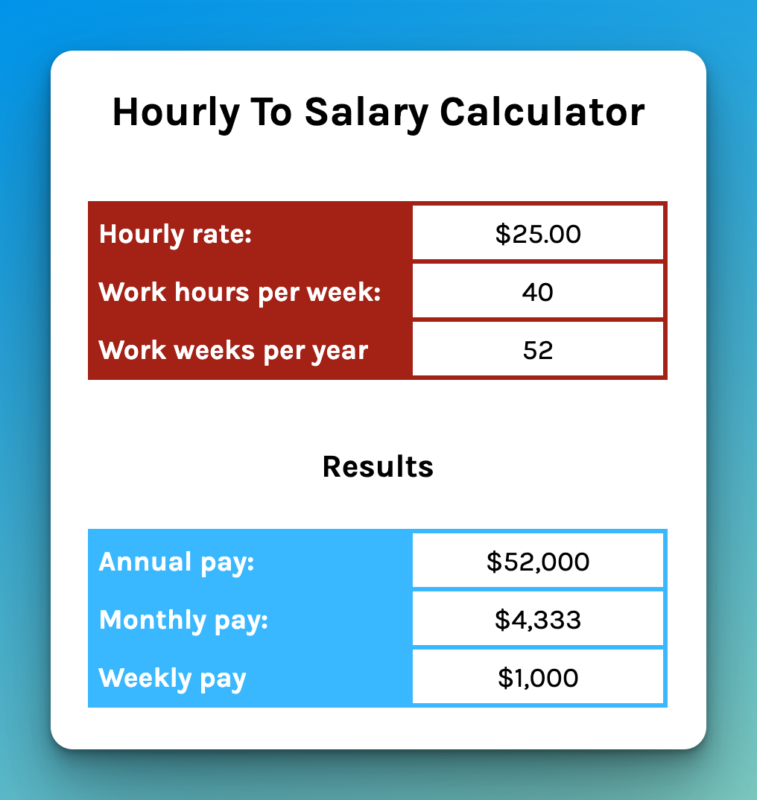
Hourly Employees: For hourly wages, you’ll need to multiply your hourly rate by the average number of hours you work per week, and then multiply that by 52 (weeks in a year). Account for any overtime pay, which is usually paid at a higher rate. For instance, if you earn $20/hour and work 40 hours a week, your base annual income is $20 * 40 * 52 = $41,600. Add any overtime earnings on top of this.
-
Bonuses and Commissions: Don’t forget to include any performance-based bonuses, commissions, or sales incentives you received throughout the year. These are part of your W-2 gross income and can significantly impact your annual total.
Self-Employment and Freelance Income (1099)
For independent contractors, freelancers, gig workers, and small business owners, income tracking is more dynamic. Your income is often reported on various 1099 forms (e.g., 1099-NEC for non-employee compensation, 1099-K for payment card transactions).
-
Gross Receipts: This is the total amount of money you’ve received from all clients or customers before deducting any business expenses.
-
Deductible Expenses: While not directly part of your gross annual income calculation, it’s crucial for self-employed individuals to track business expenses (e.g., office supplies, software, marketing, travel, home office deductions). These expenses reduce your net self-employment income, which is the figure subject to self-employment taxes and income tax. For the purpose of calculating how much you make, focus on your gross earnings initially, then understand the distinction for tax purposes.
-
Multiple Clients/Platforms: If you work for multiple clients or through various platforms (e.g., Uber, Etsy, Upwork), consolidate all income from these sources.
Investment Income
Your money can also make money. Investment income needs to be factored into your annual earnings, as it contributes to your overall financial picture.
-
Dividends: Payments from stocks or mutual funds are considered dividend income.
-
Interest: Earnings from savings accounts, CDs, bonds, or loans you’ve made.
-
Capital Gains: Profits from selling assets like stocks, real estate, or other investments for more than you paid for them. Short-term capital gains (assets held for a year or less) are taxed as ordinary income, while long-term gains (assets held for over a year) typically have preferential tax rates.
-
Rental Income: If you own property and lease it out, the gross rent you collect is income. Remember to track related expenses for tax purposes.
Other Income Sources
Don’t overlook less common or sporadic income streams:
-
Social Security Benefits: Retirement, disability, or survivor benefits.
-
Alimony Received: Payments from a former spouse (for divorce agreements finalized before 2019, generally taxable).
-
Gambling Winnings: Lottery, casino winnings, etc.
-
Unemployment Benefits: Payments received during periods of unemployment.
-
Pensions and Annuities: Regular payments from retirement plans.
-
Royalties: Income from intellectual property (books, music, patents).
The Step-by-Step Calculation Process
Once you’ve identified all potential income streams, the next step is to systematically gather the necessary information and perform the calculation.
1. Gather Your Financial Documents
Preparation is key to accuracy. Collect all relevant documents for the entire year you wish to calculate (typically January 1st to December 31st).
-
W-2 Forms: These are usually issued by employers by the end of January for the previous year. They clearly state your gross wages, tips, and other compensation.
-
1099 Forms: Independent contractors will receive various 1099 forms (e.g., 1099-NEC, 1099-K, 1099-INT, 1099-DIV, 1099-R for retirement distributions).
-
Pay Stubs: If you don’t have your W-2 yet, or if you want to track progress mid-year, your final pay stub of the year will often show year-to-date (YTD) gross income. Keep all pay stubs throughout the year.
-
Bank Statements: Reviewing your bank statements can help you identify direct deposits, transfers, or checks received from less formal income sources.
-
Investment Statements: Brokerage statements, mutual fund statements, and bank statements (for interest).
-
Receipts and Records for Self-Employment: While primarily for expenses, these can help verify your gross receipts from clients.
-
Records of Other Income: Any documentation for alimony, rental income, or other miscellaneous earnings.
2. Tally Gross Income from Each Source
Start with the largest and most consistent income streams and work your way down.
-
W-2 Income: Take the “Box 1: Wages, tips, other compensation” figure directly from your W-2 form. If you have multiple W-2s (e.g., changed jobs), add them together.
-
Self-Employment/Freelance Income: Sum all the amounts reported on your 1099-NECs and 1099-Ks. If you have cash payments or payments for which no 1099 was issued (e.g., under $600 from a single client), you must also include these. This total represents your gross self-employment income.
-
Investment Income: Add up all interest (1099-INT), dividends (1099-DIV), and realized capital gains (from your brokerage statements or 1099-B).
-
Other Income: Consolidate all other documented income streams.
3. Differentiate Gross vs. Net Income
It’s crucial to understand the difference between gross and net income, as “how much I make” can mean different things depending on context.
-
Gross Income: This is your total income before any deductions for taxes, insurance premiums, retirement contributions, or other withholdings. When calculating “how much I make a year” for overall financial planning, loan applications, or comparing your income with others, the gross figure is generally what’s referred to.
-
Net Income (Take-Home Pay): This is the amount of money you actually receive after all deductions. While important for budgeting your daily expenses, it’s not the figure typically used for overarching financial calculations like total annual income for tax purposes or assessing earning potential.
For self-employed individuals, there’s also a distinction between gross receipts and net business income (gross receipts minus business expenses). Your “taxable income” is derived from your net business income combined with other gross income streams, after further deductions. For the purpose of total earnings, focus on the gross figures from all sources.
4. Account for Irregular or Variable Income
If a significant portion of your income is irregular (e.g., sporadic freelance gigs, large annual bonuses, fluctuating commissions), ensure you’re tracking it diligently throughout the year rather than trying to recall it all at year-end. For example, if you rely on cash tips, keep a daily log. For project-based work, record each payment as it comes in. This minimizes the risk of undercounting.
Tools and Strategies for Accuracy
Maintaining accurate financial records is paramount for effective annual income calculation. Leveraging the right tools and adopting smart strategies can simplify this process significantly.
Utilize Spreadsheets or Financial Software
-
Spreadsheets (Excel, Google Sheets): A simple spreadsheet can be incredibly powerful. Create columns for “Date,” “Source,” “Description,” “Gross Amount,” and “Notes.” Sum the “Gross Amount” column at the end of the year. This allows for clear tracking and easy aggregation.
-
Personal Finance Software (Mint, YNAB, Quicken): These applications can link directly to your bank accounts, credit cards, and investment accounts, automatically categorizing transactions. While they are primarily designed for budgeting, they can provide detailed income reports, often showing your total income over various periods.
-
Accounting Software (QuickBooks, FreshBooks): If you’re self-employed or run a small business, dedicated accounting software is invaluable. It automates invoicing, tracks payments received, and generates comprehensive income reports (profit and loss statements), making the calculation of your gross self-employment income seamless.
Keep Meticulous Records
The adage “garbage in, garbage out” applies perfectly here. The accuracy of your annual income calculation directly depends on the quality of your records.
-
Digital Filing System: Scan and save all important financial documents (pay stubs, 1099s, W-2s, investment statements) in an organized digital folder.
-
Physical Filing System: For paper documents, maintain a dedicated folder for each tax year, categorized by income type.
-
Regular Reconciliation: Cross-reference your records with your bank statements monthly to ensure all income is accounted for and there are no discrepancies.
Review Pay Stubs and Bank Statements Regularly
Don’t wait until tax season to look at your income.
-
Monthly Pay Stub Review: Check your year-to-date (YTD) gross income on each pay stub. This helps you monitor your earnings throughout the year and catch any errors early.
-
Quarterly Bank Statement Review: For variable income or self-employment, a quarterly review of bank statements can help you identify and record all incoming funds.
-
Annual Verification: When you receive your W-2s and 1099s, compare them against your own records. This final check ensures everything aligns before you make your official calculation.
Consider Professional Assistance
If your financial situation is complex (e.g., multiple businesses, extensive investments, international income), or if you simply prefer expert guidance, a financial advisor or tax professional can be invaluable.
-
Tax Preparer/Accountant: They specialize in understanding all types of income, deductions, and tax implications. They can accurately compile your income figures and ensure you’re compliant with tax laws.
-
Financial Advisor: While their primary role is investment and financial planning, they can help you understand your overall financial picture, including how your annual income contributes to your long-term goals.
Why Your Annual Income Figure Matters
Beyond simply satisfying curiosity, a precise understanding of your annual income serves several critical financial functions. It’s not just a retrospective glance; it’s a forward-looking tool for financial empowerment.
Budgeting and Financial Planning
Your gross annual income is the starting point for creating a realistic and effective budget. Knowing your total earnings allows you to:
-
Allocate Funds: Determine how much you can comfortably spend on necessities, allocate for savings, and dedicate to discretionary spending.
-
Set Realistic Goals: Whether saving for a down payment, retirement, or a major purchase, your income dictates the feasibility and timeline of these goals.
-
Track Progress: By knowing your income, you can compare it against your expenses to ensure you’re living within your means and making financial progress.
Tax Preparation and Optimization
Your annual income directly determines your tax bracket and the amount of income tax you owe.
-
Accurate Filing: The IRS requires accurate reporting of all income. Miscalculating can lead to penalties or missed opportunities for deductions.
-
Tax Planning: Knowing your income allows you to strategically plan for taxes. Self-employed individuals, for example, can estimate their quarterly estimated tax payments more accurately, avoiding underpayment penalties. It also helps in identifying potential tax credits or deductions you qualify for.
Loan and Credit Applications
When you apply for a mortgage, car loan, personal loan, or even a credit card, lenders will almost always ask for your annual income.
-
Lending Decisions: Lenders use this figure to assess your ability to repay debt. A higher, stable income often translates to better interest rates and higher approval chances.
-
Debt-to-Income Ratio (DTI): Your income is a crucial component of your DTI, which is a key metric lenders use to evaluate risk. Keeping this ratio healthy is vital for accessing credit.
Setting Financial Goals and Tracking Progress
Your income is the engine that drives your financial journey.
-
Milestone Setting: Clearly defined income figures allow you to set specific, measurable, achievable, relevant, and time-bound (SMART) financial goals.
-
Performance Measurement: You can track year-over-year income growth, which is a powerful indicator of career progression, business success, or investment performance. This allows you to evaluate your strategies and make adjustments.
Negotiating Future Compensation
When it’s time for a performance review or considering a new job offer, having a clear understanding of your current total compensation (including all benefits and non-wage income) puts you in a stronger negotiating position. You can confidently articulate your worth and advocate for a salary that aligns with your market value and financial needs.

Conclusion
Calculating your annual income is far from a mere administrative task; it is a foundational pillar of effective personal finance. By meticulously identifying and summing every stream of income – from your W-2 wages and self-employment earnings to investment gains and miscellaneous revenues – you build a comprehensive financial picture. This clarity empowers you to budget wisely, plan for your financial future, navigate tax obligations with confidence, and make informed decisions about debt, savings, and investments.
Embrace the discipline of consistent record-keeping and utilize the tools available to you, whether a simple spreadsheet or sophisticated financial software. The effort invested in accurately determining “how much I make a year” will pay dividends in greater financial control, reduced stress, and the ability to confidently pursue your long-term economic aspirations. Take charge of your financial narrative today; the numbers tell a powerful story, and understanding them is the first step toward writing your own success story.
aViewFromTheCave is a participant in the Amazon Services LLC Associates Program, an affiliate advertising program designed to provide a means for sites to earn advertising fees by advertising and linking to Amazon.com. Amazon, the Amazon logo, AmazonSupply, and the AmazonSupply logo are trademarks of Amazon.com, Inc. or its affiliates. As an Amazon Associate we earn affiliate commissions from qualifying purchases.