
In the modern health and wellness landscape, the age-old practice of “counting calories” has undergone a profound digital transformation. No longer relegated to handwritten journals and cumbersome physical calorie-count booklets, the process of calculating energy intake and expenditure has become a sophisticated data-science endeavor. For tech enthusiasts and health-conscious professionals alike, the intersection of software, hardware, and biological algorithms offers a precise, data-driven path to weight management. Understanding how to calculate calories for weight loss today requires a deep dive into the technology that powers our personal health ecosystems.
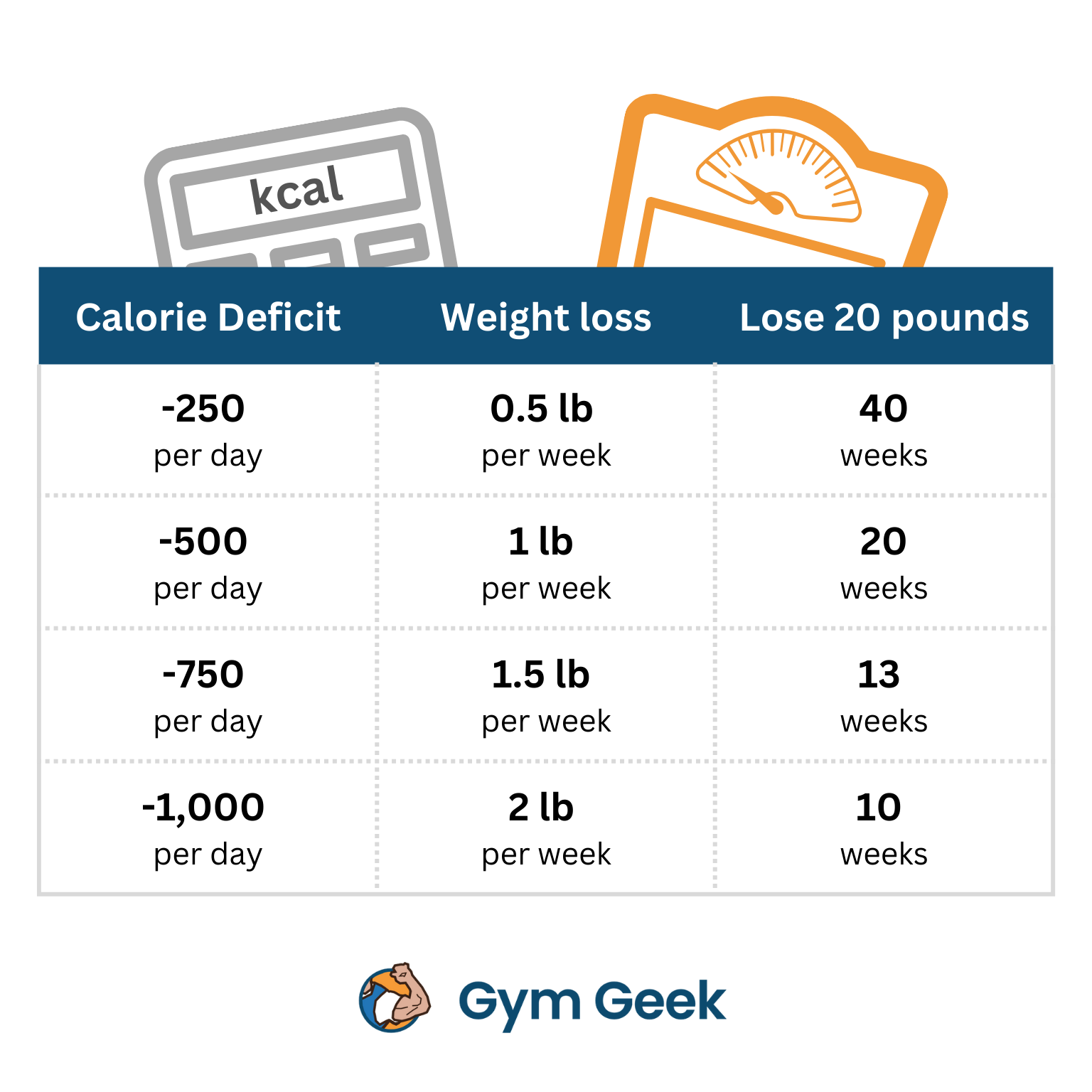
The Algorithm of Energy: Understanding the Tech Behind Basal Metabolic Rate (BMR)
At the core of any weight loss calculation is the Basal Metabolic Rate (BMR)—the number of calories your body requires to function at rest. While the biological concept remains constant, the methodology used to calculate it has shifted from static mathematical formulas to dynamic, AI-enhanced predictions.
From Harris-Benedict to AI-Driven Predictions
For decades, the Harris-Benedict and Mifflin-St Jeor equations were the gold standard for manual calorie calculation. These formulas use variables like age, gender, height, and weight to estimate energy needs. However, modern fitness software takes these inputs a step further. Advanced health platforms now utilize “ensemble learning” models that compare your data against millions of anonymized data points to refine these estimates. By integrating machine learning, software can adjust your BMR based on historical weight fluctuations, providing a far more accurate baseline than a one-size-fits-all formula ever could.
The Role of Machine Learning in Personalizing TDEE
Once the BMR is established, the next technological hurdle is calculating Total Daily Energy Expenditure (TDEE). This includes physical activity and the thermic effect of food. Traditional methods relied on “activity multipliers” (e.g., sedentary, lightly active, very active), which are notoriously subjective. Modern tech solves this through continuous data loops. Apps now analyze your step counts, heart rate variability (HRV), and even sleep quality to dynamically adjust your TDEE daily. This shift from a static number to a fluid, data-responsive target is what separates modern digital nutrition from legacy dieting methods.
Smart Ecosystems: How Wearables and Apps Synchronize Caloric Data
The true power of modern calorie calculation lies in the “Internet of Health Things” (IoHT). The synchronization between wearable hardware and software platforms creates a seamless feedback loop that removes the friction and human error typically associated with manual tracking.
Real-Time Physiological Monitoring via IoT Devices
Wearables like the Apple Watch, Garmin, and Oura Ring have revolutionized the “calories out” side of the weight loss equation. These devices utilize photoplethysmography (PPG) sensors to measure heart rate and accelerometers to track movement. Through sophisticated digital signal processing, these devices convert raw movement data into estimated kilocalories burned. When these wearables are synced with calorie-tracking software, the calculation for weight loss becomes a real-time ledger, updating your “remaining calories” for the day based on actual physiological demand rather than theoretical estimates.
Cloud-Based Nutrition Databases and Computer Vision
On the “calories in” side, technology has tackled the problem of logging accuracy through massive cloud-based databases and computer vision. Platforms like MyFitnessPal and Cronometer host millions of food entries accessible via API. The most significant tech advancement in this area, however, is the implementation of image recognition. Users can now photograph their meals, and AI models—trained on vast datasets of food imagery—identify the components and estimate portion sizes. This use of neural networks reduces the cognitive load on the user and increases the consistency of the calorie calculation process.
Data Precision vs. User Experience: Navigating the Top Calorie Calculation Software

Choosing the right software tool is critical for anyone looking to use tech to manage their weight. Not all applications are created equal; some prioritize a vast user-generated database, while others focus on high-fidelity data and algorithmic precision.
Comparative Analysis of Top-Tier Fitness APIs
For the tech-savvy user, the “back end” of a calorie-counting app matters. Apps like MacroFactor have gained a cult following by using a proprietary “Expenditure Algorithm.” Unlike other apps that rely on external wearable data (which can often be inaccurate), MacroFactor uses a math-based approach that calculates your expenditure based on your weight change and actual caloric intake over time. This “adherence-neutral” philosophy is a major shift in user experience design, moving away from “shaming” the user and toward acting as a pure data processor.
The Impact of Gamification on Long-Term Data Consistency
The effectiveness of any calorie-calculating technology is dependent on consistent data entry. To solve the problem of “user churn,” developers employ gamification and UX psychology. Features such as “streaks,” interactive charts, and push notifications are designed to keep users engaged with the data entry process. From a software design perspective, the goal is to make the friction of logging a meal lower than the dopamine reward of seeing the updated data visualization.
The Future of Precision Nutrition: AI, Biomarkers, and Predictive Analytics
We are currently moving beyond simple tracking and into the era of “predictive nutrition.” The next generation of calorie calculation tech will integrate deeper biological markers to provide a holistic view of metabolic health.
Integrating Continuous Glucose Monitors (CGM) into Calorie Math
One of the most exciting trends in health tech is the consumerization of Continuous Glucose Monitors (CGMs). Companies like Nutrisense and Levels are integrating CGM hardware with sophisticated software to show users exactly how their blood sugar responds to specific caloric intakes. While a calorie is a unit of energy, the hormonal response to that calorie (insulin) dictates whether that energy is burned or stored as fat. By overlaying glucose data on top of calorie counts, tech is providing a multidimensional view of weight loss that was previously only available in clinical settings.
Generative AI as a Personalized Virtual Nutritionist
Large Language Models (LLMs) like GPT-4 are being integrated into fitness apps to act as personalized nutritionists. These AI models can ingest a user’s calorie goals, dietary preferences, and real-time pantry inventory to generate precise meal plans that hit caloric targets exactly. Instead of the user having to “solve” the calorie puzzle themselves, the AI calculates the optimal distribution of macronutrients to ensure the weight loss goal is met while maintaining muscle mass. This “prescriptive” technology represents the pinnacle of digital weight management.
Digital Security and Privacy in Health Tracking
As we entrust more of our biological data to the cloud to calculate calories for weight loss, the conversation must include digital security. Personal health information (PHI) is among the most sensitive data a user can share.
The leading apps in the space are increasingly adopting end-to-end encryption and robust data privacy policies to protect user information. When selecting a tool for calorie calculation, it is essential to look for platforms that offer data portability (the ability to export your logs) and clear disclosures on how your metabolic data is used. As we move toward a world of “Quantified Self,” the security of our metabolic data becomes as important as its accuracy.
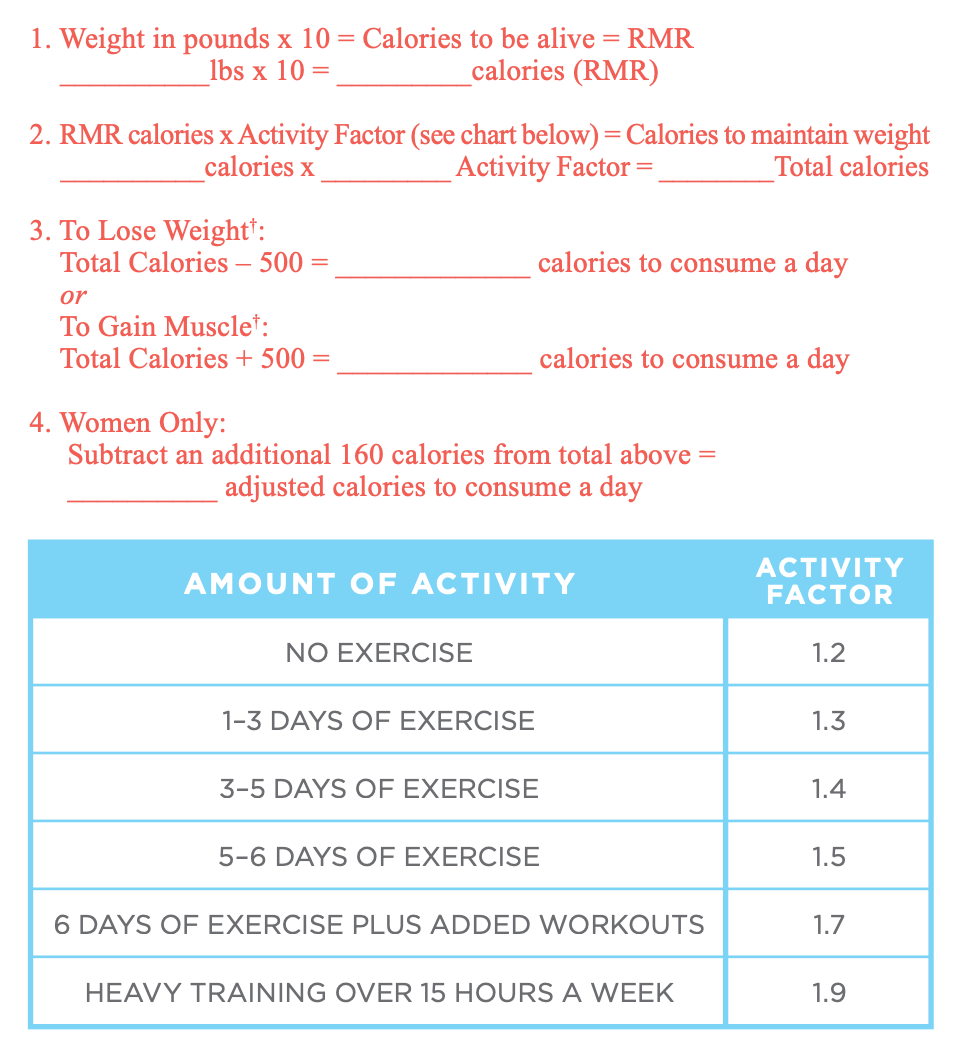
Conclusion: The Data-Driven Path to Transformation
Calculating calories for weight loss is no longer a matter of guesswork or archaic math. It is a sophisticated technological process that leverages AI, cloud computing, and advanced hardware to provide a roadmap for biological change. By utilizing BMR algorithms, wearable integration, and the latest in AI-driven predictive analytics, individuals can treat their weight loss journey like an engineering project—one that is defined by data, refined by software, and achieved through the power of modern technology. As these tools continue to evolve, the barrier between biological potential and digital precision continues to disappear, making sustainable weight loss more accessible and accurate than ever before.
aViewFromTheCave is a participant in the Amazon Services LLC Associates Program, an affiliate advertising program designed to provide a means for sites to earn advertising fees by advertising and linking to Amazon.com. Amazon, the Amazon logo, AmazonSupply, and the AmazonSupply logo are trademarks of Amazon.com, Inc. or its affiliates. As an Amazon Associate we earn affiliate commissions from qualifying purchases.