
NVIDIA Corporation (NVDA) has transformed from a niche manufacturer of graphics processing units (GPUs) for gamers into a cornerstone of the global financial markets. As the primary engine behind the artificial intelligence revolution, the company has seen its market capitalization soar, making it one of the most sought-after assets for both institutional and retail investors. However, purchasing stock in a high-growth, high-volatility company requires more than just a brokerage account; it requires a strategic understanding of market mechanics, financial analysis, and portfolio management.
Evaluating NVIDIA as an Investment Opportunity
Before committing capital, a disciplined investor must understand what they are buying. NVIDIA is no longer just a “computer hardware” company. In the current economic landscape, it functions as a platform company that provides the essential infrastructure for data centers, autonomous vehicles, and generative AI.

When you buy NVIDIA stock, you are essentially betting on the continued expansion of accelerated computing. For years, the CPU (Central Processing Unit) was the heart of the server, but the shift toward AI and deep learning has made the GPU the most valuable piece of silicon in the data center. This transition has provided NVIDIA with a “moat”—a competitive advantage that is difficult for rivals to breach. From a financial perspective, this moat is reflected in the company’s high gross margins and dominant market share.
However, prospective investors must also consider the cyclical nature of the semiconductor industry. While the current demand for AI chips is unprecedented, the industry has historically undergone “boom and bust” cycles. As an investor, you must determine whether the current valuation reflects sustainable long-term growth or a period of temporary exuberance. Understanding the macroeconomic environment, including interest rates and trade policies regarding chip exports, is vital before clicking the “buy” button.
The Practical Process of Buying NVDA Shares
The mechanics of buying stock have been significantly simplified by digital technology, yet the choices you make during the process can impact your long-term returns. To buy NVIDIA stock, follow these structured steps to ensure a secure and efficient transaction.
Choosing the Right Brokerage Platform
Your first step is selecting a brokerage that aligns with your financial goals. For many retail investors, platforms like Fidelity, Charles Schwab, or Vanguard offer robust research tools and tax-advantaged accounts. If you prefer a mobile-first experience, apps like Robinhood or Public provide intuitive interfaces.
When choosing, consider the following factors:
-
Account Types: Are you investing for retirement (IRA) or using a standard taxable brokerage account? Tax-advantaged accounts can protect your gains from capital gains taxes.
-
Fractional Shares: Given NVIDIA’s high share price at various points in its history, ensure your broker allows for fractional share investing. This allows you to invest a specific dollar amount (e.g., $100) rather than being forced to buy one full share.
-
Fees: Most major US brokers now offer $0 commissions for online stock trades, but always verify the fee schedule for hidden costs or platform subscriptions.
Opening and Funding Your Account
Once you have selected a platform, you will need to undergo a “Know Your Customer” (KYC) process. This involves providing your Social Security number, employment information, and linking a bank account. After the account is verified, you can transfer funds via ACH, wire transfer, or check. It is often recommended to start with a “settled” cash balance to ensure your trades execute immediately without the restrictions associated with “good faith” violations.
Executing the Trade: Market vs. Limit Orders
When you are ready to buy NVDA, you will encounter different order types. This is a critical moment for price execution.
-
Market Order: This instructs the broker to buy the stock immediately at the current market price. While this guarantees the trade happens quickly, you might pay a slightly higher price than expected if the stock is volatile.
-
Limit Order: This allows you to set a maximum price you are willing to pay. For a high-volatility stock like NVIDIA, a limit order is often the preferred choice for professional investors. It ensures you do not overpay during a sudden price spike, though there is a risk the order won’t be filled if the price never drops to your limit.
Analyzing NVIDIA’s Financial Health and Valuation
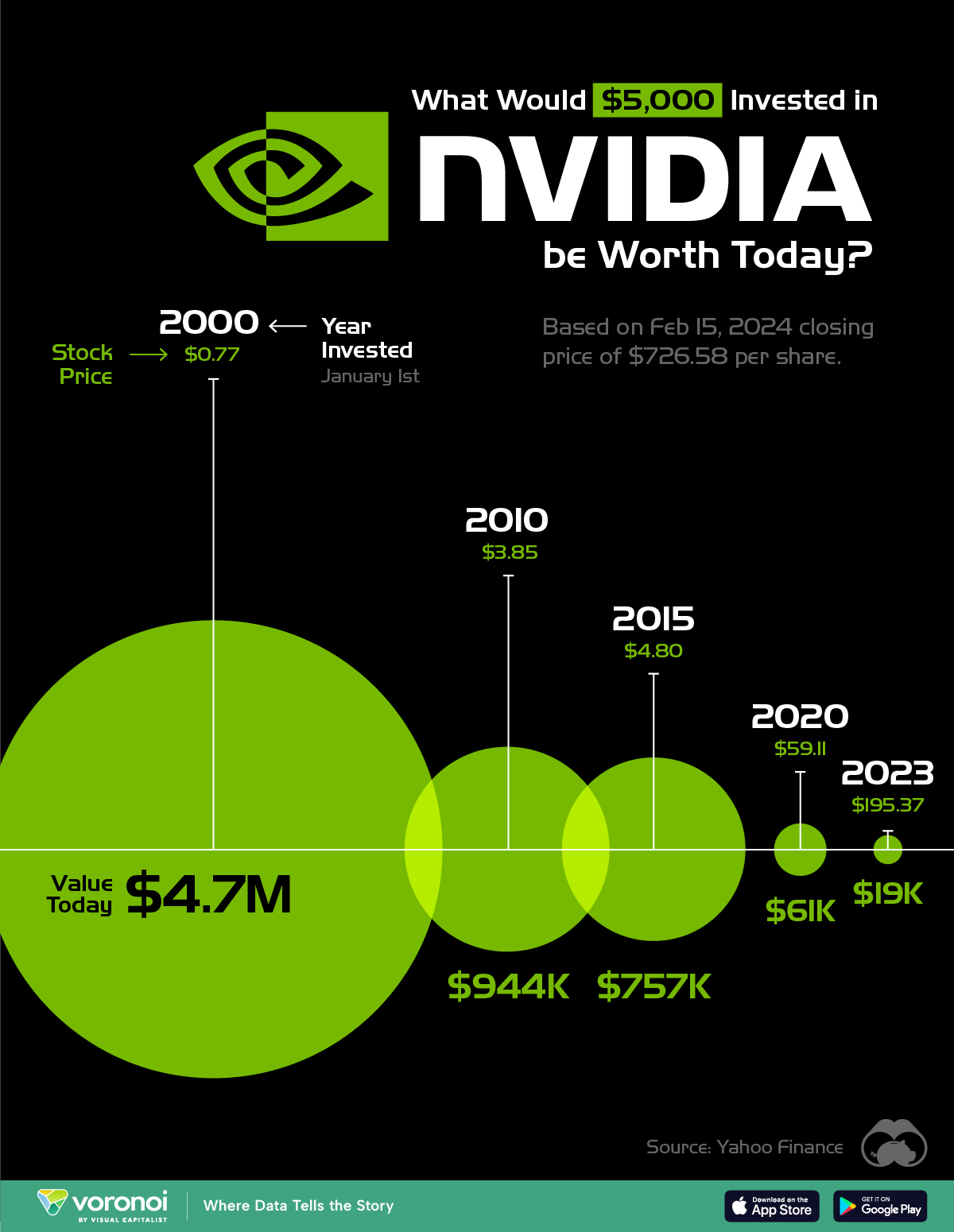
Investing is the act of buying a future stream of cash flows. To buy NVIDIA intelligently, you must look beyond the headlines and examine the company’s financial statements.
Key Financial Metrics
Investors should focus on three primary documents: the Balance Sheet, the Income Statement, and the Cash Flow Statement. When analyzing NVIDIA, pay close attention to:
-
Revenue Growth: Is the growth coming primarily from the Data Center segment, or is Gaming still a significant contributor? Diversified revenue streams generally reduce risk.
-
Net Income and Profit Margins: High-growth tech companies often sacrifice profits for expansion, but NVIDIA has managed to maintain exceptionally high net profit margins. This indicates pricing power—the ability to raise prices without losing customers.
-
Free Cash Flow (FCF): This is the money left over after the company pays for its operating expenses and capital expenditures. Strong FCF allows NVIDIA to reinvest in R&D, acquire competitors, or return value to shareholders through buybacks and dividends.
Understanding Valuation Multiples
NVIDIA often trades at a high Price-to-Earnings (P/E) ratio compared to the broader market. A high P/E suggests that investors expect significant future growth. However, a more nuanced metric for growth stocks is the PEG ratio (Price/Earnings to Growth). By dividing the P/E ratio by the company’s earnings growth rate, you can determine if the stock is overvalued or if the high price is justified by its trajectory. If the PEG ratio is significantly higher than the industry average, the stock may be “priced for perfection,” meaning any slight miss in earnings could lead to a sharp decline in share price.
Strategic Investment Approaches
How you buy NVIDIA stock depends on your risk tolerance and time horizon. There are several strategies to consider when building your position.
Dollar-Cost Averaging (DCA)
Given the volatility of the tech sector, many investors avoid “timing the market” by using dollar-cost averaging. Instead of investing a lump sum of $10,000 all at once, you might invest $1,000 on the first of every month for ten months. This strategy lowers the risk of buying at a local “top” and allows you to acquire more shares when the price is low and fewer shares when the price is high.
Long-term Holding vs. Thematic ETFs
If you believe in the long-term potential of AI but are wary of the risks associated with holding a single stock, you might consider an Exchange-Traded Fund (ETF). Many tech-focused ETFs, such as the Invesco QQQ Trust (QQQ) or the VanEck Semiconductor ETF (SMH), hold NVIDIA as a top position. Buying an ETF gives you exposure to NVIDIA’s growth while diversifying your risk across other semiconductor giants like TSMC, AMD, and Broadcom.
Position Sizing and Risk Management
Professional money management dictates that you should never have too much of your net worth tied up in a single equity. Even a company as dominant as NVIDIA faces risks—ranging from geopolitical tensions in Taiwan (where many chips are manufactured) to regulatory crackdowns on AI. A common rule of thumb is to limit any single stock position to 5% to 10% of your total portfolio. This ensures that even if the stock experiences a 20% “correction,” your overall financial health remains intact.
Tax Implications and Portfolio Maintenance
Buying the stock is only the beginning of the investment journey. Managing the asset over time is where the real wealth is generated.
Understanding Capital Gains
When you eventually sell your NVIDIA shares, you will be subject to capital gains taxes. In the United States, if you hold the stock for more than one year, you qualify for “long-term capital gains” rates, which are significantly lower than standard income tax rates. Selling in less than a year results in “short-term capital gains,” taxed at your ordinary income rate. For high-earners, this distinction can mean a difference of 15% to 20% in net profits.
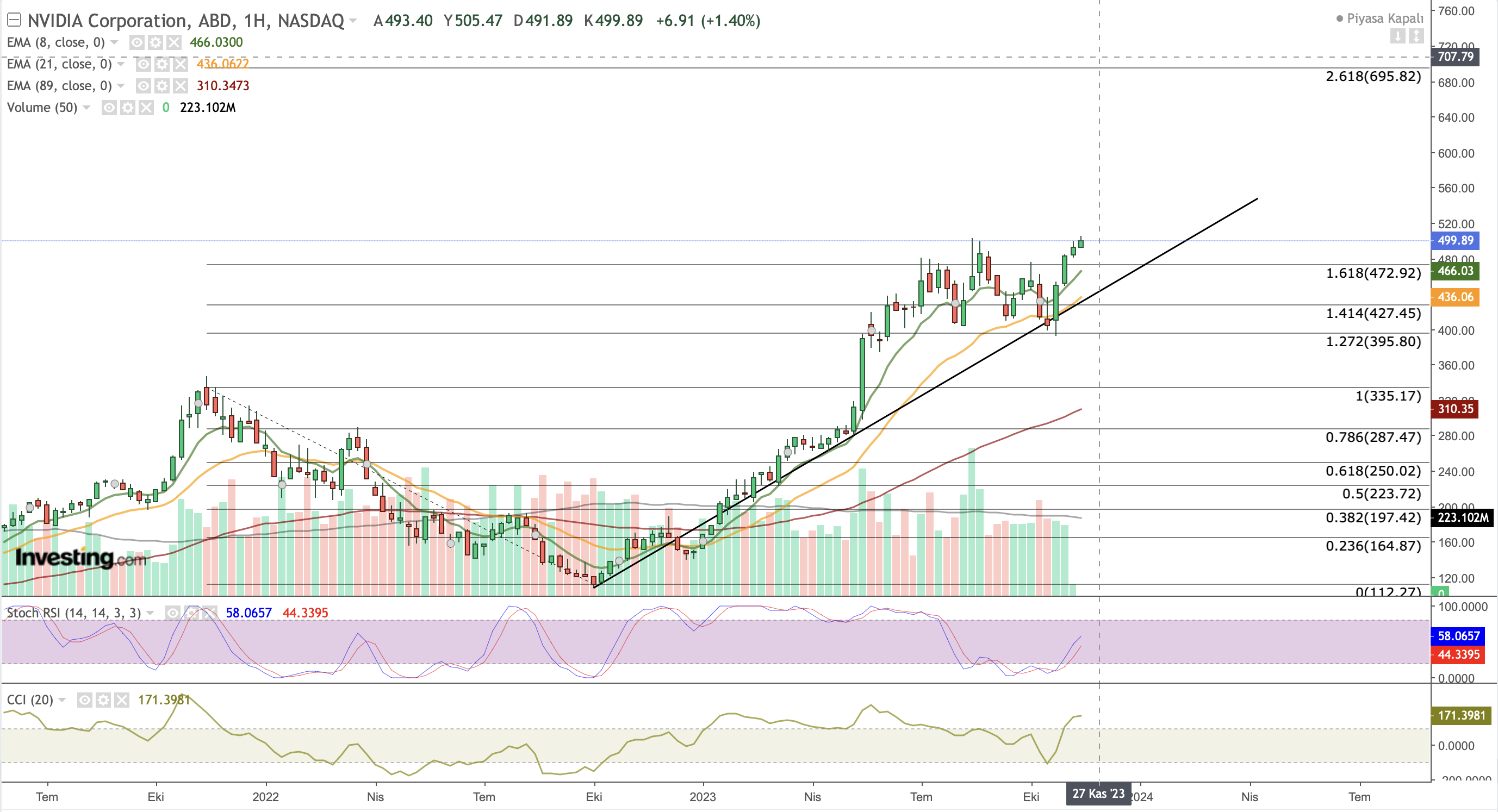
Rebalancing and Dividend Reinvestment
NVIDIA pays a modest dividend. While it is not a “dividend growth” stock in the traditional sense, many investors choose to use a Dividend Reinvestment Plan (DRIP). This automatically uses your dividend payments to purchase additional fractional shares of NVDA, compounding your returns over time.
Finally, stay informed through the company’s quarterly earnings calls and “Investor Day” presentations. These events provide direct insight from the executive leadership regarding future guidance and market headwinds. As an investor, your goal is to verify that the “investment thesis”—the reason you bought the stock in the first place—remains true. As long as NVIDIA continues to lead the technological shift toward AI and maintains its financial discipline, it remains a compelling candidate for a modern, growth-oriented investment portfolio.
aViewFromTheCave is a participant in the Amazon Services LLC Associates Program, an affiliate advertising program designed to provide a means for sites to earn advertising fees by advertising and linking to Amazon.com. Amazon, the Amazon logo, AmazonSupply, and the AmazonSupply logo are trademarks of Amazon.com, Inc. or its affiliates. As an Amazon Associate we earn affiliate commissions from qualifying purchases.