
For many individual investors, the S&P 500 represents the “holy grail” of long-term wealth creation. Comprising approximately 500 of the largest, most stable, and most influential companies listed on stock exchanges in the United States, it is widely considered the best single gauge of large-cap U.S. equities. While you cannot “buy” an index directly—as it is a mathematical construct—you can invest in financial products designed to mirror its performance.
Understanding how to buy the S&P 500 is one of the most vital steps any investor can take toward achieving financial independence. This guide explores the mechanics of index investing, the vehicles available to you, and the strategic considerations necessary to build a robust portfolio.
Understanding the S&P 500 Index
Before executing a trade, it is essential to understand exactly what you are purchasing. The Standard & Poor’s 500 Index is managed by S&P Dow Jones Indices. To be included, a company must meet specific criteria: it must be a U.S. company, have a market capitalization of at least $15.8 billion (as of recent updates), be highly liquid, and have a positive sum of earnings over the last four quarters.
Market-Cap Weighting Explained
The S&P 500 is a float-adjusted market-capitalization-weighted index. This means that larger companies like Microsoft, Apple, and Amazon have a more significant impact on the index’s movement than smaller constituents. When you buy the S&P 500, you are essentially betting on the aggregate success of the American corporate landscape, with a heavy emphasis on the giants of technology, healthcare, and finance.
Historical Performance and Risk
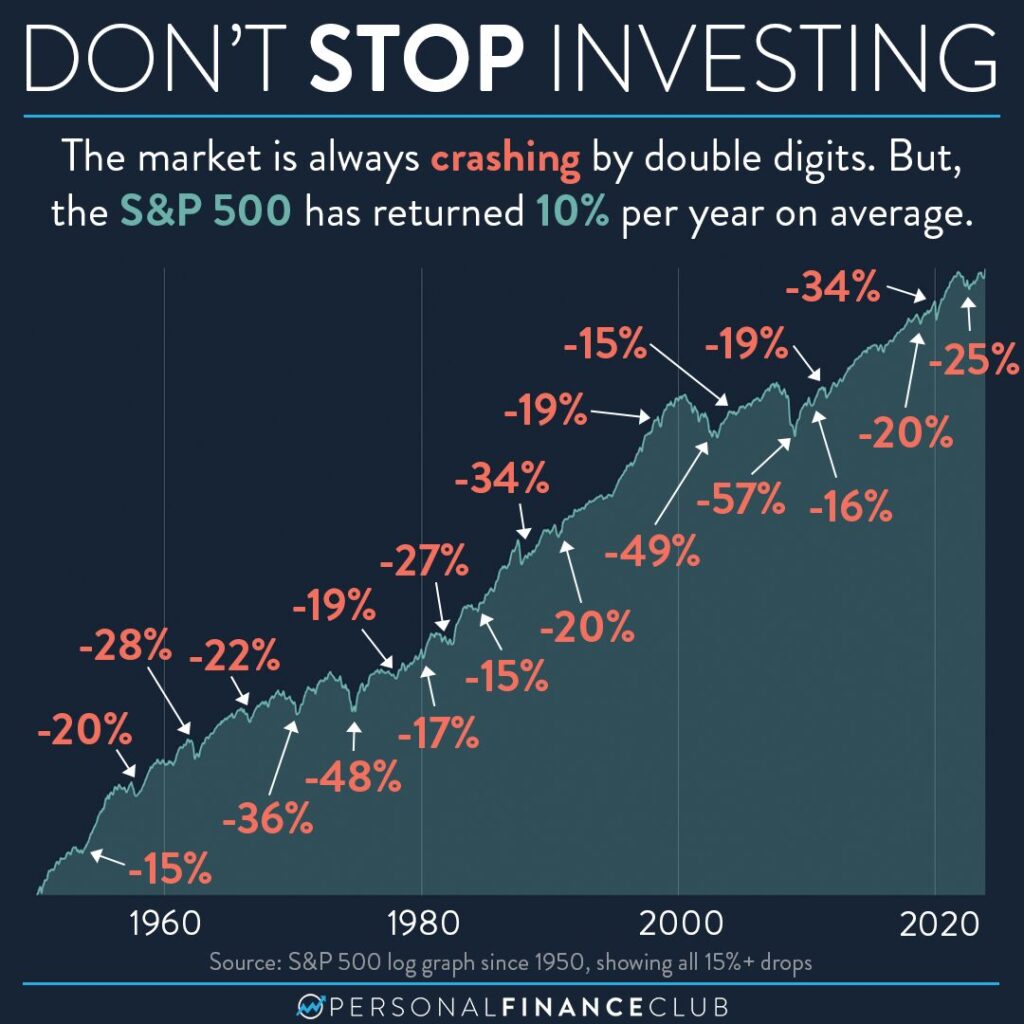
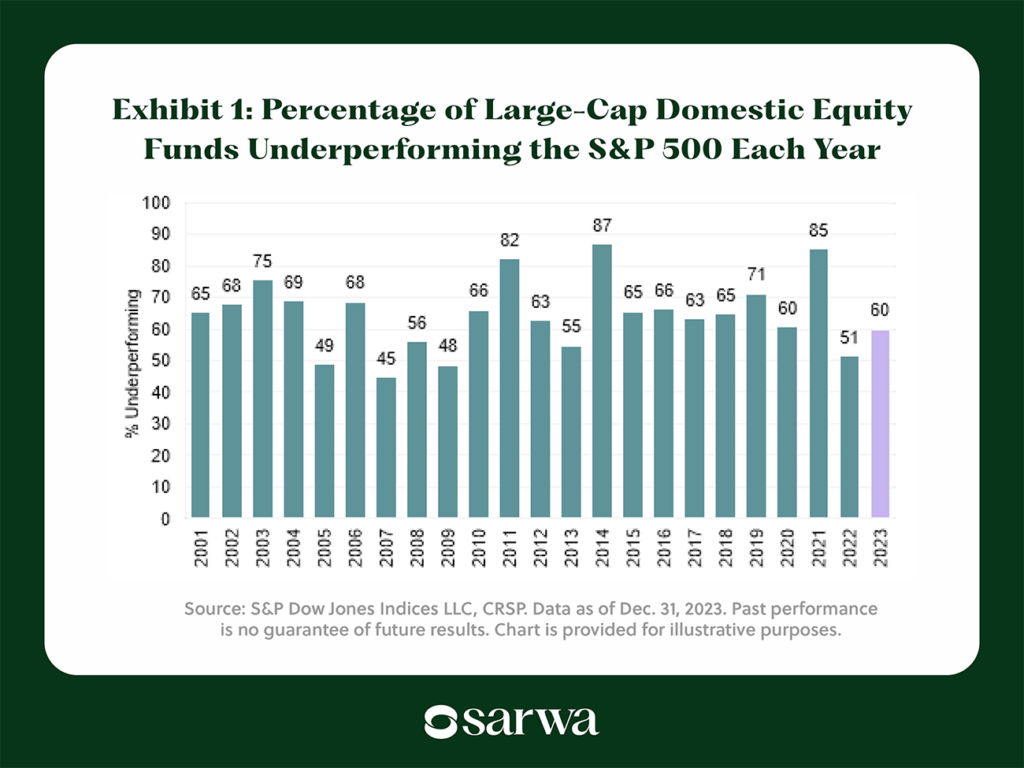
Historically, the S&P 500 has delivered an average annual return of approximately 10% before inflation. While this does not guarantee future results, and the index can experience significant drawdowns during bear markets, its long-term trajectory has been consistently upward. By buying the S&P 500, you are embracing “beta”—the market’s overall return—rather than trying to “beat the market” through individual stock picking, which research shows is difficult even for professional fund managers.
Choosing Your Investment Vehicle: ETFs vs. Mutual Funds
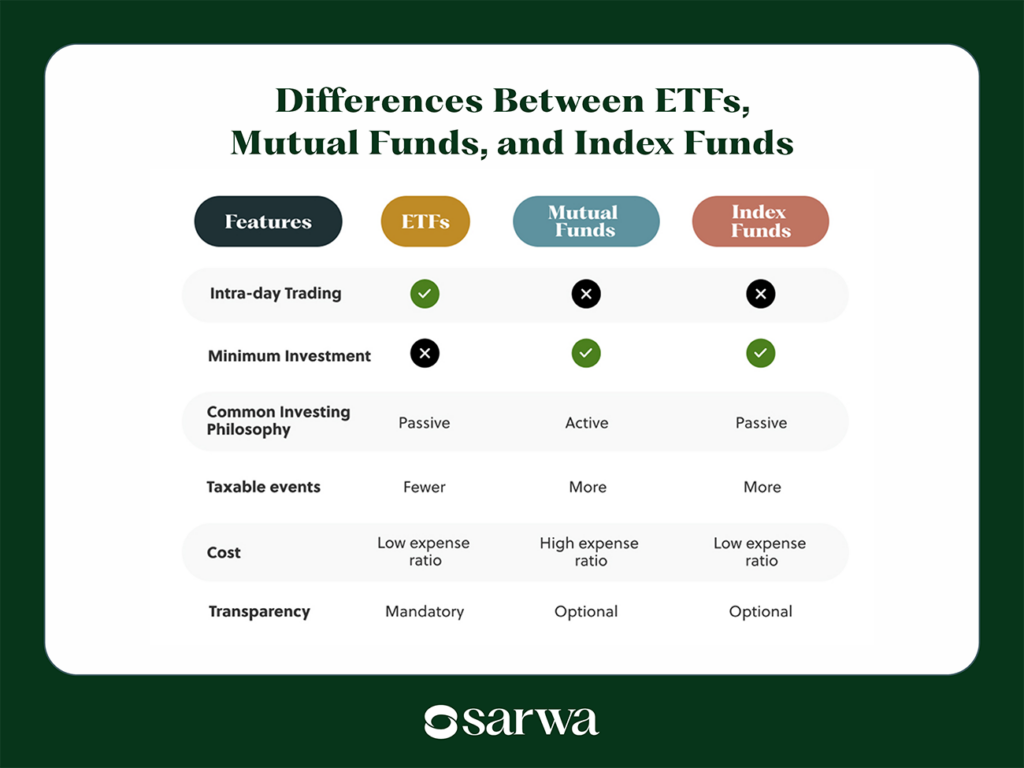
To gain exposure to the S&P 500, you must choose between two primary types of investment vehicles: Exchange-Traded Funds (ETFs) and Index Mutual Funds. Both serve the same purpose—tracking the index—but they differ in how they are traded and taxed.
S&P 500 Exchange-Traded Funds (ETFs)
ETFs are arguably the most popular way to buy the S&P 500 today. They trade on stock exchanges throughout the day, just like individual shares of stock.
-
Vanguard S&P 500 ETF (VOO): Renowned for its ultra-low expense ratio (0.03%), VOO is a favorite for long-term buy-and-hold investors.
-
iShares Core S&P 500 ETF (IVV): Similar to VOO, IVV offers a highly competitive expense ratio and excellent liquidity.
-
SPDR S&P 500 ETF Trust (SPY): The oldest and most liquid S&P 500 ETF. While its expense ratio (0.09%) is slightly higher than VOO or IVV, its massive trading volume makes it the preferred choice for institutional traders and those using options.
S&P 500 Index Mutual Funds
Index mutual funds are priced only once a day at the close of the market. They are often used in employer-sponsored retirement plans like 401(k)s.
-
Fidelity 500 Index Fund (FXAIX): Known for having one of the lowest expense ratios in the industry.
-
Vanguard 500 Index Fund Admiral Shares (VFIAX): The classic index fund choice for those who prefer the mutual fund structure over an ETF.
-
Automation Benefits: Mutual funds often make it easier to set up automatic recurring investments (e.g., $500 every Friday), whereas some older brokerages only allow automated investing into mutual funds, not ETFs.
The Importance of Expense Ratios
When buying the S&P 500, your biggest “enemy” is the expense ratio. Since all S&P 500 funds hold the same stocks, the primary differentiator is cost. An expense ratio of 0.03% means you pay $3 for every $10,000 invested annually. Over thirty years, the difference between a 0.03% fee and a 0.75% fee can amount to tens of thousands of dollars in lost gains due to the erosion of compounding.
Step-by-Step: How to Execute Your Purchase
Once you have decided on a vehicle, the actual process of buying the S&P 500 is straightforward and can be completed in a few steps.
1. Select a Brokerage Account
To buy an S&P 500 fund, you need a brokerage account. Modern investors have a wealth of choices:
-
Discount Brokerages: Charles Schwab, Fidelity, and Vanguard are the “big three,” offering robust tools and zero-commission trades on most ETFs.
-
Fintech Apps: Platforms like Robinhood or Betterment offer streamlined interfaces, which may appeal to younger or novice investors.
-
Fractional Shares: If you choose a brokerage that offers fractional shares, you can buy $10 worth of an S&P 500 ETF even if the share price is $400.
2. Determine the Account Type
Where you hold your S&P 500 investment depends on your goals:
-
Tax-Advantaged Accounts: If you are saving for retirement, buying within a Roth IRA or 401(k) is ideal. In a Roth IRA, your investments grow tax-free, and withdrawals in retirement are also tax-free.
-
Taxable Brokerage Accounts: If you need access to the money before retirement, a standard taxable account is necessary. You will be subject to capital gains taxes when you sell for a profit.
3. Place Your Trade
After funding your account, search for the ticker symbol of your chosen fund (e.g., “VOO”).
-
Market Order: Purchases the shares immediately at the current market price.
-
Limit Order: Sets a maximum price you are willing to pay. If the price doesn’t hit that mark, the trade won’t execute. For most long-term investors buying the S&P 500, a market order during standard trading hours is sufficient.
Strategic Approaches to Investing
Buying the S&P 500 is not just a one-time transaction; it is a strategy. How you enter the market can impact your psychological comfort and long-term success.
Lump Sum vs. Dollar-Cost Averaging (DCA)
-
Lump Sum: Investing all your available cash at once. Statistically, because the market goes up more often than it goes down, lump-sum investing tends to outperform DCA about 66% of the time.
-
Dollar-Cost Averaging: Investing a fixed amount of money at regular intervals (e.g., $200 every month). This strategy reduces the risk of “timing the market” poorly. If the market drops, your $200 buys more shares; if it rises, it buys fewer. This is an excellent way to manage the emotional stress of market volatility.
Dividend Reinvestment Plans (DRIP)
The companies in the S&P 500 often pay dividends. When you buy an S&P 500 fund, you will receive these dividends, usually on a quarterly basis. To maximize growth, you should enable “DRIP” in your brokerage settings. This automatically uses your dividend payments to purchase more shares of the fund, allowing your wealth to compound much faster over time.
The Role of the S&P 500 in a Diversified Portfolio
While the S&P 500 offers excellent diversification across 500 companies, it is exclusively focused on U.S. large-cap stocks. Savvy investors often pair their S&P 500 holdings with international stocks (developed and emerging markets) and small-cap U.S. stocks to ensure they are not over-concentrated in a single geographic region or company size.
Managing Your Investment for the Long Term
The greatest challenge in buying the S&P 500 is not the purchase itself, but the discipline required to hold it.
Navigating Market Volatility
The S&P 500 is subject to periodic corrections (a 10% drop) and bear markets (a 20% drop or more). The key to success is remaining invested during these periods. Selling during a downturn crystallizes losses and often results in missing the eventual recovery. The most successful S&P 500 investors are those who view market drops as “sales” and continue their buying schedule regardless of the headlines.
Rebalancing and Monitoring
Over time, your S&P 500 investment may grow to represent a larger portion of your portfolio than you originally intended. Periodically—perhaps once a year—you should review your allocations. Rebalancing ensures that you are maintaining a level of risk that aligns with your financial goals and time horizon.
In conclusion, buying the S&P 500 is one of the most effective ways to capture the growth of the global economy. By choosing low-cost ETFs or mutual funds, utilizing tax-advantaged accounts, and committing to a consistent investment schedule, you can harness the power of the 500 largest companies in America to build a lasting financial legacy. The process is simple, but the rewards of patience and consistency are profound.
aViewFromTheCave is a participant in the Amazon Services LLC Associates Program, an affiliate advertising program designed to provide a means for sites to earn advertising fees by advertising and linking to Amazon.com. Amazon, the Amazon logo, AmazonSupply, and the AmazonSupply logo are trademarks of Amazon.com, Inc. or its affiliates. As an Amazon Associate we earn affiliate commissions from qualifying purchases.