
The journey toward financial independence often begins with a single step into the equity markets. Buying shares in a company—essentially purchasing a piece of a business’s future—is one of the most effective ways to build long-term wealth. However, the transition from a saver to an investor requires more than just capital; it requires a strategic mindset, a foundational understanding of market mechanics, and a disciplined approach to risk management.
In the modern era, the barriers to entry for the stock market have never been lower. Digital brokerage platforms have democratized access to global exchanges, allowing anyone with a smartphone and a few dollars to become a partial owner of the world’s most successful corporations. Yet, the ease of access does not eliminate the complexity of the underlying process. To move from a novice to a confident investor, one must navigate the nuances of choosing a brokerage, researching assets, and executing trades with precision.
Laying the Foundation: Preparing to Invest
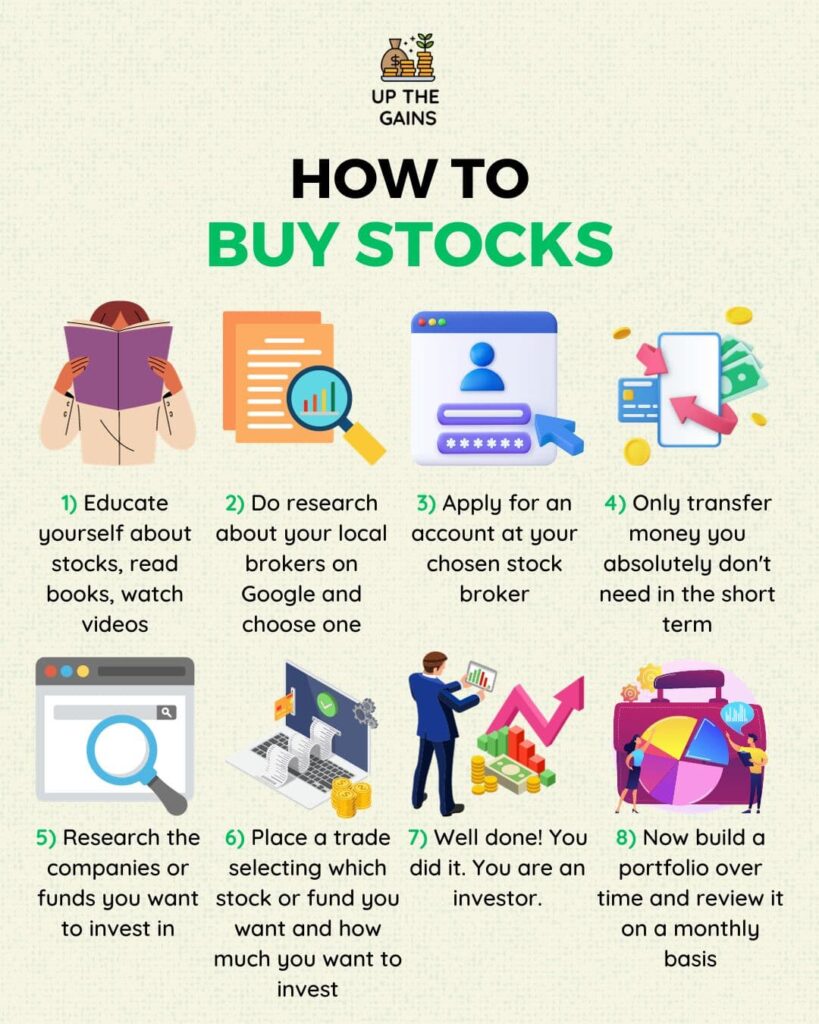
Before clicking the “buy” button on a brokerage app, an investor must ensure their financial house is in order. Investing is a long-term endeavor, and the worst position to be in is having to liquidate stocks during a market downturn because of a personal financial emergency.
Defining Your Financial Goals
The first step in buying shares is identifying the “why.” Are you investing for retirement decades away, or are you looking to generate a passive income stream through dividends in the next five years? Your goals will dictate your asset selection. Investors seeking growth typically look for younger, aggressive tech companies, while those seeking stability often gravitate toward established “Blue Chip” companies with a history of consistent payouts.
Assessing Risk Tolerance
Every investment carries the risk of loss. Understanding your psychological and financial capacity for volatility is crucial. Risk tolerance is a combination of your “time horizon” (how long you can leave the money untouched) and your emotional response to seeing your portfolio value drop. Generally, the longer your time horizon, the more risk you can afford to take, as you have the time to recover from inevitable market cycles.
Building an Emergency Fund and Clearing Debt
Professional financial planning dictates that high-interest debt, such as credit card balances, should be cleared before investing in shares. The interest on debt often exceeds the average annual return of the stock market. Furthermore, maintaining an emergency fund—typically three to six months of living expenses—ensures that your investments remain untouched during periods of personal financial instability.
Navigating the Market: Choosing the Right Brokerage
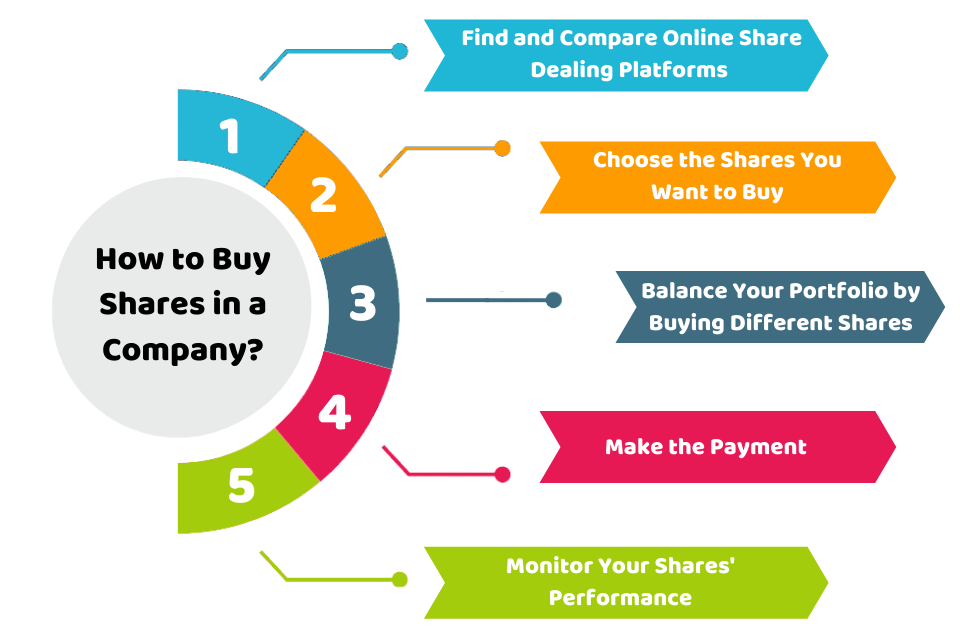
A brokerage serves as the intermediary between you and the stock exchange. Choosing the right platform is a critical decision that impacts your costs, the speed of your trades, and the quality of information at your disposal.
Full-Service vs. Discount Brokers
Historically, investors had to use full-service brokers who provided personalized advice and managed accounts in exchange for high commissions. Today, most retail investors opt for discount or online brokers. These platforms offer low-to-zero commission trades and provide the user with the tools to make their own decisions. For a self-directed investor, a modern online brokerage is usually the most cost-effective path.
Fee Structures and Hidden Costs
While many brokers now offer $0 commissions on stock trades, “free” is rarely absolute. Investors must look into the “expense ratios” of funds, withdrawal fees, and account maintenance charges. Additionally, some platforms make money through “payment for order flow,” which can occasionally result in slightly less favorable execution prices for the user. It is essential to read the fine print regarding how a broker generates revenue.
User Interface and Educational Tools
For a beginner, the interface of a brokerage app can be the difference between confidence and confusion. A good platform should offer robust research tools, real-time data, and educational resources. Many top-tier brokers provide “paper trading” accounts, which allow you to practice buying and selling shares with virtual money before risking your actual capital.
Researching the Right Companies
Buying a share is buying a business. To do this successfully, an investor must look beyond the ticker symbol and understand the underlying value of the organization.
Fundamental Analysis Basics
Fundamental analysis involves evaluating a company’s financial health and its competitive position in the market. Key metrics include the Price-to-Earnings (P/E) ratio, which helps determine if a stock is overvalued or undervalued relative to its peers, and Earnings Per Share (EPS), which indicates profitability. A healthy company generally shows a trend of growing revenue and manageable debt levels.
Understanding Financial Statements
Publicly traded companies are required to release quarterly and annual reports (10-Qs and 10-Ks). Investors should pay close attention to three specific documents:
- The Income Statement: Shows revenue, expenses, and profit over a period.
- The Balance Sheet: Details what the company owns (assets) versus what it owes (liabilities).
- The Cash Flow Statement: Tracks how much actual cash is entering and leaving the business, providing a more transparent view of liquidity than net income alone.
Evaluating Competitive Moats and Industry Trends
A “moat” is a term popularized by Warren Buffett to describe a company’s competitive advantage. This could be a powerful brand, proprietary technology, or high barriers to entry for competitors. When buying shares, you are betting that the company can maintain or expand its moat over time. It is also vital to consider the industry’s trajectory; a great company in a dying industry (like traditional print media or coal) may still struggle to deliver returns.
Executing the Trade: From Order Types to Portfolio Management
Once the research is complete, the physical act of buying the shares occurs on the exchange. Understanding the mechanics of the trade is essential to ensure you pay the price you intended.
Market Orders vs. Limit Orders
A “Market Order” instructs the broker to buy the shares immediately at the current best available price. This guarantees the trade will happen but does not guarantee the price. A “Limit Order,” on the other hand, allows you to set a maximum price you are willing to pay. The trade will only execute if the stock hits that price or lower. For most investors, limit orders provide a layer of protection against sudden price spikes during the seconds it takes to place an order.
The Power of Diversification
One of the most common mistakes is “putting all your eggs in one basket.” If you invest all your capital into a single company and that company faces a scandal or bankruptcy, your wealth evaporates. Diversification involves spreading investments across different companies, sectors (Tech, Healthcare, Energy), and even geographic regions. Many investors achieve instant diversification by purchasing Exchange-Traded Funds (ETFs), which are baskets of hundreds of different stocks managed as a single security.
Long-term Holding vs. Speculation
There is a profound difference between investing and trading. Trading often involves trying to time the market for short-term gains, which is notoriously difficult even for professionals. Investing is the practice of holding shares for years or decades, allowing the power of compounding to work. Historically, the stock market has an upward trajectory over long periods, rewarding those with the patience to withstand short-term volatility.
Post-Purchase Strategies: Monitoring and Rebalancing
Buying the shares is only the beginning. Portfolio management is an ongoing process that requires vigilance without overreaction.
Setting Realistic Expectations
The stock market is not a “get rich quick” scheme. Average historical returns for the S&P 500 are roughly 7-10% annually when adjusted for inflation. While some years may see 20% gains, others will see 20% losses. Investors who enter the market with the expectation of doubling their money overnight often take unnecessary risks that lead to total loss.
When to Sell (and When to Hold)
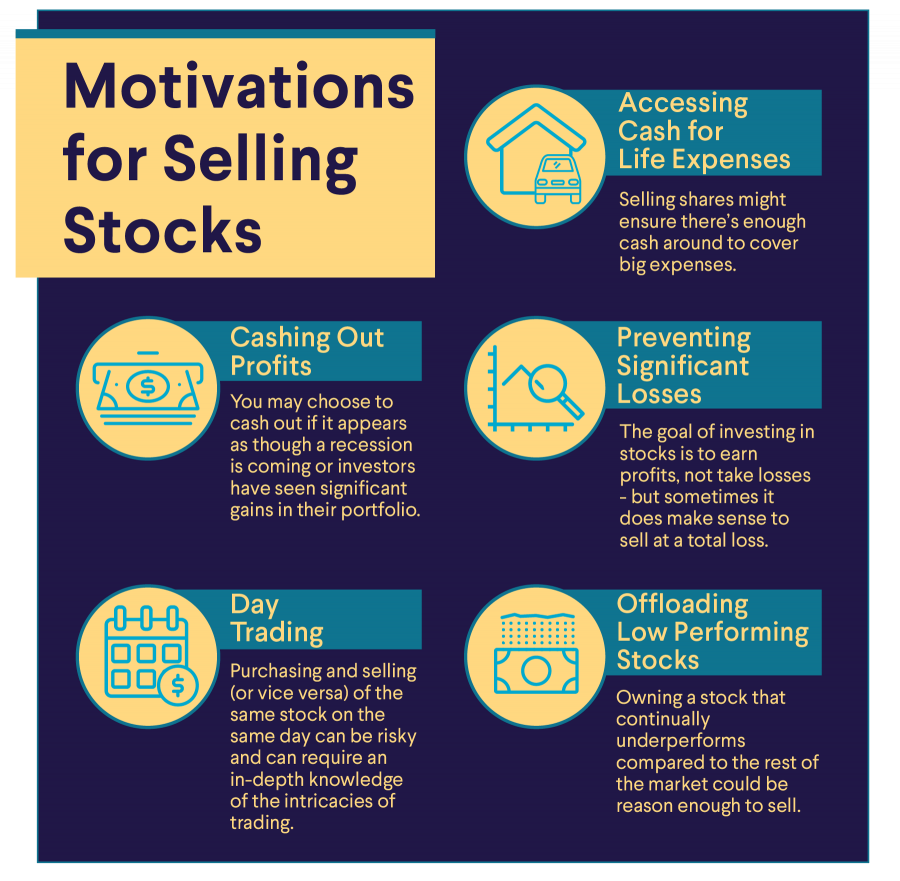
Knowing when to exit a position is as important as knowing when to enter. Ideally, you sell when you have reached your financial goal or if the “investment thesis” has changed. If you bought a company because of its innovative technology, but that technology has been superseded by a competitor, it may be time to sell. However, selling simply because the price has dropped during a general market correction is often a mistake; if the company is still healthy, a price drop is actually a buying opportunity.
Tax Implications and Dividend Reinvestment
Investors must be aware of “Capital Gains Tax.” In many jurisdictions, holding a stock for more than a year qualifies you for a lower tax rate on your profits. Additionally, many companies pay out a portion of their profits to shareholders as dividends. A powerful strategy for wealth building is “Dividend Reinvestment” (DRIP), where your dividends are automatically used to buy more shares of the company, further accelerating the compounding effect of your portfolio.
Conclusion: The Path to Financial Growth
Buying shares in a company is a sophisticated method of participating in the global economy. It transforms you from a mere consumer into a stakeholder in innovation and commerce. While the process requires a commitment to learning and a high degree of emotional discipline, the rewards of long-term investing are unparalleled. By preparing your personal finances, choosing a reputable broker, conducting rigorous research, and maintaining a diversified portfolio, you can turn the stock market into a powerful engine for your personal financial growth. The best time to start was yesterday; the second best time is today.
aViewFromTheCave is a participant in the Amazon Services LLC Associates Program, an affiliate advertising program designed to provide a means for sites to earn advertising fees by advertising and linking to Amazon.com. Amazon, the Amazon logo, AmazonSupply, and the AmazonSupply logo are trademarks of Amazon.com, Inc. or its affiliates. As an Amazon Associate we earn affiliate commissions from qualifying purchases.