
The financial landscape has undergone a seismic shift over the last decade, transitioning from traditional centralized banking models toward a decentralized digital frontier. Cryptocurrency, once a niche interest for technologists, has evolved into a legitimate asset class recognized by institutional investors, sovereign nations, and retail traders alike. However, for those standing on the sidelines, the process of entering this market can appear daunting. Navigating the complexities of exchanges, digital wallets, and market volatility requires a structured approach. This guide serves as a strategic roadmap for anyone looking to understand the mechanics of buying and selling cryptocurrency through the lens of modern personal finance and wealth management.
Choosing Your Gateway: Selecting the Right Trading Environment
Before you can execute a single trade, you must choose a platform that aligns with your financial goals, technical proficiency, and risk tolerance. The cryptocurrency ecosystem offers several distinct gateways, each serving a different purpose within an investor’s portfolio.
Centralized Exchanges (CEXs)
For the majority of investors, centralized exchanges like Coinbase, Binance, or Kraken are the primary point of entry. These platforms operate similarly to traditional stock brokerages. They provide a user-friendly interface, high liquidity, and robust customer support. The primary advantage of a CEX is the ease of “on-ramping”—the process of converting fiat currency (USD, EUR, GBP) into digital assets. These institutions are regulated in many jurisdictions and require users to undergo a Know Your Customer (KYC) verification process, ensuring a level of security and compliance that institutional investors demand.
Decentralized Exchanges (DEXs)
For those who prioritize privacy and the ethos of decentralization, DEXs such as Uniswap or PancakeSwap offer an alternative. These platforms operate without a central authority, using smart contracts to facilitate peer-to-peer trading. While they offer access to a wider variety of “altcoins” that may not yet be listed on major exchanges, they require a higher level of technical knowledge. There is no customer service department to call if a password is lost, making them more suitable for experienced investors who are comfortable managing their own private keys.
Peer-to-Peer (P2P) Platforms
P2P platforms allow individuals to buy and sell directly with one another. These services act as an escrow, holding the cryptocurrency until the seller confirms they have received payment via a bank transfer, digital payment app, or even cash. This method is often utilized in regions where traditional banking access to crypto exchanges is restricted, though it carries higher counterparty risk than using a regulated exchange.
The Mechanics of Acquisition: Funding and Execution
Once a platform is selected, the process of actually acquiring digital assets involves a series of logical steps designed to protect the investor’s capital and ensure the integrity of the transaction.
Account Setup and Verification
In the modern regulatory environment, setting up an account on a reputable exchange is a rigorous process. Investors must provide government-issued identification and, in some cases, proof of residence. This “Money” niche fundamental is essential for preventing fraud and money laundering. From a personal finance perspective, this step also ensures that your assets are tied to your legal identity, providing a layer of protection in case of inheritance issues or legal disputes.
Funding the Account
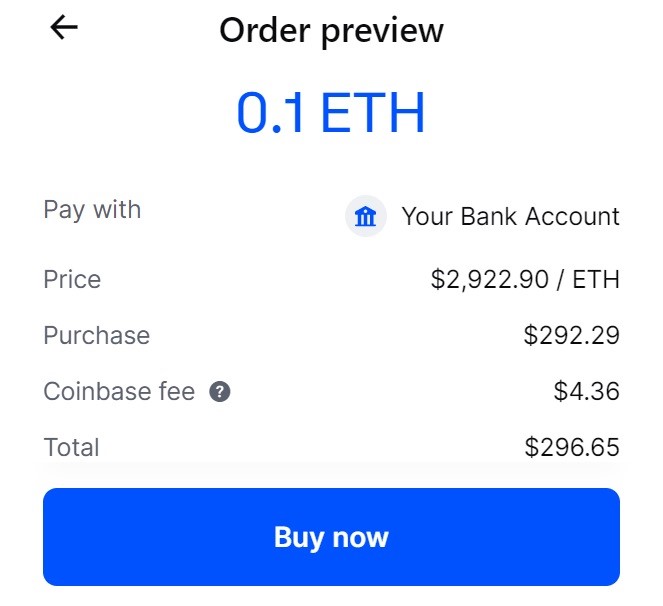
Investors can fund their accounts through various methods, each with different fee structures. Bank transfers (ACH or SEPA) are generally the most cost-effective, though they may take several days to clear. Credit and debit card purchases offer near-instant access to funds but often carry significantly higher fees—sometimes as much as 3% to 5%. For the disciplined investor, planning ahead with bank transfers is usually the superior financial strategy to minimize overhead costs.
Executing Buy Orders
When it comes time to buy, you will typically encounter two primary order types: Market Orders and Limit Orders. A Market Order executes immediately at the current best available price. This is convenient but can be risky during periods of high volatility. A Limit Order, conversely, allows the investor to set a specific price at which they are willing to buy. The trade only executes if the market hits that price point. Using limit orders is a hallmark of a professional approach, as it prevents “slippage” and ensures the investor maintains control over their entry price.
Mastering the Exit: Strategies for Selling and Profit-Taking

Buying cryptocurrency is only half of the investment equation; knowing when and how to sell is what ultimately determines financial success. Cryptocurrency markets move in aggressive cycles, and having a predetermined exit strategy is vital to preserving capital.
Spot Selling vs. Limit Sell Orders
Similar to the buying process, selling can be done via market or limit orders. If the goal is to exit a position quickly due to a change in market sentiment, a market sell is the fastest route. However, for those following a long-term financial plan, setting limit sell orders at specific price targets (e.g., selling 25% of a position after a 50% gain) allows for disciplined profit-taking without the interference of emotional decision-making.
The “Off-Ramp” Process
Converting digital assets back into spendable fiat currency is known as “off-ramping.” This typically involves selling the cryptocurrency for a base currency (like USD) within the exchange and then initiating a withdrawal to a linked bank account. Investors should be aware of withdrawal limits and processing times, which can vary depending on the exchange’s liquidity and the user’s verification level.
Utilizing Stablecoins
In many scenarios, an investor may want to “sell” their volatile assets like Bitcoin or Ethereum without moving the money back to a traditional bank. This is where stablecoins—cryptocurrencies pegged to the value of a fiat currency like the US Dollar (e.g., USDC or USDT)—become invaluable. By swapping into stablecoins, an investor can lock in profits and shield their portfolio from market downturns while keeping their capital within the digital ecosystem, ready to be reinvested when the next opportunity arises.
Security and Custody: Protecting Your Financial Interest
In the world of digital finance, the investor bears the ultimate responsibility for the security of their assets. Unlike a traditional bank account, which may have deposit insurance, a lost or stolen cryptocurrency balance is often gone forever.
The Custody Spectrum
When you keep your assets on an exchange, you are using “custodial” storage. The exchange holds the private keys on your behalf. While convenient for active traders, it exposes the investor to “exchange risk”—the possibility that the platform could be hacked or go bankrupt. For long-term holdings, the gold standard is “non-custodial” storage. This involves moving assets to a private digital wallet where only the investor holds the private keys.
Hot Wallets vs. Cold Storage
Digital wallets are categorized as either “hot” or “cold.” Hot wallets are connected to the internet (apps or browser extensions) and offer ease of use for frequent transactions. However, they are more vulnerable to online attacks. Cold storage refers to hardware wallets—physical devices that keep private keys offline. For any significant investment, utilizing a hardware wallet is a non-negotiable security protocol. It acts as a physical barrier against cyber-theft, ensuring that even if a computer is compromised, the funds remain secure.
The Financial Reality: Fees, Taxes, and Record Keeping
Treating cryptocurrency as a serious financial endeavor requires an understanding of the underlying costs and legal obligations associated with trading.
Transaction Fees and Network Gas
Every action on a blockchain or exchange carries a cost. Exchanges charge “maker” and “taker” fees, which typically range from 0.1% to 0.5% per trade. On-chain transactions (moving coins between wallets) require “gas fees” paid to the network’s validators. During periods of extreme network congestion, especially on the Ethereum network, these fees can become prohibitively expensive for small transactions. An astute investor calculates these costs into their “break-even” price for every asset held.
Tax Implications
In most jurisdictions, cryptocurrency is treated as property for tax purposes. This means that every time you sell or swap one cryptocurrency for another, it is a taxable event. Capital gains taxes apply to the difference between your “cost basis” (what you paid) and the sale price. Maintaining meticulous records of every transaction—including the date, price, and fees—is essential. Many professional investors use specialized crypto tax software that integrates with their exchange accounts to automate this reporting, ensuring they remain compliant with national tax authorities and avoid heavy penalties.
Building a Diversified Portfolio
Finally, the most successful participants in the crypto market view it as a component of a broader financial strategy. Rather than “gambling” on highly speculative tokens, they focus on established assets with proven utility and institutional backing. Diversification across different sectors of the crypto economy—such as Store of Value (Bitcoin), Smart Contract Platforms (Ethereum/Solana), and Decentralized Finance (DeFi)—can help mitigate the inherent risks of this high-volatility asset class. By approaching the market with the rigor of a professional investor, one can navigate the complexities of buying and selling cryptocurrency to build long-term, sustainable wealth in the digital age.
aViewFromTheCave is a participant in the Amazon Services LLC Associates Program, an affiliate advertising program designed to provide a means for sites to earn advertising fees by advertising and linking to Amazon.com. Amazon, the Amazon logo, AmazonSupply, and the AmazonSupply logo are trademarks of Amazon.com, Inc. or its affiliates. As an Amazon Associate we earn affiliate commissions from qualifying purchases.