
Understanding the Crypto Landscape Before You Invest
The world of cryptocurrency presents a revolutionary frontier for investors, offering opportunities for significant growth alongside considerable volatility. Before embarking on the journey of purchasing digital assets, a fundamental understanding of what cryptocurrency entails, the inherent risks, and crucial considerations is paramount. Approaching this market with a clear strategy and realistic expectations is key to making informed financial decisions.
What is Cryptocurrency?
At its core, cryptocurrency is a digital or virtual currency secured by cryptography, making it nearly impossible to counterfeit or double-spend. Many cryptocurrencies are decentralized networks based on blockchain technology—a distributed public ledger enforced by a network of computers. This decentralization is a defining feature, meaning no single entity, like a government or central bank, controls it. Bitcoin, created in 2009, was the first decentralized cryptocurrency, and since then, thousands of others, known as altcoins (alternative coins), have emerged, each with unique functionalities and ecosystems. Understanding the distinction between coins (native to their own blockchain, like Bitcoin and Ethereum) and tokens (built on existing blockchains, often representing an asset or utility within a specific project) is an important first step. Each cryptocurrency typically has a whitepaper detailing its purpose, technology, and economic model, which can be a valuable resource for potential investors.
Key Considerations Before Buying
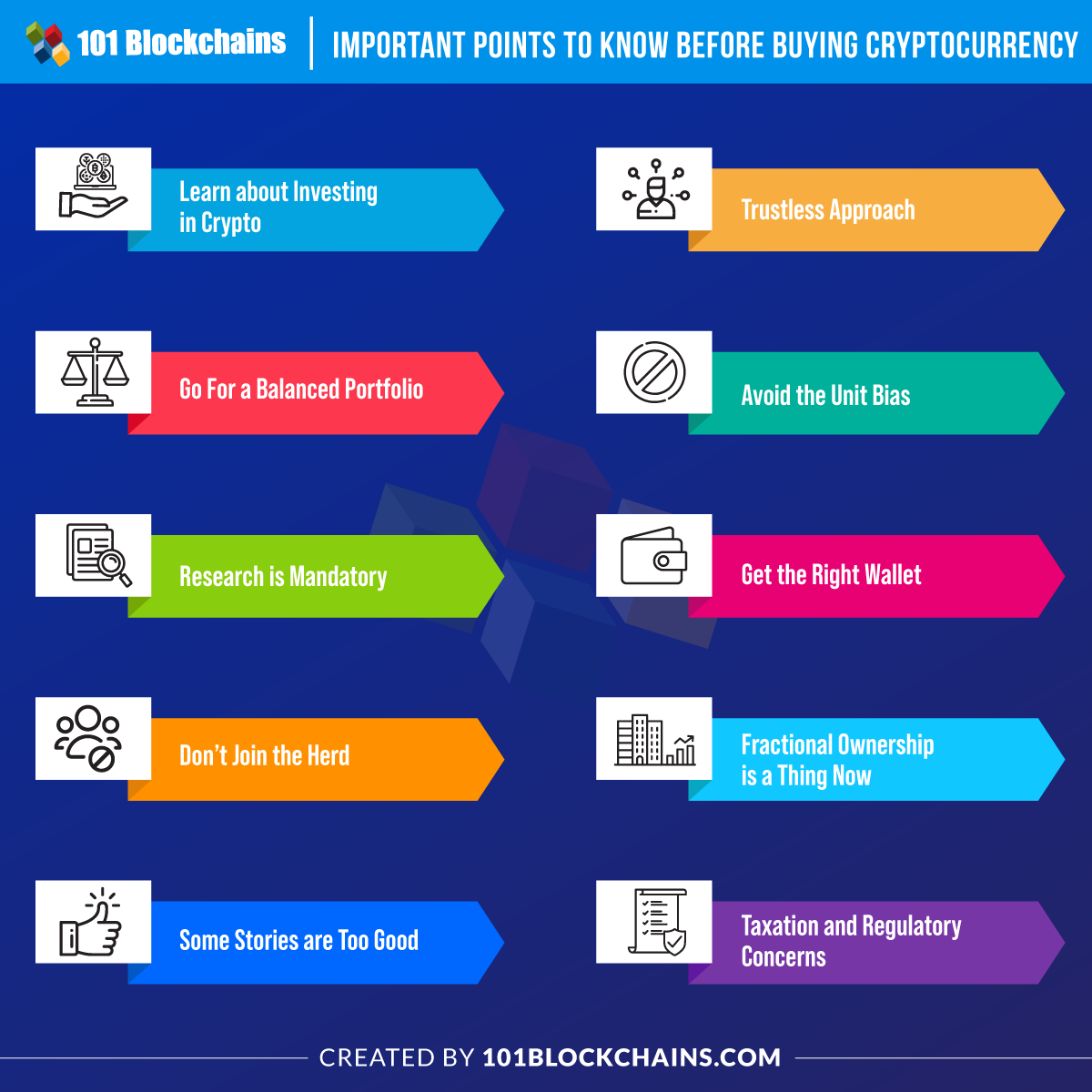
Before making any investment, especially in a nascent and dynamic market like cryptocurrency, several critical considerations should guide your decision-making process. Firstly, define your investment goals. Are you looking for short-term speculative gains, or are you adopting a long-term hodling (holding) strategy? Your objectives will influence the types of cryptocurrencies you consider and your risk tolerance. Secondly, conduct thorough due diligence. Research the specific cryptocurrency projects you are interested in. Evaluate their use case, the strength of their development team, community support, market capitalization, trading volume, and technological innovation. Beware of projects that lack clear utility or sustainable economic models. Lastly, assess your financial capacity. Only invest capital you can afford to lose, as the market can experience rapid and unpredictable price swings. A responsible approach involves allocating a small percentage of your overall investment portfolio to cryptocurrencies, in line with your personal risk appetite.
Risk Management and Volatility
Cryptocurrency markets are notorious for their high volatility. Prices can surge or plummet by significant percentages within short periods, driven by market sentiment, regulatory news, technological developments, and macroeconomic factors. This inherent volatility underscores the importance of robust risk management strategies. Diversification, while challenging in a rapidly evolving market, can help mitigate risk by spreading investments across different assets rather than concentrating capital in a single cryptocurrency. Implementing stop-loss orders on exchanges (if available and suitable for your strategy) can help limit potential losses. Furthermore, emotional investing often leads to poor outcomes; maintaining discipline and sticking to a pre-defined investment plan, regardless of market fluctuations, is crucial. Investors should be prepared for significant drawdowns and avoid making impulsive decisions based on fear of missing out (FOMO) or panic selling. A clear understanding of your personal risk tolerance is fundamental to navigating this high-stakes environment responsibly.
Choosing the Right Exchange
The gateway to buying cryptocurrency is through a crypto exchange. These platforms facilitate the buying, selling, and trading of digital assets. The choice of exchange significantly impacts your investment experience, encompassing factors like security, fees, available assets, and user interface. There are primarily two types of exchanges: centralized and decentralized.
Centralized Exchanges (CEXs) Explained
Centralized exchanges (CEXs) are the most common and user-friendly platforms for beginners. They operate similarly to traditional stock exchanges, acting as intermediaries between buyers and sellers. CEXs like Coinbase, Binance, Kraken, and Gemini offer a range of services, including fiat-to-crypto conversions (buying crypto with traditional currencies like USD, EUR), a wide selection of cryptocurrencies, advanced trading features, and customer support. They typically hold your funds in custody, meaning you don’t directly control your private keys, which introduces a layer of counterparty risk but often comes with enhanced security measures like insurance funds and robust cybersecurity protocols. The convenience of CEXs, with their intuitive interfaces and streamlined processes for account creation and funding, makes them an attractive option for newcomers. However, users should be aware of the fees associated with trading, deposits, and withdrawals, which can vary significantly between platforms.
Decentralized Exchanges (DEXs) and Their Role
Decentralized exchanges (DEXs) offer an alternative approach, allowing users to trade cryptocurrencies directly with each other without the need for an intermediary. DEXs operate on blockchain technology, utilizing smart contracts to facilitate trades. This model provides users with greater control over their assets, as they retain possession of their private keys throughout the trading process, eliminating counterparty risk. Popular DEXs include Uniswap, PancakeSwap, and SushiSwap. While DEXs offer enhanced privacy and reduced vulnerability to centralized hacks, they are generally more complex to use, require a deeper understanding of blockchain wallets, and may have lower liquidity for certain trading pairs compared to CEXs. They also typically do not support fiat-to-crypto conversions, meaning users often need to acquire cryptocurrency first on a CEX before trading on a DEX. For advanced users seeking maximum autonomy and privacy, DEXs represent a powerful tool.
Factors to Evaluate When Selecting an Exchange
When selecting a cryptocurrency exchange, several critical factors should guide your decision. Security is paramount; look for exchanges with a strong track record of protecting user funds, multi-factor authentication (MFA), cold storage solutions for a majority of assets, and robust cybersecurity frameworks. Fees can significantly impact your returns; compare trading fees, deposit fees, and withdrawal fees across different platforms. Available cryptocurrencies should align with your investment interests; ensure the exchange supports the assets you wish to buy. Liquidity is crucial for efficient trading, especially for larger orders, as it indicates the ease with which an asset can be bought or sold without significantly affecting its price. User interface and experience are important for ease of use, particularly for beginners. Lastly, regulatory compliance and the exchange’s reputation in your jurisdiction can impact its reliability and your ability to operate legally. Reading reviews and comparing multiple platforms will help you make an informed choice that suits your investment strategy and comfort level.
The Step-by-Step Process of Purchasing Crypto
Once you’ve chosen an exchange, the actual process of buying cryptocurrency is relatively straightforward. While specific steps may vary slightly between platforms, the general flow remains consistent.
Account Creation and Verification (KYC)
The first step is to create an account on your chosen exchange. This typically involves providing an email address and creating a strong password, ideally with multi-factor authentication (MFA) enabled from the outset. Following account creation, you will undergo a Know Your Customer (KYC) verification process. This is a mandatory regulatory requirement for most centralized exchanges to prevent illicit activities like money laundering. KYC usually involves providing personal information such as your full name, date of birth, address, and uploading copies of government-issued identification (e.g., passport, driver’s license) and sometimes proof of address. Some platforms may also require a selfie or a video verification. This process can take anywhere from a few minutes to several days, depending on the exchange and the volume of applications. It’s a crucial step that unlocks full trading capabilities and higher deposit/withdrawal limits.

Funding Your Account
After your account is verified, you’ll need to fund it with fiat currency (e.g., USD, EUR) or another cryptocurrency if you plan to trade. Common funding methods for fiat include bank transfers (ACH, SEPA, wire transfers), debit cards, and sometimes credit cards or other online payment services. Bank transfers generally have lower fees but can take several business days to clear. Debit/credit card purchases are often instant but typically incur higher fees. Each exchange will have specific instructions and associated fees for different deposit methods. Always check the minimum and maximum deposit limits. If you’re planning to trade one cryptocurrency for another, you’d deposit the existing crypto into your exchange wallet address provided by the platform. Ensure you’re sending the correct cryptocurrency to the corresponding wallet address to avoid loss of funds.
Placing Your First Order
With funds in your account, you are ready to place your first order. Navigate to the trading section of the exchange. Here, you will typically find a search bar to select the cryptocurrency you wish to buy and the currency pair you are trading with (e.g., BTC/USD for buying Bitcoin with US Dollars, or ETH/BTC for buying Ethereum with Bitcoin). You’ll then input the amount you want to purchase. The exchange will show you the current market price and the total cost, including any trading fees. Review all the details carefully before confirming your order. Once confirmed, the cryptocurrency will be purchased and deposited into your exchange wallet, typically almost instantly for market orders.
Understanding Different Order Types
Beyond a simple market order (buying at the current available price), exchanges offer various order types that can be beneficial for strategic investing. A limit order allows you to set a specific price at which you wish to buy or sell a cryptocurrency. The order will only execute if the market price reaches your specified limit or better. This is useful for securing a desired entry or exit point and avoiding sudden price fluctuations. A stop-loss order is designed to limit potential losses. You set a trigger price, and if the market price falls to that level, a market order (or sometimes a limit order) is automatically placed to sell your assets. This helps manage risk and protect capital. For more advanced traders, exchanges may offer other order types like stop-limit orders, fill-or-kill orders, and one-cancels-the-other (OCO) orders, each serving specific trading strategies for more precise control over transactions. Understanding these order types empowers investors to execute more sophisticated and financially sound trading decisions.
Securing Your Investment
The security of your cryptocurrency holdings is paramount. While exchanges implement their own security measures, the adage “not your keys, not your crypto” highlights the importance of personal responsibility in safeguarding digital assets.
Wallet Options: Hot vs. Cold Storage
After purchasing cryptocurrency, it’s crucial to decide how to store it. Hot wallets are internet-connected and include exchange wallets, web wallets, and mobile wallets. They offer convenience for frequent trading but are generally considered less secure due to their online exposure, making them more vulnerable to hacking attempts. For significant investments, leaving funds on an exchange is not recommended for long-term storage. Cold wallets, or hardware wallets, are physical devices that store your private keys offline, completely disconnected from the internet. Examples include Ledger and Trezor. These are considered the most secure option for storing large amounts of cryptocurrency for the long term, as they significantly reduce the risk of online theft. Paper wallets, which involve printing your public and private keys, are another form of cold storage, though they come with their own set of physical security risks (e.g., damage, loss, theft of the paper). The choice between hot and cold storage depends on the amount of crypto held, your trading frequency, and your personal risk tolerance.
Best Practices for Digital Security
Beyond choosing the right wallet, implementing robust digital security practices is essential. Always use strong, unique passwords for your exchange accounts and wallets, and enable multi-factor authentication (MFA) wherever possible. This adds an extra layer of security, typically requiring a code from an authenticator app or an SMS to log in or initiate transactions. Be vigilant against phishing attempts; always double-check URLs and sender emails before clicking links or entering credentials. Never share your private keys or seed phrases with anyone, as these grant full access to your funds. Regularly update your operating system, antivirus software, and browser to protect against malware. Consider using a Virtual Private Network (VPN) when accessing financial accounts on public Wi-Fi networks. Additionally, regularly back up your wallet recovery phrases (seed phrases) and store them securely offline in multiple, discreet locations.
Avoiding Scams and Phishing
The cryptocurrency space, unfortunately, attracts numerous scammers. Be highly skeptical of unsolicited offers promising guaranteed high returns, “giveaway” scams (where you’re asked to send crypto to receive more back), or anyone asking for your private keys. Be wary of projects with unrealistic promises, anonymous teams, or pressure to invest quickly. Verify information from multiple credible sources. If an offer seems too good to be true, it almost certainly is. Educating yourself about common scam tactics is your best defense against falling victim to financial fraud in the crypto market.
Navigating Taxes and Future Investments
The financial implications of buying and selling cryptocurrency extend beyond just profit and loss; taxation and long-term investment strategies are vital components of responsible crypto investing.
Cryptocurrency and Taxation
In many jurisdictions, including the United States, cryptocurrencies are treated as property for tax purposes, not as currency. This means that events like selling cryptocurrency for fiat, exchanging one cryptocurrency for another, or using crypto to pay for goods and services can trigger a taxable event. Holding cryptocurrency generally does not incur tax until a disposition event occurs. Capital gains or losses are calculated based on the difference between the purchase price (cost basis) and the sale price. Short-term capital gains (assets held for less than a year) are typically taxed at ordinary income rates, while long-term capital gains (assets held for over a year) often receive preferential tax rates. It is crucial to maintain accurate records of all your cryptocurrency transactions, including dates, amounts, and prices, to correctly calculate your tax obligations. Consulting with a tax professional specializing in digital assets is highly recommended to ensure compliance with local tax laws and to explore potential strategies for tax efficiency.
Long-Term vs. Short-Term Strategy
Deciding between a long-term “hodling” strategy and short-term trading is a fundamental financial decision that impacts risk, time commitment, and potential returns. A long-term strategy involves buying cryptocurrencies with strong fundamentals and holding them for extended periods, often years, with the expectation that their value will appreciate significantly over time. This approach typically involves less frequent trading, lower transaction fees, and potentially more favorable long-term capital gains tax rates. Short-term trading, on the other hand, involves frequent buying and selling to capitalize on market volatility and price swings. While it offers the potential for quicker profits, it also carries higher risk, incurs more transaction fees, requires more time and analysis, and is subject to higher short-term capital gains tax rates. Your chosen strategy should align with your financial goals, risk tolerance, and the amount of time you can dedicate to market analysis.

Diversification and Portfolio Management
As with traditional investments, diversification is a key principle in managing a cryptocurrency portfolio. While all cryptocurrencies can be correlated to some extent, diversifying across different types of digital assets (e.g., Bitcoin, Ethereum, stablecoins, DeFi tokens, NFTs) and different sectors within the crypto ecosystem can help reduce overall portfolio risk. Instead of putting all your capital into a single asset, spreading your investment across several promising projects can mitigate the impact of any single asset’s underperformance. Regular portfolio rebalancing—adjusting your holdings periodically to maintain your desired asset allocation—is also a sound practice. This involves selling off some of your high-performing assets to buy more of your underperforming ones, or simply maintaining your original percentage allocations, which can help lock in gains and manage risk over time. Constant learning, adapting to market changes, and refining your financial strategies are essential for sustainable success in the dynamic cryptocurrency investment landscape.
aViewFromTheCave is a participant in the Amazon Services LLC Associates Program, an affiliate advertising program designed to provide a means for sites to earn advertising fees by advertising and linking to Amazon.com. Amazon, the Amazon logo, AmazonSupply, and the AmazonSupply logo are trademarks of Amazon.com, Inc. or its affiliates. As an Amazon Associate we earn affiliate commissions from qualifying purchases.