
In an increasingly globalized world, air travel has become an indispensable part of both our personal and professional lives. Yet, the cost of flights often represents one of the most significant expenses associated with any journey, casting a shadow over the excitement of exploration or the necessity of business travel. For the financially savvy, the quest for cheap plane tickets isn’t merely about finding a good deal; it’s about intelligent money management, optimizing personal finance, and stretching one’s travel budget further. This comprehensive guide delves into the intricate economics of airfare, equipping you with the strategies, tools, and insights needed to consistently secure more affordable flights, transforming aspirational trips into tangible realities without breaking the bank.
Understanding Airfare Dynamics: The Fundamentals of Pricing
Before diving into specific tactics, it’s crucial to grasp the underlying mechanisms that dictate airline pricing. Airfare is not a static commodity; it’s a dynamic, algorithm-driven calculation influenced by a multitude of ever-changing variables. A superficial understanding can lead to missed opportunities, while a deeper insight empowers smarter financial decisions.
Supply, Demand, and Algorithms
At its core, airline pricing is a sophisticated dance between supply and demand, orchestrated by complex algorithms. Airlines employ advanced revenue management systems that constantly monitor booking patterns, historical data, competitor pricing, fuel costs, and even weather forecasts. When demand is high for a particular route or date – perhaps due to a major holiday, a popular event, or a peak travel season – prices will naturally surge. Conversely, during off-peak times or for less popular routes, prices tend to drop. These algorithms are designed to maximize revenue for the airline, segmenting passengers into different fare classes based on their willingness to pay. A seat on the same flight could be sold at vastly different prices depending on when it was booked, the flexibility of the ticket, and the perceived demand at that specific moment. This means that two passengers sitting side-by-side could have paid hundreds of dollars apart for their tickets, highlighting the financial advantage of understanding these dynamics.
The Impact of Booking Windows
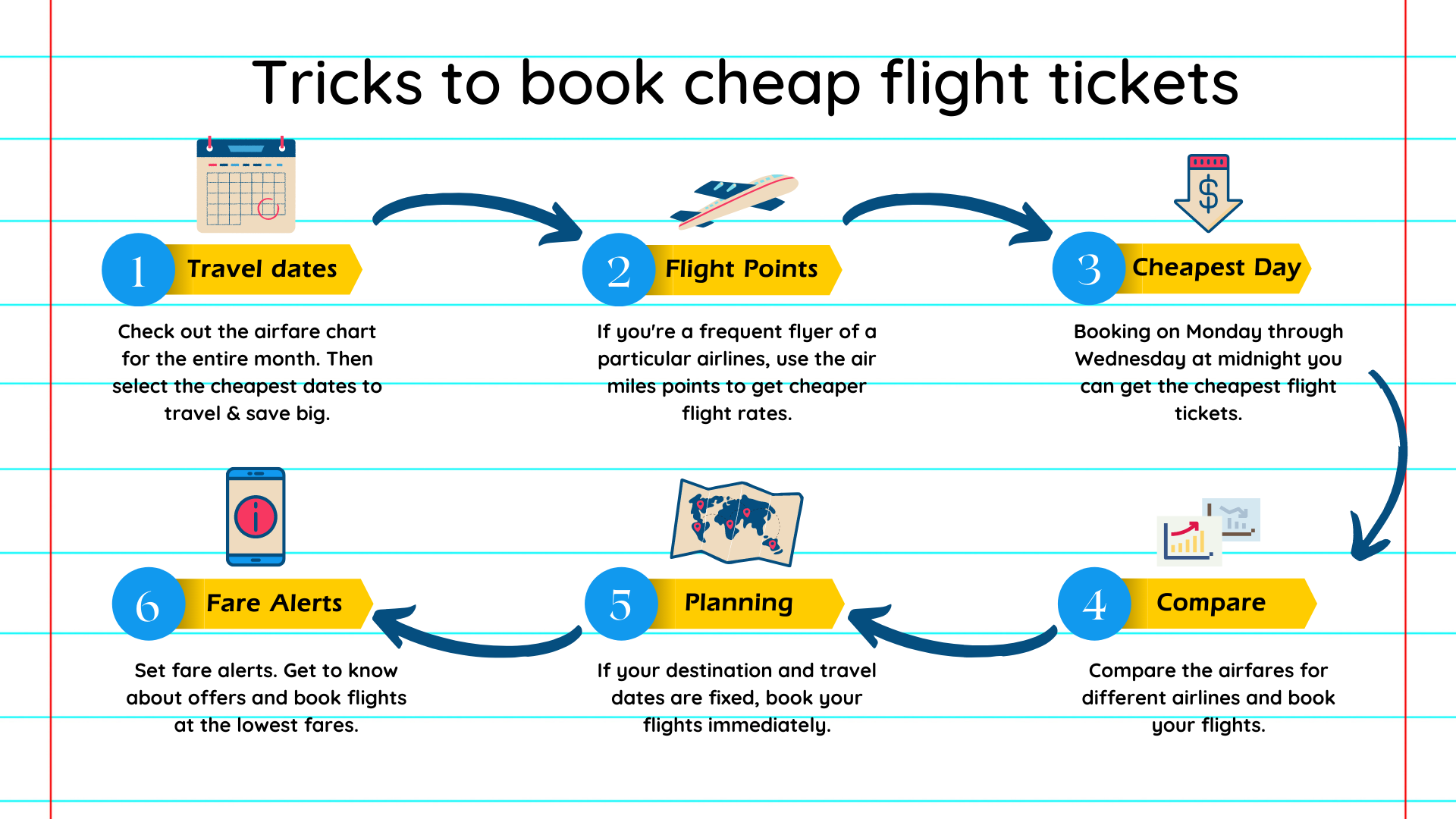
One of the most persistent myths in travel finance is the “best day to book” a flight. While Tuesdays were once touted as the magic day, the reality is far more nuanced. The concept of a “booking window” is more accurate. Generally, airlines release tickets up to 11 months in advance. Booking too early, however, can mean paying a premium, as airlines initially price tickets higher to capture early planners and business travelers whose companies cover costs. Booking too late, especially within a few weeks of departure, almost guarantees higher prices as seats become scarce and demand solidifies. The sweet spot, often referred to as the “golden window,” typically falls between 2 to 4 months before departure for international flights and 1 to 3 months for domestic trips. This window allows airlines to assess demand and adjust prices, often offering more competitive rates to fill remaining seats. Financial prudence dictates monitoring prices within this window rather than fixating on a single day.
Seasonality and Special Events
The calendar plays a huge role in airfare costs. Peak travel seasons – summer holidays, Christmas, New Year’s, Easter, and major public holidays – invariably see a significant spike in prices due to heightened demand. Conversely, the shoulder seasons (spring and fall, just outside peak times) and the true off-peak seasons (e.g., late January through early March, or November outside Thanksgiving) often present the best financial opportunities. Beyond general seasonality, specific events like major sports tournaments, music festivals, or large conferences in a destination can dramatically inflate flight prices and accommodation costs. A financially astute traveler will research these events and aim to either travel well before or after them, or choose alternative destinations. Understanding these predictable fluctuations allows for proactive financial planning and significant savings.
Strategic Booking: When and How to Search
Finding cheap plane tickets isn’t a stroke of luck; it’s the result of strategic planning, diligent research, and leveraging the right tools. The way you search and the flexibility you bring to the table can dramatically impact the final price.
The Golden Window: Myth vs. Reality
As discussed, while the “golden window” (2-4 months for international, 1-3 months for domestic) offers a general guideline, it’s not a rigid rule. The true “best time” is highly variable based on the route, airline, and demand. Instead of a fixed timeframe, think of this window as a period to actively monitor prices. Set price alerts and observe trends. For popular routes, booking closer to the earlier end of the window might be safer. For less traveled paths, waiting a bit longer might reveal last-minute deals if demand isn’t meeting airline expectations. The financial takeaway here is not to blindly book within a certain period but to use it as a trigger for intensive price observation.
Leveraging Price Comparison Sites and Aggregators
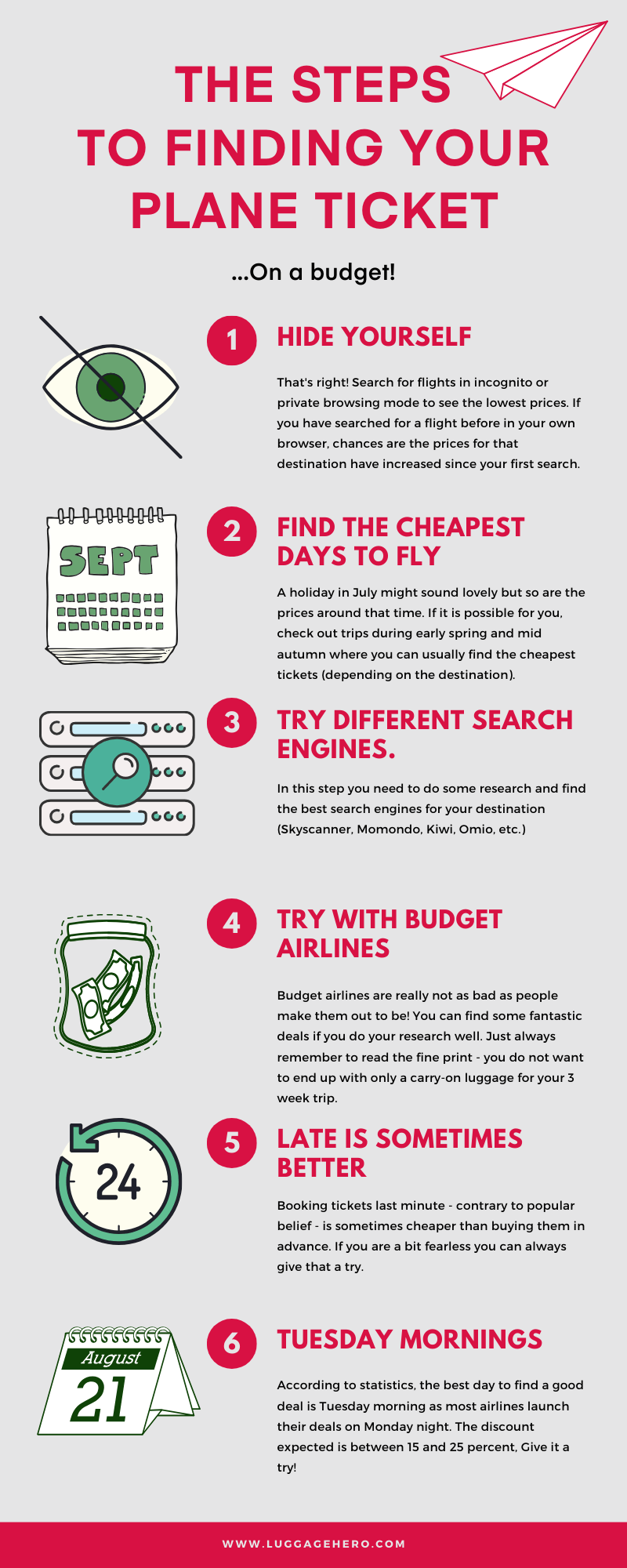
The digital age has armed consumers with powerful tools. Price comparison websites (like Google Flights, Skyscanner, Kayak, Momondo, Expedia, Priceline) are indispensable for uncovering the best deals. These aggregators scour thousands of airline and online travel agency (OTA) sites, presenting a comprehensive overview of available flights and their costs.
-
Google Flights excels with its calendar view, allowing you to easily see how prices change day by day, and its “Explore” feature for discovering destinations within a budget.
-
Skyscanner is famous for its “Everywhere” search function, perfect for those with flexible destinations, and its ability to search across entire months or even years.
-
Kayak offers “Hack Fares,” combining different airlines for cheaper itineraries, and has robust price alert features.
The key is not to rely on just one, but to cross-reference results across several platforms. Different aggregators may have exclusive partnerships or slightly different data scraping methods, leading to varied results. This multi-platform approach ensures a more thorough financial comparison.
Incognito Mode and Cookie Clearing
This is a frequently debated tactic, but many financially savvy travelers swear by it. Airlines and OTAs are known to track your browsing behavior through cookies. Some believe that if you repeatedly search for the same flight, the price might subtly increase, creating a sense of urgency to book. While airlines often deny this direct manipulation, it’s a simple, risk-free practice to adopt. Always search for flights in your browser’s incognito or private browsing mode. This prevents websites from storing cookies and tracking your activity. Alternatively, regularly clear your browser’s cookies. This ensures you’re always seeing the freshest, potentially unbiased, pricing available, protecting your financial interest from dynamic pricing models designed to capitalize on perceived intent.
Setting Price Alerts and Notifications
This is perhaps the most passive yet effective strategy for long-term savings. Almost all major price comparison sites and even some airline apps offer price alert services. You simply specify your desired route and dates, and the system notifies you via email or app notification when the price for that flight drops. This eliminates the need for constant manual checking and ensures you don’t miss a fleeting deal. For optimal financial advantage, set alerts as soon as you know your travel dates, even if they are far in the future, and for multiple date combinations if your schedule allows. This proactive monitoring is a cornerstone of smart travel finance.
Flexibility is Your Financial Friend
When it comes to securing cheap plane tickets, rigidity is the enemy of savings. The more flexible you can be with your travel plans, the greater your chances of unearthing significant financial advantages.
Embrace Off-Peak Travel
Traveling during off-peak times, both in terms of season and day of the week, is arguably the most impactful financial decision you can make. Flights on Tuesdays, Wednesdays, and Saturdays are often cheaper than those on high-demand Fridays and Sundays. Early morning flights or late-night red-eyes also tend to be less expensive, as they are less convenient for most travelers. While these times might require some adjustment to your schedule, the financial savings can be substantial, often hundreds of dollars per ticket. This is a direct application of supply and demand principles; by choosing less popular slots, you reduce demand for your specific seat, leading to lower prices.
Consider Alternative Airports
Major international airports often come with a premium. They are hubs for many airlines, resulting in higher landing fees and operational costs that are passed on to the consumer. Searching for flights into or out of smaller, regional airports near your primary destination can often yield significant savings. For example, flying into London Stansted or Luton instead of Heathrow, or Oakland instead of San Francisco, might require a short extra commute but could cut flight costs considerably. Always factor in the cost and time of ground transportation from the alternative airport to your final destination to ensure the overall savings are still worthwhile. This requires a slightly more complex financial calculation but often pays off.
The Power of Connecting Flights
Direct flights are convenient, but that convenience often comes at a financial cost. Flights with one or more layovers are almost universally cheaper than non-stop options. Airlines price direct flights higher because they cater to travelers who prioritize speed and simplicity. If your schedule allows for an extra few hours or even an overnight layover, opting for a connecting flight can result in substantial savings. Be mindful of layover durations; too short and you risk missing your connection, too long and the saving might not be worth the inconvenience. However, for the budget-conscious traveler, the trade-off of time for money is often a wise financial decision.
Flying Midweek vs. Weekends
As a general rule, flying in the middle of the week (Tuesday, Wednesday) is typically cheaper than flying on weekends. Weekend demand for both business and leisure travel is higher, driving up prices. Similarly, departing early in the morning or late at night can often be less expensive than midday flights. When searching, try varying your departure and return dates by a day or two to see how dramatically prices can fluctuate. Tools like Google Flights’ calendar view make this comparison incredibly easy, allowing you to visually identify the cheapest days to fly within your desired travel window. This small adjustment in timing can result in significant financial relief.
Unconventional Approaches to Savings
Beyond the standard strategies, there are several less common, yet highly effective, methods to unlock even deeper discounts and optimize your flight expenditures.
The Art of Error Fares and Flash Sales
Error fares, also known as “mistake fares,” occur when an airline or online travel agency accidentally publishes an incorrect price, often due to a data entry error or a currency conversion glitch. These can lead to incredibly cheap flights – sometimes even free, save for taxes. Flash sales, on the other hand, are intentional, time-limited promotions offered by airlines to fill seats during low-demand periods or to promote new routes. Finding these requires vigilance and quick action. Follow deal aggregator websites (like The Flight Deal, Scott’s Cheap Flights, Secret Flying), subscribe to their newsletters, and enable push notifications. When an error fare or flash sale appears, you typically have a very short window to book. Act fast, but always double-check the details before committing. While rare, successfully booking an error fare can lead to astronomical financial savings.
Loyalty Programs and Travel Rewards Cards
For frequent travelers, leveraging airline loyalty programs and travel rewards credit cards can transform regular spending into future flight savings.
-
Loyalty Programs: Join every airline’s frequent flyer program, even if you don’t fly with them often. Even small accruals of miles or points can add up over time, eventually leading to free flights, upgrades, or discounts.
-
Travel Rewards Credit Cards: Many credit cards offer substantial sign-up bonuses (tens of thousands of points or miles) upon meeting a minimum spending requirement. These points can then be redeemed for flights, often covering the entire cost of a ticket. Look for cards with no annual fees (or waived for the first year), or cards where the annual fee is offset by valuable travel perks (e.g., free checked bags, lounge access, travel credits). A responsible financial approach means paying off your balance in full each month to avoid interest charges, thus maximizing the value of the rewards without incurring debt. This strategy requires diligent financial management but can yield immense long-term savings.
Budget Airlines: Weighing the Pros and Cons
Budget airlines (e.g., Ryanair, Spirit, Allegiant, EasyJet, Wizz Air) are renowned for their incredibly low base fares. They achieve this by unbundling services, meaning everything from checked luggage, seat selection, in-flight meals, and even printing your boarding pass often comes with an extra charge. For the financially shrewd traveler, understanding this model is key. If you can travel light with just a personal item, don’t need specific seat assignments, and are comfortable with minimal amenities, budget airlines can offer unparalleled savings on short-haul flights. However, meticulously calculate all potential add-on fees to ensure the final cost doesn’t negate the initial fare advantage. Sometimes, a full-service airline’s slightly higher base fare might end up being cheaper overall once all extras are accounted for. This requires careful financial comparison.
Advanced Tactics and Long-Term Strategies
For those truly committed to mastering the art of cheap flights, several advanced maneuvers can unlock even greater financial efficiencies and foster a long-term approach to travel savings.
Open-Jaw and Multi-City Tickets
Don’t limit yourself to round-trip tickets returning to the same airport from which you departed. An “open-jaw” ticket involves flying into one city and flying out of another, for example, flying into London and out of Paris. A “multi-city” ticket allows for multiple stops, for example, flying from New York to London, then London to Rome, and Rome back to New York. Often, booking an open-jaw or multi-city itinerary can be cheaper than booking two separate one-way tickets or even a standard round-trip with complicated internal travel arrangements. This strategy offers greater travel flexibility and can be more financially efficient, especially for complex European or Asian itineraries. Using the multi-city search option on aggregators is crucial here.
Currency Conversion Advantages
When searching for international flights, occasionally check prices in the local currency of the airline or the departure country, even if it’s not your home currency. Sometimes, due to currency exchange rates or regional pricing strategies, a flight might be cheaper if booked directly on an airline’s foreign website in their local currency. This requires a credit card that doesn’t charge foreign transaction fees to maximize savings. While not a universally applicable strategy, it’s a worthwhile financial check, particularly for expensive long-haul flights. Use a reliable currency converter to quickly assess potential savings.
Travel Insurance: A Financial Safeguard
While not directly related to buying cheap tickets, comprehensive travel insurance is a crucial financial safeguard that can prevent much larger losses. Unexpected events like flight cancellations, lost luggage, medical emergencies abroad, or trip interruptions can quickly erode any savings you made on your flight. Travel insurance, especially for international trips or expensive itineraries, offers peace of mind and protection against unforeseen financial setbacks. Consider annual policies if you travel frequently, as they can be more cost-effective than purchasing individual policies for each trip. View travel insurance not as an extra cost, but as a critical component of responsible financial planning for travel.

Becoming a Savvy Travel Planner
Ultimately, consistently buying cheap plane tickets boils down to becoming a savvy travel planner. This involves a combination of patience, flexibility, diligent research, and leveraging the plethora of online tools available. It means thinking critically about every aspect of your trip, from the timing of your booking to your choice of airport and airline. Subscribe to newsletters from your favorite airlines and deal sites, keep an eye on travel news for industry trends or upcoming sales, and always be prepared to act quickly when a good deal appears. With practice, these strategies will become second nature, transforming the often-stressful task of booking flights into an empowering exercise in financial optimization.
In conclusion, the pursuit of cheap plane tickets is an exercise in applied personal finance. It requires understanding market dynamics, employing strategic search techniques, embracing flexibility, and leveraging both conventional and unconventional avenues for savings. By integrating these insights and strategies into your travel planning process, you not only reduce your travel expenses but also gain greater control over your financial resources, paving the way for more frequent, enjoyable, and financially sustainable adventures around the globe.
aViewFromTheCave is a participant in the Amazon Services LLC Associates Program, an affiliate advertising program designed to provide a means for sites to earn advertising fees by advertising and linking to Amazon.com. Amazon, the Amazon logo, AmazonSupply, and the AmazonSupply logo are trademarks of Amazon.com, Inc. or its affiliates. As an Amazon Associate we earn affiliate commissions from qualifying purchases.