
Gift cards have become a ubiquitous part of modern commerce, evolving from simple paper vouchers to sophisticated digital instruments. For many, they represent a convenient and thoughtful gift, offering recipients the freedom to choose exactly what they want. However, beyond their role as presents, gift cards hold significant financial implications for both buyers and recipients. Understanding how to buy a gift card isn’t just about the transaction; it’s about making a financially astute decision, maximizing value, and mitigating potential risks. This guide delves into the strategic aspects of purchasing gift cards, empowering you to navigate this market with confidence and insight from a personal finance perspective.
The Evolving Landscape of Gift Cards: More Than Just a Present
Once considered a last-minute solution, gift cards have matured into a multi-billion dollar industry, serving various purposes beyond simple gifting. Their versatility and convenience have cemented their place in personal finance strategies, employee rewards programs, and even as tools for managing household budgets.
Why Gift Cards Are a Savvy Financial Tool
From a personal finance standpoint, gift cards offer several compelling advantages. Firstly, they provide a means of controlled spending. For a buyer, purchasing a gift card with a set value can ensure that a recipient spends within a specific budget, preventing overspending or the awkwardness of giving cash. For a recipient, a gift card can act as a dedicated fund for a particular merchant or category, helping them stick to a budget for discretionary spending or a specific purchase they’ve been saving for.
Secondly, gift cards can be powerful tools for financial planning and savings. Savvy consumers often purchase gift cards at a discount or leverage credit card rewards points to acquire them, effectively getting more purchasing power for less outlay. This strategy is particularly effective for planned purchases at specific retailers, allowing individuals to lock in savings before a sale even begins. For instance, buying a $100 gift card for $90 at a discount translates to an immediate 10% saving on future purchases at that store.
Lastly, gift cards offer security and convenience. They eliminate the risk of carrying large amounts of cash and can be easily replaced if lost or stolen (provided the buyer has registered them and kept proof of purchase). Digital gift cards, in particular, offer unparalleled convenience, arriving instantly and residing securely within mobile wallets or email inboxes, ready for immediate use.
Understanding the Two Main Types: Open-Loop vs. Closed-Loop
Before making a purchase, it’s crucial to distinguish between the two primary categories of gift cards, as their financial implications and utility vary significantly.
Closed-Loop Gift Cards: These are specific to a single retailer or brand. Think of a gift card for Starbucks, Amazon, or a local restaurant. Their value is restricted to that particular merchant’s ecosystem. While limited in where they can be spent, closed-loop cards often come with fewer fees, are frequently offered at discounts, and can be excellent for targeted gifting or pre-budgeting for specific stores you frequent. The financial decision here revolves around the recipient’s brand preference and the buyer’s ability to secure a discount.
Open-Loop Gift Cards: These are issued by major payment networks like Visa, MasterCard, American Express, or Discover. They function much like a debit card, accepted wherever that payment network is honored. This offers maximum flexibility for the recipient, as they can be used for a wide range of purchases, from groceries to online subscriptions. However, this flexibility often comes at a cost: open-loop cards typically incur an activation fee (e.g., $3-$6 for a $50 card) and may have stricter expiration policies or dormancy fees if not used within a certain period. Financially, open-loop cards are a good option when you want to give pure spending power without dictating the merchant, but buyers must factor in the activation fees, which reduce the card’s effective value.
Where to Purchase Gift Cards: Navigating Your Options
The proliferation of gift cards means they are available through numerous channels, each offering distinct advantages in terms of convenience, discounts, and security. Making an informed choice about where to buy can significantly impact your financial benefit.
Online Retailers and Brand Websites: Convenience at Your Fingertips
Purchasing gift cards online, either directly from a brand’s website or through major online retailers like Amazon, is often the most convenient option. Digital gift cards (e-gift cards) are typically delivered instantly via email, making them perfect for last-minute gifts. Many brand websites offer personalized designs and the ability to schedule delivery for a future date, enhancing the gifting experience.
Financial Advantages: Online purchases frequently come with promotions. Keep an eye out for “buy one, get one” offers, bonus cards for larger purchases, or discounts on specific denominations, especially during holiday seasons. E-gift cards also save you the trip to a physical store and potential associated costs (fuel, parking), contributing to overall savings. Moreover, buying directly from a reputable online source often ensures the card’s authenticity and reduces the risk of fraud.
Brick-and-Mortar Stores: The Traditional Approach
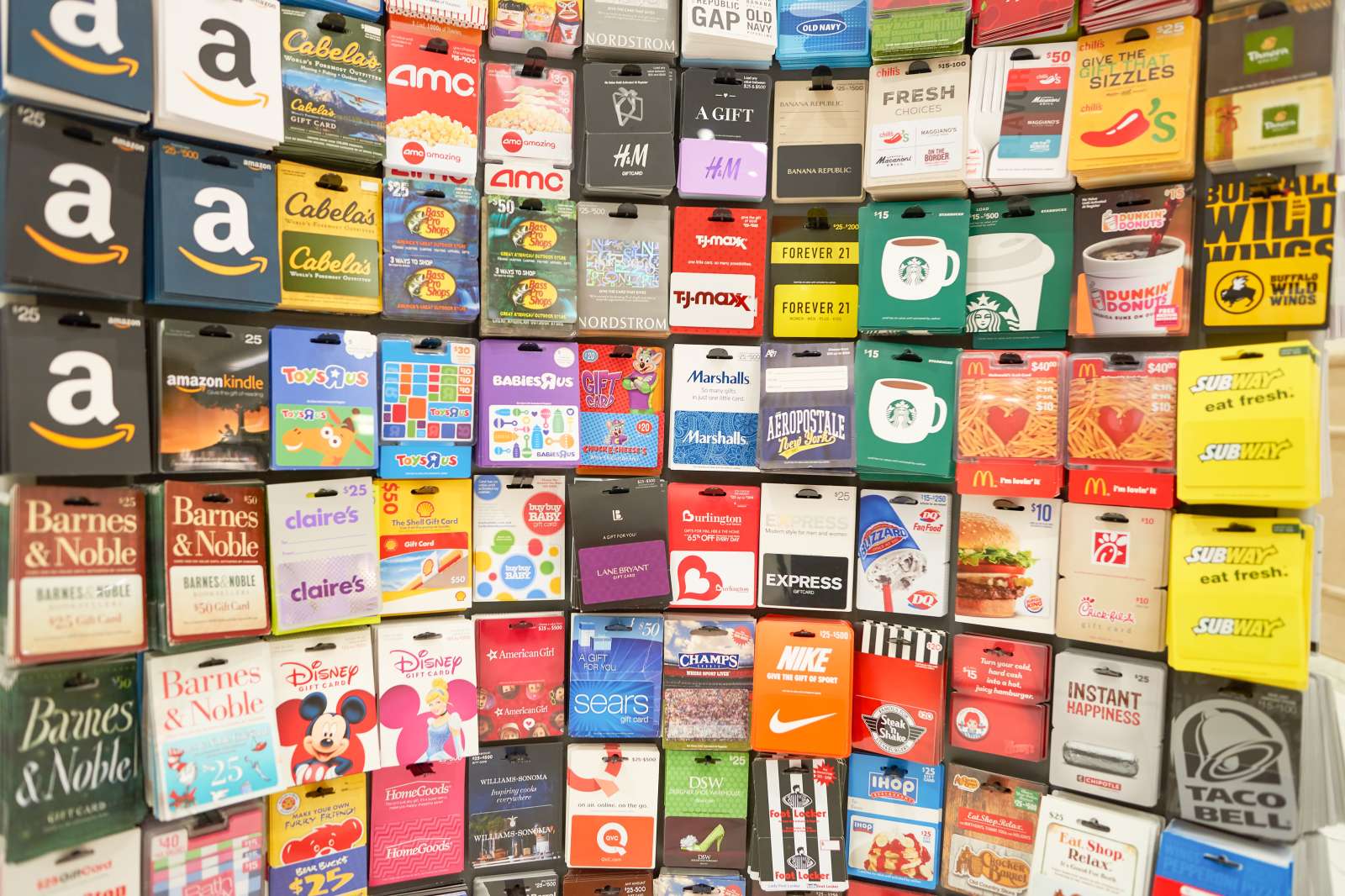
For those who prefer a tangible gift or need to make an immediate purchase, physical stores remain a popular choice. Grocery stores, pharmacies, department stores, and big-box retailers all feature extensive gift card displays.
Financial Advantages: While potentially less prone to discounts than online channels, physical stores can offer their own unique benefits. For instance, some grocery stores offer bonus loyalty points or fuel rewards when you purchase gift cards, effectively giving you a rebate on your spending. Additionally, inspecting the physical card for tampering (e.g., scratched PINs or altered packaging) is easier in person, adding a layer of security, especially for open-loop cards. This method is also ideal for purchasing open-loop cards, where you can immediately pay the activation fee and have a ready-to-use financial instrument.
Discount & Resale Platforms: Unlocking Value
A growing segment of the gift card market involves third-party platforms specializing in discounted gift cards. Websites like CardCash, Raise, or GiftCards.com allow consumers to buy unused gift cards at a percentage off their face value. These platforms acquire gift cards from individuals who don’t want them and then resell them to buyers looking for a deal.
Financial Advantages: This is arguably the most financially astute way to acquire gift cards. You can often find popular brand gift cards at 5-20% off their face value, offering significant immediate savings on future purchases. For example, buying a $100 Nordstrom gift card for $85 means you save $15 on your next shopping trip before even considering sales or coupons. This strategy is excellent for disciplined spenders who know they will use the card and are willing to wait a few days for physical delivery or immediate e-delivery.
Caveats: While financially appealing, buyers must exercise caution. Always choose reputable platforms with strong buyer protection policies. Verify the card’s balance before use (if possible) and be aware of any potential fees or restrictions imposed by the platform itself.
Key Financial Considerations Before Buying
The decision to buy a gift card should involve more than just selecting a design or denomination. A financially savvy buyer considers a range of factors to ensure the purchase is sound and delivers maximum value.
Decoding Fees, Expiration Dates, and Terms & Conditions
Fees: This is paramount, especially for open-loop gift cards. Activation fees directly reduce the effective value of the card. Some cards might also have dormancy fees, where a small monthly fee is deducted if the card isn’t used after a certain period (e.g., 12-24 months). Always read the fine print on the card packaging or the issuer’s website to identify any associated fees. Closed-loop cards are generally free of these service fees, but it’s always wise to confirm.
Expiration Dates: Federal law dictates that gift cards cannot expire in less than five years from the date of issuance or the last time funds were added. However, some promotional value or bonus cards might have shorter expiry periods. For instance, a “buy $50, get a $10 bonus card” offer might have the $10 bonus expire much sooner than five years. Understanding these dates is critical to avoid losing funds.
Terms & Conditions: Beyond fees and expiration, review other important terms. Can the card be reloaded? Is it redeemable for cash? What is the policy for lost or stolen cards? Are there limits on online vs. in-store use? These details can significantly impact the card’s utility and your ability to leverage its full value.
Security Measures: Protecting Your Purchase
Gift card fraud is a persistent issue, leading to financial losses for both buyers and recipients. Adopting basic security measures can protect your investment.
- Purchase from Reputable Sources: Stick to official brand websites, major retailers, and trusted discount platforms. Avoid buying gift cards from secondary markets with unknown sellers or through unsolicited emails/calls.
- Inspect Physical Cards: If buying in-store, carefully examine the packaging. Look for signs of tampering, scratched-off PINs, or altered barcodes. Fraudsters sometimes record card numbers and PINs before purchase, then drain the balance once activated.
- Retain Proof of Purchase: Keep the receipt, activation codes, and the card’s full number (and PIN if applicable). This information is crucial for disputing unauthorized charges or seeking a replacement if the card is lost or stolen.
- Register Your Card: Many gift card issuers allow you to register your card online. This often provides better protection against loss or theft, making it easier to track the balance or get a replacement.
Maximizing Value: Rewards, Promotions, and Budgeting
Smart buyers leverage various strategies to get more bang for their buck.
- Credit Card Rewards: Use credit cards that offer bonus points or cashback on categories like groceries, gas, or general purchases, where gift cards are often sold. This effectively gives you a small percentage back on your gift card purchase.
- Sales and Promotions: Be vigilant for seasonal sales, holiday promotions, or specific deals (e.g., “spend $50, get a $10 bonus card”). These often provide direct financial benefits.
- Budgeting for Future Purchases: If you know you’ll be making a significant purchase at a particular store (e.g., new appliances, holiday shopping), buying discounted gift cards in advance can serve as a pre-payment strategy, locking in savings immediately.
- Corporate Perks: Some employers offer gift cards as part of employee benefits or discount programs. Check if your workplace provides access to discounted gift cards.
The Smart Buyer’s Checklist: Avoiding Common Pitfalls
Even with the best intentions, gift card purchases can go awry. Being aware of common issues and knowing how to respond can save you money and frustration.
Verifying Authenticity and Preventing Scams
The market for gift cards is unfortunately targeted by scammers.
- Verify the Merchant: Ensure the gift card you’re buying is for a legitimate and desired merchant.
- Beware of Pressure Tactics: Never purchase gift cards under pressure from someone claiming to be from the IRS, law enforcement, or tech support, demanding payment via gift cards. This is a classic scam.
- Check Balances Regularly: If you’re holding onto a gift card for a while, periodically check its balance on the issuer’s official website or by calling their customer service. This helps detect unauthorized use early.
Managing Your Gift Card Portfolio: Tracking and Utilizing Balances
Just like any other financial asset, gift cards require management.
- Create a System: Use a spreadsheet, a dedicated app, or even a physical envelope system to track gift cards you own. Record the card number, PIN, balance, purchase date, and expiration date.
- Prioritize Use: Use cards with shorter expiration dates or those from less-frequently visited merchants first to avoid losing value.
- Consolidate (if possible): Some retailers allow you to consolidate multiple small-value gift cards onto a single card or into your online account balance. This simplifies management.
What to Do If Things Go Wrong: Customer Support and Recourse
Despite precautions, issues can arise. Knowing your options is key.
- Lost or Stolen Cards: Immediately contact the issuer with your proof of purchase and card details. Many companies can cancel the old card and issue a new one, especially if the card was registered.
- Disputed Charges/Zero Balance: If a newly purchased card shows a zero balance or unauthorized activity, contact the seller (e.g., the grocery store or online retailer) and the card issuer immediately. Provide all relevant documentation.
- Unused Balances: If you have small, lingering balances that aren’t worth a trip to the store, consider using them for online purchases or combining them with another payment method for a larger transaction. Some states have laws requiring retailers to cash out small balances.
Beyond the Purchase: Strategic Use and Financial Implications
The journey of a gift card doesn’t end with its purchase or receipt. Its strategic use and broader financial implications are equally important for the financially astute individual.
Gift Cards as Budgeting Tools
For many, gift cards aren’t just gifts; they’re an integral part of personal budgeting. By converting a portion of your discretionary funds into a specific gift card, you can effectively “ring-fence” money for particular spending categories, preventing it from being diverted elsewhere. For instance, a family might buy a monthly grocery store gift card to ensure they stick to their food budget, or a student might use a book store gift card to cover academic expenses without touching their main checking account. This psychological accounting can be a powerful aid in financial discipline.
The Ethical and Economic Impact of Unused Balances
A significant amount of gift card value goes unused each year. This “breakage” represents a direct financial loss for consumers and a windfall for retailers. From an economic standpoint, it represents capital that is tied up and not flowing through the economy as intended. As a buyer, ensuring your gift cards are used is an ethical imperative to maximize the value you’ve paid for and to ensure the recipient truly benefits. As a recipient, actively managing and utilizing gift cards is a key aspect of responsible personal finance, preventing unnecessary loss of purchasing power.
Future Trends: Digital Wallets and Cryptocurrency Integration
The financial landscape is constantly evolving, and gift cards are no exception. The increasing adoption of digital wallets (Apple Pay, Google Pay) makes storing and using e-gift cards seamless. Furthermore, there’s a burgeoning interest in integrating cryptocurrency into gift card platforms, allowing users to purchase gift cards with digital assets. While these trends mainly impact usage rather than immediate buying, understanding them ensures you remain an informed participant in the gift card economy, ready to leverage future financial innovations for greater convenience and value.
In conclusion, buying a gift card is far more than a simple transaction. It’s a financial decision that, when approached strategically, can offer significant value, convenience, and control. By understanding the types of cards, optimizing purchase channels, being diligent about terms and security, and actively managing usage, you can transform the act of buying a gift card into a truly smart financial move.
aViewFromTheCave is a participant in the Amazon Services LLC Associates Program, an affiliate advertising program designed to provide a means for sites to earn advertising fees by advertising and linking to Amazon.com. Amazon, the Amazon logo, AmazonSupply, and the AmazonSupply logo are trademarks of Amazon.com, Inc. or its affiliates. As an Amazon Associate we earn affiliate commissions from qualifying purchases.