
Budgeting is often perceived as a restrictive and complex financial chore, a necessary evil that curbs spending and limits enjoyment. However, at its core, proper budgeting is an empowering practice that transforms financial anxiety into clarity, control, and ultimately, freedom. It’s not about deprivation; it’s about intentionality – directing your money to serve your goals, whether they’re saving for a down payment, paying off debt, building an emergency fund, or simply enjoying life without financial stress.
In an increasingly unpredictable economic landscape, mastering the art of budgeting is no longer a luxury but a fundamental skill for individuals and households alike. This comprehensive guide will demystify the process, offering actionable insights and strategies to help you not just create a budget, but truly budget properly, leading to a more secure and prosperous financial future.
The Foundational Principles of Effective Budgeting
Before diving into numbers and spreadsheets, it’s crucial to establish a solid understanding of the principles that underpin any successful budget. Without this groundwork, even the most meticulous plan can falter.
Understanding Your Financial Landscape
The first step in proper budgeting is to gain a clear and honest picture of your current financial situation. This involves knowing exactly how much money comes in and how much goes out.
-
Income Assessment: Accurately tally all sources of income, whether it’s your primary salary, freelance work, rental income, or any other regular inflow. Be precise with net income (after taxes and deductions), as this is the actual money you have to work with.
-
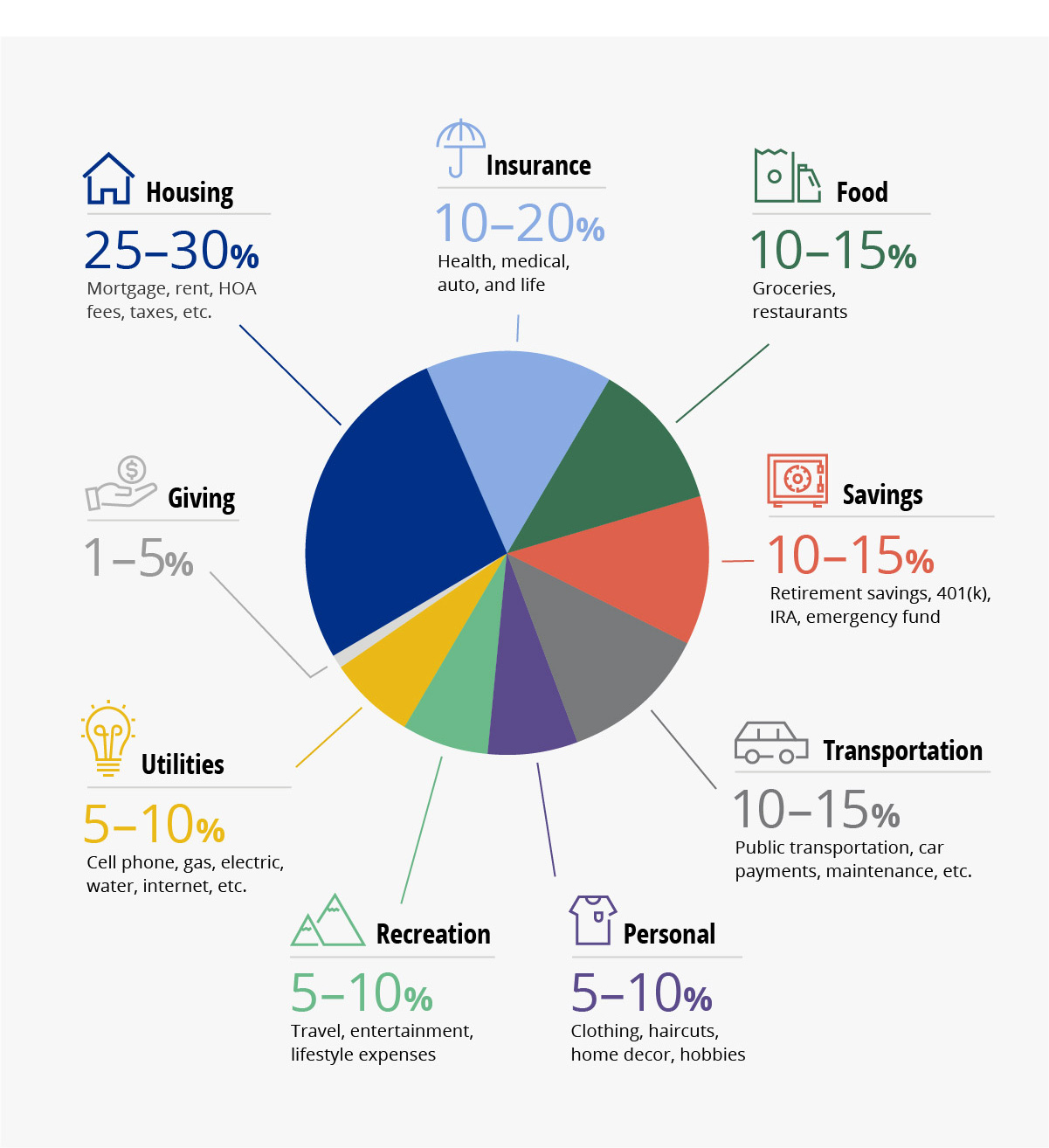
Expense Tracking: This is where many people struggle, yet it’s arguably the most critical component. For at least a month, meticulously track every single dollar you spend. Categorize these expenses (rent, groceries, utilities, transportation, dining out, entertainment, subscriptions, etc.). You might be surprised by where your money is actually going. Digital tools, banking apps, or even a simple notebook can aid in this tracking. Differentiate between fixed expenses (consistent, like rent) and variable expenses (fluctuating, like groceries or entertainment).
Defining Your Financial Goals
A budget without goals is like a ship without a destination. Your financial aspirations provide the motivation and direction for your spending and saving habits.
-
Short-Term Goals: These are typically achievable within a year, such as building a starter emergency fund ($1,000), saving for a holiday, or paying off a small credit card balance.
-
Mid-Term Goals: These might take 1-5 years, like saving for a car down payment, a larger emergency fund (3-6 months of expenses), or tackling significant debt.
-
Long-Term Goals: These are typically 5+ years out, encompassing objectives like a house down payment, retirement savings, or funding a child’s education.
Articulate these goals clearly, assign a specific amount to each, and give them a realistic timeline. This clarity will help you prioritize and allocate funds within your budget.
The Core Philosophy: Income Minus Expenses
At its heart, budgeting is a simple equation: your income must be greater than or equal to your expenses. Ideally, your income should exceed your expenses, leaving a surplus that can be directed towards savings and debt repayment. If expenses consistently exceed income, you’re operating at a deficit, a financially unsustainable position that necessitates immediate adjustments. Understanding this fundamental balance is the bedrock of proper financial management.
Choosing and Implementing Your Budgeting Method
There isn’t a one-size-fits-all approach to budgeting. The best method is the one you will consistently use. Experiment with different strategies to find what resonates with your personality and financial situation.
The 50/30/20 Rule: A Balanced Approach
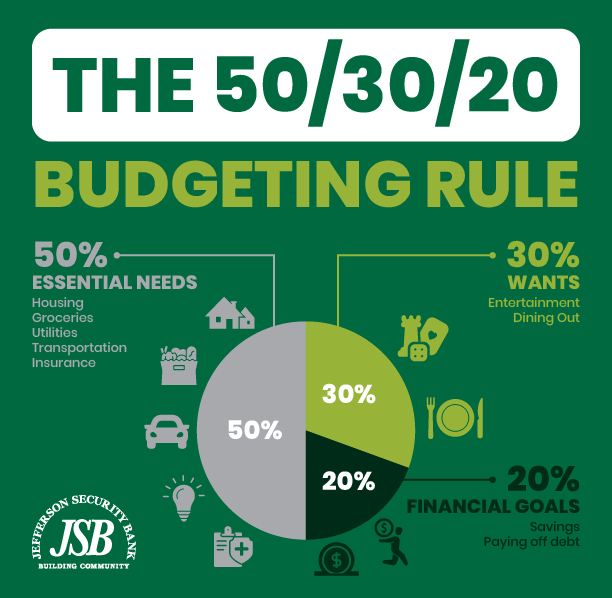
Popularized by Senator Elizabeth Warren, this method offers a simple yet effective framework for beginners.
-
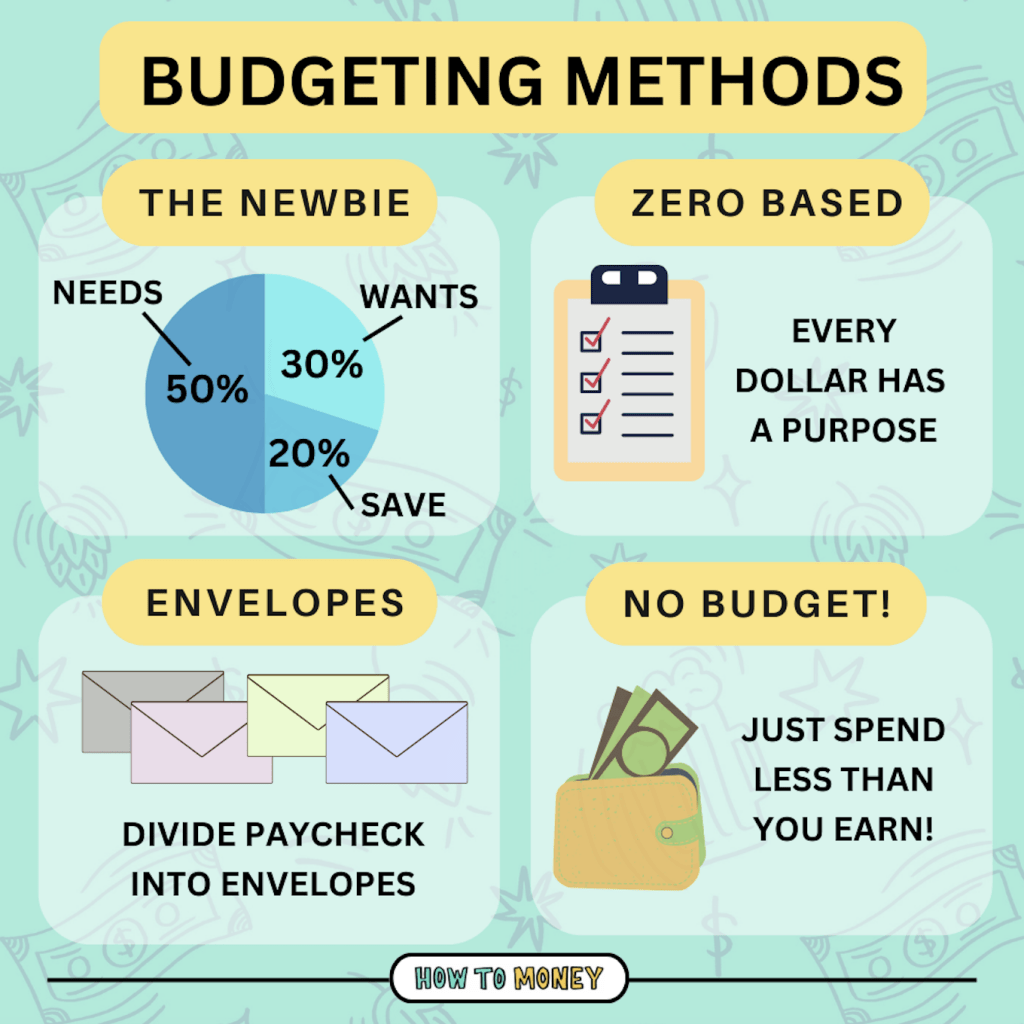
50% for Needs: This category includes essential expenses like housing, utilities, groceries, transportation, insurance, and minimum loan payments.
-
30% for Wants: This covers discretionary spending that improves your quality of life but isn’t strictly essential, such as dining out, entertainment, hobbies, travel, and personal shopping.
-
20% for Savings & Debt Repayment: This portion is dedicated to building your emergency fund, contributing to retirement accounts, investing, and paying down debt beyond minimums.
The 50/30/20 rule is excellent for providing broad guidelines without excessive micro-management, making it easier to stick to.
Zero-Based Budgeting: Every Dollar Has a Job
The core principle of zero-based budgeting is that every dollar of your income is assigned a purpose. When your income minus your expenses (including savings and debt payments) equals zero, you have a zero-based budget.
-
Mechanism: At the start of each month, you allocate every dollar you expect to earn. If you earn $4,000, you assign $4,000 to various categories (rent, food, savings, entertainment, etc.). No money is left unaccounted for.
-
Benefit: This method gives you complete control and forces you to be highly intentional with your money. It’s particularly effective for those who tend to overspend or want to aggressively pay down debt. It requires more effort but yields powerful results.
Envelope System: A Tangible Approach
This traditional, cash-based method is perfect for visual learners or those who struggle with impulse spending using cards.
-
Mechanism: After paying fixed bills digitally, you withdraw cash for your variable expense categories (groceries, dining out, entertainment) and place them into physical envelopes labeled for each category. Once an envelope is empty, you stop spending in that category until the next budgeting period.
-
Benefit: The physical act of handing over cash creates a stronger psychological barrier to overspending than swiping a card. It also makes it impossible to spend money you don’t have in a specific category.
Digital Tools and Apps: Modernizing Your Budget
Leverage technology to streamline and simplify the budgeting process.
-
Budgeting Apps: Apps like Mint, YNAB (You Need A Budget), Personal Capital, or EveryDollar can link to your bank accounts, categorize transactions automatically, track spending, set goals, and provide visual reports.
-
Spreadsheets: For those who prefer a more hands-on approach, custom Excel or Google Sheets templates offer immense flexibility to design a budget tailored precisely to your needs.
These tools provide real-time insights and often automate tedious tracking, freeing you up to focus on analysis and adjustment.
Tracking, Adjusting, and Staying Accountable
Creating a budget is only the beginning. Its true power lies in consistent application, regular review, and a willingness to adapt.
Consistent Monitoring: The Key to Success
A budget isn’t a static document; it’s a living financial plan.
-
Daily/Weekly Check-ins: Regularly review your spending against your budgeted categories. Are you on track? Are there areas where you’re consistently overspending? Early detection allows for minor course corrections rather than major overhauls.
-
Record Every Transaction: Whether using an app or manually, diligently recording every expense is non-negotiable for accurate tracking. Don’t let small purchases slip through the cracks, as they can quickly add up.
Adapting to Life’s Changes
Life is unpredictable, and your budget needs to be flexible enough to accommodate shifts.
-
Income Fluctuations: If your income changes, adjust your budget immediately. A pay raise might mean increasing savings or debt payments; a pay cut necessitates tightening belts.
-
Unexpected Expenses: While an emergency fund handles major crises, smaller unexpected costs (e.g., car repairs, medical co-pays) can derail a rigid budget. Build a small “miscellaneous” buffer into your plan.
-
Major Life Events: Marriage, a new baby, a job change, or buying a home will all require a complete re-evaluation and overhaul of your budget.
Building in Flexibility and Fun
A budget that’s too restrictive is a budget doomed to fail.
-
Avoid Deprivation: Allocating some money for discretionary spending, hobbies, and occasional treats is crucial. If your budget makes you feel completely deprived, you’re more likely to abandon it altogether.
-
The “Fun Money” Category: Consider a dedicated “fun money” or “personal allowance” category that you can spend guilt-free on anything you desire. This small indulgence can prevent budget fatigue.
The Power of Regular Reviews
Schedule dedicated time each month (e.g., the last Sunday of the month) to review your budget.
-
Analyze Performance: Compare actual spending to budgeted amounts. Identify patterns, successes, and areas for improvement.
-
Refine Categories: Are your categories still relevant? Do you need more granular categories in some areas, or can you combine others?
-
Update Goals: Revisit your financial goals. Are you on track? Do any need to be adjusted based on progress or changes in priorities? This regular ritual solidifies your commitment and keeps your financial plan aligned with your life.
Beyond the Basics: Advanced Budgeting Strategies
Once you’ve mastered the fundamentals, you can integrate more sophisticated techniques to optimize your financial journey.
Automating Your Savings and Bills
Take the guesswork and willpower out of essential financial actions.
-
Automatic Transfers: Set up automatic transfers from your checking account to your savings, investment, and debt repayment accounts immediately after you get paid. “Pay yourself first” ensures your financial goals are met before discretionary spending occurs.
-
Automatic Bill Pay: Automate fixed bill payments to avoid late fees and manage cash flow more efficiently.
Tackling Debt Strategically
Budgeting is a powerful tool for accelerating debt repayment.
-
Debt Snowball: Pay off the smallest debt first to gain momentum, then roll that payment into the next smallest debt.
-
Debt Avalanche: Focus on paying off the debt with the highest interest rate first to save the most money over time.
Allocate specific budget amounts above minimum payments to these strategies.
Planning for Irregular Expenses and Emergencies
Not all expenses are monthly, and some are entirely unforeseen.
-
Sinking Funds: Create “sinking funds” for irregular but anticipated expenses like annual insurance premiums, holiday gifts, car maintenance, or home repairs. Each month, allocate a small amount to these separate savings accounts or digital envelopes so the money is available when needed.
-
Emergency Fund: Prioritize building a robust emergency fund (3-6 months of essential living expenses) to shield yourself from unexpected job loss, medical emergencies, or other crises without going into debt.
Integrating Budgeting with Long-Term Investing
Once your emergency fund is solid and high-interest debt is managed, your budget becomes a powerful engine for wealth creation.
-
Retirement Contributions: Use your budget to systematically contribute to 401(k)s, IRAs, or other retirement accounts.
-
Investment Goals: Allocate a portion of your income to a brokerage account for long-term investment goals, leveraging the power of compounding.
Common Budgeting Pitfalls and How to Avoid Them
Even with the best intentions, many people stumble on their budgeting journey. Recognizing common traps can help you navigate them successfully.
Unrealistic Expectations
Trying to cut expenses too drastically from the outset often leads to burnout. Be realistic about what you can sustainably cut without feeling deprived. Make gradual changes if necessary.
Ignoring Small Expenses
The “latte factor” is real. Small, frequent purchases – daily coffee, subscription services you rarely use, impulse buys – can silently erode your budget. Track them diligently and make conscious choices about their value.
Lack of Consistency
Budgeting isn’t a one-time event; it’s an ongoing practice. Skipping tracking for a week or neglecting monthly reviews will quickly unravel your progress. Develop a routine and stick to it.
Giving Up Too Soon
There will be months when you go over budget, or unexpected costs derail your plans. Don’t let a single setback define your entire effort. Learn from it, adjust, and recommit. Proper budgeting is a marathon, not a sprint, and continuous improvement is the goal.
By embracing these principles and strategies, budgeting transforms from a daunting task into an empowering journey toward financial mastery. It’s the roadmap to understanding your money, making it work for you, and ultimately achieving your deepest financial aspirations. Start today, stay consistent, and watch your financial life flourish.
aViewFromTheCave is a participant in the Amazon Services LLC Associates Program, an affiliate advertising program designed to provide a means for sites to earn advertising fees by advertising and linking to Amazon.com. Amazon, the Amazon logo, AmazonSupply, and the AmazonSupply logo are trademarks of Amazon.com, Inc. or its affiliates. As an Amazon Associate we earn affiliate commissions from qualifying purchases.