
In an era of rising inflation and economic volatility, the ability to manage one’s personal finances is no longer a luxury—it is a survival skill. Many individuals view budgeting as a restrictive practice, a financial “diet” that prevents them from enjoying life. However, the reality is quite the opposite. A well-constructed budget is a roadmap to freedom; it provides the clarity needed to make informed decisions, reduces the stress associated with debt, and paves the way for long-term wealth accumulation. To master your money, you must transition from being a passive observer of your bank statement to an active architect of your financial future.
The Foundation of Financial Freedom: Understanding Why You Need a Budget
Before diving into spreadsheets and calculations, it is essential to understand the psychological and structural importance of budgeting. At its core, budgeting is the process of creating a plan for your money. It ensures that you will always have enough for the things you need and the things that are important to you. Without a plan, money tends to disappear into the “black hole” of impulse buys and overlooked recurring subscriptions.
Shifting Your Mindset from Scarcity to Strategy
Most people avoid budgeting because they associate it with scarcity—the idea that they can’t buy what they want. To succeed, you must shift your mindset toward strategy. Instead of seeing a budget as a “no,” see it as a “yes” to your larger goals. By saying no to a daily $7 latte, you are saying yes to a down payment on a home or a stress-free retirement. A budget gives you permission to spend without guilt because you know that the money has been specifically allocated for that purpose.
Tracking Cash Flow: The Visibility Principle
You cannot manage what you do not measure. The visibility principle is the first step in any successful financial plan. This involves tracking every dollar that enters and leaves your accounts over a 30-day period. Many are shocked to find that they spend hundreds of dollars on “leakage”—small, unmonitored expenses that add up to significant amounts. By gaining total visibility of your cash flow, you identify these leaks and reclaim the power to redirect that capital toward more productive uses.
Popular Budgeting Frameworks: Finding the Right System for Your Life
There is no one-size-fits-all approach to budgeting. The best system is the one that you can stick to consistently. Depending on your personality, your income stability, and your financial goals, different frameworks may offer varying levels of success.
The 50/30/20 Rule: Simplicity for Beginners
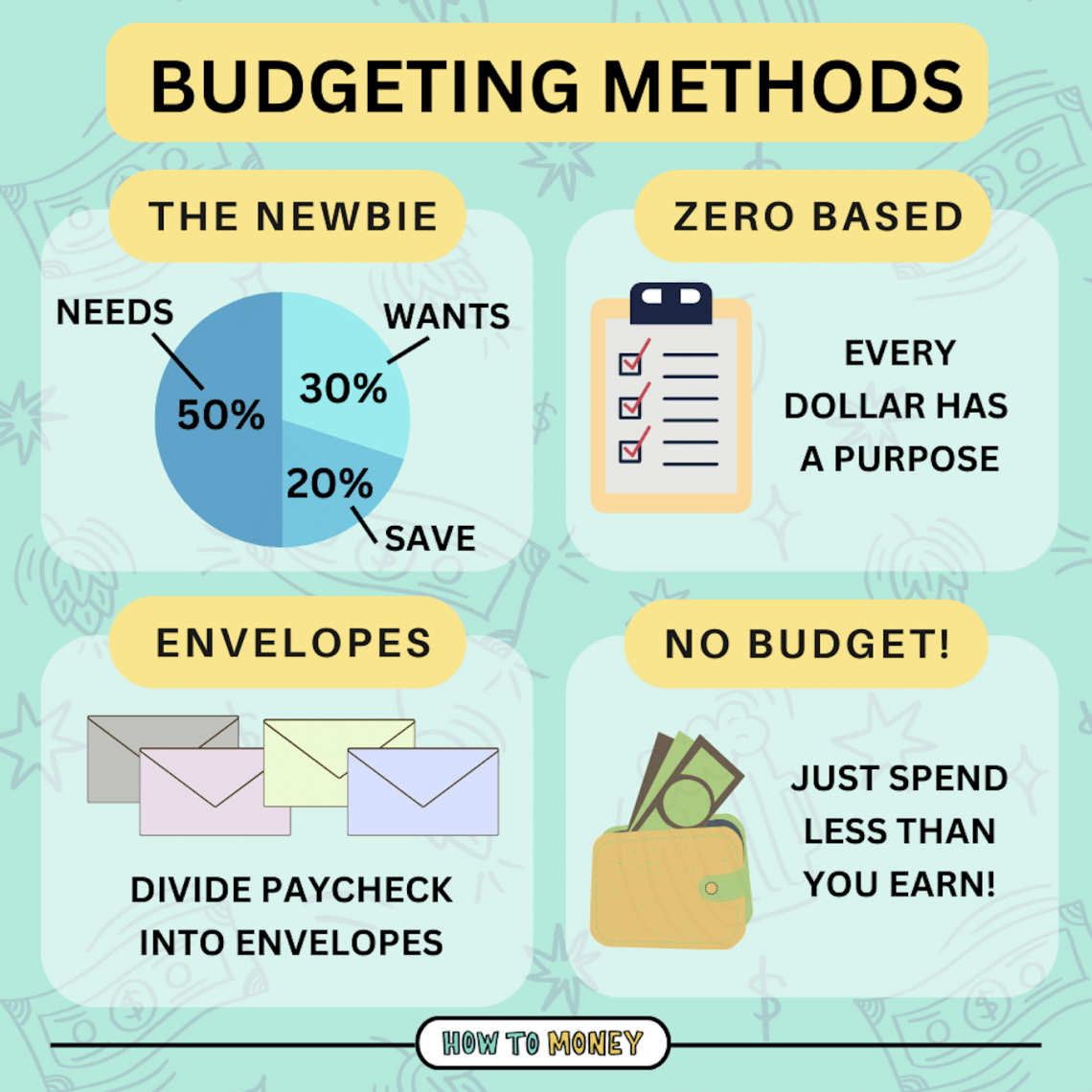
For those who are new to personal finance or prefer a low-maintenance approach, the 50/30/20 rule is an excellent starting point. This framework divides your after-tax income into three distinct buckets:
- 50% for Needs: This includes essential costs like housing, utilities, groceries, and insurance.
- 30% for Wants: This covers discretionary spending, such as dining out, hobbies, and streaming services.
- 20% for Savings and Debt Repayment: This is the most critical bucket, dedicated to emergency funds, retirement contributions, and paying down high-interest debt.
The beauty of this system is its simplicity; it provides a high-level view of your spending habits without requiring you to track every single category in microscopic detail.
Zero-Based Budgeting: Giving Every Dollar a Job
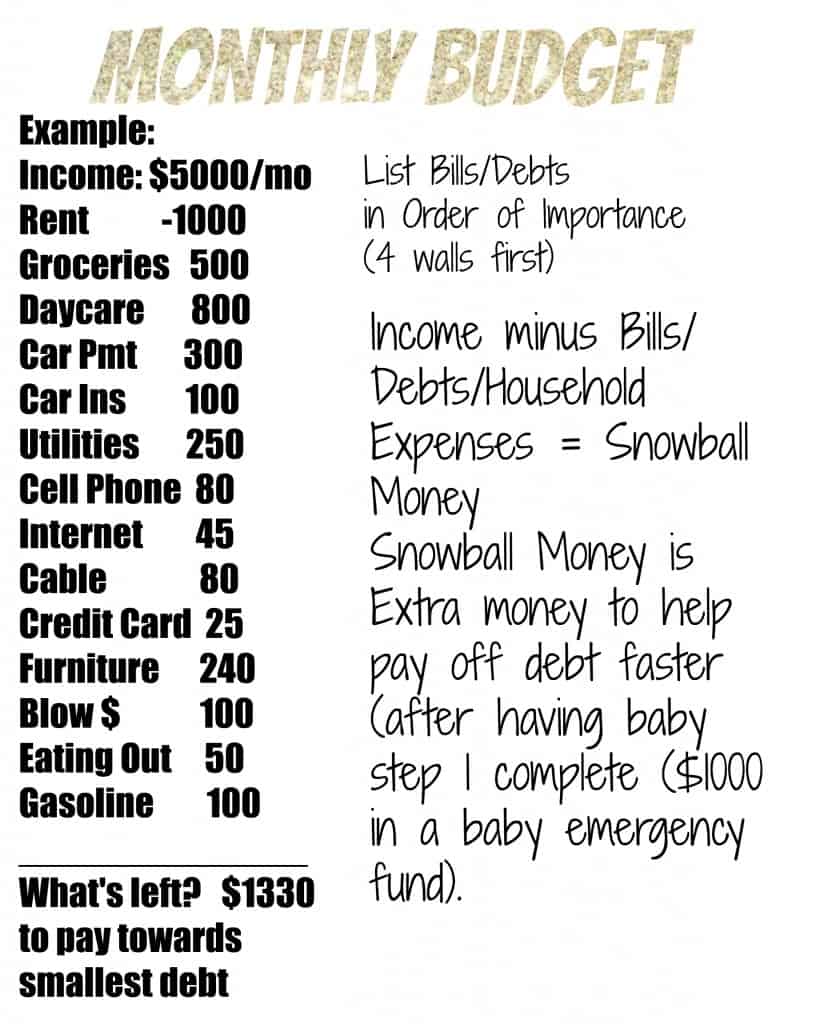
Zero-based budgeting is a more rigorous method favored by financial experts like Dave Ramsey. The philosophy is simple: Income minus Expenses must equal zero at the end of the month. This does not mean you have zero dollars in your bank account; rather, it means that every single dollar has been assigned a specific destination (e.g., $500 to rent, $200 to groceries, $100 to savings). If you have $50 left over at the end of your planning, you must assign it to a category, such as an extra payment on a credit card. This method eliminates “lazy money” and forces you to be intentional with every cent.
The Envelope System: Controlling Impulse Spends
For those who struggle with overspending on credit or debit cards, the Envelope System is a classic, tactile solution. After determining your budget for variable categories (like groceries, entertainment, or clothing), you withdraw the allotted amount in cash and place it in a labeled envelope. Once the envelope is empty, you cannot spend any more in that category until the next month. This creates a physical boundary that digital transactions often lack, helping to rewire your brain’s relationship with spending.
Step-by-Step: Building Your First Sustainable Budget
Creating a budget requires a balance of historical data and future projections. It is a living document that should evolve as your life changes.
Calculating Net Income vs. Gross Income
A common mistake in budgeting is using one’s gross salary (the number on your offer letter) rather than net income (the amount that actually hits your bank account). When building your budget, always use your “take-home pay.” Ensure you account for deductions such as taxes, health insurance premiums, and 401(k) contributions. If you are a freelancer or have a variable income, use a “floor” amount—the minimum you expect to earn—to ensure your basic needs are always covered.
Categorizing Fixed vs. Variable Expenses
To build an accurate budget, you must distinguish between fixed and variable expenses.
- Fixed Expenses: These are costs that remain the same every month, such as rent, car payments, or a gym membership. These are the easiest to budget for because they are predictable.
- Variable Expenses: These fluctuate based on usage or choice, such as groceries, electricity, and entertainment.
The key to managing variable expenses is to use an average based on the last three months of spending. By setting a “cap” on these categories, you create a buffer that prevents a high utility bill or an expensive social weekend from derailing your entire month.
Building an Emergency Fund into the Plan
A budget that doesn’t account for the unexpected is destined to fail. Financial experts recommend maintaining an emergency fund of three to six months’ worth of living expenses. When starting out, your budget should prioritize a “starter” emergency fund of $1,000 to $2,000. This acts as a financial shock absorber, ensuring that a flat tire or a broken appliance doesn’t force you to rely on high-interest credit cards, which would otherwise break your budgeting cycle.
Advanced Budgeting: Leveraging Financial Tools and Investment Strategies
Once you have mastered the basics of tracking and allocation, you can move toward optimizing your budget for wealth creation. This involves using sophisticated tools and shifting your focus from “saving” to “investing.”
Financial Tools and Automation
In the modern financial landscape, manual tracking can be cumbersome. Leveraging financial tools can automate the “heavy lifting.” Many banking apps now offer automated transfers that move money into savings the moment your paycheck arrives—this is often called “paying yourself first.” Furthermore, using expense-tracking software allows you to visualize your spending patterns through charts and graphs, making it easier to identify trends and adjust your behavior in real-time.
Integrating Debt Repayment and Wealth Building
A mature budget is not just about keeping the lights on; it’s about building a legacy. As your budgeting discipline improves, you should strategically allocate funds toward debt repayment using methods like the “Debt Snowball” (paying off smallest balances first for psychological wins) or the “Debt Avalanche” (paying off highest interest rates first to save money). Simultaneously, your budget should account for retirement vehicles like IRAs or brokerage accounts. The goal is to move your budget from a defensive stance (avoiding debt) to an offensive stance (growing assets).
Maintaining Discipline: Overcoming Common Budgeting Hurdles
The hardest part of budgeting is not the math—it’s the discipline. Human psychology is often at odds with delayed gratification, and “lifestyle creep” is a constant threat to financial progress.
The Psychology of Overspending
We often spend money to solve emotional problems: stress, boredom, or the desire for social validation. Recognizing these triggers is vital. Before making a non-essential purchase, implement a “72-hour rule.” Wait three days before buying; if you still want the item and it fits within your discretionary “wants” budget, then proceed. This cooling-off period often reveals that the “need” was merely a passing impulse.

Regular Audits and Adjustments
A budget is not a “set it and forget it” tool. Life is dynamic. You might get a raise, move to a new city, or experience a change in family status. Conduct a monthly “financial date” with yourself (and your partner, if applicable) to review the previous month’s performance. Did you overspend on dining out? Did you save more than expected? Use these insights to calibrate the following month’s budget. Consistent adjustment is the difference between a budget that feels like a cage and one that feels like a compass.
By following these principles, you transform your relationship with money. Budgeting is the cornerstone of all personal finance success. It is the tool that allows you to stop wondering where your money went and start telling it exactly where to go. Through discipline, the right framework, and consistent monitoring, you can achieve financial stability and, ultimately, the freedom to live life on your own terms.
aViewFromTheCave is a participant in the Amazon Services LLC Associates Program, an affiliate advertising program designed to provide a means for sites to earn advertising fees by advertising and linking to Amazon.com. Amazon, the Amazon logo, AmazonSupply, and the AmazonSupply logo are trademarks of Amazon.com, Inc. or its affiliates. As an Amazon Associate we earn affiliate commissions from qualifying purchases.