
Purchasing a home is arguably the most significant financial commitment an individual will make in their lifetime. It is a transition from being a consumer of housing to being an investor in real estate. However, the path to homeownership is often obscured by emotional desires and market pressures, leading many to overlook the rigorous financial planning required to sustain such an investment. To budget for a house successfully, one must look beyond the monthly mortgage payment and evaluate the entire ecosystem of homeownership costs, from the initial accumulation of capital to the long-term maintenance of the asset.
Assessing Your Financial Foundation
Before browsing listings or attending open houses, a potential buyer must conduct a deep diagnostic of their current financial health. Lenders do not just look at your income; they look at your reliability and your existing obligations.
Understanding the Debt-to-Income Ratio (DTI)
The Debt-to-Income ratio is the primary metric lenders use to determine how much house you can afford. It is calculated by dividing your total monthly debt payments by your gross monthly income. Most conventional lenders prefer a DTI of 36% or lower, with no more than 28% of that income dedicated specifically to housing costs (the 28/36 rule). To budget effectively, you must calculate this figure honestly. If your DTI is currently high due to student loans or credit card debt, your first budgeting step isn’t saving for a down payment—it is aggressive debt reduction to improve your borrowing power.
The Role of Credit Scores in Budgeting
Your credit score is the single most influential factor in determining your mortgage interest rate. A difference of even 0.5% in an interest rate can equate to tens of thousands of dollars over the life of a 30-year loan. When budgeting for a house, you must factor in the “cost of credit.” If your score is below 740, your budget should include a timeline for credit repair. By paying down balances and ensuring no late payments occur, you effectively lower your future monthly housing expense before you even sign a contract.
Establishing an Independent Emergency Fund
A common mistake is exhausting all liquid savings for the down payment. In a professional financial plan, your “House Fund” and your “Emergency Fund” must be two distinct buckets. A house is an illiquid asset; you cannot easily tap into your home’s equity to pay for a medical emergency or a job loss. Before allocating a single dollar to a down payment, ensure you have three to six months of living expenses tucked away in a high-yield savings account.
Determining Your True Purchasing Power
Once your foundation is solid, you must determine the actual capital required to execute the purchase. This involves more than just the sticker price of the home.
The Down Payment: Myth vs. Reality
The 20% down payment is the gold standard of personal finance because it allows the buyer to avoid Private Mortgage Insurance (PMI) and start with significant equity. However, in high-priced markets, 20% can be a daunting figure. While programs exist for 3%, 3.5%, or even 0% down (such as VA or USDA loans), budgeting for a lower down payment requires a trade-off: a higher monthly payment and the added cost of PMI. When building your budget, run the numbers for both a 10% and a 20% down payment to see how the “cost of waiting” to save more compares to the “cost of PMI.”
Accounting for Closing Costs
Closing costs are the “silent” budget killers. These fees typically range from 2% to 5% of the home’s purchase price. They cover loan origination fees, title insurance, appraisals, government recording fees, and taxes. On a $400,000 home, this could mean an additional $12,000 to $20,000 due at the time of signing. A professional budget must include these as a non-negotiable line item separate from the down payment.
The “Earnest Money” Deposit
In competitive real estate markets, you will need liquid cash the moment you make an offer. Earnest money—essentially a “good faith” deposit—is typically 1% to 3% of the purchase price. While this money eventually goes toward your down payment or closing costs at the end of the transaction, it must be readily available in your checking account at the start of the process.
Factoring in the Hidden Costs of Ownership
The true cost of a house is not the mortgage; it is the “PITI” plus the “everything else.” PITI stands for Principal, Interest, Taxes, and Insurance.

Property Taxes and Insurance
Property taxes vary significantly by municipality and can increase annually. Furthermore, homeowners insurance is a mandatory expense for anyone with a mortgage. Depending on your location, you may also need supplemental insurance for floods, earthquakes, or windstorms. When budgeting, research the local tax rates and get insurance quotes for the types of homes you are considering. These are not static costs; they generally trend upward, meaning your budget must have built-in “inflation protection.”
The Maintenance Reserve: The 1% Rule
One of the most significant shifts from renting to owning is the transfer of maintenance responsibility. Financial experts recommend the “1% Rule”: set aside at least 1% of the home’s total value every year for maintenance and repairs. If you buy a $500,000 home, you should budget $5,000 annually ($416 per month) for items like roof repairs, HVAC servicing, or plumbing issues. This is not for “upgrades” or “remodeling”; it is strictly for preserving the asset’s current condition.
Utility Adjustments and HOA Fees
Moving from an apartment to a house often results in a significant spike in utility costs. Larger square footage requires more heating and cooling, and homeownership introduces new bills like water, sewer, and trash collection that may have been covered by a landlord. Additionally, if the property is part of a Homeowners Association (HOA), those monthly or annual fees must be integrated into your DTI calculations. HOA fees can range from nominal amounts to hundreds of dollars a month, directly impacting your monthly cash flow.
Strategic Savings Plans and Financial Tools
How you save is just as important as how much you save. To reach a homeownership goal, you need a disciplined approach to capital accumulation.
Leveraging High-Yield Savings and Money Market Accounts
Since a house purchase is usually a short-to-medium-term goal (1–5 years), the money should not be exposed to the volatility of the stock market. Instead, utilize High-Yield Savings Accounts (HYSAs) or Money Market Accounts. These tools offer safety and liquidity while providing a modest return that helps combat inflation. For a fixed timeline, Certificates of Deposit (CDs) or short-term Treasury bills can also be effective tools to “lock away” the money so it isn’t spent on lifestyle creep.
Automating the “Mortgage Simulation”
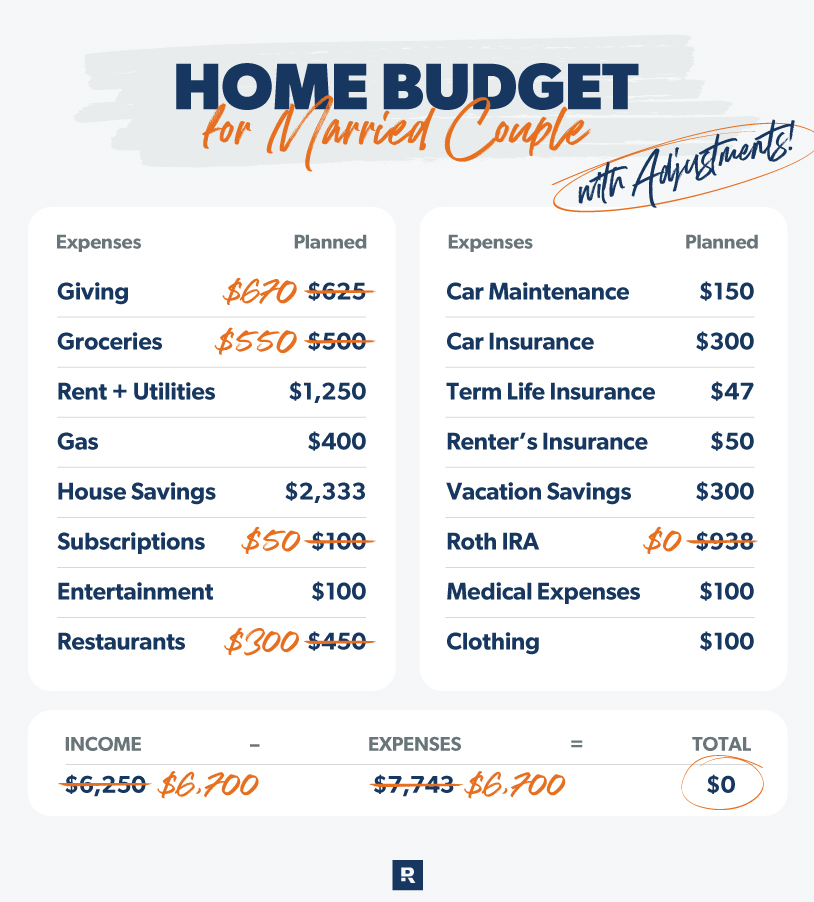
A highly effective budgeting strategy is the “Mortgage Simulation.” If your current rent is $1,500 and your projected mortgage (including taxes, insurance, and maintenance) is $2,500, start “paying” yourself that extra $1,000 immediately. Divert it into your house savings account every month. This does two things: it builds your down payment rapidly, and it proves to you that your lifestyle can actually handle the higher monthly obligation. If you find yourself struggling to make ends meet during the simulation, you know you need to adjust your target home price downward.
Tax-Advantaged Accounts
In some jurisdictions, there are specific tax-advantaged accounts or provisions for first-time homebuyers. In the United States, for example, certain IRA rules allow you to withdraw up to $10,000 for a first-time home purchase without the 10% early withdrawal penalty (though income taxes still apply). While tapping into retirement funds is generally discouraged, it is a tool that can be used strategically within a broader financial plan.
Navigating the Mortgage Landscape for Long-Term Wealth
The final stage of budgeting involves selecting the right financial instrument to fund the purchase. The structure of your debt is just as important as the price of the house.
Fixed-Rate vs. Adjustable-Rate Mortgages (ARMs)
A 30-year fixed-rate mortgage offers the most stability for budgeting, as your principal and interest payments remain constant. Adjustable-rate mortgages may offer lower initial rates but introduce “interest rate risk.” If you plan to be in the home for less than five years, an ARM might save you money, but for a long-term residence, the predictability of a fixed rate is usually worth the slight premium.
The Impact of Points and Buy-downs
During the closing process, you may have the option to “buy down” your interest rate by paying “points” upfront. One point usually costs 1% of the loan amount and lowers the interest rate by a specific percentage. This is essentially an upfront investment to lower your monthly budget. To decide if this is worth it, calculate the “break-even point”—the number of months it takes for the monthly savings to equal the upfront cost. If you plan to stay in the house past the break-even point, it is a sound financial move.

Finalizing the Pre-Approval
A pre-approval is the culmination of your budgeting efforts. It is a document from a lender stating exactly how much they are willing to lend you based on a verified review of your finances. However, a professional homebuyer knows that what a bank will lend you and what you should spend are often two different numbers. Always stick to the budget you created based on your personal cash flow and long-term financial goals, rather than the maximum limit the bank provides.
By treating the process of budgeting for a house as a comprehensive financial audit, you ensure that homeownership becomes a pillar of your net worth rather than a drain on your future security. Strategic planning, disciplined saving, and an honest assessment of all associated costs are the keys to a successful transition from renter to owner.
aViewFromTheCave is a participant in the Amazon Services LLC Associates Program, an affiliate advertising program designed to provide a means for sites to earn advertising fees by advertising and linking to Amazon.com. Amazon, the Amazon logo, AmazonSupply, and the AmazonSupply logo are trademarks of Amazon.com, Inc. or its affiliates. As an Amazon Associate we earn affiliate commissions from qualifying purchases.