
Purchasing a Tesla in 2024 represents a significant financial decision that extends far beyond the initial sticker price. As the electric vehicle (EV) market matures, the financial landscape surrounding these vehicles has shifted from early-adopter premiums to a more nuanced calculation of tax incentives, operational savings, and fluctuating resale values. For the modern investor or personal finance enthusiast, understanding the true cost of a Tesla requires a deep dive into the 2024 pricing structures, the evolving federal tax landscape, and the long-term total cost of ownership (TCO) compared to traditional internal combustion engine (ICE) vehicles.
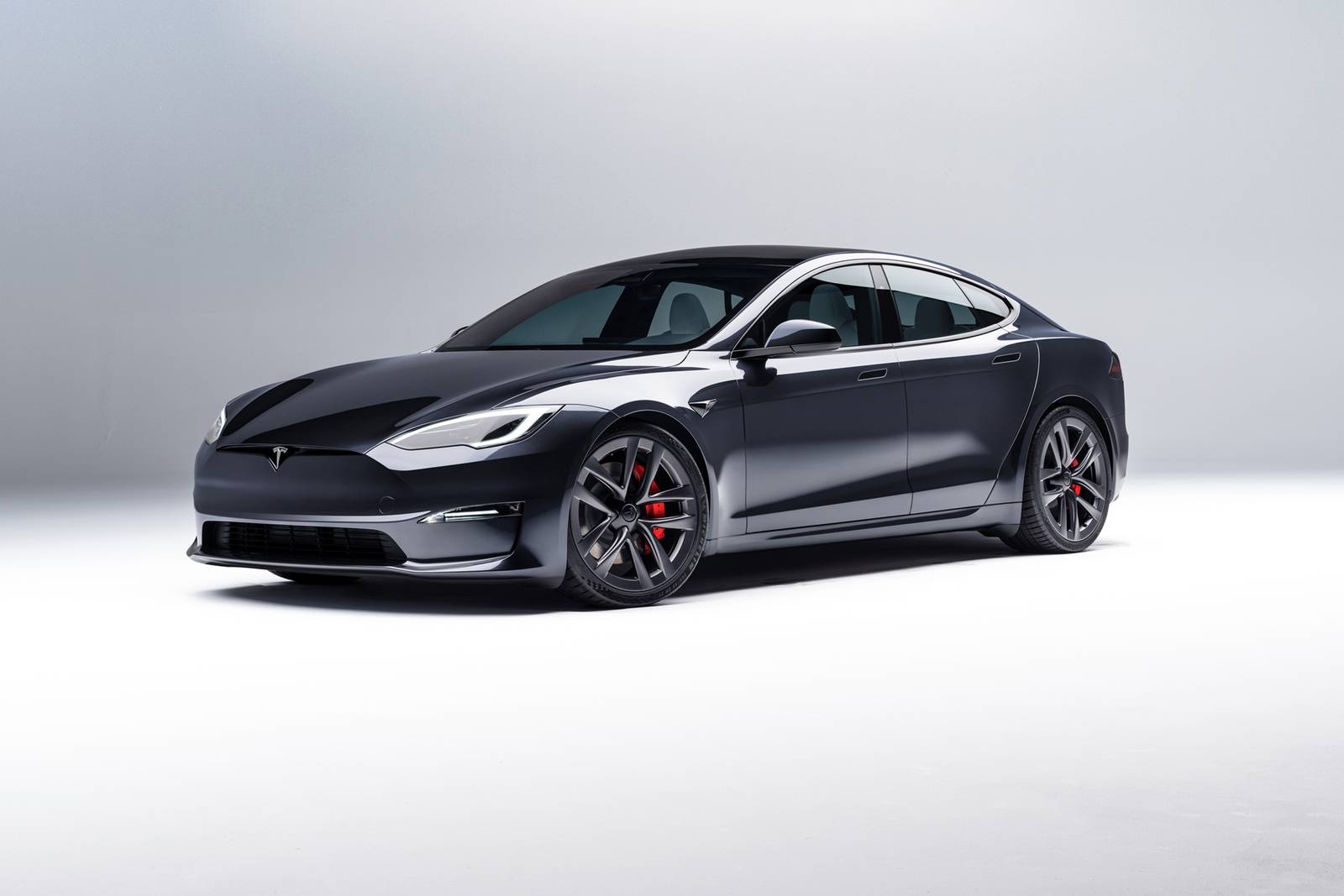
The 2024 Pricing Landscape: Entry-Level to Luxury
Tesla’s pricing strategy has been notably volatile over the last eighteen months, characterized by aggressive price cuts aimed at maintaining market share and driving volume. In 2024, the lineup offers a spectrum of entry points that cater to different financial profiles.
The Model 3 and Model Y: High-Volume Value
The Model 3 remains the most accessible entry point into the Tesla ecosystem. Following the “Highland” refresh, the Model 3 has seen price stabilization. As of mid-2024, the Rear-Wheel Drive (RWD) base model typically starts in the $39,000 to $41,000 range. For those prioritizing performance and range, the Long Range and Performance variants scale up toward the $48,000 to $54,000 mark.
The Model Y, currently the world’s best-selling vehicle, occupies a similar price bracket but with a slight premium for its crossover utility. Prices for the Model Y Long Range generally hover around $48,000, while the Performance model reaches approximately $52,000 to $54,000. For many families, the Model Y represents the “sweet spot” of utility versus capital outlay.
The Premium Tier: Model S and Model X
For those with higher liquid net worth or executive car allowances, the Model S and Model X remain the flagship offerings. The Model S sedan starts around $75,000, with the tri-motor “Plaid” variant pushing past $90,000. The Model X SUV follows a similar trajectory, starting near $80,000 and scaling to over $95,000 for the Plaid edition. These vehicles represent a luxury asset class where the financial justification shifts from “savings” to “performance and status,” though they still benefit from certain corporate tax advantages in specific jurisdictions.
The Cybertruck Factor
The newest addition to the financial ledger is the Cybertruck. With its initial “Foundation Series” pricing, early adopters are looking at costs exceeding $100,000. However, as production scales throughout late 2024 and into 2025, the market anticipates the introduction of the dual-motor and eventually the rear-wheel-drive variants, which are expected to target the $60,000 to $80,000 range.
Tax Credits and Government Incentives: Reducing the Initial Capital Outlay
One of the most critical components of the 2024 Tesla price tag is the federal tax credit. The Inflation Reduction Act (IRA) has fundamentally changed how these incentives are applied, moving from a deferred tax refund to an immediate “point-of-sale” discount.
The $7,500 Federal Tax Credit
For eligible buyers, the $7,500 federal tax credit acts as an immediate reduction in the purchase price. In 2024, buyers can transfer this credit to the dealership (Tesla) at the time of purchase, effectively using it as part of their down payment. This is a massive liquidity advantage compared to previous years where buyers had to wait until tax season to see the benefit.
However, strict eligibility requirements apply:
-
Income Caps: To qualify, adjusted gross income (AGI) must be below $150,000 for individuals, $225,000 for heads of households, and $300,000 for married couples filing jointly.
-
MSRP Limits: The vehicle’s “sticker price” (MSRP) cannot exceed $55,000 for sedans (Model 3) or $80,000 for SUVs and trucks (Model Y, Model X, Cybertruck).
-
Battery Sourcing: Because of changing rules regarding “Foreign Entities of Concern,” not all Model 3 trims currently qualify for the full credit. Prospective buyers must verify the specific VIN’s eligibility to ensure they aren’t overextending their budget based on a credit that may not apply.
State and Local Incentives
Beyond federal help, states like California, Colorado, and Massachusetts offer additional rebates or tax credits that can range from $1,500 to $5,000. When stacked with the federal credit, a Model Y that lists for $48,000 can effectively cost the buyer closer to $35,000 to $37,000, shifting the financial math heavily in favor of the EV over a comparable gas-powered SUV.
Total Cost of Ownership: The Long-Term Financial Play
When evaluating “how much” a Tesla costs, the purchase price is only half the story. The true financial appeal lies in the Total Cost of Ownership (TCO) over a five-to-seven-year horizon.

Fuel Savings and Energy Arbitrage
The most immediate operational saving is the delta between electricity and gasoline. On average, charging a Tesla at home costs about one-third to one-fourth the price of fueling a comparable gas vehicle. For a driver covering 15,000 miles per year, this can translate to annual savings of $1,000 to $2,000. For those with home solar installations, the cost can drop to near zero, representing a high-yield “internal investment” in their own energy infrastructure.
Maintenance and Repair Budgets
Teslas lack many of the mechanical complexities of ICE vehicles—there are no oil changes, spark plugs, timing belts, or transmission flushes. While tires tend to wear faster due to the vehicle’s weight and instant torque, the overall maintenance schedule is significantly leaner. Financial planners often estimate that EV maintenance costs are roughly 40% lower over the life of the vehicle compared to gas cars.
The Insurance Premium
Conversely, insurance is often where the Tesla financial model faces headwinds. Because of the high cost of specialized repairs and the sophisticated sensor suites (Tesla Vision), insurance premiums for Teslas are notoriously higher than the national average for standard sedans. A buyer should budget an additional $50 to $100 per month in insurance costs, which can eat into the “fuel savings” if not properly accounted for in a monthly cash flow analysis.
Depreciation and Resale Value: Protecting Your Investment
Historically, Teslas held their value better than almost any other vehicle on the road. However, 2023 and early 2024 saw a correction in the used EV market. Tesla’s repeated price cuts on new models effectively lowered the “ceiling” for used car prices, leading to faster-than-expected depreciation for those who bought at the peak of the market.
Market Stabilization in 2024
In 2024, the used market appears to be stabilizing. For a buyer today, the risk of a sudden 20% drop in value due to a manufacturer price cut is lower than it was a year ago. Tesla’s strategy has pivoted toward software monetization (FSD subscriptions) rather than just hardware price adjustments.
Battery Longevity and Asset Life
A major concern for the “Money” category is the lifespan of the battery—the vehicle’s most expensive component. Current data suggests that Tesla batteries lose only about 12% of their capacity after 200,000 miles. For a long-term owner, this means the vehicle remains a viable asset far longer than a traditional car might, potentially stretching the replacement cycle and lowering the “annualized cost” of vehicle ownership.
Financing and Leasing Strategies for 2024
Given the current interest rate environment, how you pay for a Tesla is just as important as the price you pay.
Financing vs. Paying Cash
With interest rates for auto loans hovering between 5% and 8% for well-qualified buyers, the “opportunity cost” of cash is high. If a buyer can earn 5% in a high-yield savings account or 7-10% in the stock market, financing a car at 6% might seem less attractive than it was during the era of 0% to 2% loans. However, Tesla occasionally offers promotional financing rates (such as the 0.99% or 1.99% APR deals seen on the Model Y in mid-2024) which are essentially “free money” in an inflationary environment.
The Leasing Loophole
Leasing has become increasingly popular in 2024 due to the “EV Lease Loophole.” Federal law allows leasing companies to claim the $7,500 tax credit on all EVs, regardless of where the battery components are sourced or the buyer’s income level. Tesla passes this credit through to the consumer in the form of lower monthly payments. For high-income earners who don’t qualify for the purchase credit, leasing a Tesla for three years can be a strategically sound move to take advantage of the incentive while hedging against rapid technological obsolescence or further depreciation.
Business Use and Section 179
For business owners and freelancers, the Model X and Cybertruck offer a unique tax advantage. Because their Gross Vehicle Weight Rating (GVWR) exceeds 6,000 pounds, they may qualify for accelerated depreciation under Section 179 of the tax code. This allows business owners to deduct a significant portion of the vehicle’s purchase price in the first year, providing a massive tax shield for profitable enterprises.

Final Financial Verdict
So, how much is a Tesla in 2024? While the sticker price might suggest a range of $40,000 to $100,000, the “net cost” is a dynamic figure. When you factor in the $7,500 federal point-of-sale credit, state rebates, and an estimated $6,000 in fuel and maintenance savings over five years, a Model Y priced at $48,000 may actually have a financial impact closer to a $30,000 gas car.
In 2024, the decision to buy a Tesla is no longer just a “tech” play or a “green” play—it is a sophisticated “money” play. By leveraging current incentives and low operational costs, a well-informed buyer can secure a premium transport asset that offers a compelling return on investment compared to the rapidly depreciating and high-maintenance alternatives of the past.
aViewFromTheCave is a participant in the Amazon Services LLC Associates Program, an affiliate advertising program designed to provide a means for sites to earn advertising fees by advertising and linking to Amazon.com. Amazon, the Amazon logo, AmazonSupply, and the AmazonSupply logo are trademarks of Amazon.com, Inc. or its affiliates. As an Amazon Associate we earn affiliate commissions from qualifying purchases.