
In an era of unprecedented financial complexity and pervasive consumer culture, the ability to manage one’s money effectively is not merely a desirable skill—it is an indispensable pillar of personal well-being and long-term security. A well-crafted budget serves as your financial roadmap, guiding your spending, saving, and investing decisions, allowing you to allocate your resources purposefully rather than letting them dissipate haphazardly. Yet, for many, the concept of budgeting can feel daunting, restrictive, or even like a punitive exercise. This perception often stems from a lack of understanding regarding what a budget truly is: a powerful tool for empowerment, clarity, and the attainment of your most cherished financial aspirations.
This article aims to demystify the budgeting process, transforming it from a chore into an engaging and liberating practice. We will explore the fundamental principles that underpin effective financial management, offer practical, step-by-step guidance for constructing a robust budget, address common pitfalls, and delve into advanced strategies for optimizing your financial health. By adopting a proactive and informed approach, you can move beyond simply tracking expenses to actively shaping your financial future, building wealth, and achieving genuine peace of mind.
The Foundational Principles of Effective Budgeting
Before diving into the mechanics of creating a budget, it’s crucial to establish a solid understanding of your current financial position and what you aim to achieve. Budgeting is not a one-size-fits-all solution; its effectiveness hinges on personalization and clarity of purpose.
Understanding Your Financial Landscape
The first step in budgeting is akin to a financial inventory. You need a clear picture of your income and outflow. Start by meticulously documenting all sources of income, whether it’s your primary salary, freelance earnings, or investment dividends. Equally important is understanding your expenses, which typically fall into two categories:
- Fixed Expenses: These are costs that generally remain consistent each month, such as rent/mortgage payments, loan installments, insurance premiums, and subscriptions. They are predictable and often non-negotiable in the short term.
- Variable Expenses: These fluctuate month-to-month and offer more flexibility for adjustment. Examples include groceries, dining out, entertainment, transportation (beyond fixed costs), and discretionary spending.
Beyond income and expenses, a holistic view includes understanding your assets (what you own, like savings, investments, property) and liabilities (what you owe, such as credit card debt, student loans, mortgage). This comprehensive assessment provides the raw data needed to make informed budgeting decisions.
Setting Clear Financial Goals
Without goals, a budget lacks direction. What are you hoping to achieve with your money? Articulating clear financial goals transforms budgeting from a mere numbers game into a purposeful journey. Goals can be short-term, medium-term, or long-term:
- Short-Term Goals (within 1 year): Building an emergency fund (3-6 months of living expenses), paying off a small credit card balance, saving for a holiday, or a specific purchase.
- Medium-Term Goals (1-5 years): Saving for a down payment on a house, paying off a significant student loan, funding a child’s education, or buying a new car.
- Long-Term Goals (5+ years): Retirement planning, significant wealth accumulation, or leaving a legacy.
For maximum impact, your financial goals should be SMART: Specific, Measurable, Achievable, Relevant, and Time-bound. This framework helps you define what success looks like and provides a tangible target to work towards, motivating you to stick to your budget.
Choosing the Right Budgeting Method
There isn’t a single “best” budgeting method; the most effective one is the one you can consistently stick to. Several popular approaches cater to different personalities and financial situations:
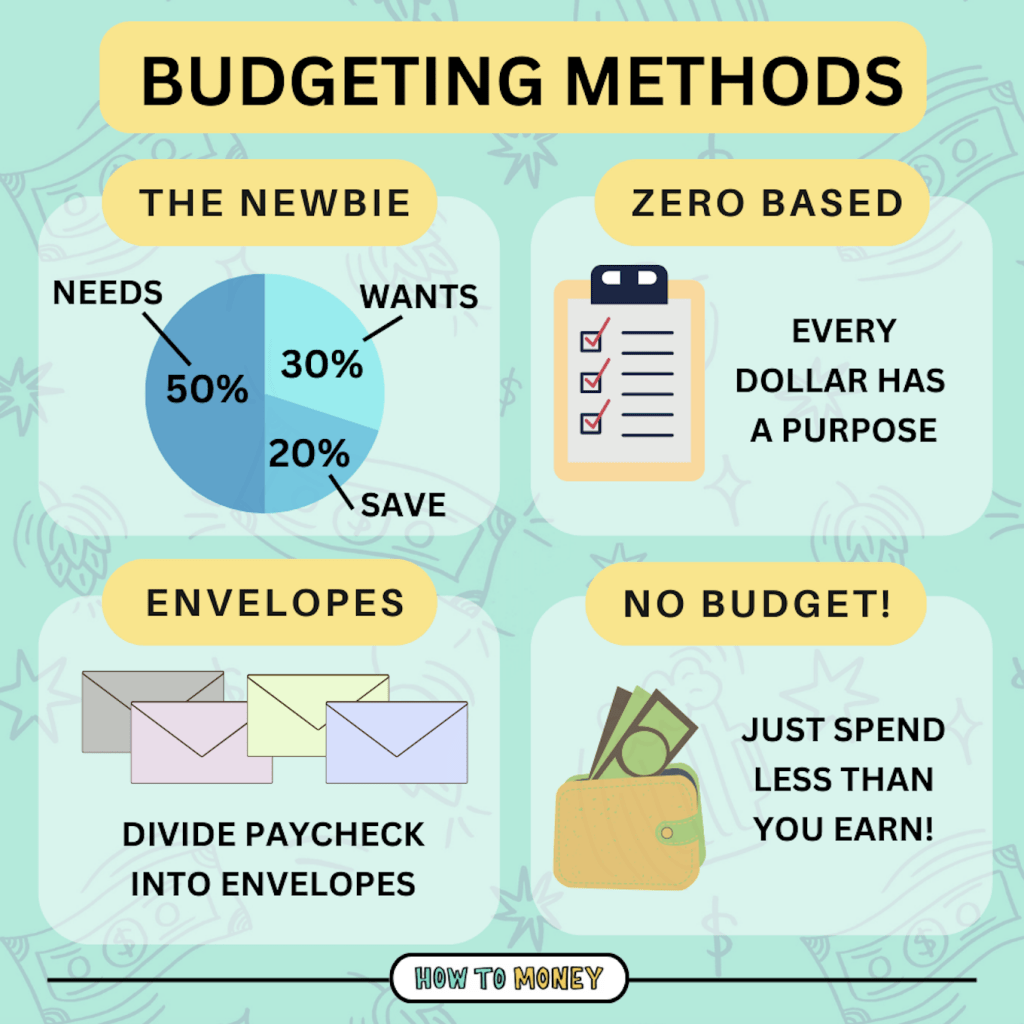
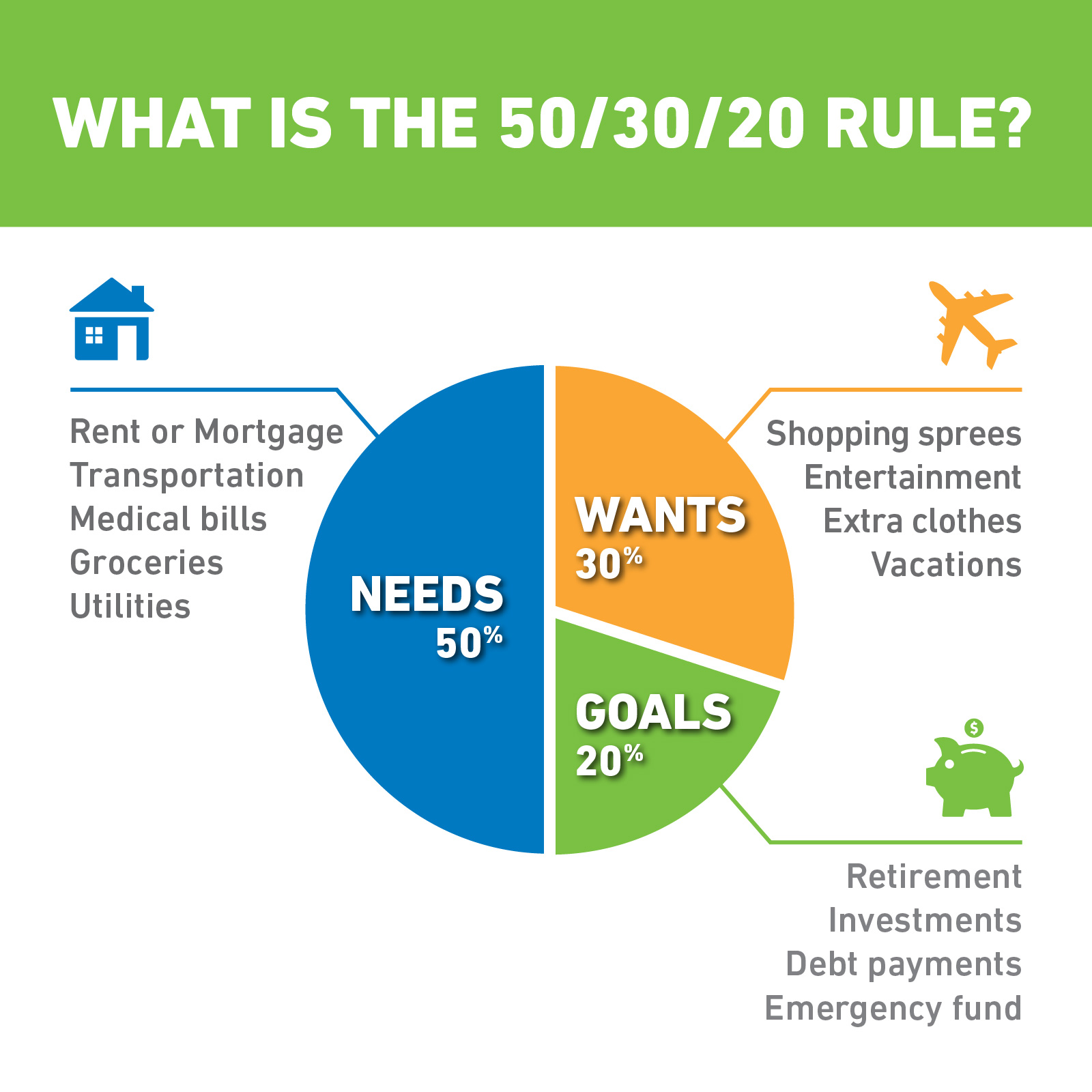
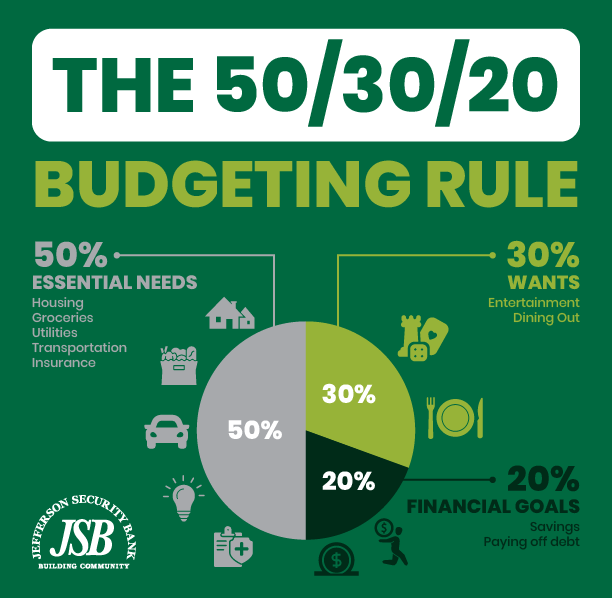
- The 50/30/20 Rule: This simple, widely adopted method allocates 50% of your after-tax income to Needs (housing, utilities, groceries, transportation), 30% to Wants (dining out, entertainment, hobbies), and 20% to Savings and Debt Repayment (emergency fund, retirement, extra debt payments). It offers flexibility while ensuring core financial priorities are met.
- Zero-Based Budgeting: Every dollar of income is assigned a specific job – whether it’s an expense, saving, or debt payment – until your income minus your expenses, savings, and debt payments equals zero. This method requires meticulous tracking but provides maximum control and ensures no money is unaccounted for.
- The Envelope System: A tactile approach where you allocate cash into physical envelopes for various spending categories (e.g., groceries, entertainment). Once an envelope is empty, you stop spending in that category until the next pay period. Ideal for those who struggle with overspending on credit cards.
- Pay Yourself First: This strategy prioritizes saving and investing by automating transfers to savings or investment accounts immediately after receiving your paycheck. What remains is then used for expenses. This ensures savings goals are met before discretionary spending tempts you.
Understanding these methods allows you to select one that aligns with your lifestyle, commitment level, and financial objectives, laying the groundwork for sustainable budgeting.
Practical Steps to Building Your Budget
Once the foundational principles are in place, it’s time to construct your budget. This involves a cycle of tracking, categorizing, allocating, and automating.
Tracking Your Spending
This is arguably the most critical step, as you cannot manage what you don’t measure. For at least one to two months, diligently track every single dollar you spend. This can be done in various ways:
- Manual Logs: A simple notebook and pen, ideal for those who prefer physical tracking.
- Spreadsheets: Google Sheets or Excel offer customizable templates to record transactions.
- Budgeting Apps/Software: Tools like Mint, YNAB (You Need A Budget), Personal Capital, or Simplifi can link directly to your bank accounts and credit cards, automating the tracking process and providing detailed insights into your spending habits.
The goal is to gather accurate data on where your money genuinely goes, revealing patterns and potential “leakage” you might not have been aware of.
Categorizing Expenses
After tracking, organize your spending into meaningful categories. This helps you understand where the bulk of your money is going and identify areas for potential cuts or adjustments. Common categories include:
- Housing: Rent/mortgage, utilities, home maintenance.
- Transportation: Car payments, fuel, public transport, maintenance.
- Food: Groceries, dining out, coffee.
- Debt Repayment: Credit cards, student loans, personal loans.
- Personal Care: Haircuts, toiletries, gym memberships.
- Entertainment: Movies, streaming services, hobbies.
- Savings: Emergency fund, retirement, specific goals.
- Miscellaneous: Unexpected small purchases.
Distinguishing between essential and non-essential expenses within these categories is key. While housing is essential, the size of your rent payment might not be, and dining out, while enjoyable, is often non-essential.
Allocating Funds and Setting Limits
Based on your chosen budgeting method and your financial goals, begin to assign specific dollar amounts to each expense category. This is where you put your financial plan into action. If you’re using the 50/30/20 rule, you’ll distribute your income accordingly. If it’s zero-based budgeting, every dollar gets a job.
Be realistic with your allocations. Cutting too aggressively in areas you enjoy can lead to burnout and abandonment of the budget. Start with sustainable limits, and then gradually optimize as you become more comfortable. This process might reveal that your current spending exceeds your income or savings goals, prompting you to revisit your variable expenses for adjustments.
Automating Savings and Bill Payments
One of the most powerful strategies for budgeting success is automation. Set up automatic transfers from your checking account to your savings or investment accounts on payday. This “pay yourself first” approach ensures that your financial goals are prioritized and removes the temptation to spend that money elsewhere.
Similarly, automate bill payments for fixed expenses like rent, loan payments, and utilities. This prevents late fees, protects your credit score, and frees up mental energy. Most banks and service providers offer these automatic payment options. By making your financial actions automatic, you reduce friction and increase consistency, solidifying your budget’s effectiveness.
Overcoming Common Budgeting Challenges
Even with a well-structured budget, challenges inevitably arise. Knowing how to anticipate and address them can be the difference between short-term effort and long-term success.
Dealing with Irregular Income
Budgeting can be particularly tricky for individuals with fluctuating income, such as freelancers, commissioned salespeople, or gig workers. Strategies include:
- Averaging Income: Calculate your average monthly income over the past 6-12 months and budget based on that conservative estimate.
- Income Cushion: Build a larger emergency fund specifically designed to cover expenses during leaner months.
- The “Buffer” Method: Live on last month’s income. Once you have a full month’s expenses saved, all income earned in the current month is used for next month’s budget.
- Prioritize Needs: Allocate funds to essential expenses first, then save any surplus from higher-earning months for future periods.
Budgeting for Unexpected Expenses
Life is unpredictable. Ignoring the possibility of unexpected costs is a sure way to derail any budget. The solution lies in proactive planning:
- Emergency Fund: This is paramount. A dedicated savings account with 3-6 months (or more for irregular income earners) of living expenses acts as a financial safety net for job loss, medical emergencies, or unforeseen home/car repairs.
- Sinking Funds: These are separate savings accounts or virtual envelopes for planned, but irregular, large expenses. Examples include annual car insurance premiums, holiday gifts, home repairs, or a new appliance. By setting aside a small amount each month, you avoid financial shocks when these costs arise.
Battling Budget Fatigue and Temptation
Sticking to a budget can sometimes feel restrictive, leading to “budget fatigue” or succumbing to impulse purchases. Combat this by:
- Regular Reviews: Make budgeting a consistent, but not obsessive, habit. Review your budget weekly or bi-weekly for 15-30 minutes, adjusting as needed.
- Allocate “Fun Money”: Include a reasonable amount of discretionary spending in your budget. This allows for guilt-free enjoyment and prevents feeling deprived.
- Celebrate Small Wins: Acknowledge progress towards your goals. Reaching a savings milestone or paying off a debt can provide powerful motivation.
- Find Alternatives: Instead of cutting out enjoyable activities entirely, find cheaper alternatives (e.g., picnic in the park instead of an expensive restaurant).
Involving Family Members
For households, budgeting is most effective when it’s a collaborative effort. Open communication about financial goals and shared responsibilities can lead to greater buy-in and success. Hold regular family money meetings to discuss income, expenses, and progress towards goals, ensuring everyone is on the same page and contributing to the household’s financial health.
Advanced Strategies for Financial Optimization
Once you’ve mastered the basics of budgeting, you can move towards more sophisticated strategies to accelerate your financial progress and build long-term wealth.
Debt Management and Accelerated Payoff
High-interest debt, particularly credit card debt, can be a major impediment to financial freedom. Effective strategies include:
- Debt Avalanche Method: Prioritize paying off debts with the highest interest rates first, while making minimum payments on others. This saves you the most money on interest over time.
- Debt Snowball Method: Focus on paying off the smallest debt first, regardless of interest rate, while making minimum payments on larger ones. The psychological wins from quickly eliminating small debts can provide powerful motivation.
- Debt Consolidation/Refinancing: Explore options like personal loans or balance transfer credit cards to consolidate high-interest debts into a single payment with a lower interest rate, simplifying your payments and potentially reducing total interest paid.
Increasing Your Income Streams
While budgeting focuses on controlling outflow, boosting your income can significantly accelerate your financial goals. Consider:
- Side Hustles: Leverage existing skills or develop new ones to earn extra income outside of your primary job (e.g., freelancing, consulting, delivery services, online sales).
- Skill Development: Invest in courses or certifications that can lead to promotions or higher-paying roles in your current career or open doors to new opportunities.
- Negotiation: Don’t hesitate to negotiate your salary during job offers or annual reviews. Every additional dollar earned makes your budget more flexible.
Smart Investing for Growth
Beyond saving, investing is crucial for building long-term wealth and outpacing inflation. While detailed investment advice is complex, understanding the basics is essential:
- Risk Tolerance: Assess your comfort level with investment risk. This will guide your choice of assets.
- Diversification: Don’t put all your eggs in one basket. Spread your investments across different asset classes (stocks, bonds, real estate) and geographies to mitigate risk.
- Long-Term Perspective: Investing is generally most effective when approached with a long-term horizon, allowing compounding returns to work their magic.
- Retirement Accounts: Maximize contributions to tax-advantaged accounts like 401(k)s and IRAs, especially if your employer offers a matching contribution.
Start small, educate yourself, and consider consulting a fee-only financial advisor for personalized guidance as your investment journey evolves.
Regular Review and Adjustment
A budget is not a static document; it’s a living tool that needs regular attention and adaptation. Your income, expenses, and financial goals will change over time, necessitating adjustments to your budget.
- Monthly Check-ins: Dedicate time each month to review your actual spending against your budgeted amounts, identify discrepancies, and understand why they occurred.
- Quarterly/Annual Reviews: Perform a more comprehensive review every few months or annually. Re-evaluate your financial goals, assess your progress, and make larger adjustments to your budget structure as needed. Did you get a raise? Did a major expense disappear? Are your goals still relevant?
This iterative process ensures your budget remains relevant, effective, and a true reflection of your current financial reality and aspirations.
Conclusion
Mastering your finances through effective budgeting is not about deprivation; it’s about making conscious choices that align with your values and propel you towards your dreams. By embracing the foundational principles of understanding your finances and setting clear goals, implementing practical steps for tracking and allocation, diligently overcoming challenges, and proactively exploring advanced optimization strategies, you transform budgeting from a chore into an empowering financial habit.
The journey to financial mastery is ongoing, requiring patience, discipline, and a willingness to learn and adapt. However, the rewards—reduced stress, increased security, and the freedom to pursue your life’s ambitions—are immeasurable. Start today, commit to the process, and watch as your ability to budget better unlocks a future of unparalleled financial confidence and well-being.
aViewFromTheCave is a participant in the Amazon Services LLC Associates Program, an affiliate advertising program designed to provide a means for sites to earn advertising fees by advertising and linking to Amazon.com. Amazon, the Amazon logo, AmazonSupply, and the AmazonSupply logo are trademarks of Amazon.com, Inc. or its affiliates. As an Amazon Associate we earn affiliate commissions from qualifying purchases.