
In the rapidly evolving landscape of personal finance, traditional banking institutions are no longer the sole gatekeepers of credit. The rise of financial technology (fintech) has democratized access to short-term liquidity, allowing consumers to manage their cash flow with unprecedented ease. One of the most prominent players in this space is Cash App, owned by Block, Inc. Originally designed for peer-to-peer (P2P) payments, Cash App has expanded its suite of financial tools to include “Cash App Borrow.” This feature allows eligible users to take out small, short-term loans directly through the interface, bypassing the cumbersome paperwork of traditional bank loans.
Understanding how to navigate this feature is essential for anyone looking to bridge a temporary financial gap. However, as with any financial tool, borrowing from a digital platform requires a strategic approach to ensure that convenience does not lead to a cycle of debt.
Understanding the Cash App Borrow Feature and Eligibility
Cash App Borrow is not a universal feature available to every user immediately upon downloading the app. Instead, it functions as a specialized credit product that the platform extends to users based on specific financial behaviors. To use this tool effectively, one must first understand the “invisible” criteria that the platform uses to determine eligibility.
The Eligibility Algorithm
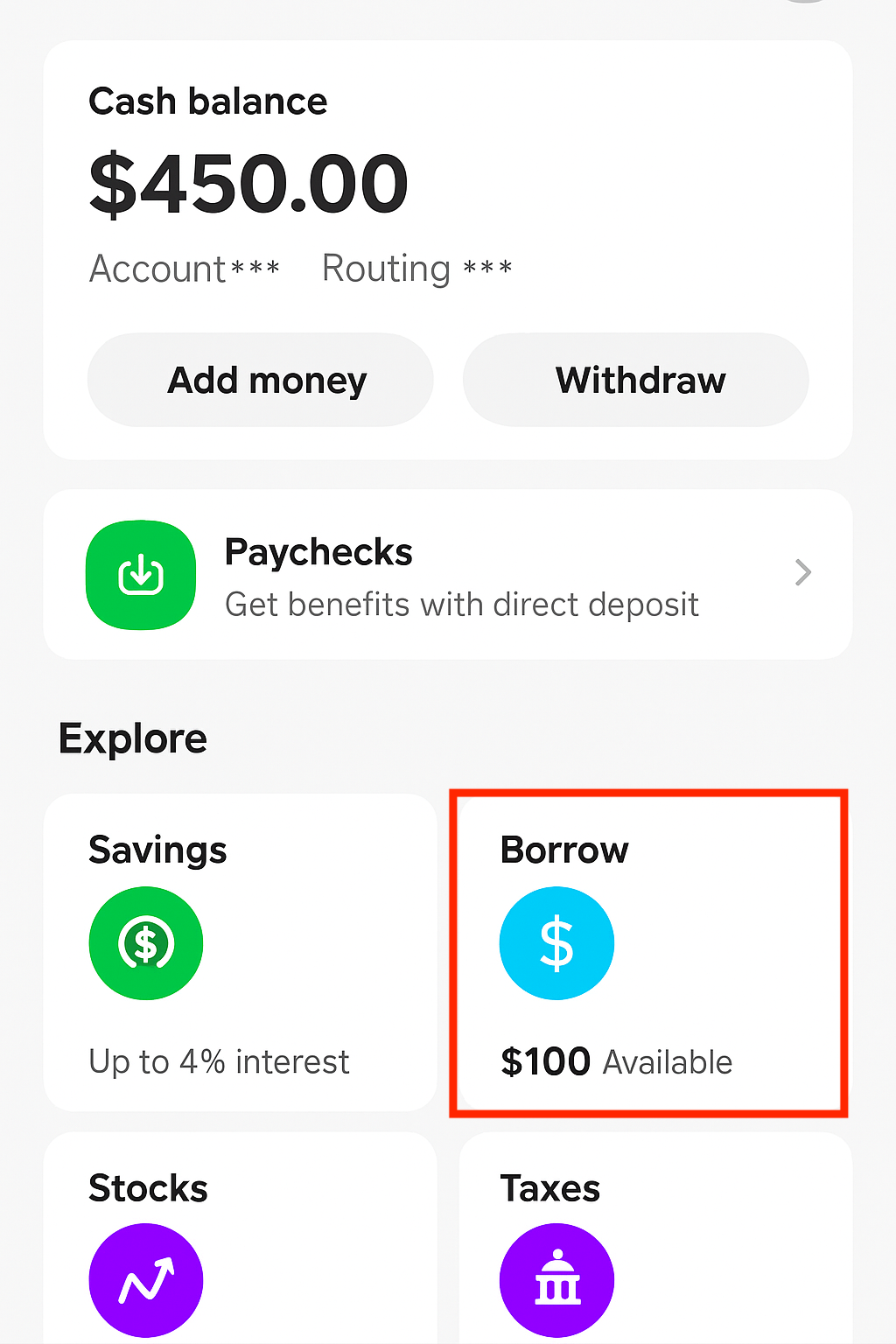
Unlike a traditional bank that might pull a comprehensive credit report from the major bureaus (Equifax, Experian, or TransUnion) for a small loan, Cash App primarily relies on its internal data. The platform looks for active users who demonstrate a consistent history of “depositing” funds. This usually means having a linked debit card or bank account and, more importantly, a history of receiving direct deposits. Users who deposit at least $300 or more into their Cash App account per month are significantly more likely to see the “Borrow” option appear in their banking tab.
Checking Your Access
To see if you are eligible, navigate to the “Banking” or “Money” tab (the house or dollar sign icon) on the bottom left of the Cash App home screen. If the feature is available to you, a “Borrow” header will appear. If it is not there, it indicates that you currently do not meet the platform’s internal creditworthiness criteria. This status is dynamic; consistent use of the app and maintaining a positive balance can eventually unlock the feature.
Geographical and Age Restrictions
Beyond financial behavior, there are legal and regulatory constraints. Cash App Borrow is currently only available to U.S. residents who are at least 18 years old. Furthermore, because state laws regarding short-term lending and “payday loan” alternatives vary wildly, the feature is disabled in several states. If you live in a jurisdiction with strict usury laws or specific fintech regulations, you may find the feature unavailable regardless of your account activity.
The Mechanics of the Loan: Terms, Rates, and Limits
When you borrow money through a fintech app, the speed of the transaction often masks the underlying financial obligations. To maintain financial health, it is vital to dissect the costs associated with Cash App Borrow and how the platform structures its repayment.
Borrowing Limits and Scalability
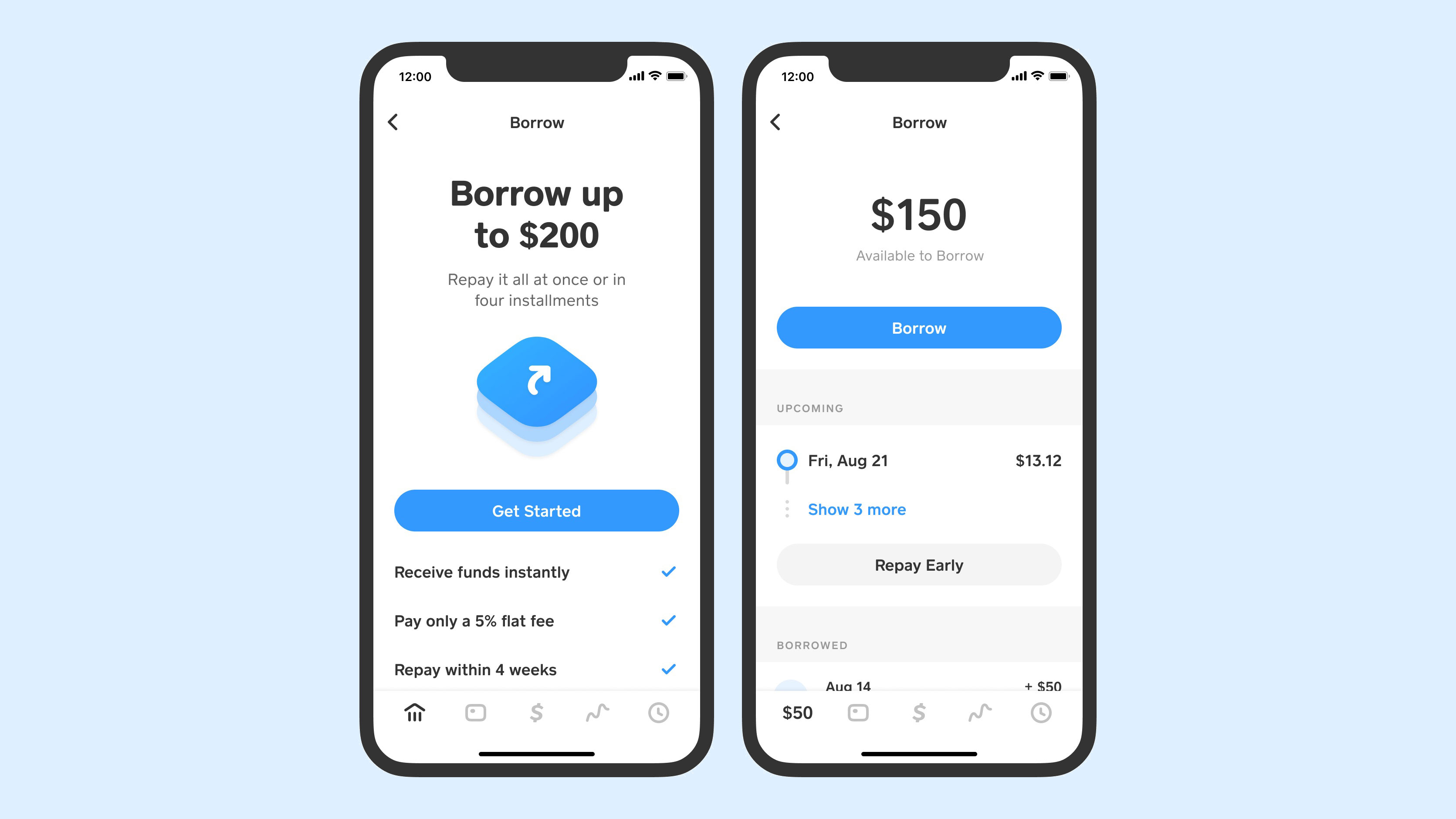
Cash App Borrow typically offers small-dollar loans ranging from $20 to $200. For a first-time borrower, the limit is often set at the lower end of that spectrum. As you borrow and successfully repay loans on time, the platform may incrementally increase your limit. This “staircase” approach to credit allows the platform to mitigate risk while allowing the user to build a “trust profile” within the app’s ecosystem.
The Cost of Borrowing: Interest and Fees
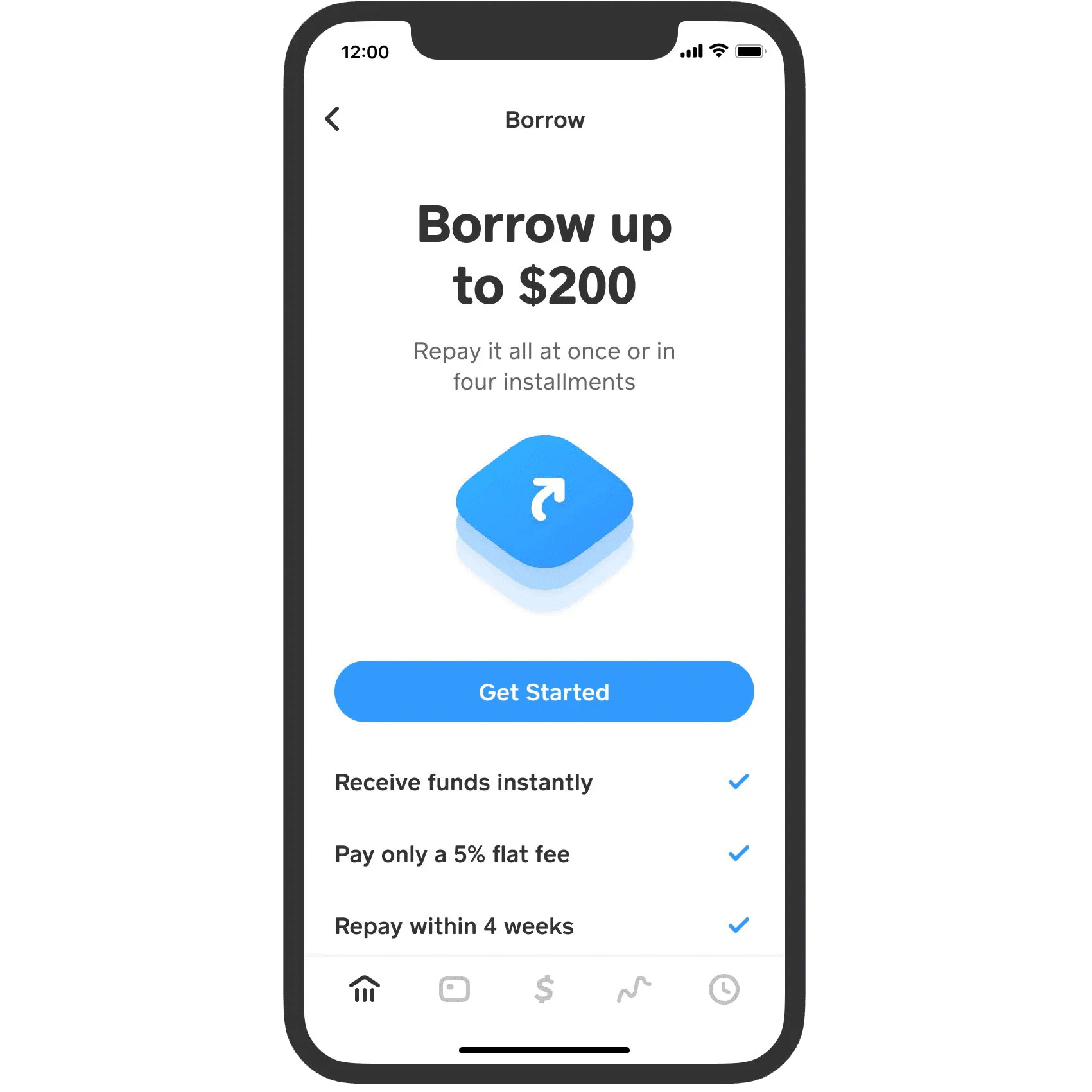
Cash App utilizes a transparent, flat-fee structure rather than a complex fluctuating interest rate. Usually, the platform charges a 5% flat fee on the principal amount borrowed. For example, if you borrow $100, you will owe $105. While a 5% fee sounds nominal, it is important to view this through the lens of an Annual Percentage Rate (APR). Because these loans are meant to be repaid within four weeks, a 5% monthly fee equates to a much higher APR (approximately 60%) if extrapolated over a year. While this is significantly cheaper than a traditional payday loan—which can reach APRs of 400%—it is still a high-cost form of credit compared to a standard credit card or a personal line of credit.
Repayment Schedules and the Grace Period
Standard repayment terms are usually set for four weeks. Users can choose to pay back the loan in one lump sum or in weekly installments. One of the most user-friendly aspects of Cash App Borrow is the one-week grace period. If you cannot make your payment by the due date, Cash App typically gives you an additional seven days to settle the debt before applying late fees. After this grace period, a 1.25% non-compounding late fee is added weekly until the balance is cleared.
Strategic Use of Short-Term Fintech Loans
In the realm of personal finance, debt is a tool that can either build or destroy wealth. Using Cash App Borrow strategically requires distinguishing between “financial fire-fighting” and “lifestyle inflation.”
When to Use Cash App Borrow
This feature is best reserved for immediate, unforeseen expenses that occur between paychecks. Examples include a sudden utility bill increase, a minor car repair, or an urgent medical co-pay. Because the funds are deposited into your Cash App balance instantly, it serves as an excellent emergency bridge. The goal should always be to use the loan to avoid more expensive consequences, such as a bank overdraft fee (which can be $35 per transaction) or a late fee on a credit card.
Avoiding the “Debt Trap”
The danger of micro-loans is their ease of use. Because $20 or $50 feels like a small amount, users may find themselves borrowing every month. This creates a cycle where a portion of every paycheck is already “spent” on repaying the previous month’s debt, leading to a permanent deficit in the user’s monthly budget. To use this tool like a financial professional, one should ensure that there is a clear plan for repayment that does not involve taking out a second loan immediately after.
Comparing Alternatives
Before clicking “Borrow,” a savvy consumer should evaluate other options. If you have a credit card with a 15-20% APR, using that card for a $100 purchase and paying it off at the end of the month is generally cheaper than the 5% flat fee charged by Cash App. However, if the alternative is a predatory payday lender or an unsecured high-interest loan, Cash App is almost always the superior financial choice.
Navigating Repayment and the Impact on Financial Health
The final stage of the borrowing process is repayment, and how you handle this stage has long-term implications for your digital financial footprint.
Automation vs. Manual Payments
Cash App allows users to enable “Autopay,” which automatically deducts the repayment amount from your Cash App balance or linked debit card on the due date. From a financial management perspective, enabling Autopay is highly recommended. It eliminates the risk of human error and ensures you stay within the good graces of the platform’s algorithm. If you prefer manual payments, you must remain diligent; missing a payment can lead to the immediate suspension of the Borrow feature for your account.
Consequences of Default
While Cash App does not currently report these small-scale loans to the three major credit bureaus for positive payment history, a default can still have negative consequences. If a loan remains unpaid for an extended period, Cash App reserves the right to “offset” the debt. This means they can take funds from any incoming P2P payments you receive or from your linked bank accounts to satisfy the debt. Furthermore, while they might not report your on-time payments, long-term defaults can eventually be sold to collection agencies, which will report the debt to credit bureaus, potentially damaging your credit score for years.
Building an Emergency Fund
The ultimate goal of any personal finance strategy should be to move away from the need for short-term borrowing. While Cash App Borrow is a helpful safety net, it is a sign of financial fragility. Financial experts recommend using the breathing room provided by these tools to start building a “mini” emergency fund of $500 to $1,000. By setting aside even $10 a week, you can eventually become your own “bank,” eliminating the need to pay fees to fintech platforms for short-term liquidity.
Conclusion: The Role of Fintech in Modern Money Management
Cash App Borrow represents a significant shift in how we interact with money. It offers a level of speed and accessibility that traditional banks simply cannot match. For the modern consumer, it serves as a powerful tool for managing short-term cash flow and navigating the occasional “financial hiccup.”
However, the professional approach to using such a tool is one of caution and discipline. By understanding the eligibility requirements, the true cost of the 5% fee, and the importance of timely repayment, you can use Cash App Borrow as a bridge to stability rather than a slide into debt. In the digital age, financial literacy is your most valuable asset—knowing not just how to borrow, but when and why to do so, is what separates those who are mastered by their money from those who master it.
aViewFromTheCave is a participant in the Amazon Services LLC Associates Program, an affiliate advertising program designed to provide a means for sites to earn advertising fees by advertising and linking to Amazon.com. Amazon, the Amazon logo, AmazonSupply, and the AmazonSupply logo are trademarks of Amazon.com, Inc. or its affiliates. As an Amazon Associate we earn affiliate commissions from qualifying purchases.