
In the rapidly evolving landscape of personal finance, mobile applications have emerged as powerful tools, offering convenience and accessibility to various financial services. Among these, Cash App stands out as a popular platform for peer-to-peer payments, investing, and, for some users, short-term borrowing. While the allure of quick funds through your iPhone might be strong, understanding the mechanics, implications, and responsible usage of Cash App’s Borrow feature is paramount for maintaining robust financial health. This guide delves into the specifics of accessing funds via Cash App on an iPhone, examining the financial nuances and broader strategies for sound money management.
Understanding Cash App’s Borrow Feature: A Deep Dive into Short-Term Lending
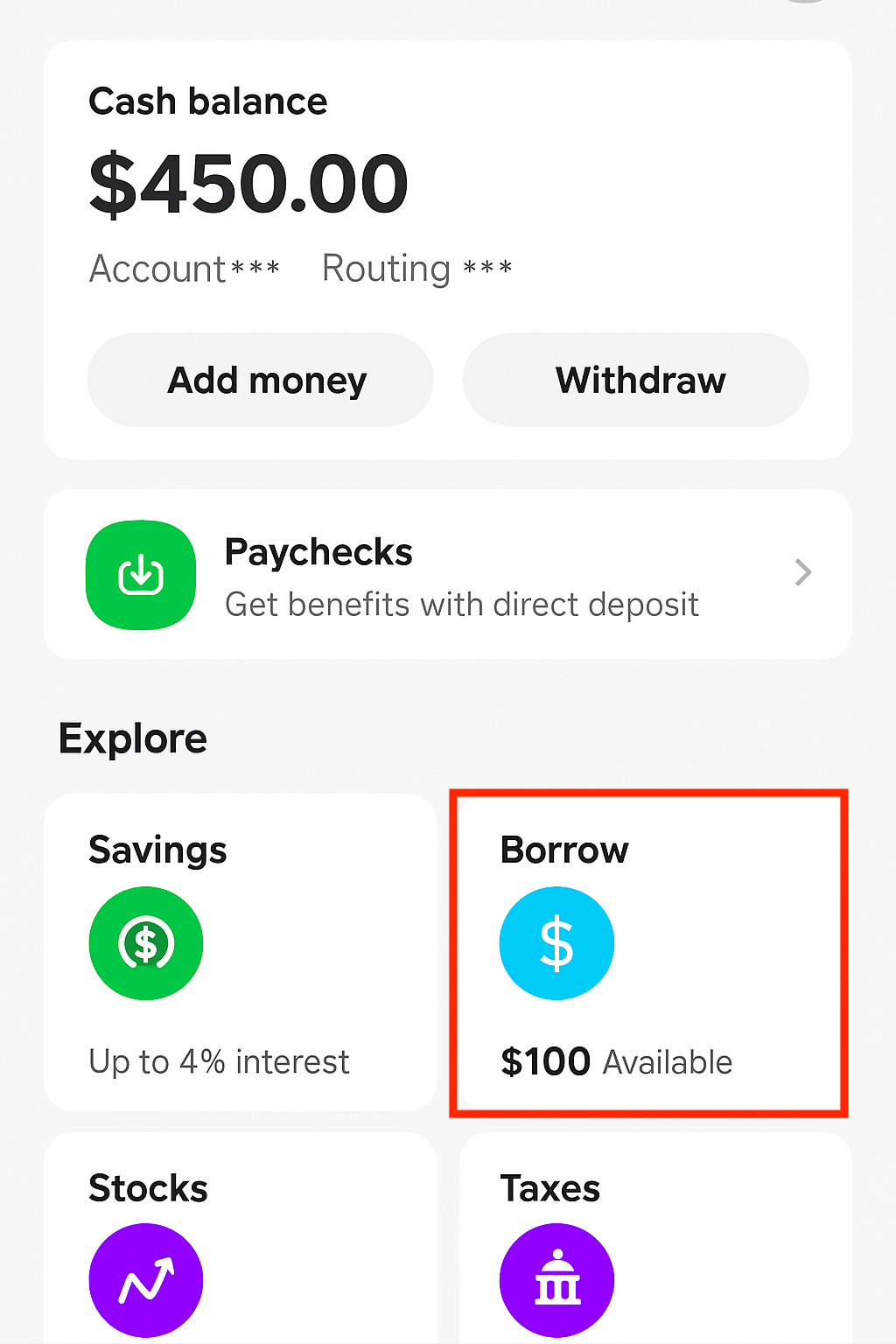
Cash App’s Borrow feature represents a foray into the micro-lending space, offering small-dollar loans directly through its platform. This functionality is designed to provide quick access to funds for users who might need a financial bridge between paychecks or for unexpected expenses. However, its implementation and availability are subject to specific conditions that prospective borrowers must understand.
What is Cash App Borrow?
Cash App Borrow allows eligible users to take out a loan, typically ranging from $20 to $200. These loans are designed to be short-term solutions, with a standard repayment period of four weeks. Unlike traditional bank loans, the entire process, from application to disbursement, occurs within the Cash App interface on your iPhone. The appeal lies in its speed and the minimal barrier to entry compared to conventional lenders. Cash App positions this feature as a way to help users manage unexpected financial needs without resorting to predatory payday lenders, though its own fee structure requires careful consideration.
Eligibility and Availability Considerations
It’s crucial to note that the Borrow feature is not universally available to all Cash App users. Its rollout has been gradual and is currently in a beta phase, meaning access is limited and often depends on various factors. Cash App employs an internal algorithm to determine eligibility, which typically considers:
-
Account History: Consistent and active use of Cash App, including sending and receiving money regularly.
-
Direct Deposits: Users who regularly receive direct deposits into their Cash App account are often prioritized. This signals a stable income source.
-
State of Residence: Lending regulations vary by state, and Cash App Borrow may not be available in all jurisdictions.
-
Credit Usage: While Cash App doesn’t perform a hard credit inquiry for this feature, it likely assesses internal user behavior metrics that reflect financial responsibility.
Without meeting these internal criteria, the Borrow option may simply not appear in your app. This exclusivity underscores the importance of not relying on Cash App as a guaranteed source of emergency funds.
The Mechanics of the Loan Offer
When eligible, Cash App presents a specific loan offer, detailing the maximum amount you can borrow, the fixed fee, and the repayment schedule. The standard fee is 5% of the borrowed amount, due along with the principal within four weeks. Should you fail to repay within this period, an additional 5% fee is charged each subsequent week until the loan is fully repaid. This compounding fee structure can quickly escalate the total cost of the loan, turning a seemingly small fee into a significant financial burden if not managed promptly. Understanding these mechanics upfront is vital for assessing the true cost of borrowing.
A Step-by-Step Guide to Accessing Funds on Your iPhone
For those who find themselves eligible, navigating the Cash App interface on an iPhone to access the Borrow feature is designed to be straightforward. The process is integrated directly into the app, ensuring a seamless user experience.
Locating the Borrow Feature
To check if you have access to the Borrow feature, follow these steps on your iPhone:
-
Open the Cash App: Launch the Cash App on your device.
-
Navigate to the Banking Tab: Tap the banking icon, which typically resembles a house or a bank building, usually found on the bottom left of the home screen. This section provides an overview of your Cash App balance and other financial services.
-
Look for “Borrow”: Scroll down through the banking section. If the Borrow feature is available to you, you will see an option labeled “Borrow” or “Enable Borrow.” If it’s not present, it means you are not currently eligible for the service.
This initial step is the gatekeeper. Without the “Borrow” option appearing, further steps are not possible.
Understanding Loan Offers and Terms
Upon finding and tapping the “Borrow” option, Cash App will present you with a loan offer. This offer is tailored to your eligibility and will display:
-
Maximum Borrow Amount: The highest sum you can borrow.
-
Total Repayment Amount: This includes the principal loan amount plus the initial 5% fee.
-
Repayment Due Date: The exact date by which the entire amount (principal + fee) is expected to be repaid.
-
Late Fees: A clear explanation of the additional 5% weekly fee applied if the loan is not repaid by the due date.
It is absolutely critical to read and understand every detail of this offer. Do not rush through this section. Calculate the effective cost and consider if you can realistically meet the repayment deadline. This is the moment to verify that the terms align with your financial situation and your ability to repay without incurring additional charges.
Finalizing Your Loan Request
Once you have reviewed and accepted the terms, the final steps are quick:
-
Select Loan Amount: Choose how much you wish to borrow, up to your approved maximum.
-
Confirm Details: Re-confirm the repayment amount and due date.
-
Tap “Borrow”: With a final tap, the funds are instantly transferred to your Cash App balance.

The speed of this transaction is a significant advantage, but it also underscores the need for pre-emptive financial planning. Immediate access can be tempting, but the responsibility of repayment begins at the moment of borrowing.
Financial Implications and Responsible Borrowing Strategies
While quick access to funds can be a lifeline, the financial implications of Cash App Borrow, like any short-term loan, warrant careful consideration. Understanding the true cost and developing responsible borrowing strategies are key to avoiding debt traps.
Demystifying Interest Rates and Fees
The 5% fixed fee for a four-week loan might seem small on its face. However, when translated into an Annual Percentage Rate (APR), the true cost becomes apparent. For example, a $100 loan with a $5 fee for four weeks implies an APR significantly higher than traditional loans. If the loan is not repaid and accrues weekly 5% fees, the APR can skyrocket, easily surpassing the rates associated with credit cards or even some payday loans.
Consider a $100 loan:
-
Initial fee: $5 (5%)
-
Total repayment in 4 weeks: $105
-
If not repaid, after 5 weeks: $105 (principal + initial fee) + $5 (late fee) = $110
-
After 6 weeks: $110 + $5 (late fee) = $115
This rapid accumulation of fees can quickly turn a small loan into a substantial burden, trapping borrowers in a cycle of debt if they rely on it frequently or fail to repay on time.
Repayment Structures and Penalties
Cash App loans are typically lump-sum repayments due on a specific date. There aren’t usually options for installment payments, making it critical to have the full amount available when the due date arrives. The primary penalty for late repayment is the weekly 5% fee. While Cash App doesn’t explicitly state that late payments will impact your traditional credit score (as they don’t typically report to major credit bureaus for this specific feature), prolonged non-payment could lead to internal account restrictions, collections activity, or potential future impacts if their policies change. Furthermore, failure to repay affects your standing within Cash App, potentially hindering future access to financial services on the platform.
Assessing Your Capacity to Repay
Before accepting any loan, including from Cash App, an honest assessment of your ability to repay is paramount. This involves:
-
Budgeting: Create or review your budget to identify your income and all fixed and variable expenses. Can you comfortably allocate the repayment amount by the due date without sacrificing other essential needs?
-
Source of Funds: Identify the specific income source you intend to use for repayment. Is it a guaranteed paycheck, a freelance payment, or another reliable inflow?
-
Emergency Fund: Ideally, short-term loans should only be considered if an emergency fund is depleted or insufficient. Building an emergency fund is a more sustainable long-term strategy than frequent borrowing.
Borrowing should always be a last resort for genuine emergencies, not a solution for discretionary spending or bridging a consistently negative cash flow.
Weighing Alternatives and Long-Term Financial Health
While Cash App Borrow offers immediate relief, it’s essential to explore alternatives and prioritize strategies for long-term financial stability. A single short-term loan, if misused, can lead to a cascade of financial challenges.
Exploring Other Short-Term Loan Options
If Cash App Borrow isn’t available or suitable, other options exist, though each comes with its own set of considerations:
-
Other Cash Advance Apps: Apps like Brigit, Dave, or Chime’s SpotMe feature offer similar small-dollar advances, often with subscription fees or no-interest models, relying on voluntary tips. Research their terms carefully.
-
Credit Union Small-Dollar Loans: Many credit unions offer “Payday Alternative Loans” (PALs) with significantly lower interest rates and more flexible repayment terms than traditional payday loans. Eligibility often requires membership.
-
Personal Loans (Banks/Online Lenders): For larger amounts or longer terms, traditional personal loans can offer much lower APRs, especially for those with good credit. However, they involve more extensive application processes.
-
Borrowing from Friends or Family: While potentially interest-free, this option can strain relationships if not handled with clear terms and prompt repayment.
-
Employer Advances: Some employers offer payroll advances, which can be an interest-free way to access funds before your next payday.
Each alternative should be evaluated based on its cost, repayment terms, and potential impact on your financial standing.
Building an Emergency Fund
The most robust defense against needing short-term, high-cost loans is a well-funded emergency savings account. An emergency fund provides a buffer for unexpected expenses like medical bills, car repairs, or job loss, preventing the need to borrow. Start small, even $5-$10 a week, and gradually build up to three to six months’ worth of living expenses. Automating transfers from your checking to a separate savings account can make this process effortless.
Credit Score Impact and Future Planning
While Cash App’s Borrow feature might not directly impact your traditional credit score, consistently relying on short-term loans can be a symptom of underlying financial instability. Focusing on long-term financial health involves:
-
Budgeting and Expense Tracking: Understanding where your money goes is the first step to controlling it.
-
Debt Reduction: Prioritizing the repayment of high-interest debts can free up significant cash flow.
-
Credit Building: Establishing a positive credit history through responsible credit card use or secured loans can unlock access to more favorable lending terms in the future.
-
Financial Literacy: Continuously educating yourself about personal finance principles empowers you to make informed decisions and avoid costly mistakes.
Ultimately, while Cash App Borrow offers a convenient way to access funds in a pinch, it should be viewed as a temporary fix, not a permanent solution. Prudent financial planning, a robust emergency fund, and a comprehensive understanding of borrowing terms are the cornerstones of lasting financial security.
aViewFromTheCave is a participant in the Amazon Services LLC Associates Program, an affiliate advertising program designed to provide a means for sites to earn advertising fees by advertising and linking to Amazon.com. Amazon, the Amazon logo, AmazonSupply, and the AmazonSupply logo are trademarks of Amazon.com, Inc. or its affiliates. As an Amazon Associate we earn affiliate commissions from qualifying purchases.