
The journey toward financial independence often begins with a single, pivotal realization: your money should work as hard for you as you do for it. For decades, the stock market has remained one of the most effective engines for wealth creation, outperforming savings accounts and inflation by a significant margin. However, for the uninitiated, the world of tickers, charts, and quarterly earnings reports can feel like an impenetrable fortress reserved for the elite.
The truth is that the barriers to entry have never been lower. Technology has democratized access to the markets, but access without education is a recipe for volatility. To begin investing in stocks successfully, one must move beyond the “get rich quick” mentality and adopt a disciplined, strategic approach rooted in the principles of personal finance.
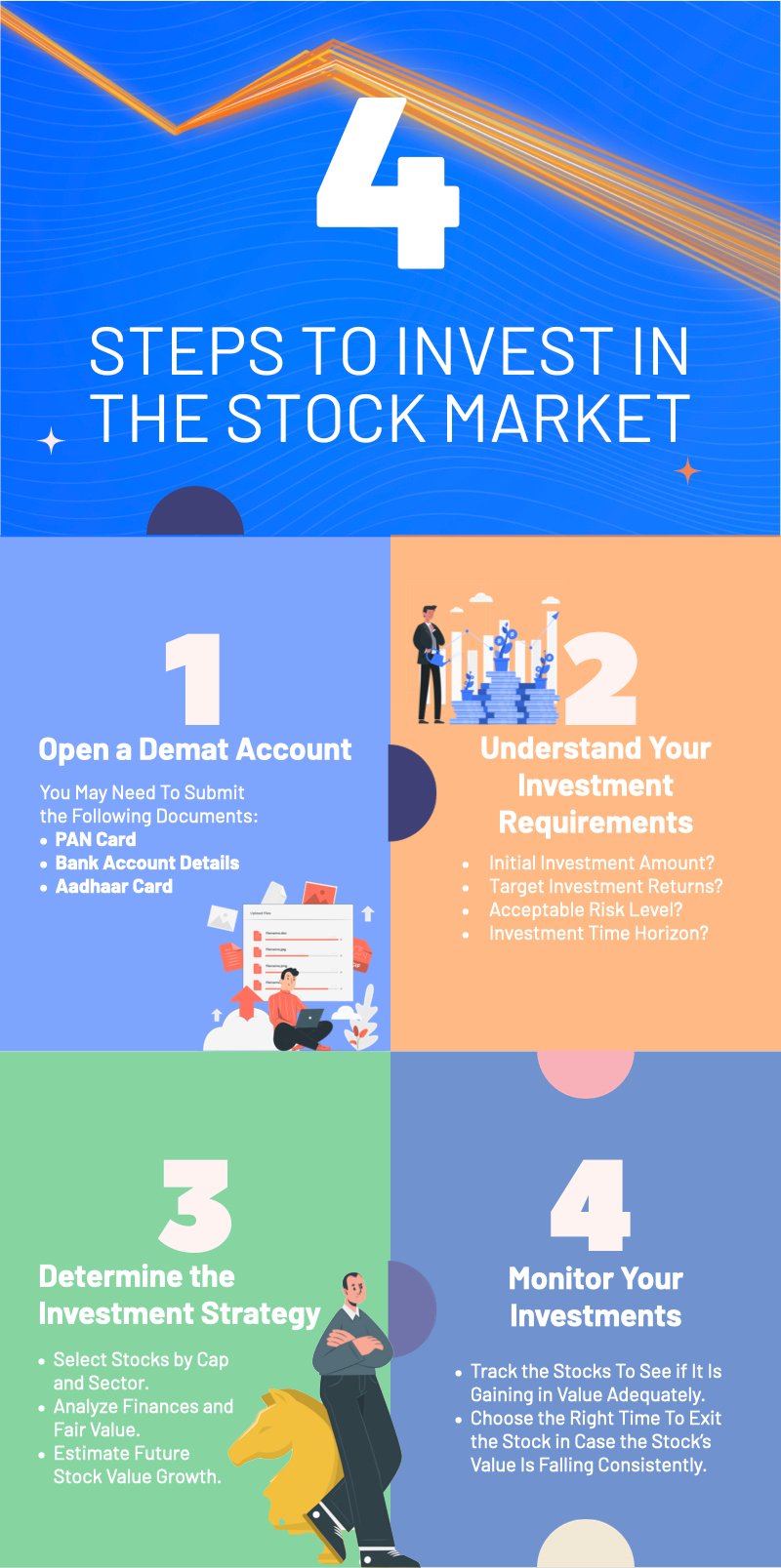
Establishing Your Financial Launchpad
Before you execute your first trade, you must ensure your personal finances are robust enough to withstand the inherent risks of the market. Investing is not a substitute for a savings account; it is a long-term commitment of capital that you should not need to access for at least three to five years.
Managing Debt and Emergency Funds
The most common mistake novice investors make is entering the market while carrying high-interest debt, such as credit card balances. If your debt carries an interest rate of 15% to 20%, and the stock market historically returns an average of 7% to 10% annually, you are mathematically losing ground by investing. Prioritize paying off high-interest liabilities first.
Simultaneously, you must establish an emergency fund. Ideally, this should consist of three to six months of living expenses kept in a high-yield savings account. This “buffer” ensures that if life throws a curveball—such as a medical emergency or job loss—you won’t be forced to sell your stocks at a loss during a market downturn to cover your bills.
Defining Your Risk Tolerance
Risk tolerance is a combination of your financial ability to endure a loss and your emotional capacity to stay the course when markets turn red. Ask yourself: if your portfolio dropped by 20% in a single month, would you panic-sell or see it as a buying opportunity?
Your time horizon is the primary driver of risk. A 25-year-old investing for retirement has decades to recover from market swings and can afford a more aggressive, stock-heavy portfolio. Conversely, someone five years away from retirement should prioritize capital preservation. Understanding your “sleep at night” factor is essential for long-term survival in the market.
Selecting the Right Investment Vehicle and Platform
Once your foundation is set, you need a place to put your money. The “where” and “how” of your accounts can have massive implications for your taxes and your overall returns over several decades.
Choosing the Right Brokerage
In the modern era, you have two main choices: a traditional discount brokerage (like Fidelity, Charles Schwab, or Vanguard) or a mobile-first “fintech” app (like Robinhood or Acorns).
Traditional brokerages often provide deeper research tools, more robust customer service, and a wider variety of account types. Fintech apps prioritize user experience and simplicity, often offering features like fractional shares, which allow you to buy $5 worth of an expensive stock like Amazon rather than paying the full share price. Look for a platform that offers $0 commissions on stock and ETF trades, as fees can eat into your compounding returns over time.
Understanding Retirement vs. Taxable Accounts
Don’t just open a standard brokerage account; consider the tax advantages of retirement vehicles first.
- 401(k) or 403(b): If your employer offers a match, this is effectively a 100% return on your money. Always contribute enough to get the full match before looking elsewhere.
- Individual Retirement Accounts (IRAs): A Traditional IRA may offer a tax deduction today, while a Roth IRA allows your money to grow tax-free, with tax-free withdrawals in retirement.
- Taxable Brokerage Accounts: These offer the most flexibility. You can withdraw your money at any time without penalty, but you will owe capital gains taxes on your profits. This should generally be used only after you’ve maximized your tax-advantaged retirement options.
Constructing a Diversified Portfolio Strategy
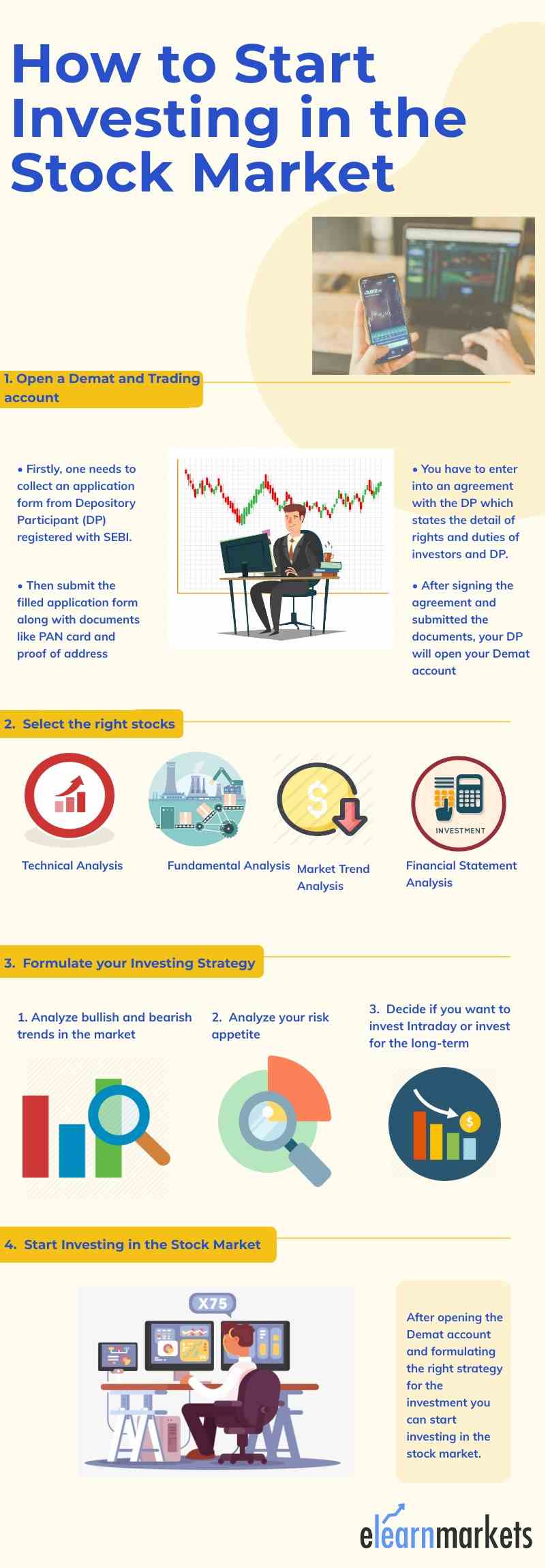
With an account opened and funded, the next question is: what should you actually buy? While it is tempting to try and find the next “unicorn” startup, successful beginning investors usually start with a broader approach.
Individual Stocks vs. ETFs and Mutual Funds
Buying individual stocks requires significant time and research. You are essentially betting that you know more than the collective market about a specific company’s future. For most beginners, Exchange-Traded Funds (ETFs) are a superior starting point.
An ETF is a basket of hundreds or thousands of stocks bundled into a single security. For example, an S&P 500 ETF allows you to own a tiny piece of the 500 largest companies in the United States. This provides instant diversification; if one company in the index fails, the impact on your total portfolio is minimal.
The Power of Asset Allocation
Diversification isn’t just about owning different stocks; it’s about owning different types of assets. A well-rounded portfolio might include:
- Growth Stocks: Companies expected to grow at a rate above the market average (often tech-heavy).
- Value Stocks: Established companies that are currently trading for less than their intrinsic value (often paying dividends).
- International Stocks: Exposure to markets outside the U.S. to hedge against domestic economic downturns.
- Bonds: Debt instruments that act as a “ballast” for your portfolio, providing steady interest payments and reducing overall volatility.
Mastering the Mechanics of Buying and Selling
The technical side of investing can be intimidating, but it boils down to understanding a few key terms and maintaining a consistent habit.
Understanding Market vs. Limit Orders
When you go to buy a stock, you will encounter different “order types.”
- Market Order: This tells the broker to buy the stock immediately at the best current price. It guarantees execution but doesn’t guarantee the price.
- Limit Order: This tells the broker to buy the stock only if it hits a specific price or lower. This gives you control over the price you pay, which is crucial in volatile markets where prices can jump significantly in seconds. For beginners, using limit orders is a best practice to avoid “slippage.”
The Importance of Dollar-Cost Averaging
Many people wait for the “perfect time” to enter the market. This is known as “timing the market,” and it is a losing game even for professionals. A more effective strategy is Dollar-Cost Averaging (DCA).
DCA involves investing a fixed amount of money at regular intervals (e.g., $200 every payday), regardless of whether the market is up or down. When prices are high, your $200 buys fewer shares. When prices are low, your $200 buys more shares. Over time, this lowers your average cost per share and removes the emotional stress of trying to predict market movements.
The Psychology of Sustained Market Success
The greatest challenge in stock investing isn’t math or economics—it’s psychology. The stock market is one of the few places where people run out of the store when there is a “sale” (a market crash).
Staying Disciplined Through Volatility
Market corrections—defined as a 10% drop from recent highs—happen almost every year on average. Bear markets (a 20% drop) happen roughly every few years. These are not signs that the system is broken; they are the price of admission for the long-term gains the market provides.
The most successful investors are those who can control their emotions. Avoid checking your portfolio daily. The “noise” of the 24-hour financial news cycle is designed to trigger fear or greed. Stick to your pre-defined strategy and remember that time in the market is more important than timing the market.
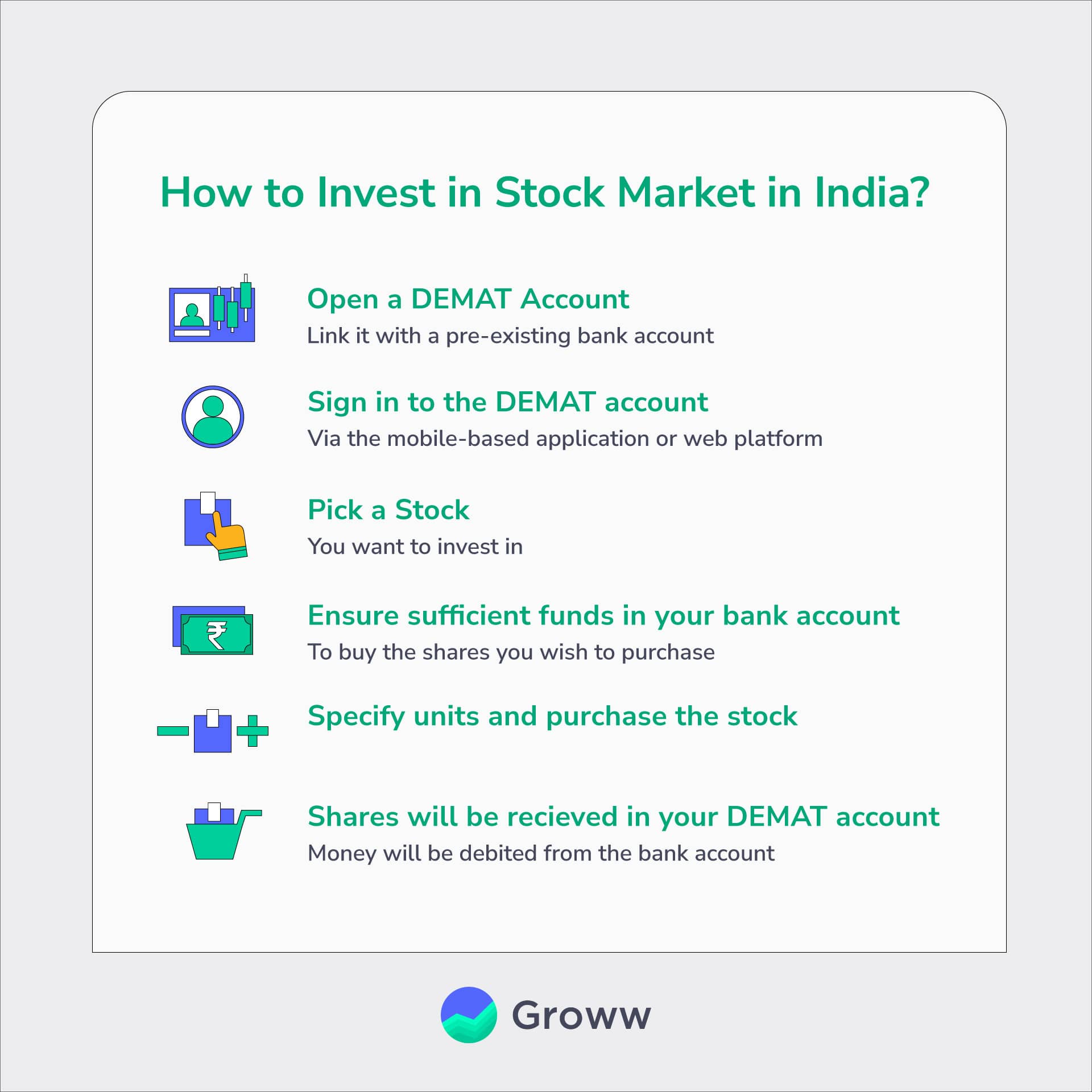
Rebalancing and Portfolio Maintenance
While you shouldn’t obsess over daily fluctuations, you should check your portfolio once or twice a year to “rebalance.” If your target was to have 80% stocks and 20% bonds, but a great year in the stock market has pushed your stocks to 90%, you are now taking on more risk than you intended. Rebalancing involves selling some of the “winners” and buying more of the “underperformers” to return to your original target. This forced discipline encourages you to “sell high and buy low,” which is the fundamental goal of all investing.
Investing in stocks is a marathon, not a sprint. By building a solid financial foundation, utilizing tax-advantaged accounts, favoring diversified ETFs, and maintaining emotional discipline, you can transform the stock market from a source of anxiety into a powerful tool for generational wealth. The best time to start was ten years ago; the second best time is today.
aViewFromTheCave is a participant in the Amazon Services LLC Associates Program, an affiliate advertising program designed to provide a means for sites to earn advertising fees by advertising and linking to Amazon.com. Amazon, the Amazon logo, AmazonSupply, and the AmazonSupply logo are trademarks of Amazon.com, Inc. or its affiliates. As an Amazon Associate we earn affiliate commissions from qualifying purchases.