
Embarking on the journey of budgeting can often feel like navigating a dense jungle without a compass. The very word “budgeting” conjures images of restriction, deprivation, and endless spreadsheets for many. However, in reality, budgeting is the most powerful tool for financial empowerment, a compass that guides you towards your financial goals, whatever they may be. It’s not about what you can’t spend, but rather about understanding where your money goes and consciously directing it towards a life you desire.
In an increasingly complex financial world, where temptations abound and economic uncertainties loom, having a clear financial roadmap is no longer a luxury but a necessity. A well-crafted budget provides clarity, reduces financial stress, and lays the groundwork for achieving everything from buying a home to securing a comfortable retirement. This comprehensive guide will demystify the budgeting process, offering a practical, step-by-step approach to help you take control of your finances and begin budgeting effectively.
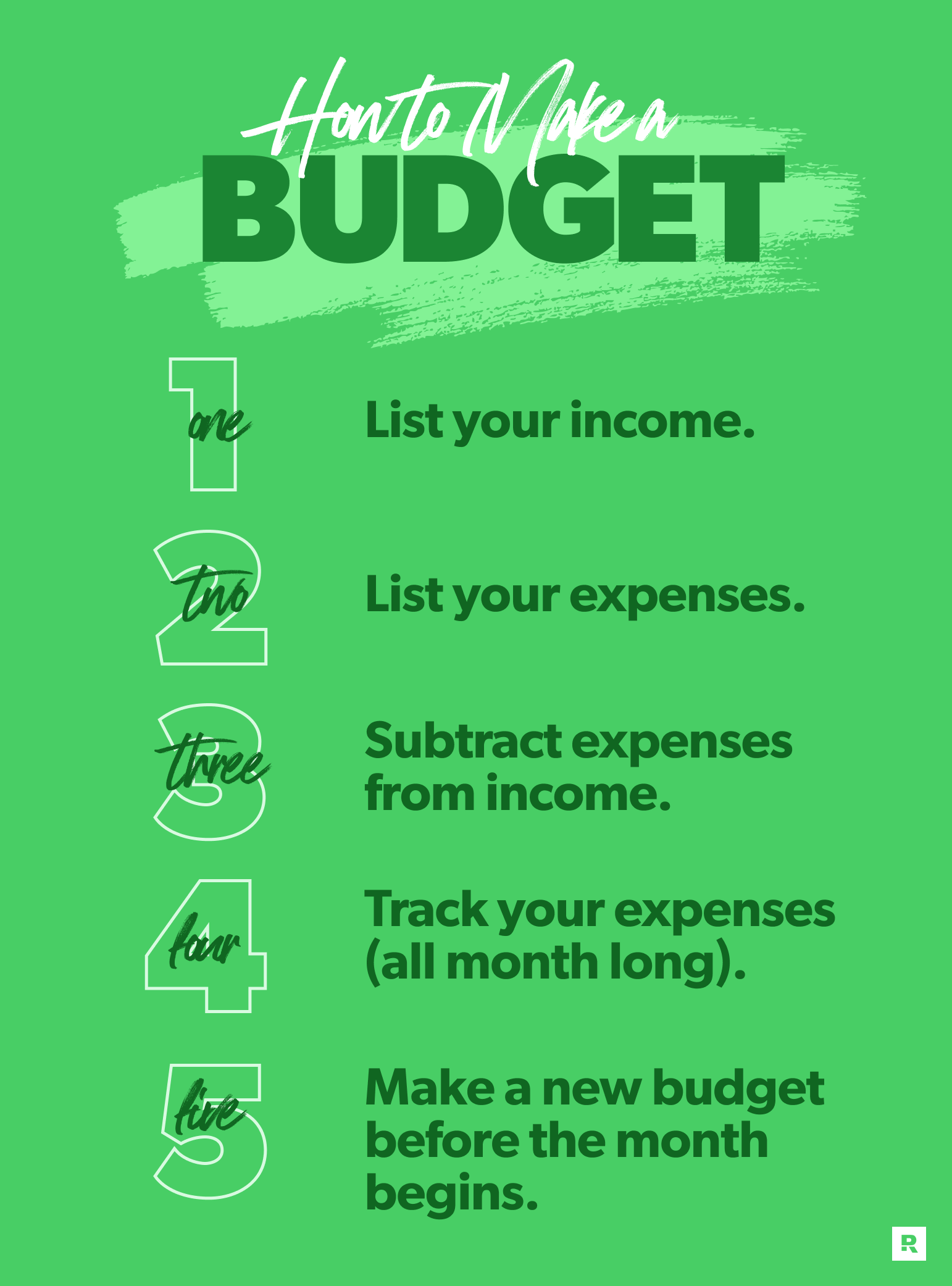
Understanding Your Current Financial Landscape
Before you can chart a new course, you must first know your starting point. This initial phase involves a frank and honest assessment of your current financial situation, providing the essential data needed to construct a realistic and effective budget. This isn’t about judgment; it’s about gaining clarity.
Tracking Income Sources
The first step in understanding your financial landscape is to identify and quantify all your income streams. This might seem straightforward for those with a single, consistent salary, but it can be more complex for freelancers, gig workers, or individuals with multiple income sources.
-
Primary Income: Your regular salary or wages from your main employment. Ensure you use the net income (after taxes, deductions, and contributions) as this is the actual money you have available to spend.
-
Secondary Income: Any additional income from side hustles, part-time jobs, rental properties, investments, or benefits. Be meticulous in tracking these, as even small, irregular amounts can add up over time.
-
Variable Income: If your income fluctuates, consider calculating an average over the past few months or using your lowest recent income figure to ensure your budget is sustainable even during leaner periods. This conservative approach provides a safety net.
Documenting every source of income gives you a clear picture of the total funds available each month, setting the upper limit for your spending and saving.
Analyzing Expenditures
Once you know how much money is coming in, the next crucial step is to understand where it’s going. This often proves to be the most eye-opening part of the budgeting process. Most people significantly underestimate how much they spend on non-essentials.
-
Fixed Expenses: These are costs that typically remain the same each month and are difficult to change in the short term. Examples include rent/mortgage payments, loan repayments (car, student), insurance premiums, and subscription services. List these out with their exact amounts and due dates.
-
Variable Expenses: These costs fluctuate month-to-month and are often where you have the most control. Categories include groceries, dining out, utilities (which can vary), transportation (gas, public transit), entertainment, clothing, and personal care. To accurately track these, gather bank statements, credit card statements, and receipts for the past 1-3 months. Categorize every transaction to see spending patterns.
-
Occasional Expenses: Don’t forget expenses that don’t occur monthly, such as annual memberships, car maintenance, holiday gifts, or medical check-ups. It’s wise to set aside a small amount each month for these larger, infrequent costs.
The goal here is to paint a realistic picture of your spending habits, identifying areas where you might be overspending and opportunities for adjustment.
Assessing Debts and Savings
A complete financial snapshot also requires an honest look at your liabilities and assets.
-
Debts: List all outstanding debts, including credit card balances, personal loans, student loans, and mortgages. Note down the interest rate, minimum payment, and total outstanding balance for each. Understanding your debt burden is critical for financial planning and prioritizing debt repayment strategies.
-
Savings: Document any existing savings accounts, emergency funds, investment accounts, and retirement funds. While your budget focuses on monthly cash flow, having a clear picture of your savings gives context to your overall financial health and helps you set realistic savings goals within your budget.
This comprehensive overview forms the foundation upon which your budget will be built, ensuring it is grounded in your actual financial reality.
Choosing the Right Budgeting Method for You
There isn’t a one-size-fits-all approach to budgeting. What works for one person might not resonate with another. The key is to find a method that aligns with your personality, financial complexity, and level of detail preference. The best budget is the one you can stick to.
The 50/30/20 Rule
This is a popular and straightforward budgeting guideline, particularly well-suited for beginners due to its simplicity. It proposes dividing your after-tax income into three broad categories:
-
50% for Needs: This covers essential expenses like housing (rent/mortgage), utilities, groceries, transportation, insurance, and minimum loan payments. These are costs you cannot reasonably avoid.
-
30% for Wants: This category includes discretionary spending that improves your quality of life but isn’t strictly necessary. Examples are dining out, entertainment, hobbies, vacations, new gadgets, and subscription services beyond the basic.
-
20% for Savings & Debt Repayment: This portion is dedicated to building your financial future. It includes contributions to an emergency fund, retirement accounts, investment funds, and any payments above the minimum on high-interest debts.
The 50/30/20 rule offers a balanced framework that allows for both responsible financial management and enjoyable discretionary spending, fostering sustainability.
Zero-Based Budgeting
Zero-based budgeting is a method where every single dollar of your income is assigned a “job” – whether it’s for an expense, savings, or debt repayment – until your income minus your expenses equals zero. This doesn’t mean your bank account goes to zero, but rather that every dollar has been intentionally allocated.
This method requires more active tracking and planning, typically done at the beginning of each month. It provides immense control and awareness of your spending, as you’re consciously directing every dollar. It’s particularly effective for those who want to maximize their savings or aggressively pay down debt, as it ensures no money is left unaccounted for.
Envelope System/Cash Budgeting
For those who prefer a tangible approach and struggle with overspending on credit cards, the envelope system can be highly effective. This method involves allocating a specific amount of cash for various variable spending categories (e.g., groceries, entertainment, personal care) and physically placing that cash into separate envelopes.
Once the cash in an envelope is gone for the month, you stop spending in that category until the next budgeting cycle. This system creates an immediate, tangible barrier to overspending and can be a powerful tool for visual learners or those looking to break bad spending habits. It’s less ideal for fixed expenses like rent but excellent for controlling discretionary spending.
Software & App-Based Budgeting
In the digital age, a plethora of apps and software solutions exist to simplify the budgeting process. Tools like Mint, YNAB (You Need A Budget), Personal Capital, and various banking apps can link directly to your bank accounts and credit cards, automatically categorizing transactions and providing real-time insights into your spending.
These tools offer convenience, automation, and detailed reporting, often with features like goal tracking, bill reminders, and net worth calculations. They can be particularly beneficial for those comfortable with technology and who appreciate visual dashboards and automated tracking. While many offer free versions, some advanced features may come with a subscription fee.
Crafting Your First Budget: Step-by-Step
With your financial data in hand and a budgeting method chosen, it’s time to build your first budget. This process is iterative; your first budget will likely not be perfect, and that’s perfectly normal.

Setting Realistic Financial Goals
Before allocating funds, clarify what you want your money to achieve. Goals provide motivation and direction. Categorize them:
-
Short-Term Goals (within 1 year): Building an emergency fund (3-6 months of living expenses), paying off a specific credit card, saving for a vacation, or a down payment for a car.
-
Medium-Term Goals (1-5 years): Saving for a home down payment, further education, or a significant investment.
-
Long-Term Goals (5+ years): Retirement planning, children’s college fund, major investments.
Quantify your goals (e.g., “save $10,000 for an emergency fund”) and assign a timeline. This makes them actionable and helps you determine how much you need to allocate each month.
Allocating Funds to Categories
Now, using your chosen budgeting method, start assigning your income to your expense and savings categories.
-
Start with Fixed Expenses: These are non-negotiable. Deduce these from your net income first.
-
Prioritize Savings & Debt Repayment: If you’re using the 50/30/20 rule, this is 20%. If zero-based, ensure your savings goals are funded before discretionary spending. Treat savings as a fixed expense – pay yourself first. Aggressively tackle high-interest debt here too.
-
Allocate for Variable Needs: Estimate amounts for groceries, utilities (if variable), and transportation based on your historical spending data. Try to be conservative.
-
Allocate for Wants/Discretionary Spending: This is where you have the most flexibility. Be honest with yourself about what you spend on dining out, entertainment, and shopping. This is often the first place to cut if your budget is tight.
Ensure that your total allocated funds do not exceed your total net income. If they do, you need to make adjustments, primarily by reducing “wants” or looking for ways to trim “needs.”
Building in a Buffer
Life is unpredictable. Unexpected expenses will inevitably arise – a car repair, a dental emergency, or a sudden gift need. A good budget includes a small buffer or a “miscellaneous” category to absorb these minor shocks without derailing your entire plan. This isn’t your emergency fund; it’s just a small cushion for day-to-day unexpected items that don’t fit neatly into other categories.
Review and Adjustment
Your first budget is a draft, not a decree. At the end of the first month (or even after a couple of weeks), sit down and compare your actual spending to your budgeted amounts.
-
Did you overspend in certain categories? Why?
-
Did you underspend in others?
-
Were your initial estimates accurate?
-
Did you forget any regular expenses?
Use these insights to refine your budget for the next month. Budgeting is an iterative process of learning, adjusting, and improving. Don’t get discouraged by initial missteps; they are part of the learning curve.
Implementing and Maintaining Your Budget
Creating a budget is only half the battle; the real challenge lies in consistently implementing and maintaining it over time. This requires discipline, regular attention, and a willingness to adapt.
Regular Monitoring
A budget is a living document, not a set-it-and-forget-it tool. Regular check-ins are crucial to ensure you’re staying on track.
-
Weekly Review: Dedicate 15-30 minutes each week to review your transactions, compare them against your budget, and adjust as needed. This helps you catch potential overspending early and make course corrections.
-
Monthly Review: At the end of each month, conduct a more thorough review. Evaluate your progress towards your financial goals, adjust category allocations based on the previous month’s actual spending, and plan for any upcoming irregular expenses. This is also a good time to track your net worth to see your progress.
Consistency in monitoring prevents your budget from becoming obsolete and helps you stay engaged with your financial plan.
Automating Savings and Debt Payments
One of the most effective strategies for maintaining your budget and achieving your financial goals is automation. “Paying yourself first” becomes effortless when it’s automated.
-
Automated Savings: Set up automatic transfers from your checking account to your savings, emergency fund, and investment accounts immediately after your paycheck hits. Even small, consistent transfers add up significantly over time.
-
Automated Debt Payments: Schedule automatic payments for your loans and credit cards, ensuring you never miss a payment and avoid late fees. If you’re aggressively paying down debt, automate payments above the minimum.
Automation removes the temptation to spend money before it reaches your savings or debt reduction goals, making your budget far more robust.
Dealing with Budget Busters
Despite your best efforts, there will be months where unexpected expenses or overspending in a category throws your budget off track. It’s crucial not to let a “budget buster” derail your entire effort.
-
Identify the Cause: Understand why you went over budget. Was it an unforeseen expense? Poor planning? Emotional spending?
-
Adjust for the Current Month: If possible, cut back in another variable spending category to compensate. If not, acknowledge the setback and plan how to get back on track next month.
-
Learn and Adapt: Use the incident as a learning opportunity. If it was an unforeseen expense, consider if you need a larger buffer or a dedicated sinking fund for such items. If it was overspending, reflect on triggers and strategies to avoid it in the future.
The key is to acknowledge, adjust, and move forward without guilt or giving up.
Celebrating Small Wins
Budgeting is a long-term endeavor, and it’s vital to stay motivated. Celebrate your progress, no matter how small.
-
Reaching a Savings Milestone: When you hit a specific savings target, acknowledge it.
-
Paying Off a Debt: This is a huge win! Take time to celebrate this achievement.
-
Sticking to Your Budget for a Month: Give yourself a small, non-budget-breaking treat.
Positive reinforcement helps build healthy financial habits and reinforces the idea that budgeting is about creating a better life, not just about restriction.

Conclusion
Beginning to budget is the first, most crucial step towards gaining complete control over your financial destiny. It’s an act of self-care, empowerment, and intentional living. While the initial steps may seem daunting, the framework provided – from understanding your current financial landscape and choosing the right method to crafting, implementing, and maintaining your budget – is designed to guide you through the process effectively.
Remember, budgeting is not about perfection, but about progress. It’s a continuous journey of learning, adjusting, and making conscious choices that align with your values and aspirations. Embrace the process, be patient with yourself, and celebrate every milestone. By taking charge of your money today, you are actively building a more secure, fulfilling, and financially free future for tomorrow. The power to transform your financial life is in your hands – and it all begins with that first budget.
aViewFromTheCave is a participant in the Amazon Services LLC Associates Program, an affiliate advertising program designed to provide a means for sites to earn advertising fees by advertising and linking to Amazon.com. Amazon, the Amazon logo, AmazonSupply, and the AmazonSupply logo are trademarks of Amazon.com, Inc. or its affiliates. As an Amazon Associate we earn affiliate commissions from qualifying purchases.