
Embarking on the journey of entrepreneurship is an exhilarating prospect, a leap of faith underpinned by passion, innovation, and a vision for the future. Yet, beneath the veneer of exciting ideas and groundbreaking products lies the bedrock of any successful venture: robust financial planning and astute money management. For the aspiring small business owner, understanding the financial landscape is not merely a task but the foundational skill that determines longevity and growth. This article delves into the critical financial considerations and strategies necessary to not just launch, but truly establish and cultivate a thriving small business in today’s dynamic economy. From securing initial capital to mastering cash flow and planning for sustainable growth, we will navigate the intricate world of business finance, providing actionable insights for your entrepreneurial ascent.
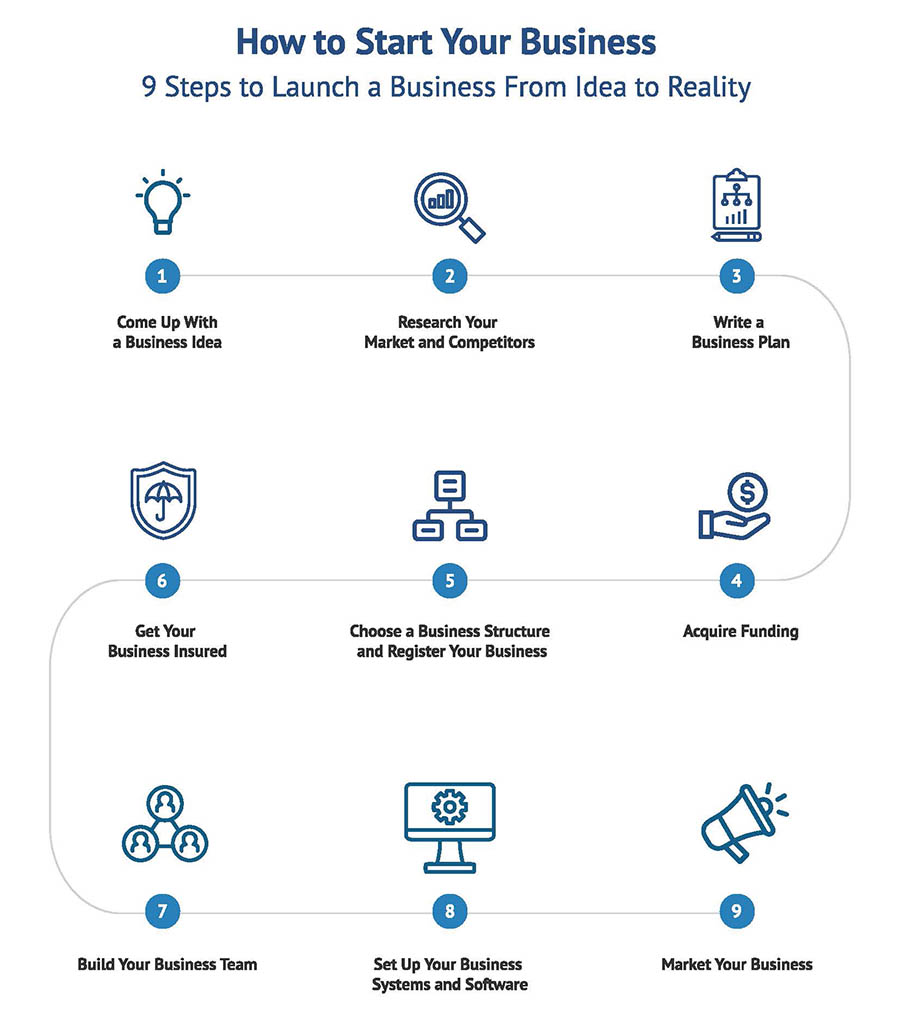
Laying the Financial Foundation: Pre-Launch Planning
Before even contemplating a grand opening, the smart entrepreneur meticulously maps out the financial requirements and potential. This initial phase is crucial for ensuring your business has the necessary capital to get off the ground and sustain itself during the often challenging early months.
Understanding Your Startup Costs and Funding Needs
The first step in any financial journey is knowing your destination, or in this case, your total required investment. Startup costs encompass a wide array of expenses, both one-time and recurring, that you’ll incur before generating significant revenue.
- Initial Capital Requirements: These are the big-ticket, one-off expenses that establish your operational infrastructure. Think about the costs associated with equipment purchases (e.g., computers, machinery, point-of-sale systems), initial inventory acquisition, necessary legal fees for registration and permits, licensing costs, and any required renovations or leasehold improvements for your physical location. Don’t forget professional services like legal counsel for entity formation or trademark registration.
- Operating Expenses: Beyond the initial setup, you’ll need funds to cover ongoing operational expenses before your business becomes profitable. This includes rent or lease payments, utilities (electricity, internet, water), salaries for yourself and any initial hires, marketing and advertising outlays, insurance premiums, and professional fees for accounting or other services. It’s imperative to project these costs for at least the first 6-12 months.
- Contingency Fund: One of the most common pitfalls for new businesses is underestimating expenses or facing unexpected challenges. A contingency fund, typically 15-25% of your total estimated startup costs, acts as a crucial financial buffer. This reserve will protect you from unforeseen market shifts, equipment failures, or slower-than-anticipated revenue generation, preventing premature financial distress.
Exploring Funding Avenues
Once you have a clear picture of your financial needs, the next challenge is securing the capital. Diverse funding options exist, each with its own advantages and drawbacks, catering to different business stages and risk appetites.
- Personal Savings (Bootstrapping): Many small businesses begin with the owner’s personal savings. Bootstrapping offers maximum control, no debt obligations, and proves your personal commitment to the venture. However, it exposes personal assets to risk and can limit growth potential due to capital constraints.
- Friends and Family: Often a more accessible source of capital than traditional lenders, funding from friends and family can come with more flexible terms. It’s vital to treat these arrangements professionally with clear loan agreements or equity stakes to prevent personal relationship strain.
- Small Business Loans:
- SBA Loans: Guaranteed by the U.S. Small Business Administration, these loans are often more accessible for startups, offering favorable terms and lower down payments than conventional loans. They are disbursed through partner lenders, not directly by the SBA.
- Traditional Bank Loans: Commercial banks offer various loan products for small businesses, often requiring a solid business plan, collateral, and a strong credit history. Eligibility can be tougher for brand-new ventures.
- Crowdfunding: Platforms like Kickstarter or Indiegogo allow businesses to raise small amounts of capital from a large number of individuals, often in exchange for pre-orders or unique rewards. This not only funds your business but also validates your product and builds early customer loyalty.
- Angel Investors/Venture Capital (VC): For businesses with high growth potential, angel investors (wealthy individuals investing personal capital) or venture capital firms (institutional investors) can provide substantial funding in exchange for equity. While less common for typical “small businesses” in their initial stages, it’s an option for scalable models. This path comes with significant expectations for rapid returns and often involves a loss of some control.
Crafting a Robust Business Plan with Financial Projections
A comprehensive business plan serves as your roadmap, and its financial section is the compass guiding your journey. It articulates your financial strategy, forecasts performance, and justifies your funding requests.
- Executive Summary: Beyond a general overview, this section should highlight key financial projections, including anticipated revenue, profit margins, and funding requirements, immediately grabbing the attention of potential investors or lenders.
- Market Analysis: Demonstrate a thorough understanding of your target market size, growth trends, and competitive landscape. Crucially, quantify the revenue potential of this market, showing how your business plans to capture its share.
- Products/Services and Pricing Strategy: Clearly define what you offer and, more importantly, how you will price it. Detail your pricing model (e.g., subscription, per-unit, hourly), justifying it based on costs, market value, and desired profit margins.
- Operational Plan and Cost Structure: Outline how your business will function day-to-day, including staffing, production processes, and supply chain. Translate these operations into a detailed cost structure, differentiating between fixed costs (e.g., rent, salaries) and variable costs (e.g., raw materials, sales commissions).
- Financial Plan: This is the core. It includes:
- Projected Profit & Loss (P&L) Statement: Forecasts revenue, cost of goods sold, and operating expenses to show anticipated net profit over a specific period (e.g., 3-5 years).
- Cash Flow Projections: This vital statement tracks the actual movement of cash in and out of your business, showing liquidity. It’s critical to identify potential cash shortages before they occur.
- Balance Sheet Projections: Provides a snapshot of your business’s assets, liabilities, and owner’s equity at a specific point in time.
- Break-Even Analysis: Calculates the sales volume (in units or revenue) required to cover all costs, indicating the point at which your business begins to generate profit. This metric is a crucial gauge of viability.
Setting Up for Financial Success: Operational Finance
Once the initial planning is complete and funding is secured, the next phase involves establishing the practical financial systems and strategies that will underpin your daily operations and long-term viability.
Choosing the Right Business Structure for Tax and Liability
The legal structure of your business has profound implications for financial liability, taxation, and administrative burden. Selecting the appropriate entity is a fundamental financial decision.
- Sole Proprietorship: Simple to set up, but offers no legal separation between personal and business finances. The owner is personally liable for all business debts and obligations. All profits and losses are reported on the owner’s personal tax return.
- Partnership: Similar to a sole proprietorship but involves two or more owners. Partners typically share profits, losses, and liabilities. General partnerships offer no liability protection, while limited partnerships (LPs) and limited liability partnerships (LLPs) provide some protection for certain partners.
- Limited Liability Company (LLC): A popular choice for small businesses due to its blend of liability protection (shielding personal assets) and flexible tax treatment. LLCs can elect to be taxed as a sole proprietorship, partnership, S-Corp, or C-Corp, offering significant financial planning advantages.
- S-Corporation (S-Corp) / C-Corporation (C-Corp): These corporate structures provide the strongest liability protection. C-Corps are subject to “double taxation” (corporate profits are taxed, and then shareholders’ dividends are taxed). S-Corps avoid double taxation by passing profits and losses directly to the owners’ personal income without being subject to corporate tax rates, making them attractive for smaller, growing businesses that meet specific criteria.
Choosing the right structure requires careful consideration of personal liability tolerance, tax implications, and future growth plans, often warranting consultation with a legal and financial advisor.
Establishing Business Banking and Accounting Systems
A clear demarcation between personal and business finances is not just good practice; it’s essential for accurate accounting, tax compliance, and financial analysis.
- Dedicated Business Bank Accounts: Open separate checking and savings accounts exclusively for your business. This simplifies tracking income and expenses, makes tax preparation easier, and projects a professional image. Mixing funds (commingling) can blur the lines of liability protection offered by entities like LLCs and corporations.
- Business Credit Cards: Obtain credit cards in your business’s name. This helps build a business credit history, offers expense tracking, and provides a revolving line of credit. Ensure responsible use to avoid accumulating high-interest debt.
- Basic Accounting Software: Invest in user-friendly accounting software from day one. Tools like QuickBooks, Xero, Wave, or FreshBooks automate tasks like invoicing, expense tracking, payroll, and financial reporting. They provide real-time insights into your financial health, helping you make informed decisions.
- Importance of Separating Personal and Business Finances: This cannot be overstressed. It ensures accurate financial statements, protects personal assets from business liabilities (for LLCs/Corps), and simplifies tax filing.
Developing a Pricing Strategy for Profitability
Setting the right price for your products or services is a delicate balance. Price too high, and you deter customers; price too low, and you undermine profitability and perceived value.
- Cost-Plus Pricing: A straightforward method where you calculate the total cost of producing a product or delivering a service, then add a desired profit margin percentage. While simple, it doesn’t account for market demand or competitive pricing.
- Value-Based Pricing: This strategy sets prices primarily based on the perceived value of your product or service to the customer, rather than on the cost of production. It requires a deep understanding of your target market and the unique benefits you offer.
- Competitive Pricing: Observing what competitors charge for similar products or services and pricing yours accordingly. You might price slightly above, below, or at par, depending on your brand positioning and value proposition.
- Understanding Profit Margins and Markups:
- Gross Profit Margin: (Revenue – Cost of Goods Sold) / Revenue. This indicates the profitability of your core product/service before operating expenses.
- Net Profit Margin: (Net Profit / Revenue). This shows the percentage of revenue left after all expenses, including taxes, have been deducted.
- Markup: The amount added to the cost of a product to determine its selling price. It’s often expressed as a percentage of the cost.
A solid pricing strategy ensures not only that you cover your costs but also that you generate a healthy profit, which is essential for reinvestment and growth.
Managing Cash Flow and Maximizing Profitability
Even profitable businesses can fail if they run out of cash. Effective cash flow management is the lifeblood of a small business, ensuring you have enough liquidity to meet obligations and seize opportunities.
Mastering Cash Flow Management
Cash flow is not profit. Profit is a theoretical calculation on paper, while cash flow is the actual money moving in and out of your bank account.
- Monitoring Inflows and Outflows: Regularly track every dollar that enters and leaves your business. This involves diligent record-keeping of sales, expenses, loan payments, and other transactions.
- Forecasting Cash Needs: Based on your P&L projections and historical data, anticipate future cash surpluses or shortages. This allows you to plan ahead, either by investing surplus cash or securing short-term financing for anticipated deficits.
- Managing Accounts Receivable: Implement efficient invoicing processes, clear payment terms, and prompt follow-ups for outstanding invoices. Faster collection of payments improves cash flow significantly. Consider offering early payment discounts or imposing late fees to encourage timely payments.
- Optimizing Accounts Payable: Strategically manage your payments to suppliers and vendors. Negotiate favorable payment terms (e.g., net 30, net 60) to extend your cash on hand, but always pay on time to maintain good vendor relationships and credit.
- Importance of Working Capital: This refers to the difference between current assets (cash, accounts receivable, inventory) and current liabilities (accounts payable, short-term debt). Sufficient working capital ensures you can meet short-term obligations and fund day-to-day operations.
Strategies for Cost Control and Efficiency
Keeping a keen eye on expenses is paramount. Every dollar saved on the cost side directly impacts your bottom line.
- Regular Expense Review: Periodically audit all your expenditures. Identify areas where costs can be reduced without compromising quality or operational effectiveness. Look for subscriptions you no longer use, consolidate vendors, or renegotiate contracts.
- Negotiating with Suppliers: Don’t be afraid to negotiate better prices, terms, or bulk discounts with your suppliers. A strong relationship can yield significant cost savings over time.
- Leveraging Technology for Automation: Utilize software for payroll, invoicing, inventory management, and marketing automation. Automating repetitive tasks reduces manual errors, saves labor costs, and frees up valuable time.
- Minimizing Waste: Whether it’s inventory spoilage, inefficient processes, or excessive energy consumption, identifying and eliminating waste directly boosts profitability. Implement lean methodologies where applicable.
Understanding Key Financial Metrics
Beyond basic profit and loss, a small business owner should be familiar with several key performance indicators (KPIs) that provide deeper insights into financial health and operational efficiency.
- Gross Profit Margin: As mentioned, this metric tells you how much profit you make from each sale before overheads. A healthy margin is crucial for covering operating costs.
- Net Profit Margin: The ultimate measure of profitability, indicating what percentage of revenue is left after all expenses, including taxes.
- Return on Investment (ROI): Measures the profitability of an investment relative to its cost. For example, the ROI of a new marketing campaign or equipment purchase.
- Burn Rate: Especially important for startups, this is the rate at which your business is spending its capital before it starts generating positive cash flow. It tells you how long your current cash reserves will last.
- Customer Acquisition Cost (CAC) and Lifetime Value (LTV): CAC is the cost of acquiring a new customer, while LTV is the total revenue a customer is expected to generate over their relationship with your business. A healthy LTV:CAC ratio is vital for sustainable growth.
Financial Growth and Future Planning
Starting a small business is just the first step. For sustained success, an entrepreneur must continually plan for growth, adapt to market changes, and ensure the financial resilience of their venture.
Reinvesting Profits for Sustainable Growth
Once your business begins to generate profits, a critical decision arises: how to allocate these funds. Smart reinvestment is key to scaling your operations and securing your future.
- Expanding Operations: Utilize profits to increase production capacity, open new locations, or enter new markets. This could involve purchasing new equipment, upgrading technology, or increasing inventory levels.
- Product/Service Development: Invest in research and development to enhance existing offerings or create new ones. Innovation keeps your business competitive and relevant.
- Marketing and Sales Initiatives: Allocate funds to strengthen your brand presence, reach new customer segments, and boost sales. This could involve digital marketing campaigns, hiring sales personnel, or improving your customer experience.
- Building Reserves: While tempting to spend all profits on growth, maintaining a healthy cash reserve is prudent. This acts as a buffer against economic downturns, unexpected expenses, or strategic opportunities.
Strategic Financial Planning for Expansion
Growth brings new financial complexities and opportunities. Proactive planning is essential to manage this evolution effectively.
- Budgeting for Future Initiatives: Develop detailed budgets for any planned expansions, new product launches, or significant hires. This ensures resources are allocated efficiently and helps track performance against goals.
- Scenario Planning: Prepare financial forecasts for different scenarios (e.g., best-case, worst-case, most likely). This helps you understand potential risks and rewards and develop contingency plans. What if sales exceed expectations? What if they fall short?
- Seeking Additional Funding for Growth Stages: As your business scales, you may require additional capital beyond retained earnings. This could involve securing larger bank loans, lines of credit, or even attracting equity investors for more significant expansion projects.
The Role of Financial Advisors and Continuous Learning
You don’t have to navigate the complex world of business finance alone. Expert guidance and ongoing education are invaluable assets.
- When to Hire an Accountant or Financial Advisor:
- Accountants: Essential for managing bookkeeping, payroll, tax preparation, and ensuring compliance. They can help set up robust accounting systems and provide regular financial reports.
- Financial Advisors: Offer strategic guidance on investment decisions, long-term financial planning, wealth management, and even exit strategies. They can help you make informed decisions about debt, equity, and asset allocation for growth.
Hiring professionals allows you to focus on your core business while ensuring your financial house is in order.
- Staying Updated on Tax Laws and Financial Regulations: Tax laws, industry regulations, and economic conditions are constantly changing. Regularly educate yourself or rely on your financial professionals to ensure your business remains compliant and agile.
- Continuous Learning in Business Finance: The financial landscape is ever-evolving. Commitment to continuous learning through workshops, courses, industry publications, and peer networking will equip you with the knowledge to make sound financial decisions throughout your business journey.
Beginning a small business is a marathon, not a sprint, and financial acumen is your essential training. By meticulously planning your finances, establishing robust systems, diligently managing cash flow, and strategically planning for growth, you lay the groundwork for not just survival, but for enduring success and the realization of your entrepreneurial dreams. Your journey starts with a solid financial footing.
aViewFromTheCave is a participant in the Amazon Services LLC Associates Program, an affiliate advertising program designed to provide a means for sites to earn advertising fees by advertising and linking to Amazon.com. Amazon, the Amazon logo, AmazonSupply, and the AmazonSupply logo are trademarks of Amazon.com, Inc. or its affiliates. As an Amazon Associate we earn affiliate commissions from qualifying purchases.