
In an increasingly complex financial world, the demand for knowledgeable and trustworthy tax professionals continues to surge. For individuals and businesses alike, navigating the labyrinthine rules of tax codes can be a daunting, time-consuming, and often financially risky endeavor. This creates a significant opportunity for skilled tax preparers – professionals who not only understand the intricacies of tax law but can also translate that understanding into tangible financial benefits and peace of mind for their clients.
Becoming a tax preparer is more than just crunching numbers; it’s about providing a vital financial service, ensuring compliance, optimizing financial outcomes, and often becoming a trusted advisor in a client’s financial journey. This career path offers flexibility, intellectual challenge, and substantial earning potential, making it an attractive option for those with an aptitude for finance, a meticulous eye for detail, and a commitment to continuous learning. Whether you envision yourself working for a large firm, a small accounting practice, or even launching your own independent service, the journey to becoming a proficient tax preparer requires a strategic approach to education, certification, and practical experience.
The Growing Demand for Skilled Tax Professionals
The financial landscape is ever-evolving, driven by legislative changes, economic shifts, and technological advancements. This constant flux ensures a persistent and growing need for experts who can help individuals and businesses remain compliant and financially optimized.
Understanding the Role of a Tax Preparer
A tax preparer is a financial professional specialized in preparing and filing tax returns on behalf of individuals, families, and businesses. Their primary role is to ensure that clients meet their tax obligations while legally minimizing their tax liability. This involves much more than simply inputting data; it requires a deep understanding of federal, state, and local tax laws, deductions, credits, and various filing statuses. Tax preparers often interact directly with clients, gathering financial information, answering complex questions, and advising on tax planning strategies for future financial health. They serve as a crucial intermediary between taxpayers and tax authorities, helping to prevent costly errors and audits, and advocating for clients when necessary. Their expertise directly impacts a client’s disposable income, business profitability, and overall financial stability.
Market Trends and Earning Potential
The tax preparation industry is robust, fueled by the annual filing requirements and the increasing complexity of tax codes. The gig economy, small business growth, and international financial activities further contribute to the demand for specialized tax services. The market for tax preparation services is valued in billions of dollars annually, indicating a strong and stable career outlook.
Earning potential for tax preparers varies significantly based on factors such as experience, location, client base, and credentials. Entry-level preparers might start with an hourly wage or a modest salary, especially when working for large chains. However, as experience grows and additional certifications (like Enrolled Agent or CPA) are acquired, income potential can rise substantially. Experienced tax preparers, particularly those specializing in niche areas like corporate tax, international tax, or estate planning, can command significantly higher fees. Independent tax preparers, especially those who build a strong client base, have the potential for very lucrative incomes, often exceeding six figures, as they directly benefit from their client acquisition and retention efforts. The seasonal nature of the busiest tax season also offers opportunities for flexible work arrangements or concentrating income within specific periods.
Essential Qualifications and Educational Paths
Embarking on a career as a tax preparer requires a foundational understanding of finance and accounting, coupled with specific certifications that validate your expertise and authorize you to practice.
Foundational Knowledge and Skills
A strong grasp of basic accounting principles, financial statements, and business law forms the bedrock of a successful tax preparation career. An associate’s or bachelor’s degree in accounting, finance, or business administration can provide this essential background. Even without a formal degree, individuals can acquire foundational knowledge through community college courses, online learning platforms, or vocational programs focused on bookkeeping and taxation. Key skills include meticulous attention to detail, analytical thinking, strong mathematical abilities, excellent communication skills for client interaction, and a high degree of ethical integrity. Proficiency with financial software and an ability to quickly adapt to new technologies are also critical in today’s digital tax environment.
Certification and Licensing Requirements
The specific requirements to become a tax preparer can vary by state, but generally, there are federal requirements that all preparers must meet.
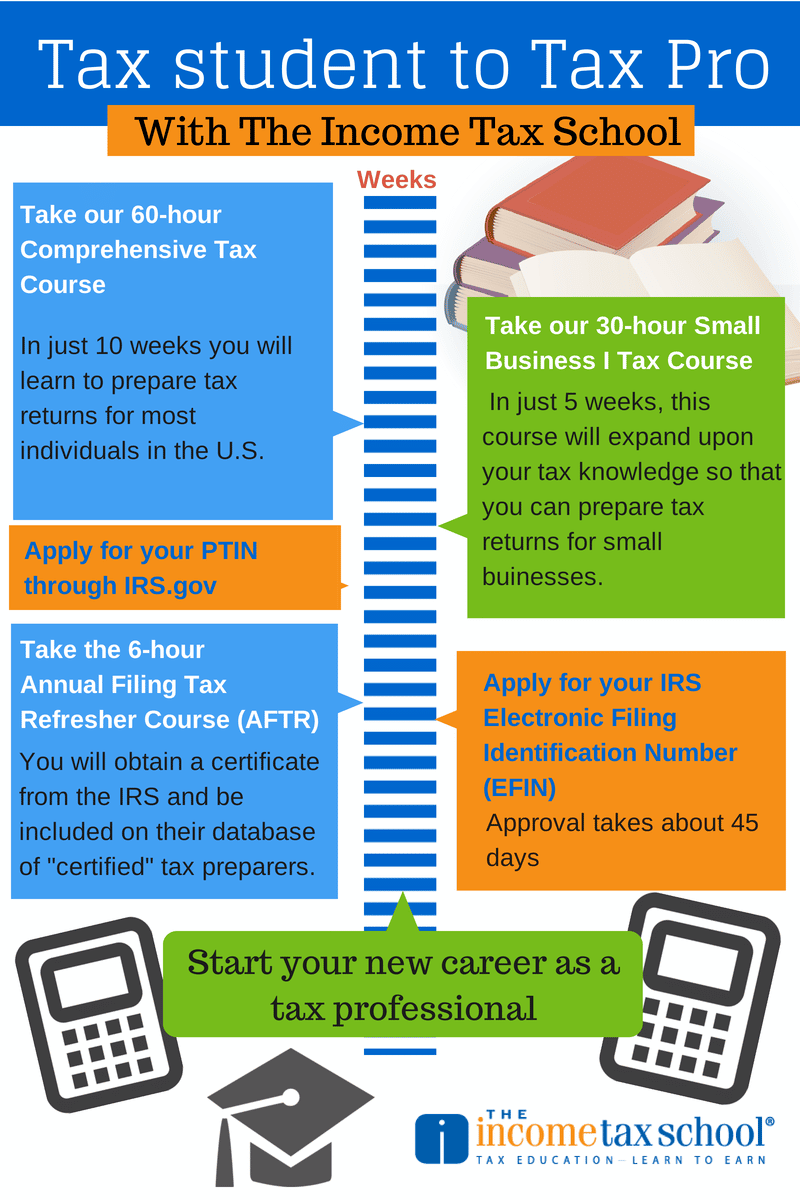
- Preparer Tax Identification Number (PTIN): Anyone who prepares federal tax returns for compensation must have a current PTIN issued by the IRS. This is the baseline requirement and must be renewed annually.
- Enrolled Agent (EA): This is a federal license that allows you to represent taxpayers before the IRS. EAs are authorized to prepare all types of tax returns and can represent clients during IRS audits, appeals, and collection issues. Becoming an EA requires passing a comprehensive three-part Special Enrollment Examination (SEE) covering all aspects of federal tax law, administered by the IRS. It’s a highly respected credential that significantly expands your scope of practice and earning potential.
- Certified Public Accountant (CPA): While not exclusively focused on tax, CPAs are highly qualified to prepare taxes and offer a broad range of accounting and financial services. Becoming a CPA requires a bachelor’s degree (typically 150 semester hours of education), passing a rigorous multi-part exam, and meeting state-specific experience requirements. A CPA license offers the highest level of credibility and opens doors to advanced roles in tax planning, financial consulting, and audit.
- State-Specific Requirements: Some states have their own registration, licensing, or bonding requirements for tax preparers, especially for those not federally licensed as EAs or CPAs. It’s crucial to check the regulations of the state(s) in which you plan to practice.
Continuing Professional Education (CPE)
The world of tax law is dynamic. To maintain a PTIN, EA, or CPA license, professionals are required to complete a certain number of Continuing Professional Education (CPE) hours each year. This ensures that preparers stay current with the latest tax laws, regulations, and industry best practices. CPE courses cover topics such as federal tax law updates, ethics, tax planning strategies, and specific areas of taxation like payroll or international tax. Investing in ongoing education is not just a requirement; it’s a strategic investment in one’s career, enhancing expertise and maintaining competitiveness in the financial services market.
Building Your Expertise: Training and Practical Experience
Formal education lays the groundwork, but true proficiency in tax preparation comes from targeted training and hands-on application of knowledge.
Formal Training Programs and Courses
Beyond degrees, numerous specialized tax preparation courses are available. These can range from short, intensive bootcamps offered by tax software companies to more comprehensive certificate programs offered by universities or professional organizations. These programs often focus on practical application, teaching how to use tax software, interpret tax forms, and handle various taxpayer scenarios. They are excellent for those looking to quickly gain the specific skills needed for tax season. Many reputable organizations, including the National Association of Tax Professionals (NATP) and the IRS itself (through programs like VITA/TCE), offer training resources designed to bring aspiring preparers up to speed.

Gaining Hands-on Experience
Theoretical knowledge is essential, but practical experience is invaluable.
- Volunteer Programs: The IRS-sponsored Volunteer Income Tax Assistance (VITA) and Tax Counseling for the Elderly (TCE) programs offer excellent opportunities to gain real-world experience. Volunteers prepare basic tax returns for low-to-moderate income individuals, the elderly, and people with disabilities. This provides direct client interaction, exposure to various tax situations, and experience with tax preparation software in a supported environment.
- Internships and Entry-Level Positions: Seeking internships with accounting firms, tax preparation franchises, or corporate tax departments can provide structured learning and mentorship. Entry-level roles often involve data entry, client intake, and assisting senior preparers, gradually building confidence and expertise.
- Mentorship: Finding an experienced tax professional who can guide you through complex cases and share industry insights can accelerate your learning curve significantly.
Specialization Opportunities
As you gain experience, you might discover an affinity for specific areas of taxation, which can lead to specialization and enhanced earning potential.
- Individual Tax: Focusing on W-2 employees, self-employed individuals, and diverse income sources.
- Small Business Tax: Working with sole proprietors, partnerships, and S-corporations, often involving more complex accounting and entity structures.
- International Tax: Assisting clients with foreign income, assets, or operations, navigating complex cross-border tax treaties.
- Estate and Gift Tax: Dealing with taxation of inheritances and wealth transfers.
- Audit Representation: Specializing in helping clients navigate IRS audits and disputes.
Specialization allows you to become an expert in a niche, attracting clients who need highly specific financial guidance.
Navigating the Business Side: Launching Your Career
Once you have the necessary qualifications and experience, the next step is to decide on your career path and establish your presence in the market.
Employment vs. Self-Employment
- Employment: Working for an established firm (accounting firm, tax franchise like H&R Block or Jackson Hewitt, or corporate tax department) offers a steady paycheck, benefits, and a built-in client base. It provides structure, mentorship, and a lower personal risk profile. This is often an excellent starting point for new preparers to gain confidence and industry exposure.
- Self-Employment: Launching your own tax preparation service offers greater flexibility, autonomy, and the potential for higher earnings. However, it also comes with responsibilities for client acquisition, marketing, business administration, and managing all aspects of your practice. This path requires a strong entrepreneurial spirit, robust financial management skills, and a willingness to invest time and resources into building a business. Many tax preparers start employed and transition to self-employment after building a strong foundation and a network of contacts.
Essential Tools and Software for Tax Preparation
Technology is indispensable for modern tax preparers. High-quality tax preparation software is crucial for efficiency, accuracy, and compliance. Popular options include:
- Professional Tax Software: Products like UltraTax CS, Lacerte, ProSeries, or Drake Software are designed for tax professionals and offer comprehensive features for various return types.
- Accounting Software Integration: Familiarity with accounting platforms like QuickBooks or Xero is often necessary when working with small business clients to extract and categorize financial data.
- Client Relationship Management (CRM) Software: To manage client information, appointments, and communications efficiently.
- Secure Document Management Systems: For securely storing sensitive client financial data and complying with data privacy regulations.
Investing in the right tools is a financial decision that directly impacts your productivity and ability to serve clients effectively.
Marketing Your Services and Building a Client Base
Whether employed or self-employed, establishing a professional reputation is vital. For independent preparers, effective marketing is paramount.
- Networking: Join professional organizations (e.g., NATP, state CPA societies) to connect with peers and potential referral sources.
- Online Presence: Create a professional website, optimize for local SEO, and leverage social media platforms (LinkedIn, Facebook) to showcase your expertise.
- Referral Programs: Encourage satisfied clients to refer new business.
- Community Engagement: Participate in local events, offer workshops on tax planning, or volunteer your expertise to build trust and visibility.
- Clear Value Proposition: Clearly articulate how your services save clients money, time, or reduce stress, emphasizing the financial benefits of professional tax preparation. Building a solid client base is a long-term investment in your financial future.
Financial Considerations and Long-Term Career Growth
A career in tax preparation isn’t just about preparing returns; it’s about building a sustainable financial practice and continuously growing your expertise.
Fee Structures and Income Streams
As an independent tax preparer, establishing a fair and profitable fee structure is critical for your financial success. Common pricing models include:
- Per Form/Per Complexity: Charging based on the number and complexity of forms required.
- Hourly Rate: Billing for the time spent on a client’s return or consultation.
- Flat Fee: A fixed price for specific services, offering transparency to clients.
- Value-Based Pricing: Charging based on the financial value you deliver to the client (e.g., tax savings achieved).
Beyond preparing annual returns, consider offering additional income streams such as tax planning consultations, audit representation services, bookkeeping, or payroll services, which can provide year-round income and deepen client relationships.
Managing Your Practice and Client Relationships
Effective practice management is essential for profitability and client retention. This involves:
- Time Management: Efficiently organizing your schedule, especially during peak tax season.
- Financial Management: Handling your own business finances, including budgeting, invoicing, and tax payments.
- Client Communication: Maintaining open, clear, and professional communication to build trust and manage expectations.
- Data Security: Implementing robust security measures to protect sensitive client information and comply with privacy regulations.
- Error and Omissions Insurance: A critical financial safeguard against potential mistakes, protecting both you and your clients. Strong client relationships built on trust and excellent service are the bedrock of a thriving, financially stable practice.
Future Outlook and Advanced Career Paths
The tax preparation field is ripe with opportunities for long-term growth. Beyond traditional preparation, you can advance into roles such as:
- Tax Consultant/Advisor: Providing strategic tax planning advice for individuals or businesses.
- Forensic Accountant: Investigating financial discrepancies and fraud, often involving complex tax implications.
- Financial Planner: Integrating tax planning into broader financial strategies for wealth management.
- Educator: Teaching aspiring tax professionals or writing about tax-related topics.
The integration of AI and automation tools will continue to streamline routine tasks, allowing tax preparers to focus more on advisory roles, complex problem-solving, and offering higher-value services. Continuously investing in your skills, adopting new technologies, and understanding evolving financial landscapes will ensure a rewarding and financially stable career in tax preparation.
Conclusion
Becoming a tax preparer is a journey that blends financial acumen with meticulous attention to detail and a commitment to serving clients. It offers a professional pathway with significant earning potential, flexibility, and the intellectual stimulation of navigating an ever-changing regulatory environment. By investing in the right education, pursuing appropriate certifications like the PTIN, Enrolled Agent, or CPA, and gaining hands-on experience, you can build a reputable and successful career. Whether working within an established firm or venturing out to build your own practice, a career in tax preparation means becoming an indispensable financial ally, helping individuals and businesses optimize their financial health and navigate the complexities of their tax obligations with confidence.
aViewFromTheCave is a participant in the Amazon Services LLC Associates Program, an affiliate advertising program designed to provide a means for sites to earn advertising fees by advertising and linking to Amazon.com. Amazon, the Amazon logo, AmazonSupply, and the AmazonSupply logo are trademarks of Amazon.com, Inc. or its affiliates. As an Amazon Associate we earn affiliate commissions from qualifying purchases.