
Navigating the complexities of tax obligations can be challenging, particularly with the proliferation of digital payment platforms like Venmo. While seemingly simple for peer-to-peer transactions, the financial landscape shifts when these apps facilitate income generation. Understanding how to legally and ethically manage your Venmo transactions to optimize your tax position is crucial for individuals and small businesses alike. This involves a clear comprehension of what constitutes taxable income, the IRS’s reporting requirements, and best practices for financial documentation. The goal isn’t to evade taxes but to ensure compliance while avoiding overpayment and unnecessary scrutiny.
Decoding Venmo’s Role in Your Financial Reporting
The primary confusion surrounding Venmo and taxes often stems from a misunderstanding of how the platform differentiates between personal transfers and business transactions, and how these distinctions impact IRS reporting.
The Core Distinction: Personal vs. Business Transactions
At its heart, Venmo was designed for casual, personal transactions—splitting dinner bills, paying rent to a roommate, or sending a gift to a friend. These types of transfers are generally not considered taxable income by the IRS. They are akin to handing cash to a friend for your share of a meal.
However, when Venmo is used to receive payment for goods or services, it crosses into the realm of business income. This includes payments for freelancing work, sales of products, services rendered (e.g., dog walking, tutoring, consulting), or any revenue generated from a side hustle or small business. The IRS considers all income derived from a trade or business, regardless of the payment method, as taxable. It’s critical to accurately categorize each transaction within the Venmo app itself, though this internal categorization doesn’t solely determine taxability but aids in personal record-keeping.
Understanding the 1099-K Reporting Thresholds
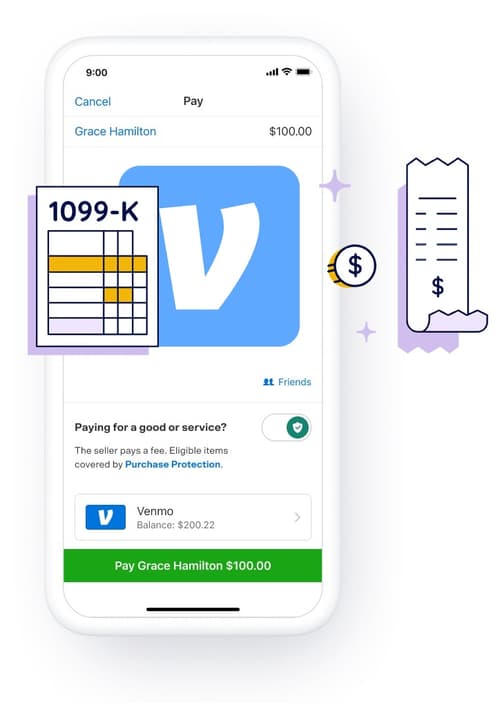
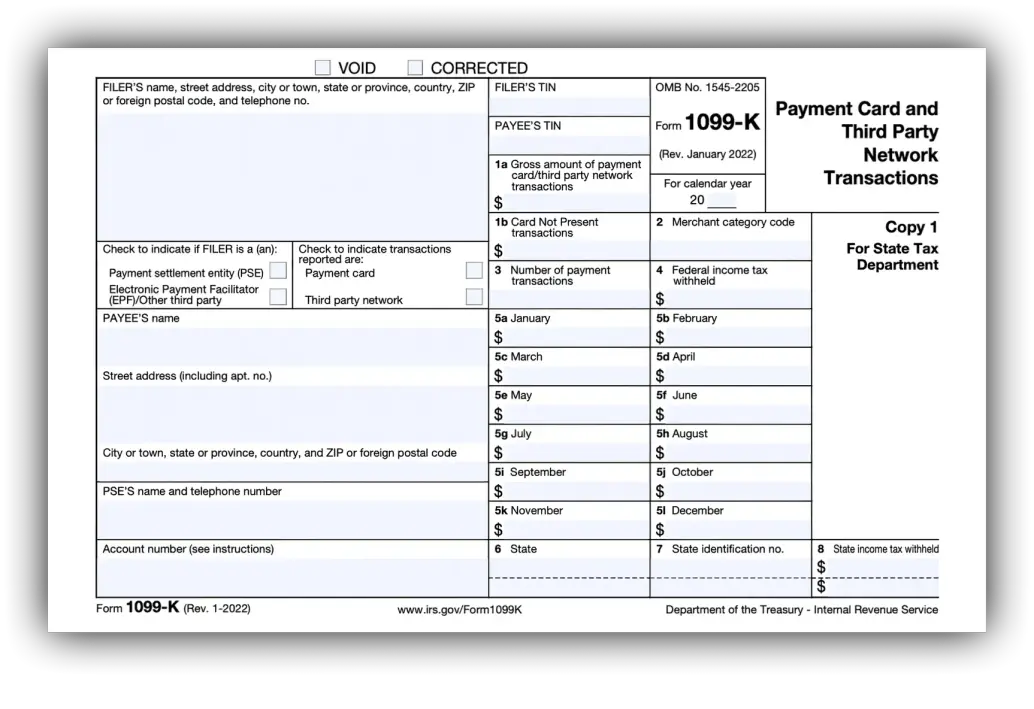
One of the most significant points of contention and confusion regarding third-party payment networks like Venmo is the 1099-K reporting threshold. This form is issued by payment processors to both the IRS and the recipient when certain financial activity thresholds are met.
Historically, for a 1099-K to be issued, a payment app user needed to have processed over $20,000 in gross payments and had more than 200 transactions in a calendar year. This higher threshold often meant that many casual sellers or small-scale freelancers did not receive a 1099-K.
However, recent legislative changes aimed to lower this threshold significantly. The American Rescue Plan Act of 2021 initially proposed lowering the threshold to just $600, with no transaction minimum, starting in 2022. This change sparked widespread concern and confusion among users. Due to these concerns and the need for a smoother transition, the IRS delayed the implementation of the $600 threshold.
For the 2023 tax year, the old threshold of over $20,000 in gross payments and more than 200 transactions remained in effect. Looking ahead, the IRS announced a further delay and a transitional approach for 2024, proposing a $5,000 threshold for the issuance of 1099-K forms for the upcoming tax season. It’s imperative for users to stay informed about these fluctuating thresholds, as they directly impact when a 1099-K might be issued, signaling your income to the IRS. Regardless of whether you receive a 1099-K, all taxable income, even if below the reporting threshold, must still be reported.
What the IRS Considers Taxable Income via Payment Apps
The IRS’s definition of taxable income is broad and encompasses any funds received for services performed or goods sold, whether through traditional methods or digital platforms. If you earn money through Venmo for activities such as:
- Freelance work: Writing, graphic design, web development, consulting.
- Sales of goods: Items sold through an online store, craft fair, or even garage sales if it constitutes a business.
- Services: Pet sitting, personal training, tutoring, handyman services.
- Rental income: From property or equipment.
These earnings are considered taxable income and must be reported on your income tax return. This is true even if the amounts are small, even if you do not receive a 1099-K, and even if it’s considered a “side hustle.” The method of payment (cash, check, bank transfer, Venmo) does not alter its taxability. Conversely, receiving money from friends as a reimbursement for shared expenses, birthday gifts, or personal loans are generally not considered taxable income. The critical distinction lies in whether there was an expectation of goods or services in exchange for the payment.
Strategic Financial Management for Venmo Users
Effective tax management begins with proactive and meticulous financial habits. For Venmo users, this translates into careful transaction handling, account segregation, and robust record-keeping.
Meticulous Transaction Tagging and Documentation
Venmo allows users to add notes to each transaction. This feature is invaluable for tax purposes. Develop a consistent system for tagging or describing payments that clearly indicates their nature. For business transactions, include details such as “Web Design Service for [Client Name],” “Sale of Handcrafted Jewelry,” or “Consulting Fee – Project X.” For personal transfers, use descriptions like “Dinner Reimbursement,” “Gift – Birthday,” or “Shared Rent – July.” This practice serves as your first line of defense in distinguishing taxable income from non-taxable personal funds. Should you ever face an IRS inquiry, these detailed notes provide immediate context for each transaction. Beyond Venmo’s internal notes, maintain external records such as invoices, receipts, and contracts that corroborate your business transactions.
Segregating Personal and Business Accounts
One of the most fundamental principles of sound financial management for anyone conducting business, even a side hustle, is to keep personal and business finances separate. This applies rigorously to payment apps. If you frequently use Venmo for both personal and business transactions, consider establishing a dedicated business Venmo profile or, ideally, using a completely separate payment platform for business income. Many small businesses opt for Venmo’s business profile feature, which clearly marks transactions as business-related and facilitates easier tracking. More broadly, linking your business Venmo to a separate business bank account makes reconciliation and tax preparation significantly simpler, eliminating the painstaking process of sifting through mixed personal and business transactions. This segregation minimizes ambiguity and strengthens your tax position.
The Significance of Clear Payment Descriptions
Beyond tagging, the clarity and consistency of your payment descriptions are paramount. Avoid vague terms like “payment” or “P2P.” Instead, be specific. For reimbursements, state “Reimbursement for [item/event]” and specify who paid upfront. For gifts, clearly label them as “Birthday Gift” or “Holiday Gift.” For business income, ensure the description directly reflects the service or product provided. This precision not only helps you track your income and expenses but also provides undeniable evidence to the IRS regarding the nature of the funds, should questions arise. A clear, consistent description acts as a mini-ledger entry for every transaction, simplifying future audits or financial reviews.
Leveraging Deductions and Expenses
While reporting all taxable income is mandatory, the ability to reduce your taxable income through legitimate deductions is a key strategy for legally “avoiding” higher taxes. This is particularly relevant for those earning business income through Venmo.
Identifying Legitimate Business Expenses
When you operate a business, even a small one, you are generally allowed to deduct ordinary and necessary business expenses from your gross income. This reduces your net taxable income. For instance, if you’re a freelance writer receiving Venmo payments, you might deduct expenses such as:
- Home office expenses: A portion of rent/mortgage, utilities, internet if you have a dedicated workspace.
- Software and subscriptions: Tools essential for your work (e.g., word processors, design software, project management apps).
- Supplies: Printer ink, notebooks, specialized equipment.
- Professional development: Courses, workshops, industry memberships.
- Marketing and advertising: Costs associated with promoting your services.
- Mileage: Travel for business purposes.
It’s crucial that these expenses are directly related to and necessary for your business activities. Accurately tracking these can significantly lower your overall tax liability.
Record-Keeping Best Practices for Deductibles
To claim business deductions, impeccable record-keeping is non-negotiable. Maintain detailed records for all business expenses, including:
- Receipts: Digital or physical copies of every purchase.
- Invoices: For services or goods you purchase for your business.
- Bank statements: Highlighting business-related transactions.
- Mileage logs: If you use your personal vehicle for business travel.
- Dedicated expense tracking software: Tools like QuickBooks Self-Employed or FreshBooks can help categorize and track expenses automatically, linking directly to your bank accounts.
These records substantiate your claims in the event of an audit. Without proper documentation, the IRS may disallow deductions, leading to a higher tax bill and potential penalties.
Understanding Self-Employment Taxes
If you’re receiving business income through Venmo, you’re likely considered self-employed by the IRS. This means you’re responsible for paying self-employment taxes, which cover Social Security and Medicare taxes. These are typically paid by both employees and employers, but as a self-employed individual, you pay both halves. The self-employment tax rate is 15.3% (12.4% for Social Security up to a certain income limit, and 2.9% for Medicare with no income limit).
Crucially, you can deduct one-half of your self-employment taxes from your gross income when calculating your adjusted gross income (AGI). This deduction helps offset some of the additional tax burden. Understanding and planning for self-employment taxes is essential for accurately estimating your tax liability and avoiding surprises at tax time. For those with significant self-employment income, quarterly estimated tax payments are usually required to avoid penalties.
Proactive Measures and Professional Guidance
Effective tax management is an ongoing process that benefits from regular oversight and, when necessary, expert advice.
Regular Financial Reviews and Reconciliation
Don’t wait until tax season to review your Venmo transactions. Make it a habit to regularly reconcile your Venmo activity with your bank statements and other financial records. Monthly or quarterly reviews allow you to catch errors, properly categorize any untagged transactions, and identify potential discrepancies early on. This proactive approach ensures your records are accurate and complete, making tax preparation a much smoother process. Look for unusual activity, confirm payment descriptions, and verify that personal and business funds have not been commingled inadvertently. Consistency in this practice will save significant time and stress later.
When to Consult a Tax Professional
While understanding the basics is empowering, tax laws are complex and frequently change. If your business income via Venmo becomes substantial, if you have multiple income streams, or if you’re uncertain about specific deductions or reporting requirements, consulting a qualified tax professional (e.g., a CPA or enrolled agent) is highly advisable. They can provide personalized advice, help optimize your deductions, ensure compliance with all federal and state tax laws, and even represent you in the event of an audit. The cost of professional advice is often outweighed by the tax savings and peace of mind it provides.
The Ramifications of Non-Compliance
Ignoring your tax obligations for income received through Venmo can lead to severe consequences. The IRS has sophisticated methods for tracking income, and with the increased scrutiny on third-party payment networks, the chances of unreported income going unnoticed are diminishing. Penalties for non-compliance can include:
- Failure-to-file penalties: For not submitting your tax return on time.
- Failure-to-pay penalties: For not paying taxes owed by the deadline.
- Accuracy-related penalties: For understating your income or claiming improper deductions.
- Interest: On unpaid taxes.
- Criminal charges: In cases of willful tax evasion.
The best way to avoid these pitfalls is through diligent record-keeping, accurate reporting, and proactive tax planning. By treating Venmo as a legitimate financial tool for business and understanding its tax implications, you can avoid unnecessary tax burdens and ensure financial integrity.
aViewFromTheCave is a participant in the Amazon Services LLC Associates Program, an affiliate advertising program designed to provide a means for sites to earn advertising fees by advertising and linking to Amazon.com. Amazon, the Amazon logo, AmazonSupply, and the AmazonSupply logo are trademarks of Amazon.com, Inc. or its affiliates. As an Amazon Associate we earn affiliate commissions from qualifying purchases.