
Understanding the PayPal 1099-K Landscape
The digital economy has revolutionized how individuals and businesses earn income, with platforms like PayPal facilitating countless transactions daily. However, with increased financial activity comes heightened scrutiny from tax authorities, primarily through forms like the 1099-K. Understanding this form and the reporting thresholds is crucial for anyone engaging in online commerce or receiving payments via PayPal. The title “how to avoid paypal 1099” is often interpreted not as a strategy to evade taxes, but rather as a guide to effectively manage transactions to either stay below reporting thresholds where applicable, or, more importantly, to ensure meticulous financial records are in place to simplify tax compliance when a 1099-K is issued.

What is the Form 1099-K?
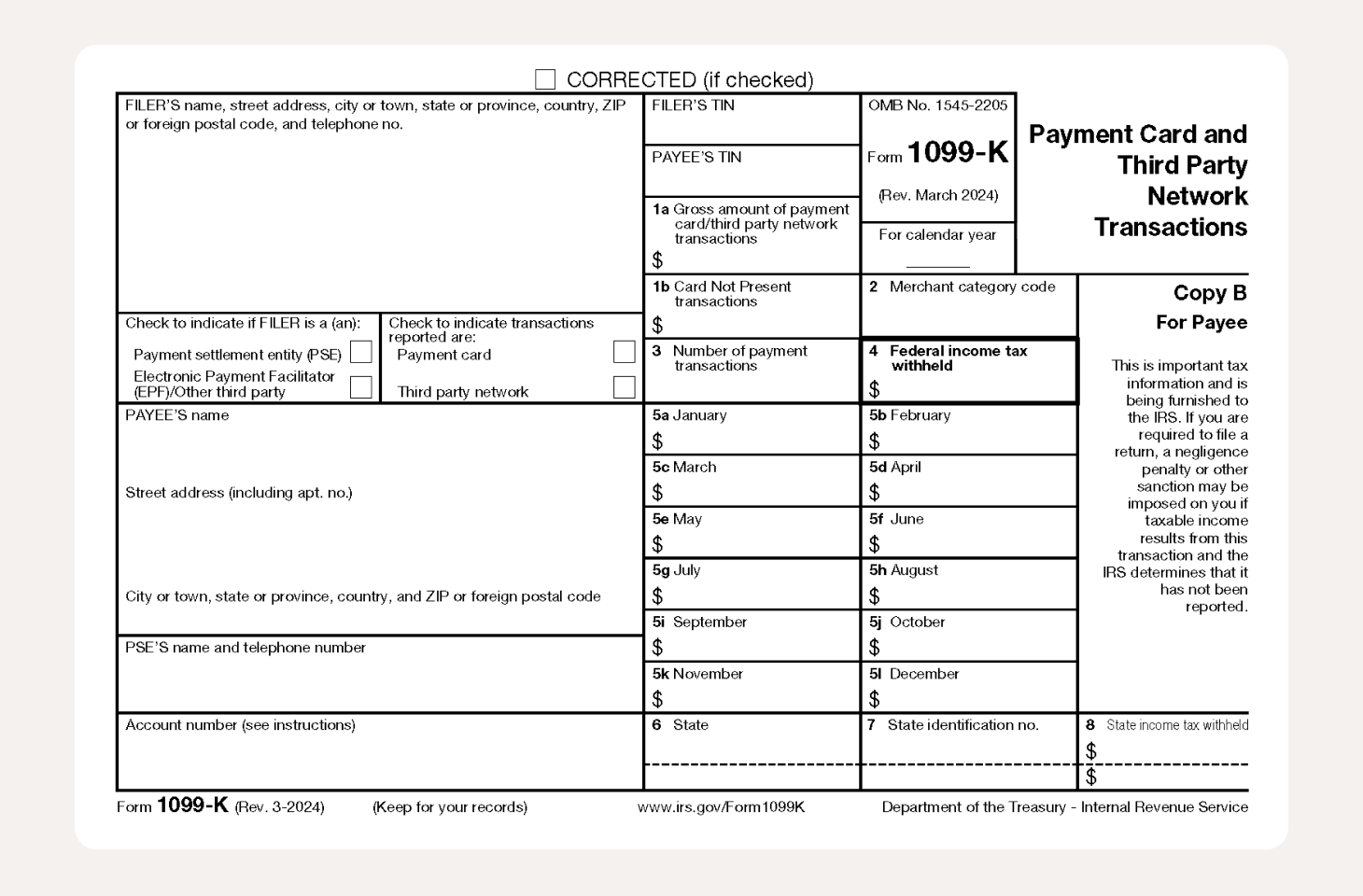
Form 1099-K, “Payment Card and Third Party Network Transactions,” is an informational tax document issued by payment processors, like PayPal, to the IRS and to individuals or businesses that have received payments for goods and services. Its primary purpose is to help the IRS identify potential taxable income that might otherwise go unreported. For recipients, it serves as a summary of gross payment volume processed through a third-party payment network. It’s critical to note that the 1099-K reports gross amounts, meaning it does not account for returns, fees, or other adjustments. This gross figure is merely a starting point for calculating actual taxable income. The IRS uses this form to cross-reference reported income with what taxpayers declare on their income tax returns. Failing to account for income represented on a 1099-K can lead to discrepancies that trigger IRS inquiries, penalties, or audits. Therefore, robust record-keeping is not just good practice; it’s a fundamental requirement for financial transparency and compliance.
The Shifting Thresholds: Historical Context and Recent Developments
Historically, the IRS required third-party payment networks like PayPal to issue a 1099-K if a user had more than 200 transactions and the gross payment volume exceeded $20,000 in a calendar year. This dual threshold meant that many small-volume sellers or those with a high number of low-value transactions might not receive a 1099-K, even if their income was technically taxable.
However, the landscape began to change significantly with the passage of the American Rescue Plan Act of 2021. This legislation drastically lowered the 1099-K reporting threshold for third-party payment networks to a single threshold of $600, regardless of the number of transactions. This change was initially slated to go into effect for the 2022 tax year. The intent was to enhance tax compliance, particularly among those participating in the gig economy, online marketplaces, and digital service providers. The lower threshold meant that a vast number of individuals and small businesses who previously did not receive a 1099-K would now be subject to this reporting requirement.
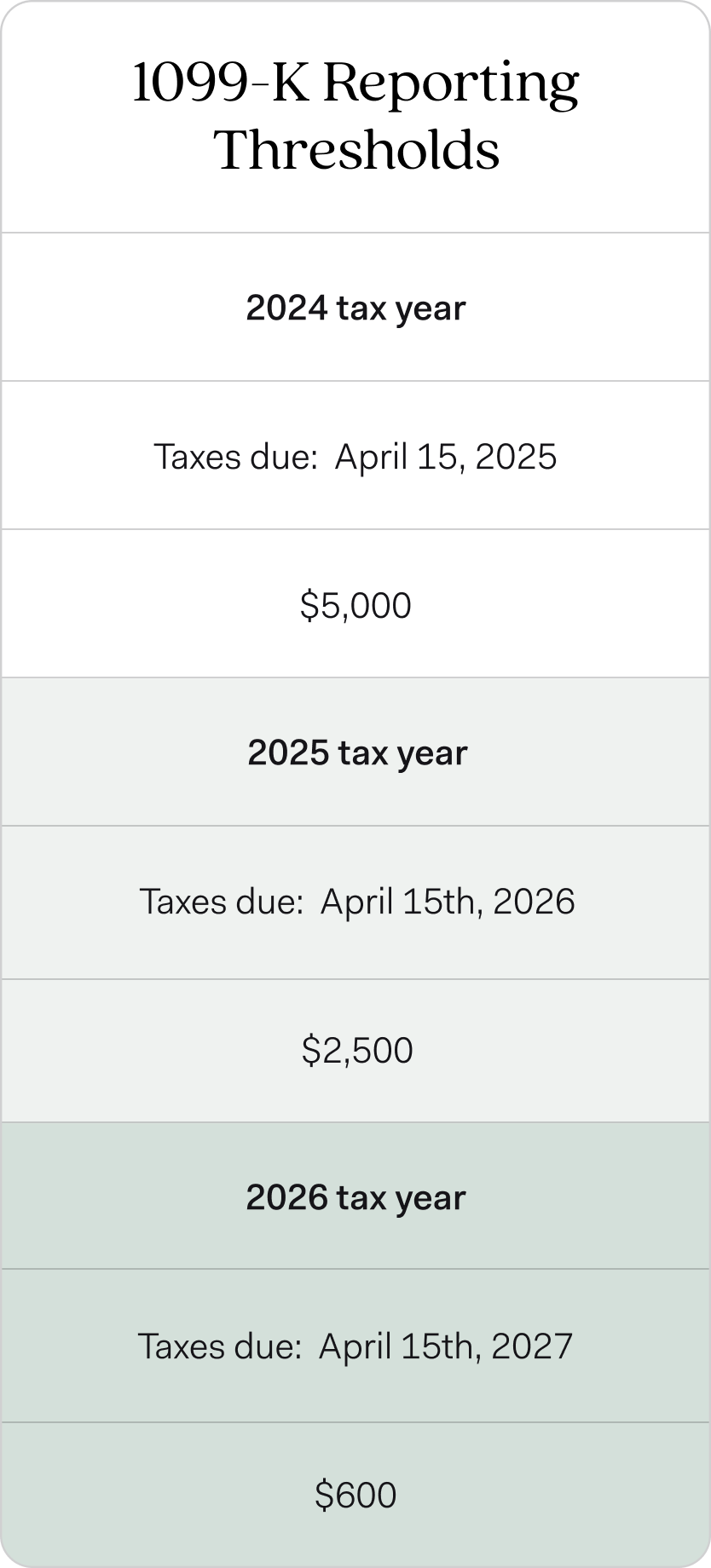
The implementation of this $600 threshold has faced delays and adjustments. Due to the significant operational burden on payment processors and the potential for taxpayer confusion, the IRS announced a delay in its implementation. For the 2023 tax year, the IRS reverted to the higher historical threshold of $20,000 and more than 200 transactions. For the 2024 tax year, the IRS plans a transition period with an increased threshold of $5,000 for gross payments, still without a transaction count minimum. The IRS intends to fully implement the $600 threshold in subsequent years. These shifts underscore the dynamic nature of tax regulations related to digital payments and highlight the ongoing need for taxpayers to stay informed and adapt their financial management strategies.
Who Receives a 1099-K from PayPal?
PayPal issues a 1099-K to any user whose account activity for payments received for goods and services meets the applicable IRS reporting threshold for a given tax year. As of early 2024, for the 2023 tax year, this means if you processed over $20,000 in gross payments and had more than 200 separate transactions for goods and services through PayPal, you would receive a 1099-K. Payments sent via the “Friends and Family” option are generally not considered payments for goods and services and are thus typically excluded from 1099-K reporting. However, this distinction relies on the sender properly categorizing the payment. If a sender mistakenly marks a personal gift as a “goods and services” payment, it could inadvertently contribute to the recipient’s 1099-K total. This distinction is critical for understanding which transactions are included and planning accordingly. Regardless of whether a 1099-K is received, all income, unless specifically exempted, is taxable and must be reported to the IRS. A 1099-K is an informational document; it does not dictate what is taxable, but rather informs the IRS about payments made through third-party networks.
Strategic Financial Management to Mitigate 1099-K Triggers
Proactive financial management is key to navigating the complexities of PayPal 1099-K reporting. While the goal is not to avoid tax obligations, understanding how to manage your transactions can streamline compliance and prevent unnecessary administrative burdens or potential audit flags.
Separating Personal and Business Finances Rigorously
One of the most effective strategies for anyone using PayPal for both personal and income-generating activities is to maintain strictly separate accounts. Commingling funds makes it exceedingly difficult to distinguish between taxable business income and non-taxable personal transfers, gifts, or reimbursements.
- Dedicated Business Account: Establish a separate PayPal Business account specifically for all transactions related to your side hustle, online sales, freelance work, or business activities. Link this account to a dedicated business bank account.
- Personal Account for Personal Use: Use your personal PayPal account exclusively for personal transactions, such as sending gifts to friends or family (using the “Friends and Family” option), splitting bills, or making personal purchases.
- Clear Documentation: Even with separate accounts, maintain clear records for any transfers between them, ensuring they are properly categorized as owner draws, capital injections, or expense reimbursements. This clear demarcation is invaluable if the IRS questions your financial activities.
This separation not only simplifies tax preparation by providing a clean ledger of business income and expenses but also helps to avoid mistakenly classifying personal transfers as income that contributes to the 1099-K threshold.
Differentiating Payment Types: Goods/Services vs. Friends/Family
PayPal offers two primary ways to send money: “Goods and Services” and “Friends and Family.” The distinction is paramount for 1099-K reporting.
- Goods and Services: Payments made using this option are intended for commercial transactions, such as selling items online, providing services, or receiving payments from customers. These transactions are typically subject to PayPal’s seller protection policies and transaction fees. Critically, these are the payments that contribute to your 1099-K total.
- Friends and Family: This option is designed for sending money to people you know, like gifting money, splitting restaurant bills, or sending funds to family members. These payments are generally not eligible for PayPal’s buyer or seller protection and often have no fees if funded by a bank account or PayPal balance. Payments correctly categorized as “Friends and Family” do not count towards the 1099-K reporting threshold.
The key challenge lies in ensuring that senders correctly categorize payments. If someone sends you money as a gift but mistakenly selects “Goods and Services,” that amount will be counted towards your 1099-K total. It is prudent to communicate clearly with individuals sending you money, especially for personal transfers, to ensure they use the appropriate option. If an incorrect payment type is used, consider refunding it and requesting it be sent again via the correct method, or meticulously documenting the true nature of the transaction in your financial records.
Prudent Use of Alternative Payment Gateways for Specific Needs
While this article focuses on PayPal, it’s worth noting that relying on a single payment processor might not always be the most strategic financial decision for a business. For certain types of transactions, or depending on business scale and needs, diversifying payment methods can be a part of a broader financial strategy.
- Merchant Accounts: For larger businesses, establishing a dedicated merchant account directly with a bank can sometimes offer lower processing fees and more customized reporting solutions, which might be beneficial for overall financial management.
- Other Third-Party Processors: Platforms like Stripe, Square, or various e-commerce platform integrated payment solutions (e.g., Shopify Payments) also issue 1099-K forms, generally under similar IRS thresholds. The use of multiple processors means you might receive multiple 1099-K forms, each reporting transactions specific to that platform.
- In-person Payments: For local businesses, cash payments or direct bank transfers typically bypass third-party payment networks entirely, though all income must still be reported.
The strategic use of alternative payment methods should always be driven by business needs, cost-effectiveness, and ease of reconciliation, rather than solely to “avoid” a 1099-K. The underlying principle remains that all income is taxable, regardless of how it’s received or whether a 1099-K is issued.
Essential Practices for Accurate Tax Reporting and Compliance
Receiving a 1099-K from PayPal, or any payment processor, is not inherently problematic. It simply means a third party has reported your gross transaction volume to the IRS. The key is to be prepared to reconcile this information with your own records and accurately report your net taxable income.
The Importance of Meticulous Record-Keeping
Effective record-keeping is the cornerstone of sound financial management and tax compliance. When it comes to PayPal transactions, this means going beyond simply reviewing your PayPal transaction history.
- Detailed Transaction Logs: Maintain a spreadsheet or use accounting software to log every transaction. For each PayPal payment received, record: the date, sender, amount, purpose (e.g., product sale, service fee, gift, reimbursement), and whether it was “Goods and Services” or “Friends and Family.”
- Invoice Generation: For all business-related payments, generate and save invoices that clearly outline the goods or services provided, the amount charged, and the client. This provides robust documentation to back up your reported income.
- Receipts for Expenses: Keep meticulous records of all business-related expenses. This includes PayPal fees, shipping costs, supplies, advertising, software subscriptions, and any other costs associated with generating your income. Digital storage solutions, like cloud-based receipt apps, can greatly simplify this process.
- Reconciliation: Regularly reconcile your PayPal statements with your internal records and bank statements. This helps identify discrepancies early, correct errors, and ensure all transactions are accounted for.
Proper documentation helps you differentiate between taxable income and non-taxable funds, and it provides the necessary evidence to support your tax deductions, ultimately reducing your taxable income.
Understanding Your True Taxable Income, Regardless of 1099-K Receipt
It is a common misconception that if you don’t receive a 1099-K, you don’t have to report the income. This is incorrect. The 1099-K is an informational document for the IRS; it does not define what is taxable.
- All Income is Taxable (Unless Exempt): Any income derived from selling goods for a profit, providing services, or engaging in business activities is taxable, regardless of the amount or whether a 1099-K is issued. This includes income from side hustles, gig work, or online sales platforms.
- Gross vs. Net Income: Remember, the 1099-K reports gross payments. Your actual taxable income is net income, which is gross income minus eligible business expenses and deductions. Your financial records should enable you to clearly calculate this net figure.
- Reporting Without a 1099-K: If your income for goods and services via PayPal (or any other source) falls below the 1099-K threshold but is still taxable, you are still legally obligated to report it on Schedule C (Form 1040), Profit or Loss From Business (Sole Proprietorship), or other appropriate tax forms. The IRS expects taxpayers to self-report all income.
Leveraging Deductions and Expenses to Reduce Taxable Income
One of the most effective ways to manage your tax liability when receiving income through PayPal is to take advantage of legitimate business deductions and expenses. This is where meticulous record-keeping truly pays off.
- Direct Business Expenses: Deduct costs directly related to generating your income. Examples include PayPal transaction fees, shipping costs, cost of goods sold, website hosting fees, advertising expenses, office supplies, and professional development.
- Home Office Deduction: If you use a portion of your home exclusively and regularly for your business, you may be eligible for a home office deduction.
- Vehicle Expenses: If you use your personal vehicle for business purposes, you can deduct a portion of actual expenses (gas, oil, repairs) or use the standard mileage rate.
- Health Insurance Premiums: Self-employed individuals may be able to deduct health insurance premiums.
- Retirement Contributions: Contributions to self-employed retirement plans (e.g., SEP IRA, Solo 401(k)) are often tax-deductible and reduce your taxable income.
Consulting with a tax professional is highly recommended to ensure you are identifying and correctly claiming all eligible deductions. They can provide personalized advice based on your specific business activities and financial situation.
Navigating the Implications of the $600 Reporting Threshold
The intention behind the American Rescue Plan Act to lower the 1099-K threshold to $600 signals a long-term trend towards increased transparency in digital transactions. While its full implementation has been delayed, understanding its implications is vital for future financial planning.
The American Rescue Plan Act and its Intended Impact
The $600 threshold, when fully implemented, aims to capture a much broader range of online economic activity. It moves away from the previous high-volume and high-dollar thresholds, bringing more casual sellers, small gig workers, and individuals earning supplementary income into the realm of 1099-K reporting. The primary objective is to close the “tax gap” – the difference between taxes owed and taxes paid – by providing the IRS with more data on income derived from third-party payment networks. For taxpayers, this means a higher likelihood of receiving a 1099-K, even for relatively modest amounts of income.
Current Status and Delays in Implementation
As discussed, the IRS acknowledged the significant challenges associated with implementing the $600 threshold immediately. These challenges included the potential for millions of additional 1099-K forms, which could overwhelm taxpayers and tax preparers, leading to confusion and errors. Consequently, the IRS announced that the $600 threshold would not be in effect for the 2022 tax year (remaining at the $20,000/200 transactions threshold) and for the 2023 tax year. For the 2024 tax year, there is a transitional threshold of $5,000. This phased approach is designed to allow payment processors to adapt their systems and to give taxpayers more time to understand and prepare for the new reporting environment.
Preparing for a Future of Enhanced Reporting
Despite the delays, the trajectory is clear: the IRS is moving towards lower 1099-K reporting thresholds. This means individuals and businesses should proactively prepare for a future where receiving a 1099-K for relatively small amounts of income becomes common.
- Assume You’ll Receive One: Operate under the assumption that if you are earning income through PayPal or similar platforms, you will eventually receive a 1099-K, regardless of the current threshold.
- Establish Robust Systems Now: Implement the financial management and record-keeping practices outlined earlier without delay. The systems you put in place today will serve you well when the lower thresholds are fully enacted.
- Educate Yourself and Your Network: Stay informed about changes in tax law and communicate clearly with those sending you money about the appropriate payment categories.
- Budget for Taxes: Begin setting aside a portion of your online income for future tax obligations.
Proactive Financial Planning for Online Income
Beyond understanding the 1099-K itself, embracing comprehensive financial planning for your online income is essential for long-term financial health and tax peace of mind.
Setting Aside Funds for Quarterly Estimated Taxes
For many who receive income through PayPal for goods or services, especially those not subject to traditional W-2 withholding, estimated taxes become a critical component of financial planning. If you expect to owe at least $1,000 in tax for the year from self-employment, independent contracting, or other sources of income not subject to withholding, you are likely required to pay estimated taxes quarterly.
- Calculate Your Tax Liability: Estimate your annual income and deductible expenses to project your net profit. Then, calculate your estimated income tax and self-employment tax (Social Security and Medicare taxes for self-employed individuals).
- Pay Quarterly: Estimated tax payments are generally due on April 15, June 15, September 15, and January 15 of the following year. Missing these deadlines can result in penalties.
- Create a Tax Savings Account: It’s a wise practice to set aside a fixed percentage (e.g., 20-35%) of every payment you receive into a separate, dedicated savings account. This ensures funds are available when quarterly payments are due, preventing financial strain.
Regular Financial Reconciliation and Analysis
Consistent financial reconciliation and analysis are more than just tax preparation steps; they are fundamental business practices.
- Monthly Review: Set aside time each month to review all PayPal transactions, reconcile them with your bank statements, and update your accounting records. This regular cadence helps catch errors quickly and provides a clear picture of your cash flow.
- Profitability Analysis: Regularly analyze your income and expenses to understand your true profitability. Are certain products or services more profitable than others? Can you reduce certain expenses? This analysis helps you make informed business decisions.
- Forecasting: Use your historical data to forecast future income and expenses. This aids in budgeting, strategic planning, and anticipating future tax obligations.
Consulting with a Qualified Tax Professional
While self-managing your finances and taxes is possible for some, the complexities of tax law, especially with evolving digital income reporting, often warrant professional guidance.
- Personalized Advice: A tax professional can provide advice tailored to your specific financial situation, business structure, and income streams.
- Maximizing Deductions: They can help identify all eligible deductions and credits you might overlook, legally reducing your tax burden.
- Compliance Assurance: A professional ensures you are fully compliant with federal, state, and local tax laws, minimizing the risk of audits or penalties.
- Strategic Planning: Beyond annual tax filing, a tax advisor can help with long-term financial planning, retirement contributions, and other wealth management strategies that integrate with your online income.
Investing in professional tax advice is often a cost-effective decision that saves money in the long run through optimized tax strategies and avoided penalties. By proactively managing your PayPal transactions and overall financial affairs with these strategies, you can confidently navigate the current and future tax landscape, ensuring compliance while maximizing your financial well-being.
aViewFromTheCave is a participant in the Amazon Services LLC Associates Program, an affiliate advertising program designed to provide a means for sites to earn advertising fees by advertising and linking to Amazon.com. Amazon, the Amazon logo, AmazonSupply, and the AmazonSupply logo are trademarks of Amazon.com, Inc. or its affiliates. As an Amazon Associate we earn affiliate commissions from qualifying purchases.