
Securing car insurance is a fundamental aspect of responsible vehicle ownership, not just a legal requirement in most places, but a crucial financial safeguard against unforeseen events. Navigating the application process can seem daunting, but with a structured approach, it becomes a straightforward task, ensuring you get the right coverage at a competitive price. This guide will walk you through every step, focusing on the financial implications and smart strategies for managing your automotive insurance costs effectively.
Understanding Your Car Insurance Needs
Before you even begin to look at providers, it’s essential to understand what you’re looking for. Car insurance is not a one-size-fits-all product; your specific circumstances, driving habits, and financial capacity will dictate the ideal policy.
Why Car Insurance is Essential
At its core, car insurance is a contract between you and an insurance company. You pay a regular premium, and in return, the insurer agrees to pay for specific financial losses as outlined in your policy. Without it, even a minor accident could lead to substantial out-of-pocket expenses for vehicle repairs, medical bills, or legal fees, potentially jeopardizing your financial stability. Beyond personal protection, most states mandate minimum levels of liability coverage to ensure that victims of accidents caused by insured drivers have a means of recovery.
Key Types of Coverage
Understanding the various components of a car insurance policy is critical for making informed decisions. Each type addresses a different aspect of risk:
-
Liability Coverage: This is the most common type and often legally required. It covers damages you cause to other people (bodily injury liability) or their property (property damage liability) in an accident where you are at fault. It does not cover your own injuries or vehicle damage.
-
Collision Coverage: This pays for damage to your own vehicle resulting from a collision with another car or object, regardless of who is at fault. This is typically an optional coverage, but often required by lenders if you have a car loan or lease.
-
Comprehensive Coverage: This protects your vehicle from non-collision-related incidents, such as theft, vandalism, fire, natural disasters (hail, floods), or hitting an animal. Like collision, it’s optional unless mandated by a lender.
-
Personal Injury Protection (PIP) / Medical Payments (MedPay): These cover medical expenses for you and your passengers after an accident, regardless of fault. PIP also might cover lost wages and essential services. The availability and specifics vary by state.
-
Uninsured/Underinsured Motorist (UM/UIM) Coverage: This protects you if you’re involved in an accident with a driver who either has no insurance or insufficient insurance to cover the damages they caused. UM/UIM can cover medical bills and, in some cases, vehicle repairs.
Factors Influencing Your Premium
Car insurance premiums are calculated based on a complex algorithm of risk assessment. Several key factors directly impact how much you’ll pay:
-
Vehicle Type: More expensive, higher-performance, or frequently stolen cars generally cost more to insure due to higher repair or replacement costs.
-
Driving Record: A clean driving record with no accidents or violations will result in lower premiums. Conversely, past incidents significantly increase your perceived risk and, thus, your costs.
-
Location: Urban areas with higher traffic density, theft rates, or vandalism statistics often have higher premiums than rural areas.
-
Age and Gender: Younger, less experienced drivers (especially males) typically face higher rates due to statistical evidence of higher accident involvement. Rates usually decrease significantly in the mid-20s.
-
Credit Score: In many states, your credit-based insurance score (a distinct score derived from your credit history) is a major factor. Insurers have found a correlation between higher credit scores and a lower likelihood of filing claims.
-
Annual Mileage: Driving fewer miles generally reduces your risk of an accident, potentially leading to lower premiums.
State Minimum Requirements vs. Optimal Coverage
While state laws dictate minimum coverage levels, these are often insufficient to fully protect your financial assets in a serious accident. For instance, minimum liability limits might be as low as $25,000 for bodily injury per person. If you cause an accident resulting in severe injuries, medical bills could easily exceed this, leaving you personally responsible for the remainder. Financial advisors often recommend carrying higher liability limits (e.g., $100,000/$300,000/$100,000) and considering optional coverages like collision and comprehensive, especially if your vehicle is valuable. Balancing the premium cost with adequate protection for your net worth is a critical financial decision.
Preparing for Your Application
Thorough preparation can streamline the application process and help you secure the best possible rates. Having all necessary information at hand saves time and ensures accuracy.
Gathering Necessary Information
Before contacting insurers, compile the following details:
-
Personal Information: Full name, date of birth, driver’s license number, marital status, occupation, and current address for all drivers to be listed on the policy.
-
Vehicle Information: Make, model, year, Vehicle Identification Number (VIN), odometer reading, and current ownership status (e.g., owned, leased, financed).
-
Driving History: Details of any accidents, tickets, or claims for all drivers on the policy over the past 3-5 years. This includes dates, locations, and outcomes.
-
Current Insurance Information: If you currently have a policy, gather your policy number and expiration date, as this can sometimes qualify you for discounts for continuous coverage.
Assessing Your Financial Situation
Understanding your budget is paramount. Car insurance is an ongoing expense, and you’ll need to factor premiums into your monthly or annual financial planning.
-
Budgeting for Premiums: Determine how much you can comfortably afford to pay monthly or annually for insurance without straining your finances. Remember that paying annually or semi-annually can sometimes offer a slight discount over monthly payments.
-
Deductibles: A deductible is the amount you pay out-of-pocket before your insurance coverage kicks in for collision and comprehensive claims. Higher deductibles generally lead to lower premiums, but require you to have more cash readily available in case of a claim. Evaluate your emergency fund to decide on an appropriate deductible level that balances premium savings with your ability to cover a sudden expense.
Improving Your Insurability
Proactive steps can significantly lower your long-term insurance costs:
-
Maintaining a Good Driving Record: This is arguably the most impactful factor. Avoid speeding tickets, reckless driving, and at-fault accidents. Defensive driving courses can sometimes offer minor discounts and refresh your skills.
-
Improving Your Credit Score: As mentioned, your credit history plays a role in premium calculation in many states. Paying bills on time, managing debt responsibly, and regularly checking your credit report can positively influence your credit-based insurance score.
-
Choosing a Safer Vehicle: Research vehicle safety ratings and theft statistics. Cars with higher safety ratings often qualify for lower premiums, and those less likely to be stolen also attract lower comprehensive coverage costs.
The Application Process: Step-by-Step
With your information gathered and your financial needs assessed, you’re ready to engage with insurance providers.
Researching and Comparing Providers
Do not settle for the first quote you receive. The insurance market is highly competitive, and rates can vary wildly between companies for the same coverage.
-
Online Aggregators: Websites like Policygenius, The Zebra, or Bankrate allow you to input your information once and receive multiple quotes from different insurers simultaneously. This is an excellent starting point for broad comparisons.
-
Independent Agents: These agents work with multiple insurance companies and can shop around on your behalf. They offer personalized advice and can often find niche policies or better rates for complex situations.
-
Direct Insurers: Companies like Geico, Progressive, State Farm, and Allstate allow you to get quotes and apply directly through their websites or phone lines. This can sometimes be more cost-effective as it cuts out the middleman.
Obtaining Multiple Quotes
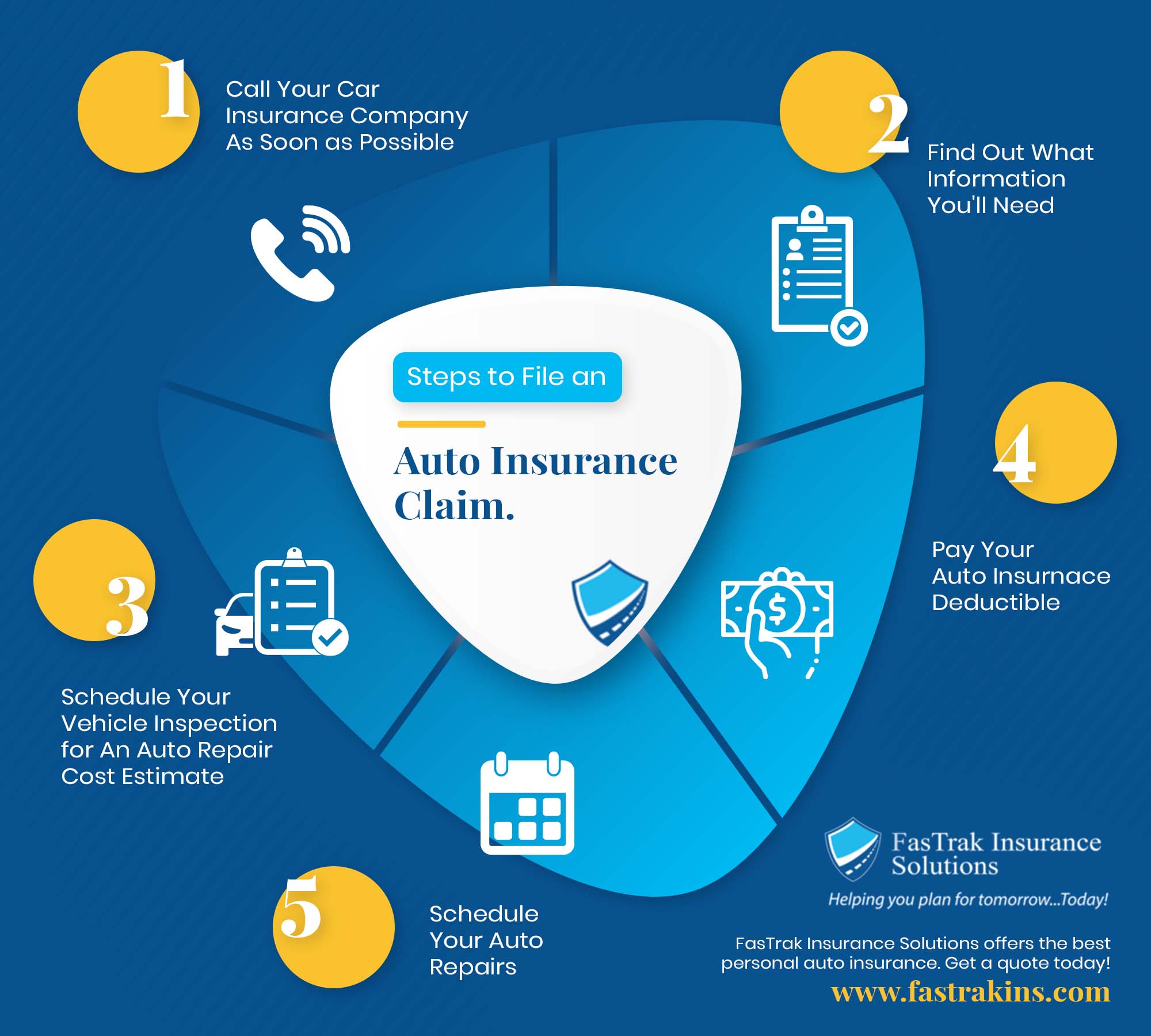
Aim to get at least 3-5 quotes from different insurers. Ensure that when comparing, you are looking at identical coverage levels, deductibles, and endorsements (riders). An “apples-to-apples” comparison is crucial; a lower premium might hide significantly reduced coverage or higher deductibles.
Understanding Quotes
Don’t just look at the bottom line premium. Dive into the details:
-
Coverage Limits: Verify the bodily injury and property damage liability limits, as well as the limits for collision, comprehensive, and any other coverages you’ve selected.
-
Deductibles: Confirm the deductible amounts for collision and comprehensive.
-
Riders/Endorsements: Check if specific add-ons like roadside assistance, rental car reimbursement, or new car replacement are included and their associated costs.
-
Discounts: Ensure all applicable discounts (e.g., multi-policy, safe driver, good student) have been applied. If you believe you qualify for a discount not shown, inquire about it.
Completing the Application Form
Once you’ve chosen an insurer, you’ll complete a formal application. This can typically be done online, over the phone, or in person with an agent.
-
Accuracy is Key: Double-check all information before submitting. Inaccuracies, even unintentional ones, can lead to your policy being voided, claims denied, or future rate adjustments.
-
Reviewing the Policy Documents: Before finalizing, thoroughly read the policy declaration page and the entire policy document. Understand what is covered, what is excluded, and your responsibilities as the policyholder.
Making Your First Payment
Your coverage typically won’t begin until your first premium payment is successfully processed. Most insurers offer various payment options, including credit card, debit card, or electronic funds transfer. Ensure your payment method is secure and convenient.
Maximizing Value and Managing Costs
Car insurance is a significant ongoing expense. Smart financial strategies can help you get the most out of your policy while keeping costs manageable.
Leveraging Discounts
Insurers offer a wide array of discounts. Always ask what discounts you qualify for. Common examples include:
-
Multi-Policy Discount: Bundling car insurance with homeowner’s or renter’s insurance.
-
Good Driver Discount: For drivers with a clean record over a specified period.
-
Good Student Discount: For students maintaining a certain GPA.
-
Low Mileage Discount: For those who drive below a certain annual mileage threshold.
-
Anti-Theft Device Discount: For vehicles equipped with approved anti-theft systems.
-
Safety Feature Discount: For cars with features like airbags, ABS, or advanced driver-assistance systems.
-
Defensive Driving Course Discount: Completing an approved safety course.
-
Telematics Programs: Usage-based insurance programs that monitor your driving habits (e.g., speed, braking) through a device or app, often rewarding safe drivers with lower premiums.
Choosing the Right Deductible
This is a critical financial decision. A higher deductible (e.g., $1,000 instead of $500) will lower your premium. However, it means you’ll pay more out-of-pocket if you file a claim. Assess your emergency fund; if you have readily available cash to cover a higher deductible, opting for it can lead to substantial long-term savings on premiums. If your savings are limited, a lower deductible provides more immediate financial relief after an incident, albeit at a higher premium cost.
Reviewing Your Policy Annually
Your life circumstances and the insurance market are not static.
-
Life Changes: Marriage, moving to a new area, adding a new driver, buying a new car, or changing your commute can all affect your insurance needs and rates.
-
Market Changes: Insurance rates fluctuate due to changes in accident rates, repair costs, and regulatory environments. Annually, as your policy renewal approaches, it’s wise to shop around again, even if you’re happy with your current insurer. You might find better rates elsewhere, or your current insurer might offer a better deal to retain your business.
The Impact of Your Credit Score on Premiums
In most states, your credit-based insurance score is a major factor in determining your premium. Insurers use this score as a predictor of risk; statistically, individuals with higher credit scores tend to file fewer claims. Maintaining a healthy credit score by paying bills on time, keeping credit utilization low, and responsibly managing debt can directly translate into lower car insurance premiums.
Common Pitfalls and Smart Strategies
Being an informed consumer can save you from costly mistakes and ensure continuous protection.
Avoiding Gaps in Coverage
Never let your car insurance policy lapse, even for a single day. A lapse can lead to higher future premiums, fines, vehicle impoundment, or even license suspension in some states. If you’re switching insurers, ensure your new policy starts the day your old one ends.
Understanding Policy Exclusions
Every policy has exclusions – situations or types of damage that are not covered. For example, damage from racing or intentional acts is almost always excluded. Read your policy document carefully to understand these limitations to avoid surprises later.

What to Do After an Accident
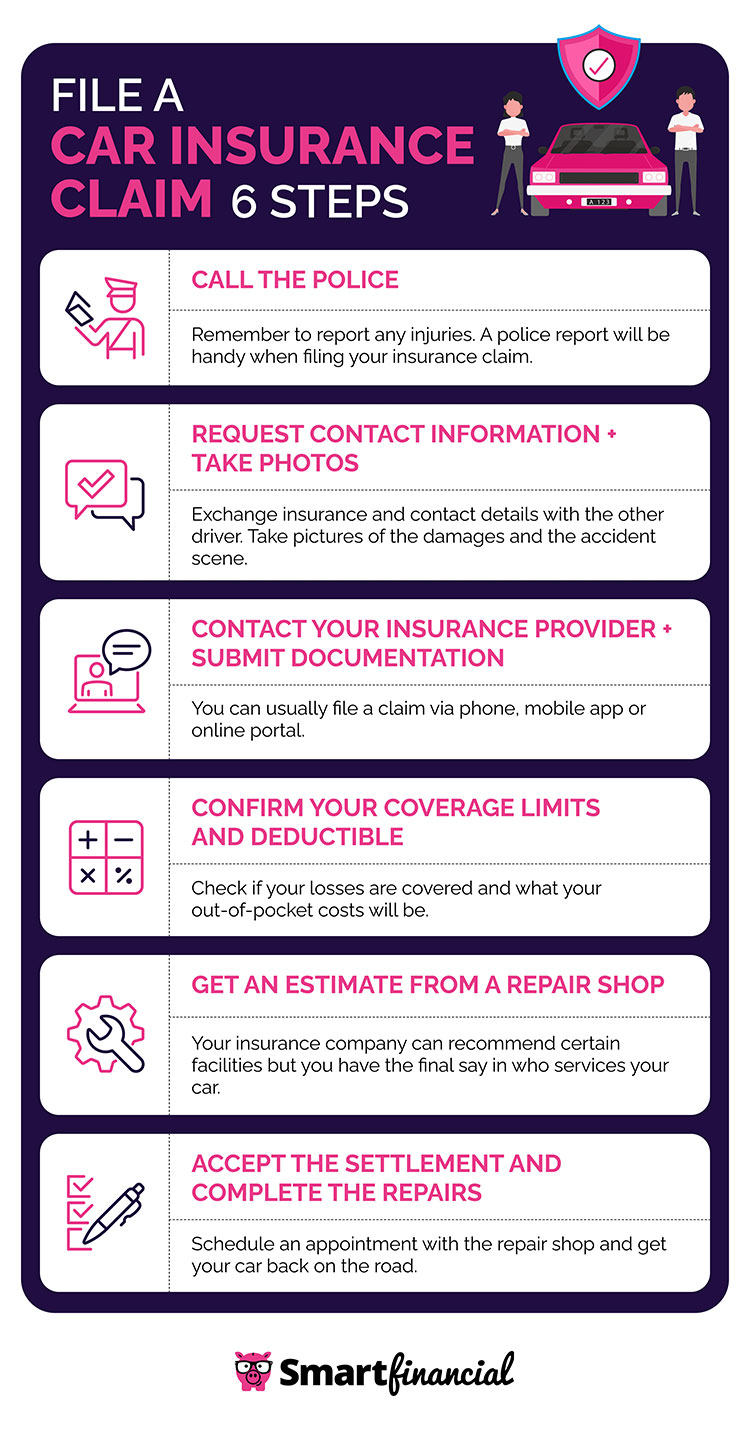
Knowing the proper steps to take after an accident is crucial, both for your safety and for a smooth claims process:
-
Ensure Safety: Move to a safe location if possible.
-
Exchange Information: Get names, contact details, insurance information, and vehicle details from other drivers involved.
-
Document the Scene: Take photos of vehicle damage, the accident scene, and any relevant road signs or conditions.
-
Report to Authorities: Call the police, especially if there are injuries, significant damage, or if required by state law.
-
Notify Your Insurer: Report the accident to your insurance company promptly. Provide all gathered information.
-
Understand Impact on Future Premiums: Be aware that filing an at-fault claim will likely increase your premiums at renewal time. Consider whether the cost of repairs is close to your deductible and weigh it against potential rate hikes.
Applying for car insurance is a financial transaction with long-term implications. By thoroughly understanding your needs, diligently preparing, comparing options, and proactively managing your policy, you can secure robust protection for your vehicle and finances, all while optimizing your insurance expenditure.
aViewFromTheCave is a participant in the Amazon Services LLC Associates Program, an affiliate advertising program designed to provide a means for sites to earn advertising fees by advertising and linking to Amazon.com. Amazon, the Amazon logo, AmazonSupply, and the AmazonSupply logo are trademarks of Amazon.com, Inc. or its affiliates. As an Amazon Associate we earn affiliate commissions from qualifying purchases.