
Understanding Home Depot Credit Card Options for Financial Planning
Applying for a credit card, especially one linked to a specific retailer like Home Depot, requires careful consideration of its financial implications and benefits. Home Depot offers distinct credit card options, each designed to cater to different financial needs – whether for personal household projects or ongoing business expenditures. It’s crucial for applicants to select the card that aligns with their financial goals and spending habits to avoid unnecessary costs and maximize the inherent advantages of the financial product.
The Home Depot Consumer Credit Card
Primarily designed for individual homeowners, DIY enthusiasts, and those undertaking significant household projects, the Home Depot Consumer Credit Card provides a revolving line of credit. Its principal appeal often lies in special financing promotions, frequently featuring 0% Annual Percentage Rate (APR) for a specified period on qualifying purchases above a certain threshold. From a financial perspective, this can be an incredibly advantageous tool if managed correctly. For instance, a homeowner planning a substantial kitchen renovation or a major appliance upgrade, costing several thousand dollars, could utilize a 12-month, 0% APR offer to spread payments without incurring immediate interest. This effectively functions as a short-term, interest-free loan, freeing up cash flow for other immediate needs.
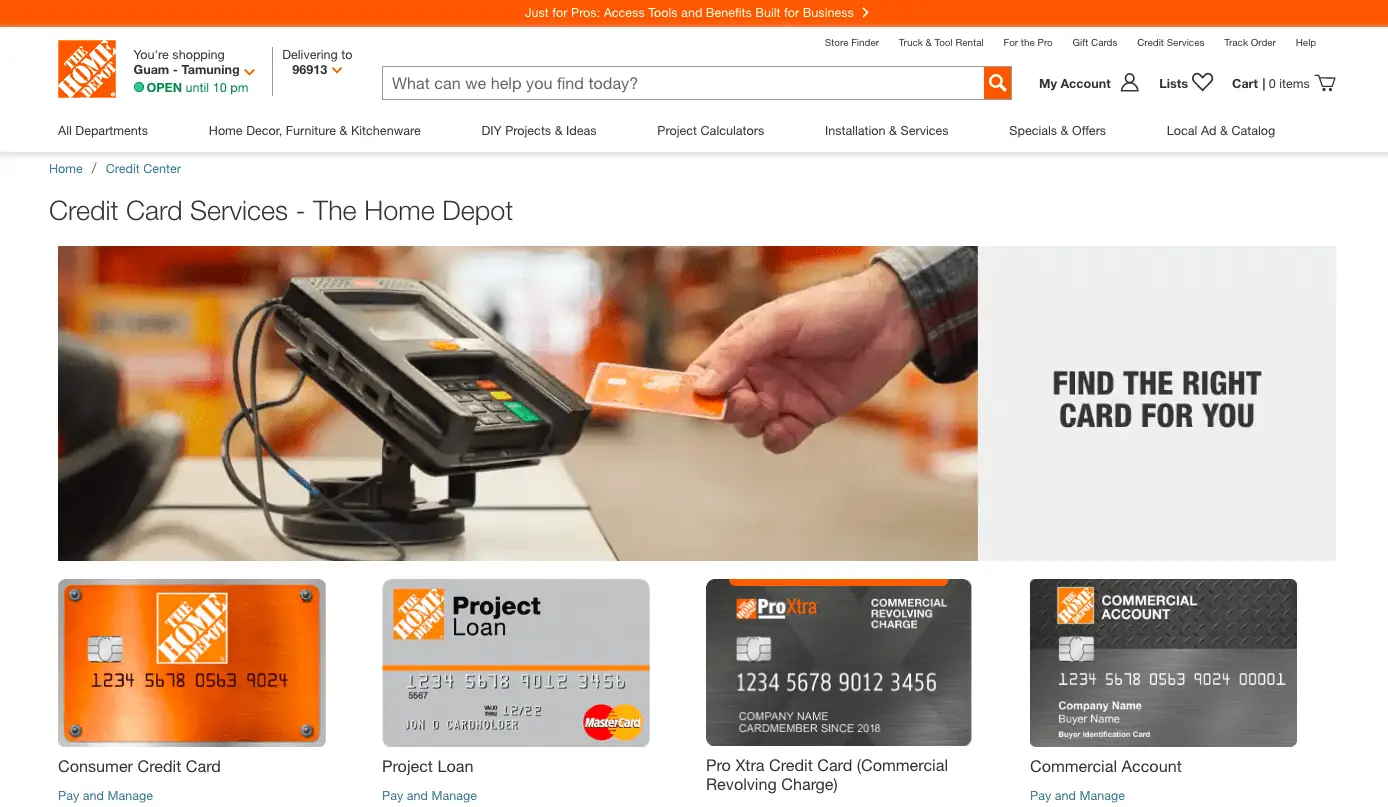
However, leveraging this benefit demands meticulous budgeting and unwavering discipline to pay off the full balance before the promotional period expires. Failing to do so typically results in deferred interest being charged from the original purchase date, transforming a seemingly free financing option into a potentially costly mistake. The standard APR that applies after the promotional period can be quite high, making carrying a balance expensive. Additionally, the card may offer occasional exclusive discounts or early access to sales, which can translate into tangible savings on materials, tools, and appliances, thereby contributing positively to project budgets. Understanding the precise terms and conditions, particularly the standard APR post-promotion and any deferred interest clauses, is paramount for responsible financial planning and ensuring the card serves as a beneficial financial tool rather than a source of unexpected debt.
The Home Depot Commercial Revolving Charge Card
Geared towards contractors, small business owners, and trade professionals, the Commercial Revolving Charge Card serves a distinct financial purpose, focusing on operational efficiency and robust tracking of business expenditures. Unlike the consumer card, its benefits are tailored to facilitate business operations. Key features often include the ability to issue cards to authorized employees, providing greater control over purchasing and simplifying expense reconciliation. From a business finance standpoint, this centralization of purchasing streamlines accounting processes, helps in managing cash flow, and offers greater transparency into project-specific spending.
The card typically provides detailed transaction reporting, which is invaluable for tax preparation, precise project costing, and managing multiple job sites. While some promotional financing offers might be available, the emphasis for commercial cards is more on operational flexibility, potential bulk purchase discounts, and potentially more flexible payment terms than a standard consumer credit card. These features can be critical for businesses managing inventory cycles, material procurement, and project timelines. Understanding the interest rates, annual fees (if any), and credit limits associated with this card is essential for accurate business budgeting, as these factors directly impact profitability. Businesses should carefully evaluate if the administrative benefits, enhanced tracking, and potential savings outweigh the cost of credit, integrating the card’s use into their broader financial strategy to optimize material acquisition and project execution.
The Home Depot Commercial Account Card
Distinguished from the Revolving Charge Card, the Commercial Account Card (often integrated with specific credit options under the Pro Xtra program) is typically structured for larger businesses requiring more robust financial management tools. This option often functions more like a traditional net-terms account or a corporate purchasing card, offering extended payment windows (e.g., 60 days to pay rather than 30), purchase order capabilities, and highly detailed, customizable expense breakdowns. For businesses managing multiple large-scale projects, substantial inventory, or complex supply chains, this card facilitates smoother cash flow management by deferring large payments, allowing capital to be deployed elsewhere temporarily for greater liquidity.
The financial advantage here lies in enhanced liquidity management and streamlined procurement processes that support larger-scale operations with specific payment and reporting needs that go beyond the typical small business. This type of account often integrates deeply with existing accounting systems, simplifying reconciliation and financial oversight. Evaluating this option involves a deeper dive into credit limits, specific payment cycles, reporting capabilities, and how it aligns with the business’s overall financial and operational strategy to ensure it provides a net financial benefit rather than simply adding another layer of debt management. It’s a strategic financial instrument designed to support the sophisticated cash flow requirements of growing or established businesses.
Essential Eligibility Requirements and Financial Due Diligence
Before initiating an application for any Home Depot credit card, understanding the underlying financial criteria and preparing adequately is crucial. Lenders, including the issuing bank for Home Depot cards (often Citi Retail Services), employ a rigorous assessment process to evaluate an applicant’s creditworthiness and ability to manage new debt responsibly. This pre-application financial due diligence can significantly increase approval chances and set a foundation for sound credit management, preventing potential denials and unnecessary impacts on your credit score.
Credit Score and Its Impact on Approval
Your credit score is arguably the most significant factor in any credit card application. It is a numerical representation of your credit risk, reflecting your payment history, credit utilization ratio, length of credit history, types of credit accounts, and recent credit inquiries. For the Home Depot Consumer Card, a good to excellent credit score (typically FICO scores above 670, with 740+ being considered very good to excellent) significantly improves approval odds, especially for the most favorable terms, including attractive 0% APR offers. Lower scores might still lead to approval, but often with less favorable terms, such as higher interest rates or lower credit limits.
For commercial cards, while the business owner’s personal credit still plays a significant role, especially for small businesses and those requiring a personal guarantee, the business’s financial health, operational longevity, and annual revenue also come into play. It is highly advisable to obtain your free annual credit report from each of the three major credit bureaus (Equifax, Experian, and TransUnion) to check for inaccuracies and understand your current credit standing. Addressing any errors or discrepancies before applying can prevent unwarranted rejections and ensure your application is reviewed based on accurate information.
Income and Debt-to-Income (DTI) Ratio
Lenders assess your income to ensure you have sufficient financial capacity to make timely payments on new debt. They will also meticulously review your debt-to-income (DTI) ratio, which is the percentage of your gross monthly income that goes toward paying your total monthly debt obligations. A lower DTI ratio (generally below 36%) is highly preferred, as it indicates that you have ample discretionary income available to comfortably take on new credit without being overextended. For example, if your monthly gross income is $5,000 and your total monthly debt payments (including mortgage, car loan, student loans, and minimum credit card payments) amount to $1,500, your DTI is 30% ($1,500 / $5,000).
A higher DTI could signal potential financial strain and a reduced ability to manage additional debt, potentially leading to application denial or the offer of a significantly lower credit limit. Applicants should accurately report all verifiable income sources, including salaries, wages, self-employment income, and any other regular income, and be fully aware of their existing debt obligations before applying. Misrepresenting income or underestimating existing debts can lead to complications.
Personal and Business Information Requirements
Regardless of whether you are applying for a consumer or commercial card, applicants will need to provide standard identifying information. For consumer cards, this typically includes your full legal name, Social Security Number (SSN) for identification and credit verification purposes, date of birth, current residential address, phone number, and email address. You will also need to state your employment status and annual income.
For commercial cards, in addition to the personal guarantor’s information (often the business owner’s SSN, as many small business cards require a personal guarantee), you will need comprehensive business details. This includes the legal business name, Employer Identification Number (EIN), business address, phone number, email, industry type, and annual business revenue. Having all these details readily accessible and accurate is critical for a smooth and efficient application process, as it helps verify the legitimacy and financial stability of both the individual and the business. Any discrepancies or missing information can cause delays or even rejection.
Navigating the Application Process Efficiently
Applying for a Home Depot credit card is generally a straightforward process, but preparing thoroughly and understanding each step can significantly streamline the experience and ensure all necessary financial and personal data is correctly submitted. An efficient application process enhances the likelihood of quick approval and minimizes potential hurdles.
Choosing Your Application Method
Applicants typically have two primary avenues for submission: online or in-store. The online application, accessible directly via the Home Depot website, is often the quickest and most convenient method, allowing you to complete the process from any device at your leisure. This usually involves navigating to the credit services section of their website, selecting the desired card, and accurately filling out a secure online form. In-store applications can be processed at the customer service desk. While less immediate, applying in-store offers the advantage of having a Home Depot associate available to assist with any questions or clarify sections of the application, which can be beneficial for those less comfortable with online forms or who prefer a personal interaction. Both application methods require the same core information and result in a credit inquiry.
Providing Accurate Financial and Personal Data
When filling out the application, whether online or in-store, precision and honesty are paramount. The information you provide will be cross-referenced with your credit report and other public records. Key information required includes:
-
Personal Identification: Your full legal name as it appears on government identification, date of birth, and Social Security Number (SSN). The SSN is crucial for the credit check and identity verification.
-
Contact Information: Your current residential address, phone number, and email address. Ensure these are up-to-date and accurate for communication regarding your application.
-
Financial Information: Your current employment status and annual gross income from all verifiable sources. For commercial cards, this extends to detailed business information such as the Employer Identification Number (EIN), annual business revenue, and the legal structure of your business. You will also typically need to provide your monthly housing payments (rent or mortgage).
-
Authorization: You will be required to explicitly consent to a credit check. This authorization will result in a “hard inquiry” on your credit report, which typically causes a temporary, minor dip in your credit score. This inquiry is a necessary step for lenders to evaluate your creditworthiness.
Submission and Decision Notification
Once all fields are accurately and completely filled out, the application is submitted. Many online applications, particularly for well-qualified candidates with strong credit profiles, offer instant decisions. If approved, you might receive immediate access to a temporary credit line for online purchases or be able to use the card in-store immediately with proper identification. This expedited access can be highly beneficial for urgent purchases.
If the application requires further review due to complex financial information, discrepancies, or borderline credit scores, a decision might take a few business days. In such cases, the lender may reach out for additional information. In the unfortunate event of a denial, the issuing bank is legally required to send an adverse action notice. This notice details the specific reasons for the denial, which is a valuable financial tool. It can help you understand areas for improvement in your credit profile, such as high credit utilization or too many recent credit inquiries, or even identify potential errors on your credit report that need correction before considering reapplication. This transparency allows for informed financial planning and credit repair efforts.
Strategic Financial Management Post-Approval
Gaining approval for a Home Depot credit card is just the first step in a responsible financial journey. Effective and strategic management of the card is crucial not only to leverage its advertised benefits but also to avoid incurring unnecessary debt or negatively impacting your long-term credit score and overall financial health.
Maximizing Special Financing Offers Responsibly
The primary financial draw of the Home Depot Consumer Credit Card is often its special financing promotions, such as 0% APR for a specific duration. To truly benefit from these offers, it is essential to treat them as interest-free loans that demand disciplined repayment. Develop a detailed payment plan that ensures the entire promotional balance is paid off before the 0% APR period expires. Integrate these planned payments into your monthly budget, treating them as non-negotiable fixed expenses. If you cannot realistically commit to paying off the full amount within the promotional window, be aware that many deferred interest promotions mean that if the balance is not paid in full, all the interest from the original purchase date will be retroactively applied to your account, resulting in a significantly larger and unexpected bill. For business cards, utilizing longer payment terms means careful cash flow forecasting to ensure sufficient funds are available when the payment is due, thereby preventing costly late fees or interest charges that can erode profit margins.
Understanding Your Credit Card Statement and Terms
Upon receiving your new card, meticulously review the accompanying cardholder agreement and each subsequent monthly statement. Understanding these documents is fundamental to managing your finances effectively. Key elements to scrutinize include:
-
Annual Percentage Rate (APR): Understand the standard purchase APR that will apply after any promotional periods conclude. This is the true cost of carrying a balance on the card.
-
Minimum Payment Due: Always ensure you pay at least this amount by the due date to avoid late fees and negative entries on your credit report, which can severely damage your credit score.
-
Payment Due Date: Missing this date will not only result in late fees but could also trigger penalty APRs and adversely affect your payment history, a critical component of your credit score.
-
Total Balance Due: Aim to pay this in full each month, especially if you are not currently under a 0% APR promotion, to avoid interest charges entirely and keep your credit utilization low.
-
Credit Limit and Available Credit: Keep close track of your credit limit and available credit. High credit utilization (the percentage of your credit limit you’re using) can negatively impact your credit score.
Setting Up Online Account Management and Alerts
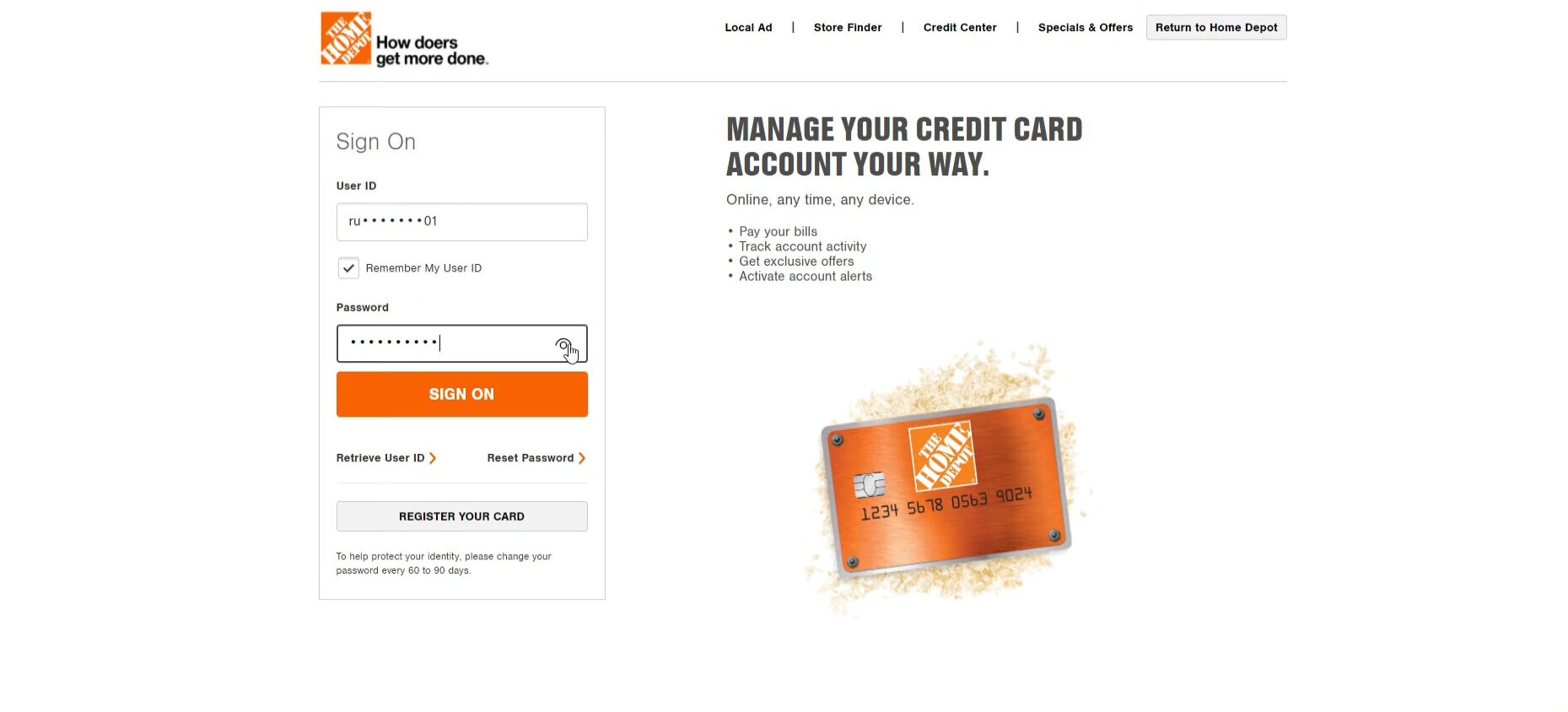
Most modern credit card issuers provide robust online portals and mobile applications for account management. Enroll immediately to take full advantage of these tools:
-
Monitor Transactions: Regularly review all transactions for unauthorized purchases, errors, or fraudulent activity. Early detection can prevent significant financial loss.
-
Set Up Automatic Payments: This feature is highly recommended as it ensures you never miss a payment, at least for the minimum amount. Ideally, set it up to pay the full statement balance if your budget allows, to avoid all interest charges.
-
Receive Alerts: Opt for email or text alerts for payment due date reminders, large purchases, when your balance approaches your credit limit, or any unusual account activity. These notifications are invaluable for maintaining tight financial control and preventing unforeseen issues.
Long-Term Impact on Your Financial Health
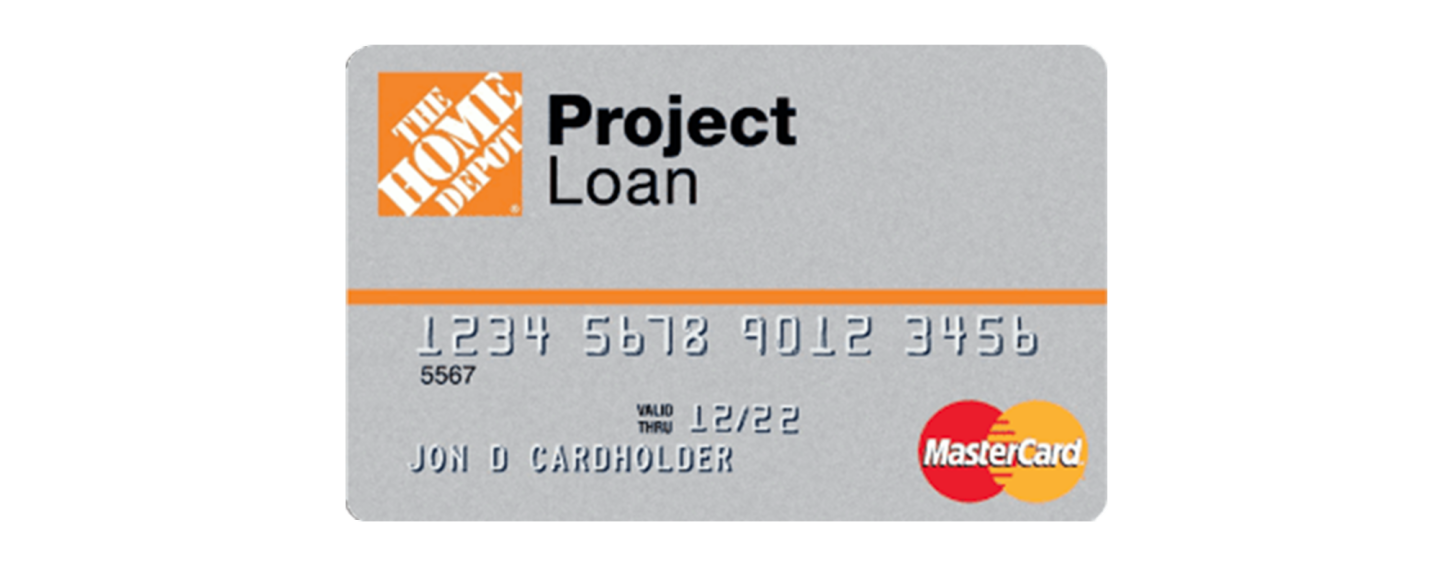
Responsible use of your Home Depot credit card can significantly contribute to building a positive credit history, which in turn leads to a higher credit score over time. A strong credit score translates into numerous financial advantages: better terms on future loans (such as mortgages or car loans), potentially lower insurance premiums, and easier approval for other financial products. Conversely, irresponsible use of your card – such as missing payments consistently, perpetually carrying high balances near your credit limit, or exceeding your credit limit – will severely damage your credit score. This damage will make future borrowing more expensive, if not impossible, and can have a ripple effect on various aspects of your financial life. View the Home Depot credit card not merely as a means to purchase items for projects but as a critical component of your overall financial portfolio and a powerful tool for building or maintaining excellent credit.
aViewFromTheCave is a participant in the Amazon Services LLC Associates Program, an affiliate advertising program designed to provide a means for sites to earn advertising fees by advertising and linking to Amazon.com. Amazon, the Amazon logo, AmazonSupply, and the AmazonSupply logo are trademarks of Amazon.com, Inc. or its affiliates. As an Amazon Associate we earn affiliate commissions from qualifying purchases.