
Understanding the precise financial outlay for an Amazon Prime membership is a cornerstone of prudent personal finance in the digital age. Far from being a simple monthly fee, the cost of Prime encompasses various payment structures, discount opportunities, and, crucially, a suite of benefits that can either offer substantial savings or represent an unnecessary expense, depending on an individual’s spending habits and priorities. For many, Amazon Prime has become an indispensable part of their online shopping and entertainment ecosystem, but calculating its true value requires a clear-eyed assessment of its monetary cost versus its financial returns. This article delves into the various pricing tiers, explores the hidden financial benefits and potential pitfalls, and provides a framework for determining whether Prime represents a sound financial investment for you.
Unpacking the Current Prime Membership Costs
At its core, Amazon Prime offers a tiered pricing model designed to cater to different financial preferences and eligibility criteria. Navigating these options is the first step in understanding the direct cost to your wallet.
Annual vs. Monthly Payment Options
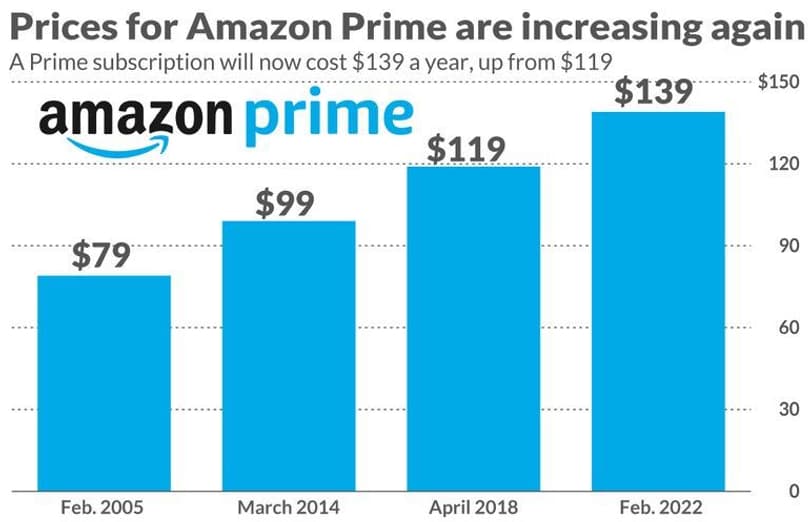
Amazon primarily presents two standard payment avenues for its full Prime membership: an annual lump sum or a recurring monthly fee. The annual membership typically offers a significant discount compared to paying month-to-month over the course of a year. For example, if the monthly fee is $14.99, an annual subscription might be around $139.00. This translates to a direct saving of approximately $40.88 per year for committing to the annual plan (calculation: $14.99 * 12 = $179.88; $179.88 – $139.00 = $40.88). From a personal finance perspective, choosing the annual option is almost always the more economically sound decision for consistent users, provided you have the upfront capital and are confident you will utilize the service for the full year. The monthly option, while more flexible for short-term needs or for those managing tighter month-to-month budgets, carries a higher cumulative cost.
Beyond the full Prime experience, Amazon also offers a standalone Prime Video membership, which is priced lower, usually around $8.99 per month. This option specifically targets consumers interested only in the streaming service, foregoing the shipping benefits, exclusive deals, and other Prime perks. This granular pricing allows individuals to tailor their subscription expenses more closely to their actual usage, preventing overspending on unused services.
Student and Government Assistance Discounts
Amazon recognizes that certain demographics may face tighter budget constraints and offers reduced-price Prime memberships to alleviate financial burdens. These discounted rates are a crucial aspect of personal finance management for eligible individuals, providing access to benefits at a fraction of the standard cost.
For students, Amazon Prime Student provides a significantly discounted annual rate, often around $69 per year, after an initial six-month free trial. Eligibility typically requires proof of enrollment in an accredited college or university. This discount alone represents an annual saving of over 50% compared to the standard annual fee. For students managing limited funds, this can be a game-changer, offering not just entertainment but also practical benefits like free two-day shipping for textbooks, school supplies, and personal necessities, potentially saving considerable amounts on shipping fees throughout the academic year.
Similarly, Amazon extends an olive branch to individuals receiving qualifying government assistance, such as SNAP EBT or Medicaid. These eligible members can typically sign up for Prime at a reduced monthly rate, often around $6.99. This substantial reduction, roughly 50% off the standard monthly fee, makes Prime more accessible to those on limited incomes, ensuring they can still leverage the convenience and potential savings offered by the service without unduly straining their budget. This initiative highlights how targeted discounts can make services more equitable and financially feasible across different economic strata.
Free Trials and Promotional Offers
Before committing financially, Amazon frequently offers free trials for Prime membership, typically lasting 30 days. For students, this trial period is extended to six months. These trials are invaluable financial tools, allowing prospective members to experience the full suite of benefits without any upfront cost. It’s an opportunity to conduct a personal cost-benefit analysis in real-time: How often do you genuinely use the free shipping? Do you engage with Prime Video, Music, or other digital perks? Are the exclusive deals truly beneficial to your spending habits?
Beyond the standard trials, Amazon regularly runs various promotional offers, especially during peak shopping seasons like Prime Day or the holiday period. These promotions might include temporary price reductions, bundled offers with other Amazon services, or gift card incentives upon signing up. Savvy consumers can leverage these limited-time opportunities to lock in a Prime membership at an even lower effective cost, further optimizing their personal finance strategy. Staying informed about these promotions through Amazon’s official channels or deal aggregators can lead to tangible savings on the membership fee itself.
Beyond the Price Tag: Valuing Prime’s Financial Benefits
While the direct cost of an Amazon Prime membership is easy to quantify, its true financial value lies in the benefits it confers. For many, Prime isn’t just an expense; it’s an investment designed to save money and provide value through convenience and access. Evaluating these indirect savings is crucial for a comprehensive financial assessment.
The True Savings from Free, Fast Shipping
Perhaps the most universally acclaimed benefit of Prime is the unlimited free, fast shipping on eligible items, primarily focusing on two-day, one-day, and even same-day delivery in select areas. From a financial perspective, this eliminates shipping costs that can quickly accumulate when shopping online. For non-Prime members, small orders often incur shipping fees of $5-$10, which can deter purchases or force consumers to bundle items they don’t immediately need to reach free shipping thresholds.
With Prime, these individual shipping charges are nullified. Consider a scenario where a non-Prime member makes ten separate online purchases over a year, each incurring an average $7 shipping fee. That’s an additional $70 spent solely on delivery. If the annual Prime membership costs $139, and this individual makes more than 20 separate orders that would typically incur shipping fees over the year, the free shipping alone could justify the entire membership cost. Furthermore, the speed of delivery reduces the need for costly expedited shipping options, which can often run upwards of $15-$20 per order. For individuals or families who frequently rely on Amazon for daily necessities, urgent purchases, or simply prefer the convenience of home delivery for most shopping, the cumulative savings on shipping can be substantial, making the membership a financially sound decision.
Digital Entertainment as a Cost-Saving Alternative
Amazon Prime is not just a shipping service; it’s also a robust digital entertainment bundle. Prime Video, Prime Music, Prime Gaming, and Prime Reading are included, offering a vast library of movies, TV shows, songs, games, and e-books. From a personal finance standpoint, these services can serve as cost-saving alternatives to separate subscriptions.
Consider the cost of standalone streaming services. A popular video streaming service might cost $10-$15 per month. A music streaming service could be another $10-$15 per month. If a household pays for both, that’s potentially $20-$30 or more per month, totaling $240-$360 annually. While Prime Video and Prime Music might not perfectly replicate the content libraries of every competitor, they offer a substantial amount of content that can fulfill many entertainment needs. For someone who would otherwise subscribe to one or more of these standalone services, the inclusion of Prime Video and Music within the Prime membership can represent a direct saving that significantly offsets, or even entirely justifies, the membership fee. Even for those who only occasionally use these services, it’s a form of “free” value that reduces the need to purchase individual entertainment media or subscriptions.
Exclusive Deals and Early Access Opportunities

Prime membership also unlocks a range of exclusive deals and early access opportunities, particularly during major shopping events like Prime Day. These can translate into tangible financial savings for astute shoppers. Prime members often get early access to Lightning Deals, which are limited-time, limited-quantity promotions that can offer significant discounts on a wide array of products. This early access allows members to snatch up popular items before they sell out to the general public.
Beyond specific shopping events, Prime members frequently receive exclusive discounts on various products throughout the year, from groceries at Whole Foods Market to everyday essentials on Amazon. For example, Prime members often receive an extra 10% off sale items at Whole Foods. For families with significant grocery budgets, these consistent discounts can add up to substantial annual savings. The key here is not to be tempted into unnecessary purchases simply because a deal exists, but rather to leverage these exclusive offers on items you genuinely need, thereby optimizing your household budget and maximizing the financial return on your Prime investment.
Is Amazon Prime a Worthwhile Financial Investment?
The decision of whether Amazon Prime is a “worthwhile financial investment” ultimately boils down to individual usage patterns and a careful calculation of the monetary value derived versus the cost incurred. It’s about more than just the sticker price; it’s about your personal return on investment (ROI).
Calculating Your Personal ROI (Return on Investment)
To truly assess Prime’s financial worth, you need to calculate your personal ROI. This involves a two-step process:
-
Quantify Your Savings: Track how much you save directly from Prime benefits over a year.
-
Shipping Costs Saved: Estimate the number of orders you place that would incur shipping fees without Prime, and multiply by the average shipping cost.
-
Entertainment Subscriptions Replaced: If Prime Video or Music allows you to cancel or avoid subscribing to a separate streaming service, add that annual cost to your savings.
-
Exclusive Deal Savings: Keep a running tally of discounts you receive on essential purchases through Prime-exclusive deals or Whole Foods benefits. Be realistic – only count savings on items you would have bought anyway.
-
Other Benefits: Factor in any savings from Prime Reading (e.g., if you would have purchased those e-books), Prime Gaming, or other less prominent benefits you utilize.
-
-
Compare to Membership Cost: Add up all your estimated annual savings. If this total exceeds your annual Prime membership fee (e.g., $139), then you have a positive ROI, and Prime is a financially beneficial investment for you. If your savings are less than the membership fee, then you are effectively losing money, and it might be time to reconsider.
For instance, if you save $70 on shipping, replace a $10/month video streaming service ($120/year), and save $30 on Whole Foods groceries, your total savings are $220. If your Prime membership costs $139, your net financial gain is $81, making it a clear positive ROI.
Comparing Prime’s Value Against Standalone Services
Another angle for financial assessment is to compare the bundled value of Prime against purchasing its components as standalone services.
-
Shipping: Amazon does offer free shipping for non-Prime members on orders above a certain threshold (e.g., $25 or $35). If your purchases consistently meet this threshold without effort, the shipping benefit of Prime diminishes.
-
Video Streaming: While Prime Video offers a substantial library, if your preferred content is exclusively on another platform, subscribing to that specific service might be a better financial decision for your entertainment needs.
-
Music Streaming: Similarly, if you’re deeply invested in a specific music ecosystem (e.g., Apple Music, Spotify) with features not replicated by Prime Music, a standalone subscription might offer more value despite the cost.
-
Other Perks: For some, the cloud storage for photos (Amazon Photos), Twitch Prime Gaming benefits, or early access to deals are significant. For others, these are unused perks that add no value.
A careful comparison reveals whether Prime’s bundled approach aligns with your needs or if a à la carte approach to digital services would be more cost-effective. The key is to avoid paying for services you don’t use simply because they are “included.”
When to Reconsider Your Prime Subscription
There are clear financial indicators that suggest it might be time to reconsider or even cancel your Amazon Prime membership:
-
Infrequent Amazon Shopping: If you find yourself ordering from Amazon only a few times a year, the shipping savings are unlikely to offset the membership cost.
-
Underutilization of Digital Benefits: If you rarely watch Prime Video, listen to Prime Music, or use any of the other included digital services, you’re paying for unused features.
-
Declining Financial Value: Your annual ROI calculation consistently shows that your savings are less than your membership cost.
-
Budget Constraints: If the membership fee represents a financial strain or could be better allocated to higher-priority expenses, it’s a candidate for reduction.
-
Availability of Alternatives: If local stores or other online retailers offer comparable products at better prices or with free shipping options that negate Prime’s convenience.
Regularly reviewing your financial commitments, including subscription services, is a crucial part of personal finance management. Prime is no exception, and its value should be re-evaluated periodically to ensure it continues to be a wise financial decision for your specific circumstances.
Managing Your Prime Membership for Optimal Financial Health
For those who determine Prime is a valuable financial asset, optimizing its use is key to maximizing its benefits and ensuring it contributes positively to your overall financial health. This isn’t just about initial signup but ongoing management.
Reviewing Your Usage and Benefits Annually
Just as you’d review your investment portfolio, it’s wise to conduct an annual “Prime audit.” This means revisiting your personal ROI calculation:
-
Track Your Actual Usage: Look at your Amazon order history. How many orders did you place? How many truly benefited from Prime’s shipping?
-
Assess Digital Consumption: Review your watch history on Prime Video, your listening habits on Prime Music, and engagement with other digital perks. Are you genuinely leveraging these services, or are they collecting digital dust?
-
Evaluate Spending Habits: Has your shopping behavior changed? Are you now purchasing more from other retailers, reducing your Amazon reliance?
-
Check for Price Increases: Amazon occasionally adjusts its membership fees. Be aware of these changes and factor them into your ROI calculation.
This annual review allows you to make an informed decision: should you renew the annual membership, switch to a monthly plan for flexibility, explore a discounted option if eligible, or cancel altogether? This proactive financial management ensures you’re not paying for a service that no longer aligns with your needs or provides sufficient value.
Smart Shopping Strategies to Maximize Value
If you decide to retain your Prime membership, adopting smart shopping strategies can enhance its financial utility:
-
Consolidate Purchases: Rather than making many small orders, try to consolidate your Amazon purchases where possible. While shipping is “free,” frequent, small deliveries can increase packaging waste and potentially carbon footprint. Financially, consolidating helps you appreciate the cumulative savings.
-
Price Comparison: Always compare prices. Just because an item is on Amazon and eligible for Prime shipping doesn’t mean it’s the cheapest option. Use price comparison tools to ensure you’re getting the best deal, even with Prime benefits. Your Prime membership covers shipping, not necessarily the lowest base price.
-
Leverage Exclusive Deals Judiciously: During Prime Day or other promotional events, focus on purchasing items you genuinely need or have been planning to buy. Avoid impulse purchases driven solely by the “deal” tag. A discount on something unnecessary is still a financial drain.
-
Utilize All Included Benefits: Explore and utilize the full spectrum of Prime benefits. If you’re paying for Prime, make an effort to try Prime Video, Prime Reading, Amazon Photos, and other features. You might discover a valuable service that further justifies your investment. For instance, using Amazon Photos for cloud storage could replace a separate subscription.

Understanding Cancellation and Refund Policies
Knowledge of Amazon’s cancellation and refund policies is a critical financial safeguard. If you decide to cancel your Prime membership, Amazon typically offers a pro-rata refund for the unused portion of an annual membership if you haven’t used any Prime benefits since your last charge. If you used some benefits, the refund might be adjusted based on the value of the benefits used. For monthly memberships, cancellation usually prevents future charges but does not refund the current month.
Understanding these policies allows you to make financially sound decisions without fear of losing money. For instance, if you sign up for an annual membership and realize within a few weeks that you won’t use it, a prompt cancellation can secure a full or near-full refund. This flexibility underscores the importance of being informed about the terms and conditions of all your subscription services.
In conclusion, the cost of an Amazon Prime membership extends far beyond its advertised price. It’s a complex financial equation involving direct fees, potential discounts, and a wide array of bundled services that can either save you money or become an overlooked expense. By diligently calculating your personal ROI, understanding the nuances of its benefits, and proactively managing your subscription, you can ensure that your Amazon Prime membership remains a financially astute decision in your personal finance portfolio.
aViewFromTheCave is a participant in the Amazon Services LLC Associates Program, an affiliate advertising program designed to provide a means for sites to earn advertising fees by advertising and linking to Amazon.com. Amazon, the Amazon logo, AmazonSupply, and the AmazonSupply logo are trademarks of Amazon.com, Inc. or its affiliates. As an Amazon Associate we earn affiliate commissions from qualifying purchases.