
In an increasingly digital world, managing personal finances has evolved beyond traditional banking. Peer-to-peer payment platforms like Cash App have emerged as powerful tools, simplifying transactions, bill payments, and even investments for millions. For many, Cash App is not just an application but a vital component of their daily financial ecosystem. Understanding how to effectively fund your Cash App account is the first, crucial step toward leveraging its full potential, transforming it from a mere app into a robust personal financial management tool.
This comprehensive guide delves into the various methods of adding money to your Cash App, offering insights not just into the mechanics, but also into the strategic financial implications of each approach. We’ll explore everything from basic account linking to more advanced direct deposit options, all while emphasizing smart financial practices to ensure security and efficiency in your digital money management.

Understanding Cash App: A Gateway to Digital Finance
Cash App, developed by Block, Inc., has revolutionized the way individuals send, receive, and manage money. Its intuitive interface and diverse functionalities have propelled it to the forefront of digital finance, making it a staple for everything from splitting dinner bills with friends to receiving paychecks. Before diving into the specifics of funding, it’s essential to appreciate Cash App’s broader role in the modern financial landscape.
The Rise of Peer-to-Peer Payment Platforms
The digital age has witnessed an explosion in peer-to-peer (P2P) payment solutions, driven by the demand for instant, convenient, and secure money transfers. These platforms bridge the gap between traditional banking and the fast-paced digital lifestyle, allowing users to send money to anyone with an account, regardless of their bank. Cash App stands out in this crowded market, offering not just P2P transfers but a suite of integrated financial services that appeal to a wide demographic.
Why Cash App Stands Out as a Financial Tool
Beyond its primary function of sending and receiving money, Cash App distinguishes itself by integrating features that empower users with greater financial control. Its ecosystem includes a Cash Card (a customizable debit card linked to your balance), options for direct deposit, and even capabilities for investing in stocks and Bitcoin. This multi-faceted approach transforms Cash App from a simple payment app into a versatile financial hub, particularly beneficial for individuals seeking streamlined digital money management without the complexities of traditional banks. From a personal finance perspective, it offers a simplified way to track spending, manage a dedicated budget, and even dabble in investments, all within a single application.
Essential Features Beyond Sending and Receiving
While the ability to send and receive funds is central, Cash App’s true value as a financial tool lies in its extended functionalities. The Cash Card facilitates everyday spending directly from your Cash App balance, often with exclusive “Boosts” that offer instant discounts at various merchants. Direct deposit capabilities allow users to receive their paychecks or government benefits directly into their Cash App account, sometimes days earlier than traditional banks. Furthermore, its investment features, though basic, introduce users to the world of stock and Bitcoin trading, demystifying these financial instruments for a broader audience and encouraging financial literacy.
Primary Methods for Funding Your Cash App
Adding money to your Cash App account is a straightforward process, but understanding the various methods available allows you to choose the most convenient and cost-effective option for your financial needs. Each method offers a different level of speed and accessibility, catering to diverse user preferences and situations.
Linking Your Bank Account: The Foundation
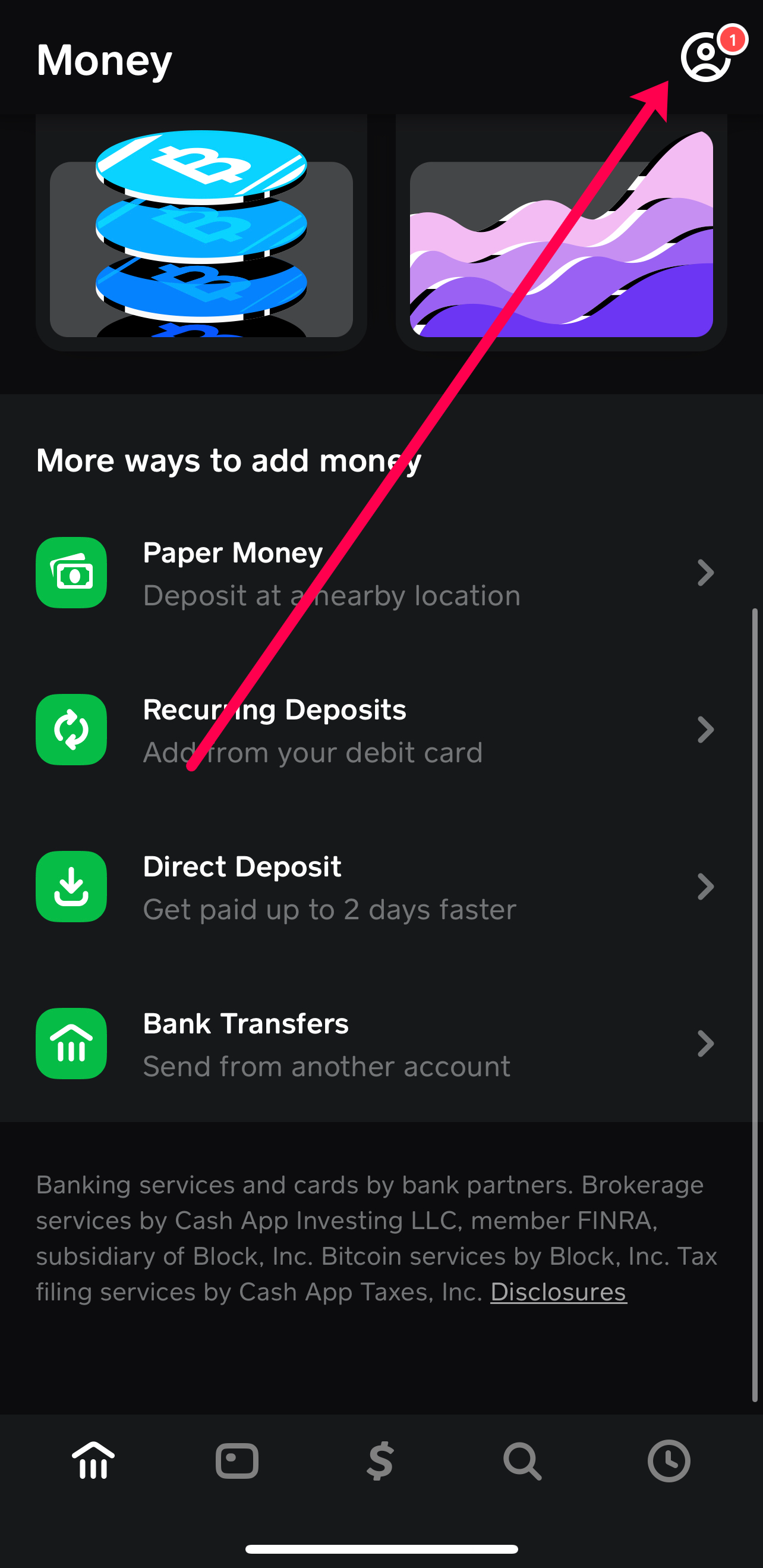
The most common and fundamental way to add money to your Cash App is by linking an external bank account. This connection serves as the primary conduit for funds to flow in and out of your Cash App balance. The process typically involves verifying your bank account through micro-deposits or instant bank login services, ensuring secure transfers. Once linked, you can initiate transfers from your bank account to your Cash App balance, usually taking 1-3 business days to clear, though instant transfers may be available for a small fee. This method is ideal for regular, larger transfers and provides a stable, reliable link for managing your funds.
Adding Cash with a Debit Card
For quicker, smaller transfers, linking a debit card to your Cash App account is an excellent option. Unlike bank transfers, which draw directly from your checking or savings account, debit card transfers often allow for instant additions to your Cash App balance. This convenience usually comes with a small fee for instant transfers, though standard transfers may be free depending on the amount and frequency. This method is particularly useful when you need to top up your balance immediately for an urgent payment or transaction. It acts as a bridge, offering immediate access to funds stored in your traditional bank account via the debit card’s instant processing capabilities.
Depositing Physical Cash at Retailers
What if you primarily deal in physical cash and need to convert it into digital funds within your Cash App? Cash App provides a convenient solution by partnering with various retail stores. Users can generate a barcode within the app and present it to a cashier at participating locations (such as Walmart, 7-Eleven, or Dollar General). The cashier scans the barcode, you hand over your cash, and the amount is instantly added to your Cash App balance. This method democratizes digital finance, providing a crucial bridge for the unbanked or those who prefer handling physical currency, ensuring they can still participate in the digital economy. It’s a testament to Cash App’s commitment to accessibility and inclusion in personal finance.
Receiving Money from Others
One of Cash App’s core functionalities is enabling peer-to-peer transfers. If someone sends you money via Cash App, it automatically lands in your Cash App balance. This is a common way to receive payments from friends, family, or even for goods and services if you’re operating a small business. The process is instantaneous once the sender initiates the transfer, making it a highly efficient way to fund your account passively. This method highlights Cash App’s role as a versatile financial tool, facilitating easy income generation and fund reception.
Leveraging Direct Deposit and Other Advanced Options
Beyond the immediate methods of funding, Cash App offers sophisticated features like direct deposit, transforming it into an alternative to traditional bank accounts for managing regular income and larger financial inflows. These advanced options underscore Cash App’s ambition to be a primary financial platform for its users.
Setting Up Direct Deposit for Paychecks
One of Cash App’s most powerful features for personal finance is its direct deposit capability. By providing your employer with your unique Cash App routing and account numbers, you can have your paycheck directly deposited into your Cash App balance. This is especially beneficial for those who prefer managing their entire financial life within one app or who might not have a traditional bank account. Cash App often boasts that direct deposits can arrive up to two days earlier than with traditional banks, offering an attractive incentive for users to centralize their income. From a financial planning perspective, this simplifies income tracking and budgeting.
Utilizing Your Cash App Routing and Account Numbers

Every Cash App user with an activated Cash Card is assigned unique routing and account numbers. These are the equivalent of traditional bank account details and are essential for setting up direct deposits, receiving tax refunds, or accepting larger transfers from non-Cash App financial institutions. Locating these numbers within the app is simple, usually found under the “Banking” or “Money” tab. Understanding and utilizing these numbers unlocks a greater degree of financial flexibility, allowing your Cash App to function more like a conventional checking account.
Receiving Government Payments and Tax Refunds
The direct deposit feature isn’t limited to paychecks. It also enables users to receive government benefits, unemployment checks, and even tax refunds directly into their Cash App account. This provides a convenient and often faster alternative to waiting for physical checks or routing funds through traditional banks. For many, this service ensures quicker access to critical funds, supporting their financial stability and reducing delays in receiving important payments.
Understanding Limits and Verification
While Cash App offers immense flexibility, it also implements limits on how much money can be added or transferred, especially for unverified accounts. To access higher limits for adding funds, sending money, or using direct deposit, users typically need to verify their identity by providing their full name, date of birth, and the last four digits of their Social Security number (SSN). This verification process is a standard financial security measure designed to comply with regulations and protect user funds, reinforcing Cash App’s commitment to secure personal finance. Understanding these limits is crucial for effective financial planning and preventing disruptions to your cash flow.
Smart Practices for Managing Your Cash App Funds
Beyond the mechanics of adding money, responsible management of your Cash App funds is paramount. Adopting smart financial practices ensures the security of your money, helps you avoid unnecessary fees, and integrates Cash App effectively into your broader financial strategy.
Prioritizing Security: Protecting Your Financial Information
The digital nature of Cash App means security should always be a top priority. Enable all available security features, such as a PIN, fingerprint lock, or Face ID, to protect unauthorized access to your account. Be wary of phishing scams, never share your login credentials, and only link bank accounts and cards that you trust and actively monitor. Regularly review your transaction history for any suspicious activity. These measures are essential for safeguarding your financial assets in the digital realm.
Monitoring Your Transactions and Balances
Regularly checking your Cash App balance and transaction history is a simple yet effective financial habit. This allows you to track your spending, confirm incoming funds, and quickly identify any discrepancies or unauthorized transactions. Many financial experts recommend reconciling your accounts regularly, and Cash App provides a clear, real-time ledger for this purpose. Proactive monitoring helps you stay on top of your personal finances and prevents financial surprises.
Understanding Fees and Charges
While Cash App prides itself on offering many free services, some transactions may incur fees. For instance, instant transfers from a linked debit card often come with a small percentage-based fee. While adding money via linked bank accounts or direct deposit is typically free, being aware of all potential charges associated with specific actions (like instant cash outs) is crucial for effective financial planning. Understanding the fee structure helps you make informed decisions and avoid unexpected costs, optimizing your use of this financial tool.
Budgeting with Your Cash App Funds
For many users, Cash App serves as a dedicated account for certain expenses or income streams. This makes it an excellent tool for budgeting. You can allocate specific funds to your Cash App for discretionary spending, specific bills, or even a particular savings goal. By doing so, you create a clear separation from your main bank account, making it easier to track and control spending in that category. Integrating Cash App into your personal budgeting strategy can simplify financial tracking and promote better spending habits.
Optimizing Your Cash App Experience for Financial Growth
Cash App’s capabilities extend beyond simple payments; it offers avenues for financial growth and enhanced money management. By exploring its advanced features, you can transform it from a transactional tool into an integral part of your wealth-building journey.
Exploring Investing Options (Stocks, Bitcoin) within Cash App
One of Cash App’s unique propositions is its embedded investment platform. Users can buy and sell fractional shares of stocks and invest in Bitcoin directly within the app. While these are basic entry points into investing, they provide a convenient way for beginners to dip their toes into the market without needing a separate brokerage account. From a financial perspective, this feature lowers the barrier to entry for investing, encouraging users to think about long-term financial growth and asset diversification, albeit on a smaller scale. Understanding the risks associated with these investments is crucial, but Cash App makes the initial steps accessible.
Using Cash Card for Everyday Spending and Savings
The Cash Card, a free, customizable debit card linked to your Cash App balance, can be a powerful tool for everyday spending and even subtle savings. By using the Cash Card for purchases, you gain access to “Boosts” – instant discounts at popular retailers, restaurants, and services. These boosts can add up over time, offering tangible savings on your regular expenditures. Furthermore, using a dedicated card for specific types of spending can aid in budgeting, making it easier to track where your money goes and helping you stick to financial goals.
Strategic Use of Boosts and Rewards
“Boosts” are a unique feature of the Cash Card, offering instant savings that users can activate before making a purchase. Strategically choosing and activating boosts that align with your spending habits can lead to significant cumulative savings. This feature encourages users to engage with their Cash App balance and card more actively, turning routine transactions into opportunities for financial benefit. Paying attention to these rewards and integrating them into your spending habits can subtly enhance your overall financial efficiency.
Integrating Cash App into Your Broader Financial Strategy
Ultimately, Cash App is most effective when it’s integrated thoughtfully into your overall financial strategy. Whether it serves as your primary banking solution, a dedicated account for a specific budget category, or your entry point into investing, understanding its role is key. By combining its payment functionalities, direct deposit, Cash Card, and investment options, Cash App can become a central pillar in your personal finance toolkit, streamlining your money management and helping you work towards your financial goals with greater ease and accessibility.
In conclusion, adding money to your Cash App is a simple process with multiple convenient methods. However, truly harnessing its power lies in understanding its broader financial implications, adopting smart money management practices, and leveraging its advanced features for both convenience and potential financial growth. With a mindful approach, Cash App can indeed be a pivotal tool in navigating and optimizing your personal financial journey.
aViewFromTheCave is a participant in the Amazon Services LLC Associates Program, an affiliate advertising program designed to provide a means for sites to earn advertising fees by advertising and linking to Amazon.com. Amazon, the Amazon logo, AmazonSupply, and the AmazonSupply logo are trademarks of Amazon.com, Inc. or its affiliates. As an Amazon Associate we earn affiliate commissions from qualifying purchases.