
In the contemporary financial landscape, the shift from physical currency to digital wallets has been nothing short of revolutionary. Cash App, developed by Block, Inc., has emerged as a cornerstone of this transition, evolving from a simple peer-to-peer (P2P) payment tool into a multifaceted financial ecosystem. For the modern consumer, understanding how to efficiently add and manage money within this platform is not just a matter of convenience—it is a fundamental aspect of digital liquidity management. Whether you are looking to pay a friend, invest in stocks, or manage your daily spending via the Cash Card, mastering the various methods of funding your account is the first step toward optimizing your personal finances.

Traditional Funding: Linking Your Primary Financial Institutions
The most common and efficient way to add money to Cash App is by bridging the gap between your traditional banking institution and your digital wallet. This integration allows for a seamless flow of capital, ensuring that your digital balance is always ready for transactions.
Linking a Debit Card or Bank Account
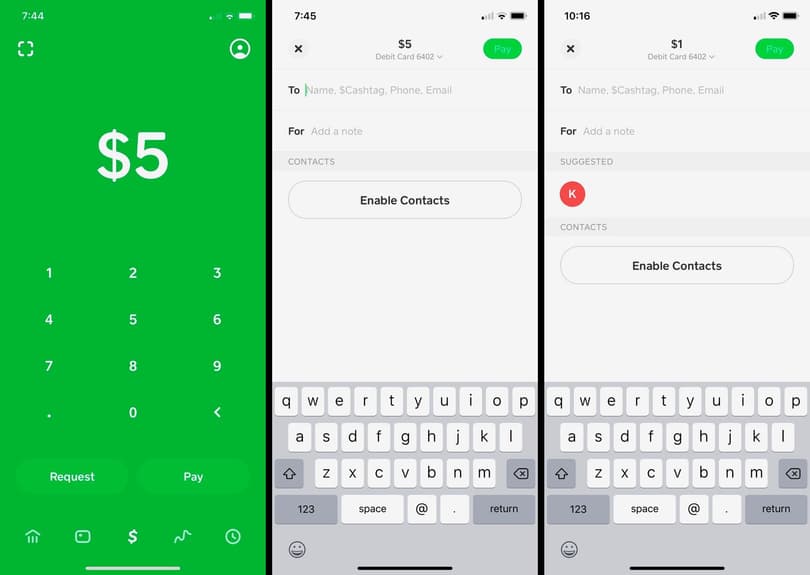
The backbone of Cash App’s utility is its ability to pull funds directly from a linked debit card. When you first set up your account, the app prompts you to link a card. This is a strategic move for personal finance management because debit card transfers are typically instantaneous and do not incur the high interest rates associated with credit cards. To link your card, you navigate to the “Banking” tab and follow the prompts. If you prefer a more direct connection to your holdings, you can also link your bank account via the ACH (Automated Clearing House) network. While this process might take a few days for verification, it provides a stable pipeline for larger transfers.
Utilizing Credit Cards for Liquidity
While not the most cost-effective method due to a standard 3% transaction fee, Cash App does allow users to link credit cards. From a financial strategy perspective, this should be viewed as a secondary option or an emergency liquidity measure. Utilizing a credit card to fund a P2P payment can help you avoid missing a payment deadline when cash flow is tight, but the associated fees can quickly erode your capital. It is essential to weigh the convenience of credit-funded transfers against the long-term cost of the 3% surcharge and your card’s APR.
Understanding Instant vs. Standard Deposits
When moving money out of Cash App and back into your bank account, the platform offers two speeds: Standard and Instant. While adding money to the app is usually instantaneous from a debit card, understanding the reverse flow is vital for cash flow management. Standard deposits are free but take 1–3 business days, whereas Instant deposits incur a fee (usually 0.5% to 1.75%). For a savvy financial manager, planning ahead to use “Standard” transfers can save significant amounts in fees over a fiscal year.
Retail and Peer-to-Peer: Alternative Methods for Increasing Your Balance
Not all financial transactions begin in a traditional bank. Cash App caters to the “underbanked” or those who prefer handling physical currency through its innovative retail and social features.
The “Paper Money” Deposit Feature
One of Cash App’s most powerful tools for those who deal in physical currency is the “Paper Money” feature. This allows users to visit major retailers—such as Walmart, Walgreens, 7-Eleven, or Dollar General—and deposit physical cash directly into their digital account. To do this, you generate a unique barcode within the app, which the cashier scans.
From a personal finance standpoint, this bridges the gap between the physical and digital economies. However, it is important to note the limitations: there is typically a $1 fee per transaction, and there are rolling limits (such as $500 per deposit or $4,000 per month). For individuals who receive tips or work in cash-heavy side hustles, this feature is an essential tool for digitizing their earnings and preparing them for online bill pay or investing.
Peer-to-Peer (P2P) Transfers
The most organic way to increase your Cash App balance is through the receipt of funds from other users. Whether you are splitting a dinner bill, receiving payment for a freelance gig, or getting a gift from a family member, P2P transfers are the lifeblood of the platform. Unlike traditional wire transfers that can take days and cost significant fees, Cash App transfers are immediate. To maximize this, ensure your “Cashtag” is unique and shared only with trusted parties. Managing these incoming streams effectively requires regular monitoring of your activity feed to ensure that all expected payments have been settled.

Direct Deposit for Payroll and Government Benefits
For those looking to use Cash App as their primary financial hub, the Direct Deposit feature is a game-changer. Cash App provides users with a routing and account number, just like a traditional bank. By providing these details to your employer or a government agency (for tax refunds or social security), you can have your paycheck deposited directly into your Cash App balance.
The financial benefit here is often “Early Payday,” where funds may be available up to two days earlier than they would be at a traditional bank. This accelerated access to capital can be a vital component of a proactive budgeting strategy, allowing for earlier bill payments and reduced reliance on short-term credit.
Strategic Financial Management and Security
Adding money to your account is only half the battle; the other half is ensuring those funds are managed strategically and protected from unauthorized access.
Setting Up Recurring Deposits
A hallmark of disciplined personal finance is automation. Cash App allows users to set up “Auto-Invest” or “Scheduled Deposits.” By automatically pulling a set amount of money from your linked bank account every week or month, you can practice “dollar-cost averaging” if you use those funds for the app’s built-in Bitcoin or stock investing features. Even if you aren’t investing, recurring deposits ensure you always have a “slush fund” available for digital payments, preventing the embarrassment of a declined transaction.
Leveraging the Cash Card for Smart Spending
Once you have successfully added money to your balance, the Cash Card (a customizable Visa debit card) becomes your primary tool for deployment. The most significant financial advantage of the Cash Card is “Boosts.” These are instant discounts at specific merchants (like coffee shops, grocery stores, or gas stations). By strategically funding your Cash App balance right before a purchase, you can apply a Boost and save a percentage of the transaction instantly. This is a form of “reverse interest”—instead of earning pennies in a savings account, you are saving dollars on essential expenses.
Protecting Your Capital: Security Protocols
Digital finance requires a higher level of vigilance than physical cash. Because Cash App transactions are often instantaneous and difficult to reverse, securing your funded balance is paramount.
- Enable Security Locks: Use biometrics (FaceID/TouchID) or a PIN for every transfer.
- Watch for Scams: Be wary of “Cash App Fridays” or “money flipping” schemes on social media. No legitimate entity will ask you to “send money to receive money.”
- Verify Recipients: Always double-check the Cashtag before hitting send. A single typo could result in your hard-earned money being sent to a stranger with no legal obligation to return it.
Optimizing Your Experience: Limits and Verification
To fully utilize Cash App as a robust financial tool, you must move beyond the basic, unverified account status.
The Importance of Identity Verification
Unverified accounts on Cash App operate under strict limitations, often restricted to sending only $250 per week and receiving $1,000 per month. For anyone serious about using the app for significant financial management, identity verification is mandatory. By providing your full name, date of birth, and the last four digits of your Social Security Number, you can unlock much higher limits. Verified users can often send up to $7,500 per week and have no limit on the amount they can receive. This transition from a “casual user” to a “verified user” is the threshold for using Cash App as a legitimate alternative to a traditional checking account.
Monitoring Liquidity and Cash Flow
Effective money management involves knowing exactly where your funds are at any given time. Cash App provides a clear, downloadable transaction history that can be integrated into budgeting software or used for tax purposes. By regularly auditing your “Activity” tab, you can track your spending patterns, identify recurring subscriptions you may have forgotten, and ensure that your deposits (from retail or direct deposit) have landed correctly.
In conclusion, adding money to Cash App is the entry point into a versatile world of modern finance. By leveraging a mix of traditional bank links, retail deposits, and direct deposits, you can create a highly liquid and flexible financial ecosystem. When combined with strategic spending via Boosts and the security of verified account status, Cash App transforms from a simple payment app into a powerful vehicle for personal wealth management. As the boundary between “cash” and “code” continues to blur, those who master these digital tools will find themselves best positioned to navigate the future of money.
aViewFromTheCave is a participant in the Amazon Services LLC Associates Program, an affiliate advertising program designed to provide a means for sites to earn advertising fees by advertising and linking to Amazon.com. Amazon, the Amazon logo, AmazonSupply, and the AmazonSupply logo are trademarks of Amazon.com, Inc. or its affiliates. As an Amazon Associate we earn affiliate commissions from qualifying purchases.