
In an increasingly digitized world, streaming services have become a cornerstone of modern entertainment, profoundly impacting household budgets and personal finance strategies. Among the pantheon of content providers, Amazon Prime Video stands out not only for its vast library of movies, TV shows, and original programming but also as a component of the broader Amazon Prime ecosystem. For many consumers, the immediate question is not just about the content itself, but fundamentally, “how much does Amazon Prime TV cost?” This query, while seemingly simple, opens a door to understanding a multi-layered pricing structure, hidden values, and financial considerations that extend far beyond a single monthly fee.

Navigating the financial landscape of Amazon Prime Video requires a detailed examination of its various subscription models, additional costs, and ultimately, its overall value proposition from a monetary perspective. This article delves into the specifics of Amazon Prime TV’s pricing, offering a comprehensive financial breakdown designed to help you make informed decisions about your entertainment spending and optimize your streaming budget.
Unpacking the Core Amazon Prime Membership Costs
At its heart, Amazon Prime Video is intricately linked with the broader Amazon Prime membership. Understanding this core relationship is fundamental to grasping its cost structure, as the video service is often bundled with a host of other benefits that influence its perceived financial value.
Standalone Amazon Prime Subscription
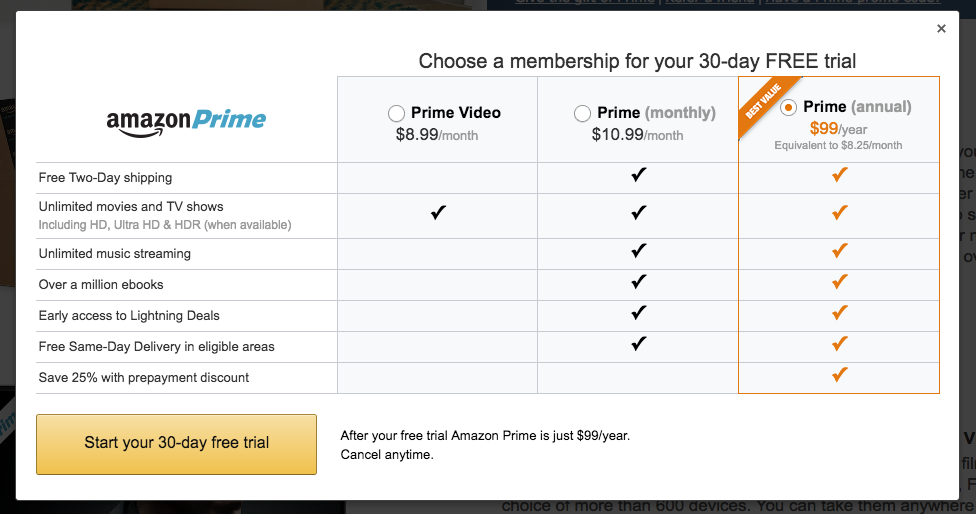
The most common way consumers access Amazon Prime Video is through a full Amazon Prime membership. This comprehensive subscription offers a myriad of perks designed to enhance the Amazon shopping experience, alongside digital entertainment. From a financial standpoint, the cost of a full Prime membership can be paid either annually or monthly, with a clear incentive for the longer commitment.
Currently, the annual Amazon Prime membership typically costs around $139 per year. When broken down, this equates to approximately $11.58 per month, representing a significant saving compared to the monthly subscription option. For those who prefer month-to-month flexibility, the cost for a full Amazon Prime membership is generally around $14.99 per month.
Crucially, this fee encompasses far more than just access to Prime Video. It includes benefits such as free two-day (and often faster) shipping on millions of eligible items, access to Amazon Music Prime (ad-free music with millions of songs), Prime Reading (a rotating selection of free e-books and magazines), exclusive deals and discounts, unlimited photo storage, and more. From a financial perspective, a cost-benefit analysis of the full Prime membership must weigh the price against the potential savings from expedited shipping, the elimination of separate music subscriptions, and other perks. For frequent Amazon shoppers, the shipping savings alone can often justify a substantial portion of the annual fee, making Prime Video effectively a ‘bonus’ at a marginal additional cost.
Amazon Prime Video-Only Subscription
Recognizing that not all customers require the full suite of Prime benefits, Amazon also offers a standalone Prime Video subscription. This option is specifically tailored for individuals whose primary interest lies in accessing Amazon’s extensive video content library without committing to the full Prime package.
The Prime Video-only subscription is typically priced at around $8.99 per month. This dedicated video service provides access to all the movies, TV shows, and Amazon Originals included with a standard Prime membership. For individuals who rarely shop on Amazon, do not utilize the music or reading benefits, and primarily seek a strong streaming content offering, this standalone option presents a more economical choice. It allows for direct budgeting of entertainment expenses, avoiding the perceived “waste” of paying for unused services within the broader Prime ecosystem. From a financial planning perspective, comparing this $8.99 monthly fee directly against other streaming services (e.g., Netflix, Hulu, Disney+) offers a clearer picture of its competitive pricing within the entertainment budget.
Student and Government Assistance Discounts
Amazon demonstrates an understanding of varying financial capabilities by offering reduced-cost Prime memberships to specific demographics. These discounts are crucial for individuals looking to maximize their entertainment value while adhering to tighter budgets.
Prime Student: This program offers eligible college students a significantly discounted Prime membership. After a six-month free trial, students can typically subscribe to Prime for approximately $7.49 per month or $69 per year. This represents a substantial saving of nearly 50% on the standard annual Prime membership. Eligibility usually requires a valid .edu email address or other proof of enrollment. For students managing limited funds, this discount makes the full suite of Prime benefits, including Prime Video, remarkably accessible and financially viable.
EBT and Medicaid Discounts: Amazon also extends a reduced-price Prime membership to qualifying customers receiving government assistance through EBT or Medicaid. These individuals can typically access a Prime membership for around $6.99 per month. This initiative aims to make the benefits of Prime, including free shipping and access to Prime Video, more equitable and affordable for low-income households. From a personal finance standpoint, these discounts are invaluable for stretching household budgets, providing both entertainment and practical shopping advantages at a significantly reduced cost. Understanding and utilizing these discounts can lead to substantial annual savings, making entertainment an accessible luxury rather than an unaffordable expense.
Beyond the Basic Subscription: Additional Costs and Content
While the core Amazon Prime or Prime Video subscription offers a vast array of content, it’s essential to recognize that not everything available on the platform is included in the base fee. Amazon’s ecosystem allows for further content acquisition, introducing additional financial considerations that can impact your overall entertainment spending.
Amazon Prime Video Channels
One of the most significant avenues for additional spending within Prime Video is through Prime Video Channels. These are optional, add-on subscriptions that allow users to subscribe to third-party streaming services directly through their Amazon Prime Video interface. Examples include premium networks like Max (formerly HBO Max), Showtime, Starz, Paramount+, and many niche services.
Each Prime Video Channel carries its own separate monthly fee, which is billed in addition to your core Prime or Prime Video subscription. These costs typically range from $2.99 to $15.99 per month, depending on the channel. For instance, adding Max might cost around $15.99/month, while a service like Starz could be $9.99/month.
From a financial perspective, Prime Video Channels offer convenience but require careful budgeting. While consolidating billing through Amazon might simplify payment management, it also encourages an “a la carte” spending model that can quickly accumulate. Users must weigh the cost of each additional channel against its unique content and their personal viewing habits. It’s crucial to regularly review these add-ons to ensure they are still providing value, as these recurring charges can significantly inflate your monthly streaming bill if left unchecked.
Rental and Purchase of Movies/TV Shows
Not all movies and TV show seasons available on Amazon Prime Video are included with your subscription. Particularly for new release films, popular current TV show seasons, or older titles not part of the Prime library, users have the option to rent or purchase them digitally.
Rentals typically allow a user to watch a title within a specific window (e.g., 30 days to start watching, and 48 hours to finish once started) for a one-time fee. Rental prices usually range from $3.99 to $5.99 for movies. Purchases offer indefinite digital ownership, allowing unlimited viewing, and usually cost between $9.99 and $19.99 for movies, and $19.99 to $34.99 for a full season of a TV show.
Financially, this model requires discernment. Renting can be cost-effective for a single viewing of a highly anticipated film, especially if it’s not available on any of your existing subscription services. Purchasing makes financial sense for content you anticipate rewatching multiple times or for shows you collect digitally. However, impulsive purchases or frequent rentals can quickly add up, creating an unplanned expenditure beyond your fixed subscription costs. It’s advisable to budget specifically for such ad-hoc content consumption or to consider if waiting for a title to become available on an existing subscription or a different, cheaper service might be a more financially prudent option.
Pay-Per-View Events and Live Sports
Amazon Prime Video is increasingly venturing into live event streaming, particularly in sports. While some live sports content might be included with a Prime membership (like certain NFL Thursday Night Football games), many high-profile events, especially boxing, MMA, or specific premium sports packages, are offered on a pay-per-view (PPV) basis.
These events come with a separate, often significant, one-time purchase fee, typically ranging from $19.99 to $79.99 or even higher for major boxing matches. For sports enthusiasts, these PPV events offer exclusive access to highly anticipated live action. However, from a financial planning perspective, they represent a significant variable cost that falls outside of regular subscription budgets. Individuals interested in these events must factor these potential expenditures into their entertainment budget, recognizing that they are premium, non-recurring charges distinct from standard Prime Video content. Ignoring these potential costs can lead to unexpected spikes in entertainment spending, making careful budgeting and pre-planning essential for dedicated fans.
Assessing the Financial Value of Amazon Prime TV
Beyond simply knowing “how much” Amazon Prime TV costs, a truly insightful financial analysis requires assessing its “value.” This involves not just comparing prices but also evaluating what you get for your money relative to alternatives and your own consumption patterns.
Cost-Benefit Analysis: Full Prime vs. Video-Only
The decision between a full Amazon Prime membership and a standalone Prime Video subscription is a crucial financial choice that hinges on your usage habits.
- Full Prime Membership (approx. $14.99/month or $139/year): This option delivers a robust suite of benefits, including Prime Video, free expedited shipping, Amazon Music Prime, Prime Reading, and more. From a purely financial standpoint, if you frequently order items from Amazon (e.g., more than 5-6 times a year, or for items where shipping costs would exceed the subscription savings), the shipping benefits alone can quickly offset a significant portion of the membership fee. Add in the value of ad-free music or free e-books, and the overall “perk-per-dollar” value for a multi-faceted user becomes highly attractive. For such users, the effective cost of Prime Video within the bundle is significantly reduced, often appearing as a bonus service.
- Prime Video-Only Subscription (approx. $8.99/month): If your primary, or sole, interest is streaming video content and you rarely utilize Amazon’s shopping, music, or reading benefits, the video-only option is the financially astute choice. Paying $8.99/month specifically for video access avoids the additional cost of an annual Prime membership (potentially saving over $50 annually compared to the monthly full Prime, or even more compared to the annual full Prime if shipping benefits aren’t utilized). This focused approach ensures your entertainment budget is allocated precisely to your needs, without paying for extraneous services.
Performing a personal cost-benefit analysis by tracking your Amazon orders, listening habits, and reading preferences over a few months can provide clear data to guide this financial decision.
Comparing Prime Video to Other Streaming Services
In the crowded streaming landscape, Amazon Prime Video doesn’t exist in a vacuum. Its financial value must be weighed against competitors to determine its place in your overall streaming budget.
- Content Library and Exclusives: While Prime Video has a vast library and acclaimed Amazon Originals, so do Netflix, Disney+, Hulu, Max, and others. The perceived value often correlates with how much of the content aligns with your personal preferences. If Prime Video houses your “must-watch” shows or movies, its financial value to you increases.
- Pricing Tiers: Competitors also offer varying pricing tiers (e.g., ad-supported vs. ad-free, higher resolution plans). When comparing, ensure you’re looking at comparable features. Prime Video’s base subscription is generally ad-free (though some live channels or third-party content might have ads), and typically includes 4K UHD where available, which aligns with higher-tier offerings from some competitors at a potentially lower price point.
- Bundling Opportunities: Some competitors offer bundles (e.g., Disney+, Hulu, ESPN+). While Amazon bundles Prime Video with Prime, it also acts as a hub for other streaming services via Prime Video Channels, complicating direct comparisons. The financial strategy here is to avoid duplication and consolidate where possible, opting for the service that offers the most desired content at the most competitive price, considering family sharing options as well.
The goal is to curate a streaming portfolio that maximizes entertainment per dollar spent, avoiding excessive overlap or paying for services with minimal usage.
Strategies for Optimizing Your Streaming Spend
Effective financial management of your entertainment budget requires proactive strategies to ensure you’re getting the most value without overspending.
- Rotate Subscriptions: Instead of subscribing to multiple services simultaneously year-round, consider rotating them. For example, subscribe to Prime Video for a few months to binge all the content you want, then cancel and switch to another service. This can significantly reduce your annual streaming expenditure.
- Utilize Free Trials: Always take advantage of free trials offered by new services or Prime Video Channels. Set a calendar reminder to cancel before the trial ends to avoid unwanted charges.
- Share Accounts (Within Terms of Service): Many streaming services, including Prime Video, allow for multiple user profiles and simultaneous streams within a single household. Sharing accounts with family members (abiding by each service’s terms) can effectively reduce the per-person cost.
- Budgeting for Entertainment: Allocate a specific, realistic amount in your monthly budget for streaming services. Regularly review this line item and adjust it based on your viewing habits and financial priorities. Consider if a slightly more expensive service with more desired content offers better value than several cheaper services that go largely unwatched.
- Monitor Add-on Spending: Be vigilant about Prime Video Channel subscriptions and individual rentals/purchases. These can stealthily inflate your bill. Regularly check your Amazon digital orders and subscriptions to ensure you’re only paying for what you actively use.
By adopting these financial strategies, consumers can transform their approach to streaming, making it a well-managed and cost-effective component of their personal finance plan rather than an uncontrolled expense.
Managing Your Amazon Prime TV Subscription: Financial Control
Effective financial management extends beyond the initial purchase decision; it involves ongoing control and awareness of your subscription status. Understanding how to manage your Amazon Prime TV subscription empowers you to maintain fiscal discipline and adapt to changing financial circumstances or entertainment preferences.
Understanding Billing Cycles and Auto-Renewal
One of the most common pitfalls in subscription services is the surprise charge due to auto-renewal. Amazon Prime and Prime Video subscriptions, by default, are set to auto-renew at the end of their billing cycle (either monthly or annually).
- Monthly Subscriptions: You will be billed automatically each month on the date you initially subscribed.
- Annual Subscriptions: You will be billed once a year on the anniversary of your initial sign-up.
It is crucial to be aware of these dates and to monitor your bank or credit card statements for these charges. Unexpected deductions can disrupt personal budgets, particularly for annual renewals which represent a larger lump sum. Amazon typically sends an email reminder before an annual renewal, but these can sometimes be missed. Regularly checking your subscription settings on Amazon’s website provides the most accurate information on your next billing date. This proactive approach ensures you are never caught off guard and can plan for the expenditure accordingly.
Canceling or Pausing Your Subscription
Life circumstances, financial priorities, or simply a temporary dip in desired content might prompt you to consider canceling or pausing your Amazon Prime TV subscription. Amazon provides straightforward mechanisms for managing this.
- How to Cancel: To cancel, you typically navigate to “Account & Lists” on Amazon’s website, then “Your Prime Membership” (or “Your Memberships & Subscriptions” for video-only). From there, you can select “Manage Membership” and choose to end or cancel your membership.
- Refunds for Annual Plans: If you cancel an annual Prime membership, Amazon’s policy usually allows for a full refund if you haven’t used any Prime benefits (including Prime Video) during the current membership year. If you have used some benefits, you might be eligible for a partial refund based on the remaining unused portion of your membership, though this varies and is at Amazon’s discretion. For monthly plans, cancellation typically takes effect at the end of your current billing cycle, and you won’t be charged for the following month.
- Pausing: While Amazon Prime itself generally doesn’t offer a “pause” feature, you can effectively pause by canceling and then re-subscribing when you wish to resume. For Prime Video Channels, you can typically cancel individual channels without affecting your main Prime membership, allowing for a more granular control over specific content costs.
Knowing these processes empowers you to quickly adapt your spending. If you find your usage declining or your budget tightening, the ability to easily cancel or manage subscriptions is a vital financial control.
Monitoring Add-on Channel and Rental Spending
The “a la carte” nature of Prime Video Channels and the option to rent or purchase content can be a significant source of uncontrolled spending if not properly monitored.
- Review Your Digital Orders: Regularly review your “Digital Orders” and “Memberships & Subscriptions” sections within your Amazon account. This provides a detailed breakdown of every Prime Video Channel you’re subscribed to, alongside any movies or TV shows you’ve rented or purchased.
- Set Up Purchase PINs: For households with multiple users, especially children, setting up a Purchase PIN can prevent unauthorized rentals or purchases. This requires a PIN to be entered before any content that costs extra can be acquired, offering a crucial layer of financial security.
- Budget for Incidentals: If you know you’re likely to rent new releases or subscribe to a channel for a limited series, proactively budget for these incidental costs. Treat them as discretionary spending within your entertainment allowance rather than unexpected expenditures.
By actively monitoring these additional costs, setting up safeguards, and adhering to a predefined budget, you can ensure that your Amazon Prime TV experience remains financially disciplined and aligned with your personal financial goals. It transforms passive consumption into active financial management, optimizing both your entertainment value and your overall financial health.

Conclusion
Understanding “how much is Amazon Prime TV” is far from a straightforward question with a single answer. It involves dissecting the multifaceted pricing of the core Prime membership, the standalone Prime Video option, and the various add-on costs for channels, rentals, purchases, and pay-per-view events. From a financial perspective, the true cost is not just the sticker price but also the value derived from bundled services, the potential for discounts, and the impact of additional expenditures.
By conducting a thorough cost-benefit analysis, comparing Prime Video against competitors, and implementing smart financial strategies like rotating subscriptions and vigilant monitoring, consumers can optimize their entertainment spending. Ultimately, managing your Amazon Prime TV subscription effectively means exercising financial control—being aware of billing cycles, knowing how to cancel or adjust services, and safeguarding against unexpected charges. In the evolving landscape of digital entertainment, informed financial decisions are paramount to maximizing your viewing pleasure without compromising your personal budget.
aViewFromTheCave is a participant in the Amazon Services LLC Associates Program, an affiliate advertising program designed to provide a means for sites to earn advertising fees by advertising and linking to Amazon.com. Amazon, the Amazon logo, AmazonSupply, and the AmazonSupply logo are trademarks of Amazon.com, Inc. or its affiliates. As an Amazon Associate we earn affiliate commissions from qualifying purchases.