
In the rapidly evolving landscape of personal finance, the transition from traditional brick-and-mortar banking to agile fintech solutions has become more than a trend—it is a fundamental shift in how we manage capital. At the forefront of this revolution is Cash App, a versatile financial tool that has redefined peer-to-peer (P2P) lending, micro-investing, and everyday spending. However, the utility of any digital wallet is inherently tied to its liquidity. Understanding how to efficiently add cash to your Cash App account is the first step in leveraging its full suite of financial services.

This guide explores the strategic methods for funding your digital ecosystem, the security protocols governing these transactions, and how to integrate Cash App into a broader personal finance strategy.
1. The Strategic Role of Digital Wallets in Modern Finance
Before diving into the mechanical “how-to,” it is essential to understand why digital liquidity matters. Cash App serves as a bridge between the stagnant world of traditional savings accounts and the high-velocity world of digital commerce. By maintaining a balance within the app, users can react faster to investment opportunities, manage micro-budgets, and execute instant payments without the multi-day “float” associated with legacy banking.
The Evolution of the Personal Ledger
Traditionally, personal finance was siloed. You had a checking account for bills and a savings account for growth. Today, the “personal ledger” is decentralized. Cash App acts as a tactical pocket of liquidity. Whether you are splitting a dinner bill or purchasing fractional shares of a Fortune 500 company, the ability to inject capital into this ecosystem instantaneously is a prerequisite for financial agility.
Bridging the Gap Between Cash and Digital Assets
For many, the biggest hurdle in modern finance is “on-ramping”—the process of moving physical or traditional currency into a digital environment. Cash App simplifies this by offering multiple entry points, catering to both the banked and the unbanked. This inclusivity is a cornerstone of its financial model, allowing users to move fluidly between physical paper currency and digital assets like Bitcoin.
2. Primary Methods for Injecting Capital into the Cash App Ecosystem
Funding a Cash App account is not a one-size-fits-all process. Depending on your immediate financial needs and your access to traditional banking, you may choose one of several primary methods.
Linking Traditional Banking Infrastructure
The most common method for adding funds is through a linked debit card or bank account. This creates a direct pipeline between your primary earnings and your digital spending power.
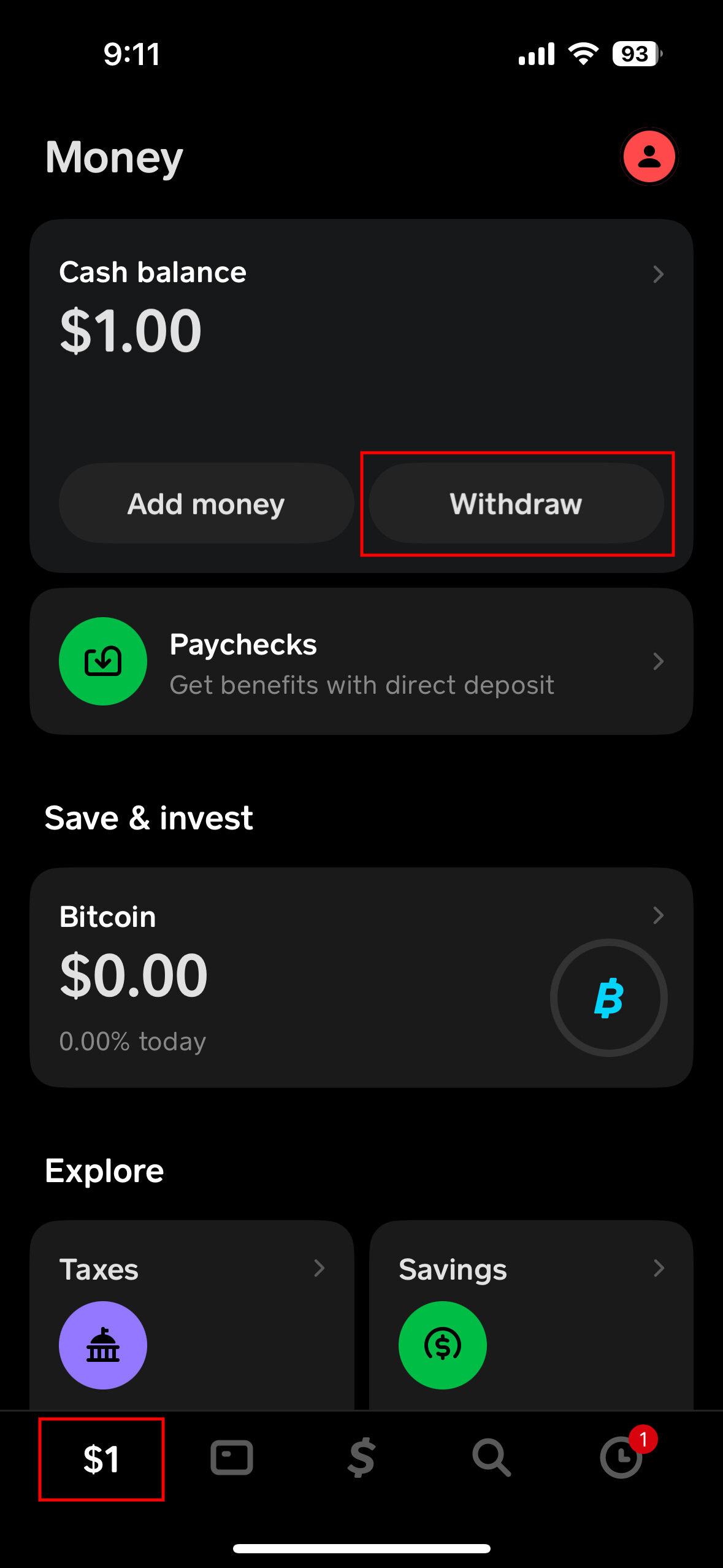
- Debit Card Integration: By linking a debit card, you can pull funds instantly. To do this, you navigate to the “Banking” tab, select “Add Cash,” and enter the desired amount. This is ideal for those who use Cash App as a secondary spending account for daily expenses.
- Bank Account Transfers (ACH): While debit cards are faster, linking a bank account via the ACH network allows for larger movements of capital, though these may take 1-3 business days to clear.
Retail Cash Deposits: The Physical-to-Digital Bridge
One of Cash App’s most powerful features is the ability to deposit physical paper money into your digital balance at thousands of retail locations. This service is vital for those who receive tips in cash or prefer to manage their budget through physical currency.
- How it Works: Within the app, users can find a “Paper Money” section. This generates a unique barcode. By taking this barcode to a participating retailer (such as Walgreens, 7-Eleven, or Walmart), a cashier can scan the code and accept physical cash, which is then credited to the user’s Cash App balance.
- The Financial Advantage: This removes the need for a traditional bank deposit slip or an ATM that accepts cash. It democratizes access to digital payments for those who do not have a standard checking account.
Direct Deposit and Automated Inflows
For those looking to use Cash App as their primary financial hub, Direct Deposit is the most efficient funding mechanism. By providing your Cash App routing and account numbers to an employer or a government agency, your payroll or tax refunds are deposited directly into your balance. This often allows users to access their funds up to two days earlier than traditional banks, providing a significant advantage in cash flow management.
3. Security and Compliance: Protecting Your Financial Assets
As with any financial tool, the security of your capital is paramount. When adding cash to an app, you are moving money across digital networks that require robust protection.

Multi-Factor Authentication and Biometrics
Cash App utilizes high-level encryption and multi-factor authentication (MFA). When you initiate a transfer of funds from a linked bank account, the app often requires a PIN or biometric verification (FaceID or TouchID). This ensures that even if a mobile device is compromised, the underlying capital remains secure.
FDIC Insurance and Partner Banks
A common misconception is that fintech apps are not “real” banks. While Cash App itself is a financial platform, not a bank, its banking services are provided by partner institutions like Sutton Bank and Lincoln Savings Bank.
- Understanding the Protection: Funds held in Cash App are generally FDIC-insured through these partner banks. This means that in the unlikely event of a bank failure, your deposited cash is protected up to $250,000. However, it is crucial for users to verify their accounts and review the terms of service to ensure their specific balance qualifies for this protection.
Monitoring for Fraudulent Activity
The “Add Cash” feature is occasionally targeted by social engineering scams. Professional financial management requires vigilance. Cash App will never ask you to “test” a deposit by sending money to a third party. Users should only add cash through the official app interface and never provide account details to unverified sources.
4. Optimizing Cash App for Better Financial Management
Adding cash is a mechanical step; the strategic step is how you utilize those funds once they are in the app. Cash App offers several features that turn a simple digital wallet into a sophisticated financial management tool.
Using the Cash Card for Budgeting
Once you have funded your account, you can use the physical Cash Card—a Visa debit card—to spend those funds. Many financial advisors suggest using a digital wallet as a “discretionary spending” bucket. By adding a set amount of cash each month (e.g., $500), you create a hard ceiling for non-essential spending, such as dining out or entertainment.
Cash App “Boosts” and Instant Savings
One of the most effective ways to maximize your added cash is through “Boosts.” These are instant rewards that provide discounts at specific merchants. If you add $100 to your Cash App and use a 10% “Boost” at a grocery store, your effective purchasing power has increased. This is an immediate return on your capital that traditional debit cards rarely offer.
Micro-Investing: Transitioning Cash to Equities
Perhaps the most significant benefit of adding cash to the app is the ability to move that money into the market. With as little as $1, users can take their balance and buy fractional shares of stocks or Bitcoin. This removes the barrier to entry for wealth building, allowing users to convert “spending cash” into “appreciating assets” with a few taps.
5. Troubleshooting and Navigating Financial Friction
Even with the most streamlined technology, users may occasionally encounter friction when attempting to add funds. Understanding these hurdles is key to maintaining liquidity.
Deposit Limits and Verification
New users often encounter “Deposit Limits.” These are regulatory safeguards designed to prevent money laundering and fraud. To increase the amount of cash you can add or send, Cash App requires identity verification, which usually involves providing your full name, date of birth, and the last four digits of your Social Security Number.
Why Transactions Fail
If an attempt to add cash is declined, it is usually due to one of three reasons:
- Insufficient Funds: The linked bank account does not have enough capital to cover the transfer.
- Bank Blocks: Some traditional banks are wary of fintech transfers and may flag the transaction as suspicious. A quick call to the bank’s fraud department usually resolves this.
- Outdated App Versions: Security protocols are constantly updated. If your app is not running the latest software, the handshake between the app and the banking network may fail.
The Importance of Transaction History
A disciplined approach to personal finance requires regular auditing. Cash App provides a detailed transaction history that users should review weekly. By tracking every instance where you “Added Cash,” you can identify patterns in your spending and adjust your funding frequency to better align with your income cycles.
Conclusion: Mastering Your Financial Flows
Adding cash to your Cash App account is more than a simple technical step; it is an act of capital allocation. Whether you are using retail deposits to digitize your physical earnings, or utilizing Direct Deposit to speed up your payroll access, mastering these inflows is essential for modern financial health. By understanding the methods, prioritizing security, and leveraging the app’s unique investment and saving features, you transform a simple P2P app into a powerful engine for personal wealth management. In the digital age, liquidity is king—and knowing how to manage it is the key to financial freedom.
aViewFromTheCave is a participant in the Amazon Services LLC Associates Program, an affiliate advertising program designed to provide a means for sites to earn advertising fees by advertising and linking to Amazon.com. Amazon, the Amazon logo, AmazonSupply, and the AmazonSupply logo are trademarks of Amazon.com, Inc. or its affiliates. As an Amazon Associate we earn affiliate commissions from qualifying purchases.