
In the rapidly evolving landscape of digital commerce, Shopify has emerged as a quintessential platform, empowering millions of entrepreneurs and businesses worldwide to establish, operate, and scale their online stores. More than just a website builder, Shopify is a sophisticated Software-as-a-Service (SaaS) solution engineered to democratize e-commerce, making complex digital retail operations accessible even to those without extensive technical expertise. Understanding “how Shopify works” is to grasp the intricate technological architecture and user-centric design that underpins its robust ecosystem, allowing merchants to focus on their products and customers while the platform handles the intricate details of online infrastructure, security, and sales processing.
At its core, Shopify provides a comprehensive suite of tools and services that abstract away the technical complexities typically associated with running an online business. From hosting and domain management to payment processing and inventory tracking, it offers a unified interface where all critical aspects of an e-commerce operation can be managed with relative ease. This deep dive will explore the technological backbone, operational mechanisms, and extensible nature of Shopify, revealing how this powerful platform functions as the digital engine for modern retail.
The Core Technological Infrastructure: A SaaS Powerhouse
Shopify’s fundamental strength lies in its architecture as a Software-as-a-Service (SaaS) platform. This model is critical to its widespread adoption and efficacy, allowing businesses to leverage enterprise-grade technology without the burdens of traditional IT management.
Understanding the SaaS Model
As a SaaS offering, Shopify provides its entire e-commerce infrastructure through a subscription-based model. This means merchants do not need to purchase, install, or maintain any software on their own servers or computers. Instead, Shopify hosts all the necessary applications, databases, and website files on its own highly secure and scalable cloud infrastructure. For the merchant, this translates into significant advantages: instant access to their store from any web browser, automatic software updates and security patches, and the peace of mind that comes with professional management of their platform’s backend. The complexities of server maintenance, uptime guarantees, and software compatibility are entirely handled by Shopify, freeing businesses to concentrate on sales, marketing, and product development. This approach dramatically lowers the barrier to entry for online retail, making sophisticated e-commerce tools available to everyone from sole proprietorships to large enterprises.
Cloud-Based Architecture & Scalability
Shopify’s infrastructure is built on a distributed, cloud-based architecture, utilizing leading cloud providers to ensure maximum reliability, performance, and scalability. This distributed nature means that data and applications are spread across multiple servers and data centers, providing redundancy and resilience against potential outages. For merchants, this translates into consistent uptime, rapid page load speeds, and the ability to handle massive spikes in traffic—whether during a flash sale or a holiday shopping season—without experiencing system slowdowns or crashes. The platform is designed to scale dynamically, allocating resources as needed to accommodate growth, from a store with a handful of products and daily sales to one processing thousands of orders simultaneously. This inherent scalability is a critical technological advantage, ensuring that a merchant’s digital storefront can grow seamlessly alongside their business without requiring costly or complex infrastructure upgrades.
Robust Security & Compliance
Security is paramount in e-commerce, and Shopify places it at the forefront of its technological design. The platform is PCI DSS (Payment Card Industry Data Security Standard) compliant at Level 1, the highest level of certification available. This means Shopify adheres to a rigorous set of security standards designed to protect sensitive cardholder data, ensuring that all payment transactions processed through its system are secure. Furthermore, every Shopify store includes a free 256-bit SSL (Secure Sockets Layer) certificate, which encrypts data exchanged between the customer’s browser and the store’s server, protecting personal and payment information from interception. Beyond these foundational measures, Shopify employs advanced fraud detection tools, network monitoring, and regular security audits to safeguard stores and customer data against cyber threats. Merchants benefit from an enterprise-grade security framework without having to implement or manage these complex protocols themselves, fostering trust and confidence among their customers.
Building and Managing Your Online Store with Shopify’s Tools
Shopify’s user-friendly interface and comprehensive toolkit simplify the process of establishing and managing a digital storefront, abstracting complex web development into intuitive, actionable steps.
Intuitive Storefront Creation
One of Shopify’s most lauded features is its intuitive storefront creation process. Merchants can select from a wide array of professionally designed, mobile-responsive themes (both free and paid) that serve as the visual foundation for their brand. The platform’s powerful drag-and-drop editor allows for extensive customization of these themes without requiring any coding knowledge. Users can easily add sections, rearrange content blocks, modify colors, fonts, and imagery, and preview changes in real-time. For those with coding expertise, Shopify’s templating language, Liquid, provides deeper customization capabilities, allowing developers to craft unique designs and functionalities. This blend of user-friendliness and developer flexibility ensures that businesses can create a visually appealing and highly functional online store that truly reflects their brand identity and meets their specific operational needs, often within a matter of hours or days.
Comprehensive Product Management
Effective product management is at the heart of any successful retail operation, and Shopify provides robust tools to handle this efficiently. Merchants can easily add and organize products, including physical goods, digital downloads, services, and gift cards. For each product, the platform allows for detailed specifications such as multiple images, descriptions, pricing, inventory tracking (including SKUs and barcodes), weight (for shipping calculations), and variants (e.g., different sizes, colors, materials). The inventory management system automatically updates stock levels in real-time as sales occur, helping to prevent overselling and streamline reordering. Furthermore, products can be organized into collections (categories) to enhance navigability for customers, and powerful search and filtering capabilities can be implemented, improving the overall shopping experience.
Streamlined Order Processing & Fulfillment
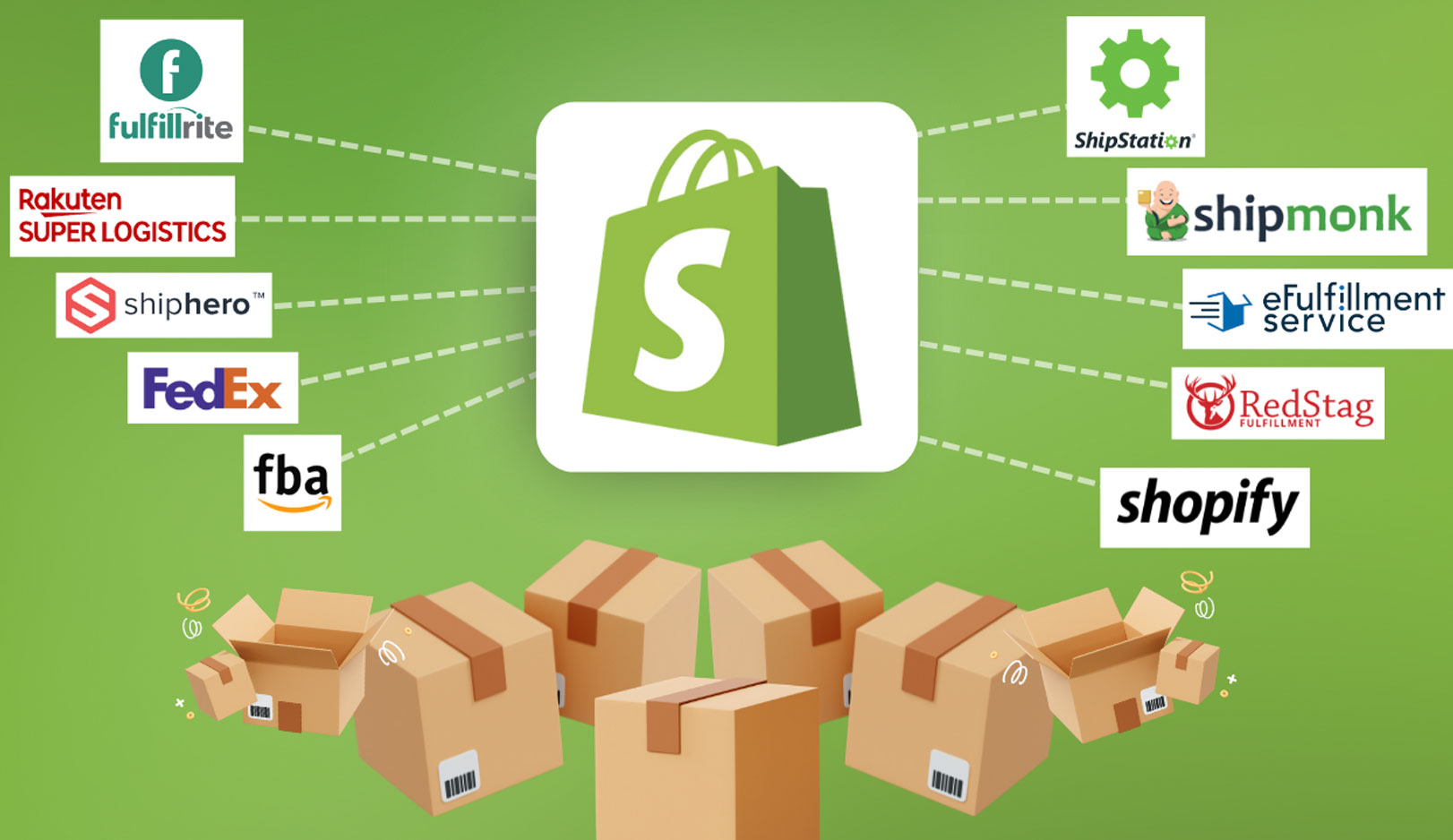
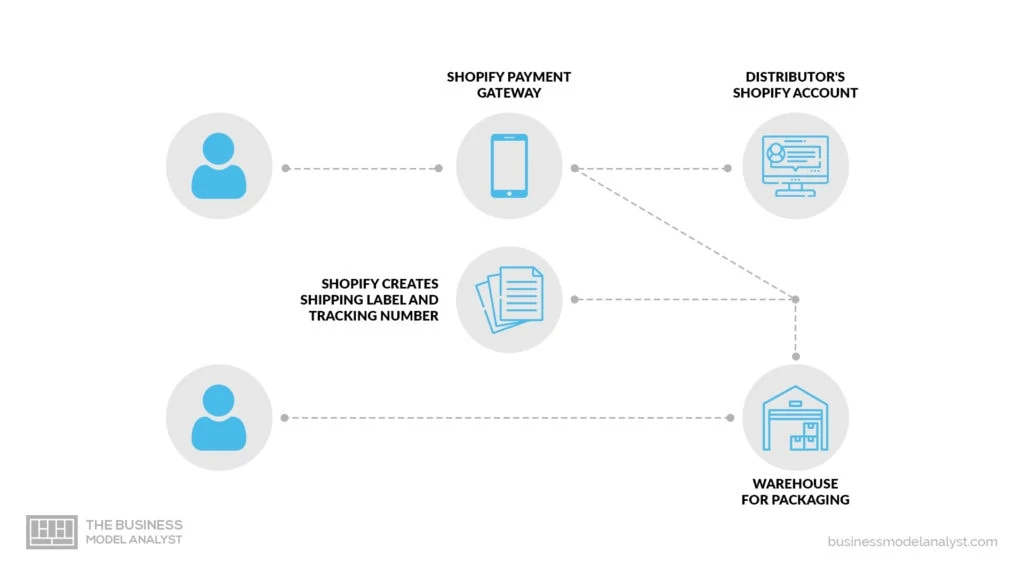
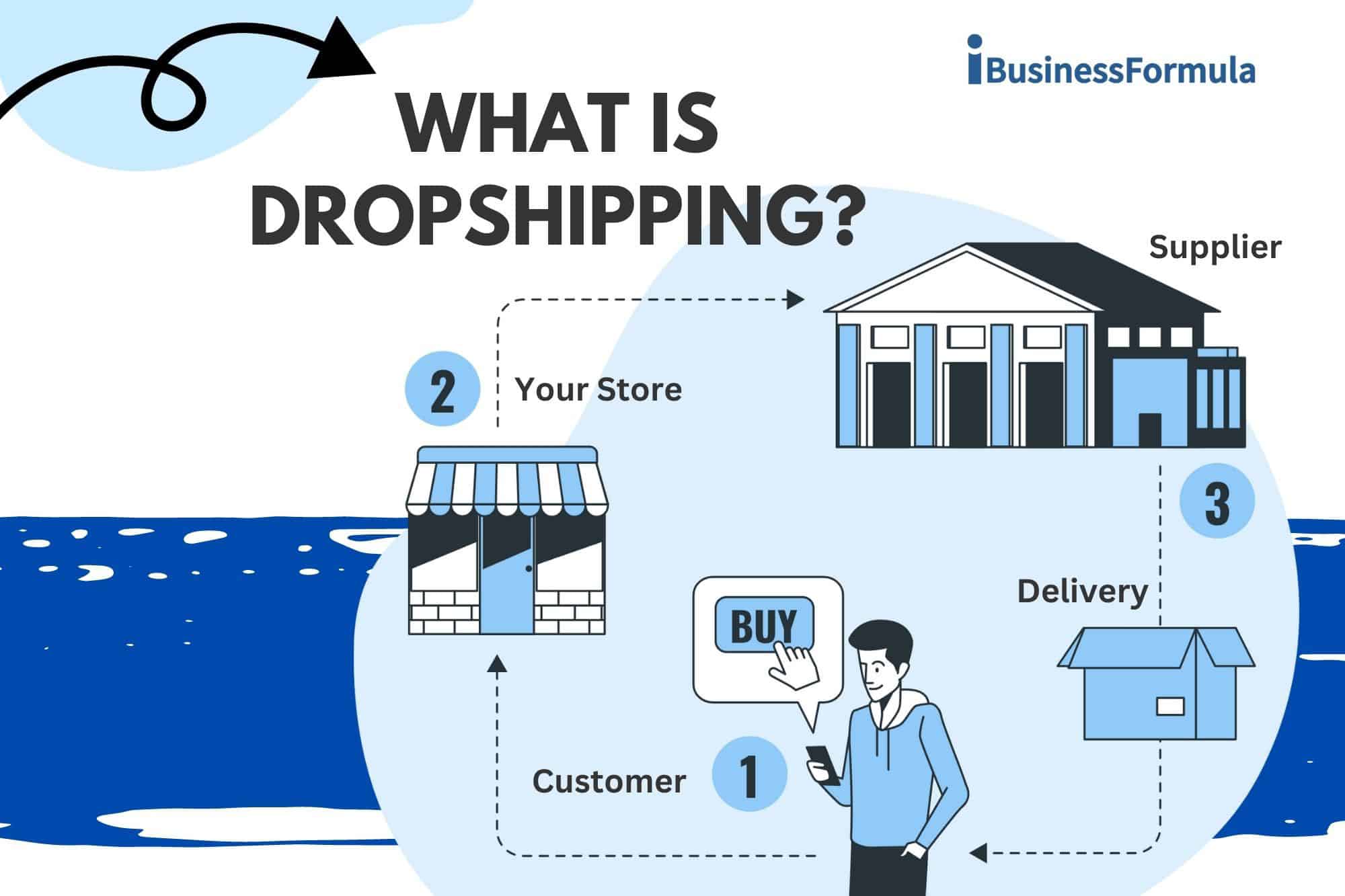
Shopify streamlines the entire order processing and fulfillment workflow, from the moment a customer clicks “buy” to the delivery of the product. When an order is placed, Shopify’s integrated payment gateways (including Shopify Payments, PayPal, Stripe, and many others) securely process transactions. The order then appears in the merchant’s admin panel, providing a centralized view of all sales activities. From here, merchants can fulfill orders by generating shipping labels, sending tracking information to customers, and updating order statuses. Shopify integrates with a multitude of shipping carriers and fulfillment services, simplifying logistics. The platform also supports automated order notifications, returns management, and refund processing, ensuring a smooth and transparent post-purchase experience for both the merchant and the customer.
Customer Relationship Management (CRM) Essentials
While not a full-fledged CRM, Shopify includes essential tools for managing customer data and interactions, providing merchants with a consolidated view of their customer base. Each customer who makes a purchase on a Shopify store has a profile generated, which includes their contact information, order history, and any specific notes or tags applied by the merchant. This allows businesses to track customer behavior, identify loyal patrons, and provide personalized service. Merchants can also segment customers based on purchase history, location, or other criteria, facilitating targeted marketing campaigns. The platform also supports basic email marketing integrations, enabling businesses to communicate with customers about promotions, order updates, and other relevant information directly from the Shopify admin.
Extending Functionality: The Shopify App Ecosystem and APIs
Shopify’s core functionality is powerful, but its true versatility comes from its expansive app ecosystem and robust API framework, which allow merchants to tailor their stores to nearly any business requirement.
The Power of the Shopify App Store
The Shopify App Store is a vast marketplace of third-party applications that extend the platform’s native capabilities. These apps seamlessly integrate with Shopify, adding features for everything from advanced marketing automation, SEO optimization, and customer service to accounting, shipping logistics, dropshipping, and sophisticated analytics. Each app is built using Shopify’s API, ensuring compatibility and smooth operation within the merchant’s store. For merchants, this means they can customize their e-commerce environment to meet highly specific business needs without resorting to custom coding for every function. This app ecosystem transforms Shopify from a robust e-commerce platform into a highly adaptable and versatile business operating system, providing a solution for almost every conceivable operational challenge.
Custom Development with APIs and Webhooks
For businesses with unique requirements or developers seeking to build custom integrations, Shopify offers an extensive and well-documented API (Application Programming Interface). Merchants can leverage Shopify’s REST and GraphQL APIs to programmatically interact with their store’s data, allowing for custom integrations with existing ERP systems, CRM platforms, inventory management software, or bespoke applications. Webhooks further enhance this capability by enabling real-time communication between Shopify and external systems. When specific events occur in a Shopify store (e.g., a new order is placed, a product is updated), webhooks can automatically trigger actions in other applications, facilitating seamless data synchronization and workflow automation. This developer-centric approach empowers businesses to create highly customized and automated solutions that tightly integrate Shopify into their broader operational technology stack.
Theme Development and Customization
Beyond simply choosing and modifying themes, Shopify provides a robust environment for theme development. Its templating language, Liquid, allows front-end developers to create entirely custom storefronts from scratch or to deeply customize existing themes. Shopify’s developer tools, including the Shopify CLI (Command Line Interface) and Theme Kit, facilitate local development, version control, and deployment, mirroring modern web development best practices. This ensures that businesses can not only leverage pre-built templates but also commission or develop unique, highly branded, and functionally specialized themes that perfectly align with their vision, offering unparalleled flexibility in design and user experience.
Beyond E-commerce: Omni-channel and Data Analytics
Shopify continuously evolves its technology to support modern retail strategies, extending beyond a simple online store to embrace omni-channel commerce and data-driven decision-making.
Shopify POS: Bridging Online and Offline
Shopify’s Point of Sale (POS) system is a critical technological component for businesses operating both online and in physical retail locations. Shopify POS is an application that runs on iPads or other mobile devices, integrating seamlessly with the online store. This integration ensures that inventory levels, customer profiles, and sales data are synchronized across all channels. A sale made in a physical store through Shopify POS instantly updates the online inventory, and vice-versa, preventing overselling and providing a unified view of stock. Customer data collected offline is also available online, enabling a consistent customer experience regardless of where they interact with the brand. This technological bridge is essential for brands looking to offer a truly omni-channel experience, providing flexibility for customers to shop wherever and however they choose.
Actionable Insights from Data Analytics
Shopify provides a comprehensive analytics dashboard and reporting features that offer merchants deep insights into their store’s performance. These tools track key metrics such as sales trends, average order value, conversion rates, customer acquisition channels, and product performance. Merchants can monitor visitor behavior, popular products, and identify areas for improvement. The data is presented through intuitive charts and graphs, making complex information digestible and actionable. Furthermore, Shopify integrates with third-party analytics platforms like Google Analytics, allowing for even more granular data analysis. This commitment to data transparency empowers merchants to make informed decisions about their products, marketing strategies, and operational efficiencies, driving growth through evidence-based insights.
Marketing and Sales Channel Integrations
Understanding that customers interact with brands across various digital touchpoints, Shopify has built integrations with numerous marketing and sales channels. Merchants can manage their listings and sales across social media platforms (like Facebook and Instagram), online marketplaces (like eBay and Amazon), and various advertising networks directly from their Shopify admin. This centralization of channel management streamlines multi-platform selling, ensuring consistent product information and synchronized inventory across all sales points. Technically, these integrations are often facilitated through APIs, allowing Shopify to push product data, receive orders, and track performance across diverse external platforms, providing a truly comprehensive e-commerce command center.
Conclusion
In essence, “how Shopify works” boils down to its sophisticated blend of accessible technology, robust infrastructure, and expansive extensibility. It operates as a powerful, cloud-based SaaS platform that meticulously handles the complexities of web hosting, security, and scalability, freeing merchants from technical burdens. Its intuitive tools simplify storefront creation, product management, and order fulfillment, making professional-grade e-commerce attainable for anyone. Furthermore, through its vast app store and comprehensive API framework, Shopify empowers businesses to tailor and extend their online operations to virtually any specific need. By seamlessly integrating online and offline retail with Shopify POS and providing actionable data analytics, Shopify ensures businesses are equipped to thrive in an omni-channel world. It stands as a testament to how intelligent technology can transform the entrepreneurial landscape, providing a reliable, secure, and scalable foundation for digital commerce in the 21st century.
aViewFromTheCave is a participant in the Amazon Services LLC Associates Program, an affiliate advertising program designed to provide a means for sites to earn advertising fees by advertising and linking to Amazon.com. Amazon, the Amazon logo, AmazonSupply, and the AmazonSupply logo are trademarks of Amazon.com, Inc. or its affiliates. As an Amazon Associate we earn affiliate commissions from qualifying purchases.