
In the rapidly evolving landscape of digital finance, applications like Cash App have become indispensable tools for millions, facilitating everything from peer-to-peer payments to investing in stocks and Bitcoin. This widespread adoption, however, brings with it a critical question: how secure is Cash App? As users increasingly entrust their financial data and transactions to mobile platforms, understanding the underlying security architecture, potential vulnerabilities, and best practices for safeguarding one’s account is paramount. This article delves into Cash App’s security framework, examining its built-in defenses, exploring common threats, and providing a comprehensive guide to maximizing user protection within the digital ecosystem.

Cash App’s Built-in Security Architecture
Cash App, developed by Block Inc. (formerly Square, Inc.), is engineered with multiple layers of security designed to protect user data and transactions. The company invests significantly in robust technological infrastructure to defend against unauthorized access, fraud, and cyber threats. These measures form the bedrock of the app’s overall security posture.
Data Encryption and Protection Protocols
At the core of Cash App’s security is its commitment to data encryption. All sensitive information, including personal details, financial data, and transaction records, is encrypted both in transit and at rest. When data is transmitted between your device and Cash App’s servers, it is protected using industry-standard Transport Layer Security (TLS) and Secure Sockets Layer (SSL) protocols, which encrypt the communication channel, preventing eavesdropping and man-in-the-middle attacks. Once data reaches Cash App’s servers, it is stored using advanced encryption algorithms, rendering it unreadable to unauthorized parties even if a breach were to occur. This multi-layered encryption strategy ensures that user information remains confidential and secure throughout its lifecycle within the platform.
Fraud Detection and Prevention Systems
Cash App employs sophisticated, real-time fraud detection and prevention systems that operate continuously in the background. These systems leverage advanced machine learning algorithms and artificial intelligence to monitor transactions and user behavior for anomalies that might indicate fraudulent activity. By analyzing patterns, recognizing unusual transaction sizes, locations, or frequencies, and identifying atypical login attempts, the system can flag suspicious activities. If a potential fraud is detected, Cash App’s automated systems can intervene by temporarily holding funds, blocking suspicious transactions, or prompting users for additional verification. This proactive approach aims to identify and mitigate threats before they can inflict financial harm on users.
Two-Factor Authentication (2FA) and PIN Protection
User authentication is a critical component of digital security. Cash App integrates robust authentication mechanisms to ensure that only authorized users can access their accounts. Every Cash App account is protected by a unique PIN (Personal Identification Number) or biometrics (fingerprint or facial recognition, depending on device capabilities). Beyond this, Cash App strongly encourages and often mandates Two-Factor Authentication (2FA) or multi-factor authentication (MFA). This means that even if an unauthorized individual gains access to your login credentials, they would still need a second form of verification – typically a code sent to your registered mobile device – to access the account. This adds a crucial layer of defense, significantly reducing the risk of unauthorized account access.
Regulatory Compliance and Industry Standards
As a financial technology platform, Cash App operates under strict regulatory requirements. The company adheres to various industry standards and government regulations designed to protect consumer financial data. While not a bank itself, Cash App partners with FDIC-insured banks for holding user funds. Furthermore, its operational practices are aligned with Payment Card Industry Data Security Standard (PCI DSS) for processing, storing, and transmitting credit card information, even though Cash App operates primarily with debit card linking. This commitment to compliance ensures that Cash App’s security practices meet or exceed the rigorous benchmarks set by financial regulators and industry bodies, reinforcing its credibility as a secure platform.
Empowering User-Side Security Measures
While Cash App implements a formidable security infrastructure, the ultimate security of an account also heavily relies on user behavior and the adoption of personal security best practices. Users are the first line of defense against many common cyber threats.
Strong Passwords and Unique PINs
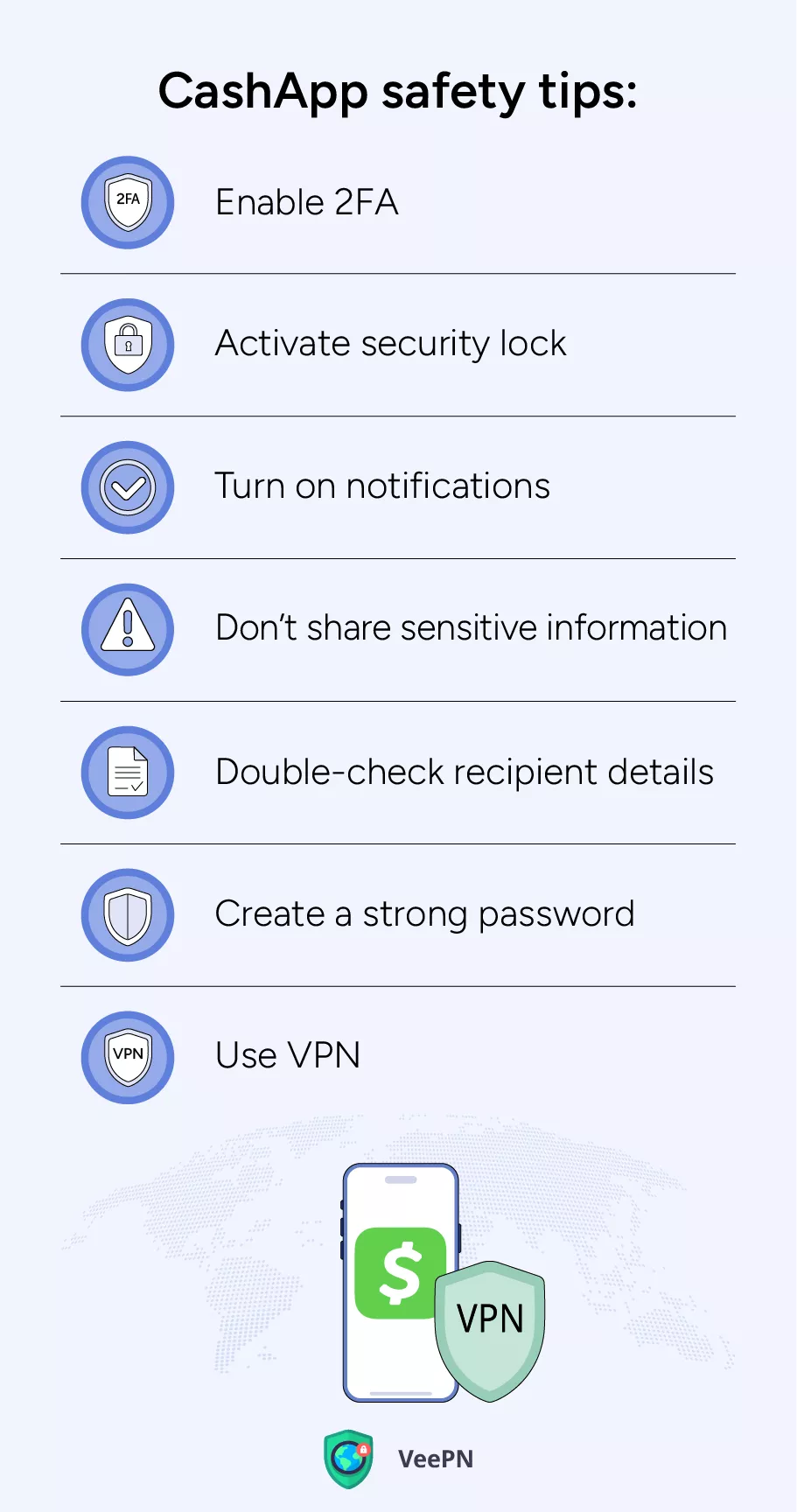
The foundation of user-side security begins with strong, unique credentials. For Cash App, this means creating a robust PIN that is difficult to guess and not reused across other services. Ideally, a PIN should be at least six digits long, avoiding easily discernible patterns like birthdays, anniversaries, or sequential numbers. For email accounts linked to Cash App, the use of strong, complex passwords (a combination of uppercase and lowercase letters, numbers, and symbols) is essential. Employing a password manager can help create and store unique, strong passwords for all online accounts, thereby preventing credential stuffing attacks where compromised credentials from one service are used to gain access to another.
Vigilance Against Phishing and Social Engineering
The most common attack vector targeting Cash App users involves social engineering and phishing attempts. Scammers often impersonate Cash App support or legitimate businesses through emails, SMS messages, or social media, attempting to trick users into divulging their login credentials, PINs, or sending money. Users must exercise extreme caution:
- Phishing Emails/SMS: Always scrutinize the sender’s email address or phone number. Cash App will never ask for your PIN, sign-in code, or full debit card number via text message or email. Look for grammatical errors, suspicious links, or urgent requests.
- Fake Support: Cash App support will only contact you through the app or their official channels. Be wary of unsolicited calls or messages claiming to be from Cash App support. Never share sensitive information with unverified contacts.
- Too-Good-To-Be-True Scams: Offers of free money, lottery winnings, or lucrative investment opportunities that require an upfront payment are almost always scams.
Educating oneself about these technical deception tactics is crucial for safeguarding funds.
Monitoring Account Activity and Notifications
Cash App provides robust notification features that can serve as an early warning system for potential security breaches. Users should enable and regularly review notifications for all transactions, login attempts, and account changes. By monitoring your activity feed and transaction history within the app, you can quickly identify any unauthorized transactions or suspicious activities. If you notice any unfamiliar activity, it’s imperative to act immediately, which we will discuss in the next section. Regularly reviewing linked bank accounts and debit cards for unexpected charges can also help catch discrepancies promptly.
Secure Device Practices
The security of your Cash App account is also intrinsically linked to the security of the device you use to access it. Maintaining strong device security practices includes:
- Operating System Updates: Always keep your smartphone’s operating system (iOS or Android) updated to the latest version. These updates often include critical security patches that protect against newly discovered vulnerabilities.
- Antivirus/Anti-Malware: While less common for mobile, installing reputable antivirus or anti-malware software can provide an additional layer of protection, especially on Android devices.
- Secure Wi-Fi: Avoid accessing your Cash App account or making transactions over unsecured public Wi-Fi networks. These networks can be vulnerable to eavesdropping. Opt for cellular data or a trusted, secure private Wi-Fi network.
- Screen Lock: Always use a screen lock (PIN, pattern, fingerprint, or face ID) on your device to prevent unauthorized access if your phone is lost or stolen.
Common Vulnerabilities and Threat Landscape
Despite Cash App’s robust security features and user vigilance, the digital financial landscape is continually targeted by threat actors. Understanding the most prevalent vulnerabilities and attack vectors is key to proactive defense.
Social Engineering Scams
As mentioned, social engineering remains the Achilles’ heel for many users. Scammers exploit human psychology rather than technical flaws, tricking individuals into revealing sensitive information or sending money willingly. This can manifest as fake job offers, investment schemes, romance scams, or urgent requests from supposed friends or family. Technically, these scams bypass Cash App’s built-in security by manipulating the user into authorizing transactions or divulging credentials, effectively turning the user into an unwitting accomplice in the fraud. The app’s security features are designed to protect against unauthorized technical access, but they cannot prevent a user from voluntarily initiating a fraudulent transaction.
Phishing Attacks
Phishing specifically refers to attempts to acquire sensitive information such as usernames, passwords, and credit card details by masquerading as a trustworthy entity in an electronic communication. For Cash App users, this often involves emails or text messages designed to look like official communications from Cash App. These messages typically contain malicious links that direct users to spoofed websites visually identical to the legitimate Cash App login page. Once users enter their credentials on these fake sites, the information is harvested by the scammers, leading to potential account compromise. The technical sophistication of these fake sites can vary, but the goal is always credential theft.
Account Takeover Risks
Account takeovers occur when an unauthorized party gains control of a user’s Cash App account. This can happen through several technical means:
- Credential Stuffing: If a user reuses passwords across multiple online services, and one of those services is breached, attackers can use the leaked credentials to try and log into other services, including Cash App.
- Malware: Though less common on mobile, sophisticated malware on a device could potentially capture login credentials or bypass authentication measures.
- SIM Swapping: A particularly insidious attack where fraudsters trick a mobile carrier into transferring a victim’s phone number to a SIM card controlled by the attacker. This allows them to receive 2FA codes, effectively bypassing a critical security layer. While rare, it’s a significant threat that underlines the importance of securing mobile accounts with carriers.
What to Do in Case of a Security Incident
Despite all precautions, security incidents can happen. Knowing the immediate and decisive steps to take can significantly mitigate potential damage and aid in recovery.
Immediate Actions for Compromised Accounts
If you suspect your Cash App account has been compromised, or you notice unauthorized transactions, immediate action is critical:
- Change Your PIN/Password: The very first step is to change your Cash App PIN and the password for the email linked to your Cash App account. This prevents further unauthorized access.
- Disable Your Cash Card: If you have a Cash Card linked to your account, disable it immediately within the app. Go to the Cash Card tab and toggle off the card. This prevents any further physical or online purchases using the card.
- Review Recent Activity: Carefully examine your in-app activity feed and linked bank account statements for any suspicious transactions that you didn’t initiate. Document these for reporting.
- Disconnect Linked Accounts: If possible, consider temporarily unlinking your bank account or debit card from Cash App, especially if you suspect your linked accounts might also be at risk.
Reporting Incidents to Cash App Support
After taking immediate preventative measures, it is imperative to report the incident to Cash App support as quickly as possible.
- In-App Support: The most secure and recommended way to contact Cash App support is directly through the app. Navigate to your profile icon, scroll down to “Support,” and select “Something Else” to explain your issue.
- Official Website: You can also visit Cash App’s official support page on their website to find contact information or submit a support ticket.
- Provide Details: When contacting support, be prepared to provide all relevant details: the nature of the suspicious activity, dates and times, amounts, and any other pertinent information you’ve gathered. The more information you provide, the faster and more effectively Cash App can investigate and assist.
Post-Incident Recovery and Prevention
Once an incident has been reported and initial steps taken, focus on recovery and preventing future occurrences:
- Monitor Accounts Closely: Continue to monitor your Cash App, email, and linked bank accounts vigilantly for any further unusual activity.
- Strengthen All Security Settings: Re-evaluate and strengthen all your security settings, including ensuring 2FA is active, updating your PINs and passwords, and reviewing all authorized devices.
- Learn from the Incident: Reflect on how the incident might have occurred. Was it a weak password? A deceptive email? Understanding the entry point helps reinforce your personal security practices for all online services.
- Report to Law Enforcement (if applicable): For significant financial losses or identity theft, consider reporting the incident to local law enforcement and relevant consumer protection agencies.
Conclusion
Cash App is built on a foundation of sophisticated technical security measures designed to protect user data and transactions. Through robust encryption, advanced fraud detection systems, and multi-factor authentication, the platform strives to offer a secure environment for digital financial activities. However, no digital system is entirely impenetrable, and the human element remains a critical factor in overall security. The “how secure” question ultimately hinges on a synergistic relationship between Cash App’s cutting-edge technical safeguards and the user’s proactive adoption of personal security best practices. By understanding the app’s architecture, remaining vigilant against social engineering and phishing, and taking swift action in the event of an incident, users can significantly enhance their security posture, ensuring a safer and more confident experience within the Cash App ecosystem. The ongoing evolution of cyber threats means that both platform providers and users must remain adaptive and committed to continuous security improvement.
aViewFromTheCave is a participant in the Amazon Services LLC Associates Program, an affiliate advertising program designed to provide a means for sites to earn advertising fees by advertising and linking to Amazon.com. Amazon, the Amazon logo, AmazonSupply, and the AmazonSupply logo are trademarks of Amazon.com, Inc. or its affiliates. As an Amazon Associate we earn affiliate commissions from qualifying purchases.