
Microsoft, founded on April 4, 1975, has not merely existed for nearly five decades; it has consistently reinvented its brand, demonstrating remarkable agility in navigating technological revolutions and shifts in public perception. The company’s longevity is a testament to its strategic adaptation, making its brand evolution a compelling case study in corporate identity, marketing, and enduring market relevance. Understanding “how old Microsoft” means appreciating the layers of branding that have shaped one of the world’s most influential corporations.
The Genesis of a Global Brand: Early Years and the Microsoft Moniker
When Bill Gates and Paul Allen founded “Micro-soft” in Albuquerque, New Mexico, their vision was to put “a computer on every desk and in every home.” This ambitious goal, though perhaps understated at the time, laid the groundwork for a brand that would become synonymous with personal computing. The very name, a portmanteau of “microcomputer” and “software,” succinctly communicated their core business and technological focus.
From Altair BASIC to MS-DOS: Establishing the Core Identity
Microsoft’s initial brand identity was built on its prowess in software development for microcomputers. Their first significant product, Altair BASIC, established them as a key player in a nascent industry. The decisive moment for Microsoft’s brand, however, arrived with the deal to provide an operating system for IBM’s Personal Computer. MS-DOS, though technically acquired and adapted, became the engine driving the IBM PC and, by extension, countless compatibles. This period solidified Microsoft’s brand as the foundational software provider, a behind-the-scenes enabler of the PC revolution. Their brand promised reliability, compatibility, and the essential tools for computing. The early logos, particularly the “Blibbet” logo of the 1980s, were functional and reflected the burgeoning tech aesthetic, signaling a company focused on utility and innovation rather than flashy consumer appeal.
The Windows Era: Ubiquity and the Rise of a Household Name
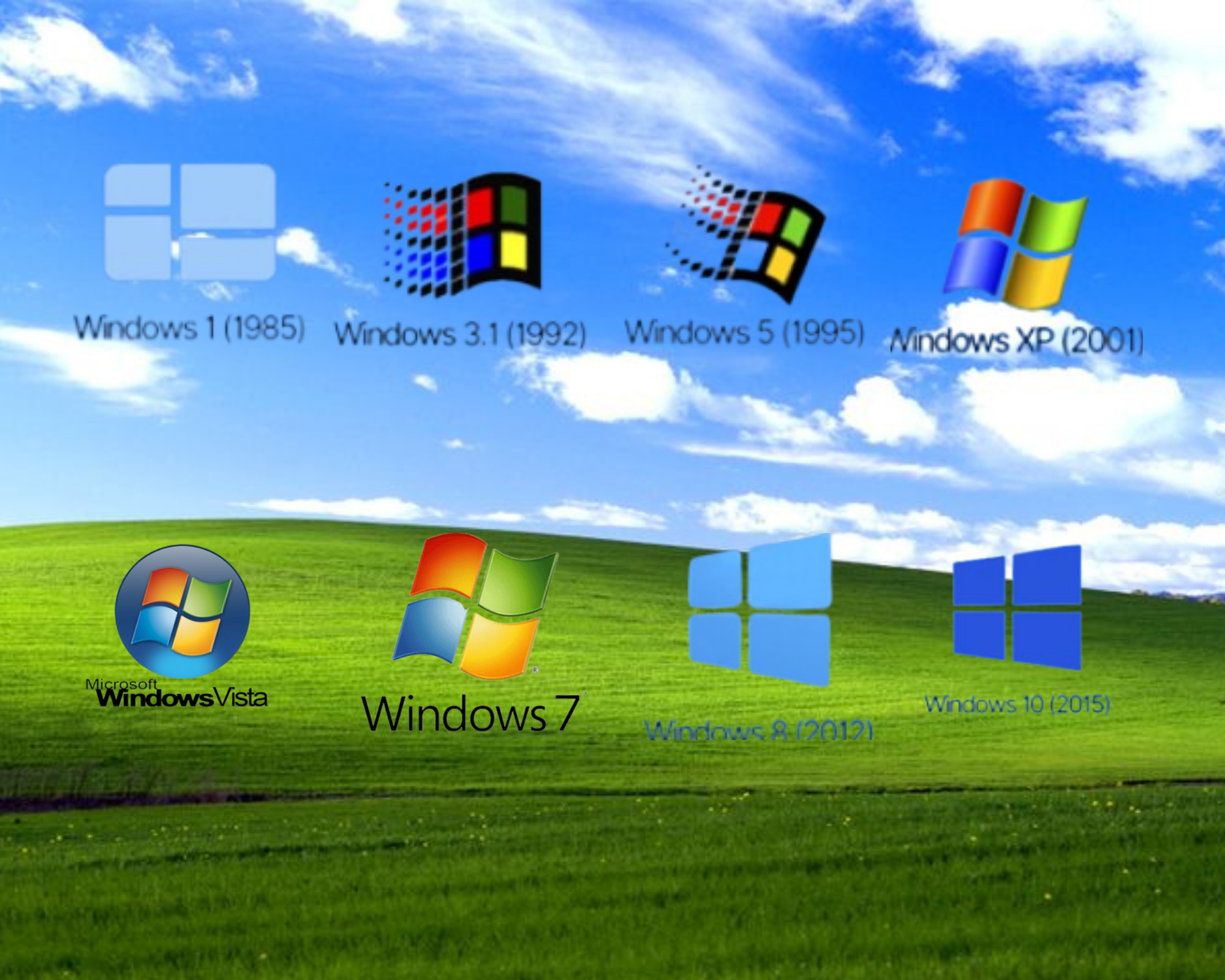
The introduction of Microsoft Windows fundamentally reshaped the company’s brand perception. Moving beyond text-based commands, Windows presented a graphical user interface (GUI) that made computers accessible to a much broader audience. This shift propelled Microsoft from an essential, but often unseen, component to a front-and-center experience for millions. The Windows brand became synonymous with ease of use, productivity, and, eventually, ubiquity. Marketing campaigns focused on the intuitive nature of the OS and its seamless integration into both professional and personal lives. The “Microsoft” brand evolved from a technical necessity to a household name, embedded in the daily routines of users worldwide. This era saw the brand’s global expansion, fostering an image of an omnipresent and indispensable technology provider.
Navigating the Dot-Com Bubble and Antitrust Scrutiny: Brand Resilience
As Microsoft matured through the 1990s and into the new millennium, its brand faced significant challenges that tested its resilience and adaptability. The sheer dominance achieved with Windows and Office led to unprecedented market power, which, in turn, invited intense scrutiny and criticism.
Rebranding Challenges and Maintaining Trust
The late 1990s and early 2000s were tumultuous for Microsoft’s brand. The U.S. Department of Justice’s antitrust lawsuit painted the company as monopolistic and anti-competitive. This period severely tarnished Microsoft’s public image, shifting perception from an innovative pioneer to a corporate behemoth stifling competition. The brand was no longer just about software; it was about market control. Managing this perception required a delicate balance of legal defense, public relations, and a continued push for product innovation that could demonstrate consumer value. Despite the legal battles, the core Windows and Office brands were so deeply entrenched that they largely withstood the direct impact on sales, but the corporate brand suffered. Efforts were made to soften the image, emphasizing accessibility and broader technological benefits rather than sheer market share.
The “Embrace, Extend, Extinguish” Perception
During this era, a critical aspect of Microsoft’s brand perception, particularly within the tech community, was the “Embrace, Extend, Extinguish” (EEE) strategy. While never officially acknowledged by Microsoft, this phrase became a widely used term to describe its alleged tactics for entering new markets. The perception was that Microsoft would embrace an open standard, extend it with proprietary features, and then extinguish competition by making its extended version the de facto standard, making it difficult for competitors to interoperate. This further fueled the antitrust narrative and reinforced an image of an aggressive, perhaps ruthless, competitor. For years, the company struggled to shake off this perception, impacting its ability to foster collaborative relationships and attract top talent who valued open-source principles. Rebuilding trust and projecting an image of fair play became a long-term branding challenge.
The Ballmer Years: Diversification and Brand Stretch

Steve Ballmer’s tenure as CEO, from 2000 to 2014, marked a period of significant diversification for Microsoft. The brand, long synonymous with software, began to stretch into new hardware ventures and services, attempting to compete in a rapidly evolving tech landscape dominated by mobile and search.
Xbox, Zune, and Surface: Expanding the Brand Portfolio
Under Ballmer, Microsoft explicitly sought to broaden its brand’s appeal beyond enterprise software. The launch of the Xbox in 2001 was a bold move into consumer electronics and gaming, successfully establishing Microsoft as a significant player in the entertainment space. This venture brought a new, more dynamic dimension to the Microsoft brand, appealing to a younger demographic. However, other attempts, like the Zune media player, struggled to gain traction against Apple’s dominant iPod, illustrating the challenges of brand stretch into highly competitive consumer markets. Later, the Surface line of devices, introduced in 2012, marked a more successful re-entry into hardware, aiming to define a new category of computing device and showcase Windows in its best light. These initiatives were crucial for demonstrating that the Microsoft brand could innovate beyond its historical strengths, even if not every project was a resounding success. They signaled an ambition to be a full-spectrum technology provider, not just a software vendor.
Confronting Apple and Google: Shifting Market Perceptions
During this period, Microsoft faced intense competition from Apple in mobile and personal computing, and from Google in search and cloud services. The “PC vs. Mac” advertising campaigns of the late 2000s vividly captured the brand rivalry, positioning Microsoft as the practical, ubiquitous choice against Apple’s perceived elitism. However, Apple’s resurgence with the iPhone and iPad, coupled with Google’s rise, highlighted Microsoft’s struggles to adapt its brand quickly enough to the mobile-first paradigm. The Windows Phone initiative, though technologically sound, failed to capture significant market share, further complicating Microsoft’s brand narrative in the crucial mobile space. The challenge was to convince consumers that Microsoft was still at the cutting edge, capable of driving innovation in new form factors and services, rather than being a legacy player tied to desktop computing.
Satya Nadella’s Tenure: Modernizing the Brand and Culture
Satya Nadella’s appointment as CEO in 2014 ushered in a transformative era for Microsoft’s brand, marked by a profound cultural shift and a strategic pivot that revitalized the company’s image. His leadership focused on openness, collaboration, and a renewed emphasis on innovation, moving away from the more insular and confrontational stance of previous decades.
Cloud-First, Mobile-First: A New Brand Narrative
Nadella’s “cloud-first, mobile-first” strategy dramatically reoriented Microsoft’s core identity. Azure, its cloud computing platform, became central to its brand narrative, positioning Microsoft as a leading provider of essential infrastructure for businesses globally. This strategic shift moved the brand from being solely a consumer-facing OS provider to an indispensable partner for digital transformation. The emphasis on cross-platform compatibility and open-source contributions, including famously porting SQL Server to Linux and acquiring GitHub, significantly altered how the tech community perceived Microsoft. No longer seen as a closed ecosystem, Microsoft began to project an image of an enabler, a partner, and a platform for everyone. The brand’s message became one of empowerment and collaboration, resonating strongly with developers and enterprises alike.
Openness, Collaboration, and the AI Frontier: Future-Proofing the Brand
Under Nadella, Microsoft’s brand has become synonymous with openness and collaboration. The shift from “Windows-first” to “Azure-first” and “Microsoft 365” underscored a move towards services and subscriptions, further solidifying its role as an integrated solutions provider. The company’s significant investments in artificial intelligence, exemplified by its partnership with OpenAI, have positioned Microsoft as a frontrunner in the next technological frontier. This strategic alignment with cutting-edge AI research and development not only showcases innovation but also aims to future-proof its brand, ensuring its relevance in an AI-driven world. The brand now actively promotes responsible AI development, addressing ethical concerns proactively and demonstrating a mature approach to technological advancement. This renewed focus on ethical innovation and industry leadership has helped repair past brand damage and elevate Microsoft’s standing as a responsible global citizen.
The Enduring Legacy: How Microsoft’s Age Shapes its Brand
With nearly five decades of history, Microsoft’s age is not merely a number; it is a foundational element of its brand identity. This longevity imbues the brand with a sense of authority, experience, and resilience that few competitors can match. Its journey reflects the entire history of modern computing, allowing the brand to draw on a rich heritage while continuously innovating for the future.
Trust, Innovation, and Corporate Responsibility
Microsoft’s enduring presence translates into a high level of brand trust for many customers, particularly in the enterprise sector. Businesses rely on Microsoft’s stability, security, and proven track record. This trust is a hard-won asset, built over decades of delivering critical software and services. The brand’s age also allows it to present innovation not as a fleeting trend, but as a sustained commitment—a continuous evolution rather than a series of disconnected launches. Furthermore, as an established global entity, Microsoft has increasingly embraced corporate responsibility, focusing on sustainability, digital inclusion, and ethical AI. These efforts are not just marketing ploys but intrinsic to its mature brand identity, demonstrating that a company can be both a market leader and a force for positive global impact. The sheer history of Microsoft allows it to frame its present and future endeavors within a grand narrative of technological progress and societal contribution, cementing its legacy as a pivotal force in the digital age.
aViewFromTheCave is a participant in the Amazon Services LLC Associates Program, an affiliate advertising program designed to provide a means for sites to earn advertising fees by advertising and linking to Amazon.com. Amazon, the Amazon logo, AmazonSupply, and the AmazonSupply logo are trademarks of Amazon.com, Inc. or its affiliates. As an Amazon Associate we earn affiliate commissions from qualifying purchases.