
The question “how old is Microsoft” might seem like a simple query, yielding a straightforward numerical answer. Founded on April 4, 1975, Microsoft is indeed over 49 years old as of 2024. However, reducing Microsoft’s longevity to a mere number profoundly undersells the monumental journey of a brand that has not just survived, but thrived and continuously redefined itself across five decades of technological upheaval. Its age is not just a testament to endurance, but a masterclass in brand strategy, corporate identity evolution, and the art of perpetual reinvention. This article delves beyond the birthdate, exploring how Microsoft’s age reflects a dynamic brand that has shaped, endured, and adapted to the ever-changing digital landscape. It’s a powerful case study in how a corporate identity can mature, shift, and ultimately sustain its relevance in an intensely competitive global market.
The Genesis of a Global Brand: Laying the Foundations
Microsoft’s inception was not just the birth of a company, but the genesis of a brand that would become synonymous with personal computing. In the nascent days of microprocessors, co-founders Bill Gates and Paul Allen shared a visionary belief: that personal computers would soon become an indispensable fixture in every home and on every desk. This foundational vision wasn’t merely a technological prediction; it was the seed of a future brand identity that would position Microsoft as the enabler of this digital revolution. Their initial foray into developing a BASIC interpreter for the Altair 8800 microcomputer quickly established Microsoft’s reputation as a critical software provider, creating a fundamental layer upon which the nascent PC industry could build.
From BASIC to Windows: Defining Early Identity
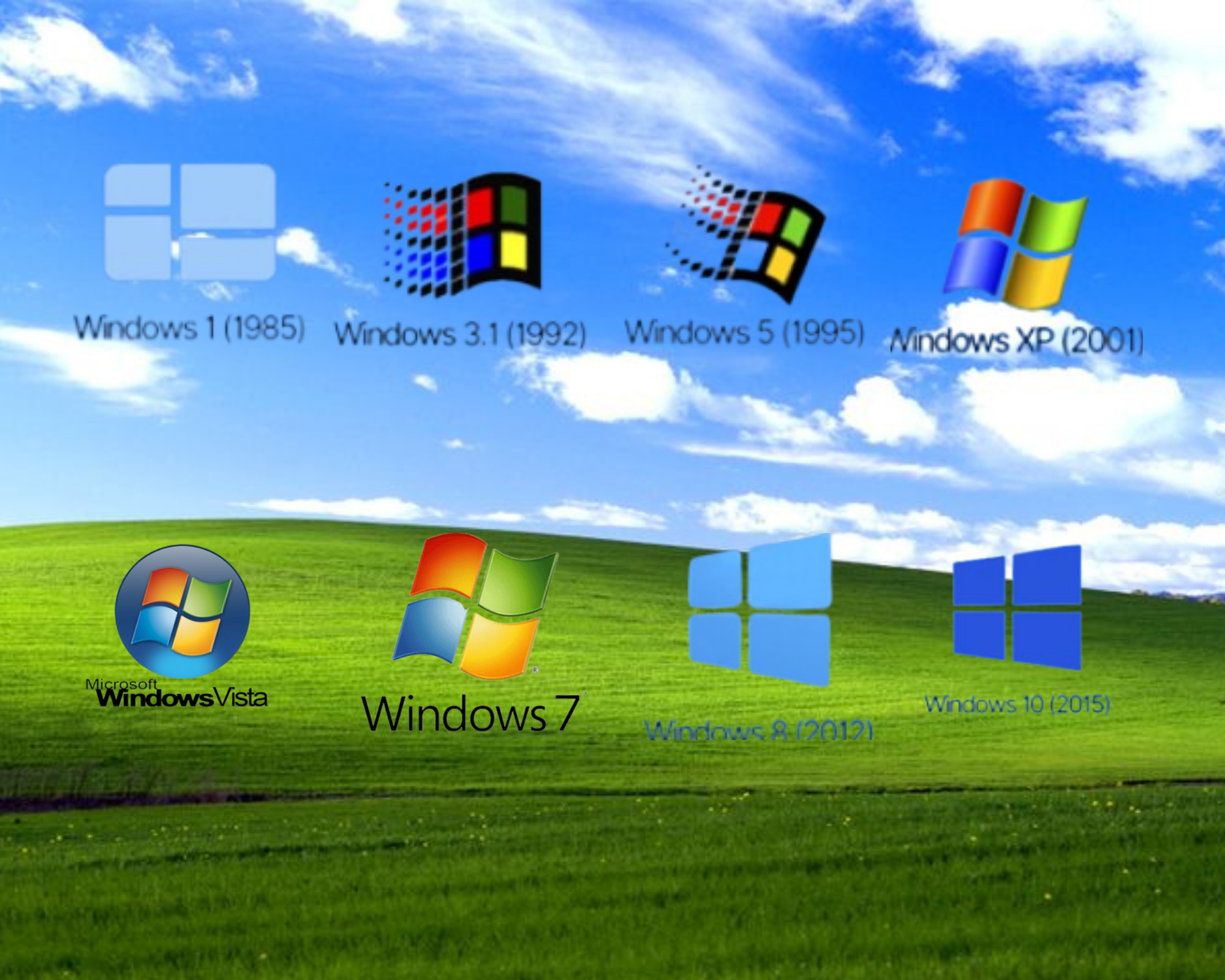
The early corporate identity of Microsoft was built on technical prowess and a relentless drive to standardize software. While the BASIC interpreter put them on the map, it was the strategic brilliance of securing the MS-DOS operating system deal with IBM for their original PC in 1980 that truly catapulted Microsoft into the corporate stratosphere. This single move defined Microsoft’s core brand promise for decades: providing the fundamental operating system that powered the world’s computers. The subsequent launch of Microsoft Windows in 1985 marked a pivotal moment. Windows wasn’t just another product; it was a paradigm shift in user interaction, transforming the intimidating command-line interface into a visually intuitive graphical user environment. This innovation cemented Microsoft’s brand as the gateway to computing for the masses, making complex technology accessible and user-friendly. The Windows logo, with its distinct four-color pane, became an instantly recognizable symbol of progress and ubiquitous digital presence, laying the groundwork for a global brand that touched millions of lives daily. This period saw Microsoft solidify an identity as a dominant, indispensable force in the computing world, establishing the initial architecture for an enduring corporate brand.
The Visionaries: Gates, Allen, and the Dawn of Personal Computing
At the heart of Microsoft’s early brand narrative were its visionary founders, Bill Gates and Paul Allen. Their combined intellect, ambition, and entrepreneurial spirit were inextricably linked to the company’s nascent corporate identity. Gates, with his sharp business acumen and relentless drive, and Allen, with his profound technical insight and foresight, formed a symbiotic partnership that fueled Microsoft’s early innovations. Their youth and audacity in challenging established norms resonated with the burgeoning tech community. They weren’t just building software; they were building a future, and their personalities became intertwined with the Microsoft brand itself. Gates’s public persona, especially, evolved from a young tech prodigy to a shrewd business leader, and his vision of “a computer on every desk and in every home” became the unofficial mission statement that guided Microsoft’s brand development. This clear, aspirational vision communicated purpose and direction, not just to employees but to customers and investors, fostering a deep sense of trust and anticipation around the Microsoft name. The story of two college dropouts building a global empire from scratch was, and remains, a powerful component of Microsoft’s enduring brand mythology, embodying innovation, disruption, and the American dream.
Navigating Storms and Shifting Tides: Brand Resilience Through Crises
No brand, however dominant, navigates decades without facing significant challenges. Microsoft, despite its meteoric rise, encountered numerous storms that tested its corporate identity and brand resilience. These periods of crisis, from fierce market battles to intense regulatory scrutiny, were not merely obstacles; they were crucible moments that forced Microsoft to introspect, adapt, and ultimately strengthen its brand strategy. The ability to weather these storms and emerge stronger is a hallmark of truly enduring brands, and Microsoft’s journey provides invaluable lessons in corporate resilience and strategic adaptation.
The Browser Wars and Antitrust Battles: A Brand Under Siege
The late 1990s presented Microsoft with its most significant brand challenges, epitomized by the “Browser Wars” and subsequent antitrust lawsuits. The rise of the internet introduced a new battleground, and Netscape Navigator emerged as a formidable competitor to Microsoft’s Internet Explorer. Microsoft’s aggressive bundling of IE with Windows, while strategically sound from a market share perspective, led to accusations of monopolistic practices. This period saw the Microsoft brand, once celebrated as an innovator, cast in the unflattering light of a corporate Goliath stifling competition. The highly publicized antitrust trials, particularly in the United States and later in Europe, subjected Microsoft to intense public and legal scrutiny. The brand narrative shifted from enabling to dominating, from facilitating to suffocating. This was a critical test of Microsoft’s corporate identity. The brand was under siege, forced to defend its business practices and its very right to innovate. The resolution of these cases, while costly and necessitating changes in business practices, ultimately pushed Microsoft to re-evaluate its relationship with both the public and its competitors, forcing a nuanced evolution in its brand messaging towards partnership and a more open ecosystem, though this shift would take years to fully materialize.
The Dot-Com Bubble and Beyond: Adapting to New Realities
As the new millennium dawned, the tech landscape was again in flux. The dot-com bubble burst created an atmosphere of uncertainty, and Microsoft, while largely insulated from the direct impact of many startup failures, faced a new kind of challenge: relevance in an increasingly diversified digital world. The rise of open-source software, the advent of new competitors in search (Google) and mobile (Apple’s resurgence), and a general sentiment of “Microsoft fatigue” among some users required a profound strategic pivot. The corporate identity built around Windows and Office, while still powerful, needed to expand. Microsoft recognized that clinging solely to its desktop dominance would be insufficient. This era saw initial forays into gaming with Xbox, a bold move into consumer electronics that signaled a willingness to diversify and embrace entertainment. It also prompted a deeper engagement with enterprise solutions beyond just operating systems and productivity suites, focusing on server technology and early cloud concepts. These moves were crucial in adapting the Microsoft brand to new realities, showing a capacity to extend its identity beyond its traditional strongholds and respond to evolving consumer and business needs, ensuring its continued relevance even as the digital ecosystem expanded dramatically beyond the PC.
The Era of Strategic Evolution: Reimagining Microsoft’s Identity
Following its legal battles and market shifts, Microsoft entered a period characterized by profound strategic evolution. The departure of Bill Gates from day-to-day operations and the subsequent leadership transitions marked a deliberate effort to reimagine Microsoft’s corporate identity and brand strategy. This was an era not just of adaptation, but of proactive transformation, aimed at shedding older perceptions and cultivating a new image of an agile, innovative, and collaborative technology leader. The focus shifted from defending a dominant position to actively shaping new markets and embracing previously overlooked opportunities.

From Devices and Services to Cloud First: A Bold Strategic Shift
Under Steve Ballmer’s leadership, Microsoft attempted to diversify into “devices and services,” aiming to compete directly in hardware with products like the Surface tablet and the acquisition of Nokia’s phone division. While some of these initiatives faced challenges, they represented an explicit attempt to expand the Microsoft brand beyond pure software. However, the most significant and ultimately successful strategic evolution came under Satya Nadella, who took the helm as CEO in 2014. Nadella instigated a radical shift in corporate strategy, articulating a “cloud-first, mobile-first” vision. This was not merely a technological adjustment; it was a fundamental redefinition of Microsoft’s core brand promise. The focus moved from selling individual software licenses to providing ubiquitous cloud services and platforms that empowered businesses and individuals across any device or operating system. Azure, Microsoft’s cloud computing platform, became a central pillar of its renewed identity, signaling a pivot towards enterprise infrastructure and artificial intelligence. This strategic pivot required a complete overhaul of marketing, sales, and product development, demonstrating a brand’s capacity to fundamentally alter its direction in response to market demands and future trends, rather than being anchored to past successes.
Cultivating a New Corporate Culture and Brand Image
The strategic shift under Nadella was inextricably linked to a profound cultural transformation within Microsoft, which in turn reshaped its public brand image. Nadella championed a “growth mindset” culture, encouraging empathy, learning, and collaboration. This was a direct counterpoint to past criticisms of an internal culture sometimes perceived as insular or overly competitive. Externally, this translated into a more open and collaborative brand. Microsoft, once known for its proprietary stance, began embracing open-source technologies, even becoming a leading contributor to projects like Linux. The acquisition of GitHub, the world’s largest platform for software developers, was a symbolic and strategic move, demonstrating Microsoft’s commitment to supporting the broader developer ecosystem. This marked a significant departure from its past and fostered goodwill within the tech community. The new corporate identity was one of an enabler, a partner, and a platform provider, rather than solely a product vendor. Marketing narratives shifted to highlight how Microsoft technologies empowered digital transformation for businesses of all sizes, and how its tools fostered creativity and productivity. This deliberate cultivation of a new culture and brand image showcased Microsoft’s understanding that true brand evolution requires alignment between internal values and external perception.
Microsoft Today: A Multi-faceted Brand for a Modern World
Approaching its 50th year, Microsoft stands as a colossus of the modern digital economy, its brand a testament to adaptability and sustained strategic vision. The company today is far more diverse and multifaceted than its origins suggest, boasting a portfolio that spans consumer entertainment, enterprise cloud solutions, and cutting-edge artificial intelligence. Its current brand identity is one of an indispensable ecosystem provider, weaving together disparate technologies into a cohesive, powerful offering that serves billions globally. This widespread reach and integrated approach have cemented Microsoft’s status not just as a technology leader, but as a brand embedded in the fabric of daily life and global commerce.
The Power of Ecosystems: Windows, Office, Azure, Xbox
The modern Microsoft brand thrives on the strength of its integrated ecosystems. While Windows and Office (now Microsoft 365) remain foundational, their brand power is amplified by their seamless integration with Azure, Xbox, and LinkedIn. Microsoft 365, for instance, is no longer just a suite of productivity apps; it’s a cloud-powered, AI-enhanced platform that connects workers, facilitates collaboration, and leverages the vast infrastructure of Azure. Azure itself has emerged as a dominant force in cloud computing, a critical backbone for countless businesses and public sector organizations, quietly asserting Microsoft’s brand as a foundational infrastructure provider for the digital age. Xbox continues to be a formidable player in the gaming industry, extending Microsoft’s brand into entertainment and leisure, fostering a vibrant community around its consoles and Game Pass subscription service. LinkedIn, acquired in 2016, positioned Microsoft squarely in the professional networking and talent solutions space, further diversifying its brand reach and reinforcing its image as an enabler of professional growth. This ecosystem strategy ensures that the Microsoft brand touches virtually every aspect of computing, from personal entertainment to global enterprise operations, reinforcing its indispensability through interconnected services rather than isolated products.
Brand Purpose and Societal Impact: Beyond Profit
Beyond its product ecosystems, Microsoft’s contemporary brand strategy increasingly emphasizes purpose and societal impact. Under Nadella, there has been a concerted effort to articulate Microsoft’s role in addressing global challenges, positioning the brand not just as a profit-driven entity but as a responsible corporate citizen. Initiatives around AI for Earth, AI for Accessibility, and extensive investments in digital skilling programs highlight a brand committed to leveraging its technology for good. Microsoft’s messaging frequently touches upon themes of inclusivity, sustainability, and ethical AI development, aiming to build trust and relevance with a new generation of consumers and employees who demand more from corporate brands. Its commitment to becoming carbon negative by 2030, for example, is a powerful statement that resonates with environmentally conscious stakeholders. This focus on broader societal impact helps to humanize the massive corporate entity, demonstrating that Microsoft’s longevity isn’t just about financial success, but also about its enduring contribution to human progress and a sustainable future. This strategic alignment of brand purpose with global challenges is crucial for maintaining relevance and fostering loyalty in an increasingly socially conscious world.
Lessons in Longevity: What Microsoft’s Age Teaches Us About Brand Building
Microsoft’s near five-decade journey is more than a historical account; it’s a living textbook on effective brand building and corporate endurance. Its age isn’t merely a number signifying survival, but a powerful indicator of strategic brilliance, a willingness to evolve, and an unwavering commitment to adapting its corporate identity in the face of relentless technological and market shifts. For brand strategists, marketers, and business leaders, Microsoft’s story offers invaluable insights into what it takes to build a brand that not only lasts but continuously thrives.
The Imperative of Continuous Adaptation
Perhaps the most significant lesson from Microsoft’s enduring brand is the absolute imperative of continuous adaptation. The company never rested on its laurels, even at the height of its desktop dominance. From its early pivot from BASIC to operating systems, through its painful antitrust battles, its forays into hardware, and its ultimate “cloud-first” transformation, Microsoft has consistently demonstrated a capacity to reinvent itself. This isn’t just about launching new products; it’s about fundamentally re-evaluating its core business model, its corporate culture, and its public-facing brand narrative. Brands that fail to adapt become relics; brands like Microsoft, that embrace change as an opportunity for growth and redefinition, become legacies. This willingness to shed old skins, even when uncomfortable, is critical for sustained relevance in any dynamic industry. It teaches us that brand strategy is not a static blueprint but a dynamic, iterative process of responding to, and often shaping, the future.
The Power of a Unified Yet Evolving Brand Narrative
Finally, Microsoft’s journey underscores the power of maintaining a unified yet evolving brand narrative. While its specific products and market positions have changed dramatically over five decades, there has been an underlying thread of empowering people and organizations through technology. The “computer on every desk and in every home” vision of the 70s and 80s evolved into “mobile-first, cloud-first” in the 2010s, and now embraces AI for everyone. The core promise of enabling productivity, innovation, and connection has persisted, even as the mechanisms for delivering that promise have transformed. This consistent core, coupled with a flexible external expression, allows a brand to remain recognizable and trusted while simultaneously embracing new technologies and market opportunities. It teaches us that a strong brand identity provides a stable anchor, but its successful manifestation requires a willingness to adjust its sails with the changing winds, ensuring that its story remains relevant, compelling, and forward-looking for generations to come. Microsoft’s age, therefore, is not just a measure of time, but a profound testament to the art and science of building an enduring brand.
aViewFromTheCave is a participant in the Amazon Services LLC Associates Program, an affiliate advertising program designed to provide a means for sites to earn advertising fees by advertising and linking to Amazon.com. Amazon, the Amazon logo, AmazonSupply, and the AmazonSupply logo are trademarks of Amazon.com, Inc. or its affiliates. As an Amazon Associate we earn affiliate commissions from qualifying purchases.