
In the digital age, peer-to-peer (P2P) payment apps like Venmo have revolutionized how we send and receive money, making it incredibly convenient to split bills, pay friends back, or even receive payments for small services. However, while the functionality seems straightforward, accessing these financial tools comes with specific eligibility criteria, most notably an age requirement. Understanding this crucial detail is paramount for anyone looking to use Venmo, especially for younger individuals eager to participate in the cashless economy. This article delves into Venmo’s age restrictions, the underlying reasons for these rules, the verification process, and the broader implications for personal finance and responsible digital money management.

The Official Age Requirement and Its Rationale
The fundamental question many prospective users, particularly teenagers and young adults, ask is: “How old do you have to be to have Venmo?” The answer is clear and non-negotiable, rooted in legal and financial principles designed to protect both the user and the financial system.
The 18-Year-Old Mandate
To open and maintain a Venmo account, you must be at least 18 years old. This is not a arbitrary number chosen by Venmo; it’s a standard age requirement across virtually all financial institutions and services in the United States, including banks, credit card companies, and other payment processors. The terms of service for Venmo explicitly state this age limit, and compliance is essential for continued access to the platform.
Why 18? In most jurisdictions, including the U.S., individuals attain the legal status of adulthood at 18. This legal majority confers the capacity to enter into binding contracts. When you sign up for a Venmo account, you are effectively entering into a contractual agreement with Venmo, agreeing to their terms of service, privacy policy, and other operational guidelines. Minors, generally defined as individuals under 18, typically lack the legal capacity to enter into such contracts independently. This protects minors from potentially predatory agreements and safeguards businesses from unenforceable contracts.
Legal and Financial Foundations for Age Restrictions
Beyond contractual capacity, the 18-year-old mandate is deeply intertwined with several key legal and financial frameworks:
- Know Your Customer (KYC) Regulations: Financial services like Venmo are subject to stringent KYC regulations. These rules require financial institutions to verify the identity of their clients to prevent financial crimes such as money laundering, terrorist financing, and fraud. A core component of KYC is ensuring that the account holder is a legal adult who can be held accountable for their financial actions. For minors, obtaining verifiable identification that meets these strict standards can be challenging, and the legal responsibility for their actions often rests with parents or guardians, complicating the KYC process for independent accounts.
- Consumer Protection Laws: Age restrictions also serve as a layer of consumer protection. Minors are generally considered more vulnerable to financial exploitation and may not fully grasp the implications of financial transactions, including privacy risks, disputes, or the finality of digital payments. By setting an age limit, these platforms aim to ensure users possess a certain level of financial maturity and understanding before engaging with real money in a digital environment.
- Banking Partnerships and Compliance: Venmo operates by partnering with established banks and financial networks. These partners also have their own strict compliance requirements, which often mirror the 18+ age rule for their own services. For Venmo to maintain these critical partnerships and operate legally, it must adhere to these foundational banking standards.
- Responsibility for Funds and Disputes: Venmo transactions involve real money linked to bank accounts, debit cards, or credit cards. If a dispute arises, or if an account is compromised, the platform needs a legally responsible party to address the issue. An 18-year-old adult can be held responsible for their account activity and financial obligations, a standard that minors typically do not meet independently.
Consequences of Underage Use
Attempting to circumvent Venmo’s age requirement by providing false information carries significant risks and potential consequences. If Venmo discovers that an account holder is underage, even after successful initial registration, the account will be immediately suspended or closed. This can result in:
- Loss of Funds: Any money held within the Venmo balance may become inaccessible, at least temporarily, while Venmo investigates or attempts to return funds to their original source. This can be a significant inconvenience and financial loss.
- Inability to Transact: The account will be frozen, preventing any further sending or receiving of money.
- Permanent Ban: Repeat attempts or egregious violations can lead to a permanent ban from the platform, making it impossible to use Venmo even after turning 18.
- Legal Implications (for Adults): If an adult (e.g., a parent) knowingly helps a minor open an account in their name, they could potentially face repercussions for violating the platform’s terms of service and potentially for misrepresentation. While typically not severe, it underscores the importance of honest compliance.
These consequences highlight why it is crucial to adhere strictly to the age requirement and wait until reaching legal adulthood before attempting to open a Venmo account.
Verifying Your Age: The Onboarding Process
Venmo isn’t just taking your word for it when you state your age. As part of its commitment to regulatory compliance and user security, the platform employs a robust identity verification process. This ensures that only eligible individuals gain access to its financial services.
Identity Verification Explained
When you sign up for Venmo and attempt to link a bank account or send substantial amounts of money, you’ll likely be prompted to complete an identity verification process. This typically involves providing:
- Full Legal Name: As it appears on official government documents.
- Date of Birth: To confirm you meet the 18+ age requirement.
- Social Security Number (SSN) or Individual Taxpayer Identification Number (ITIN): This is a critical piece of information that financial institutions use to verify identity and comply with tax reporting requirements (e.g., for certain transaction volumes).
- Physical Address: To verify your residency.
Venmo then cross-references this information with various databases, such as credit bureaus or government records. This process is similar to what you’d encounter when opening a traditional bank account or applying for a credit card. It’s not designed to be intrusive but rather to fulfill legal obligations and protect the integrity of the financial system. For younger adults just turning 18, ensuring they have accurate and consistent documentation (e.g., driver’s license matching bank records) is essential for a smooth verification experience.
What Happens if Verification Fails?
If the information provided during the sign-up process does not match the records Venmo accesses, or if it indicates that the user is under 18, the verification process will fail. This can lead to:
- Account Limitations: Initially, an unverified account might have severe limitations on sending and receiving money, or on transferring funds to a bank account.
- Account Suspension or Closure: If identity or age cannot be successfully verified, or if it’s determined that the user is underage, the account will eventually be suspended or permanently closed. This is a protective measure to ensure compliance and prevent unauthorized access by minors.
- Request for Additional Documentation: In some cases, Venmo might request further documentation, such as a photo of a government-issued ID (driver’s license, state ID, or passport), to manually verify identity and age. This can delay account activation but is a standard procedure for robust verification.
It’s important to understand that these stringent measures are in place for the user’s protection and the platform’s regulatory compliance. Attempting to bypass them through fraudulent means can lead to severe and lasting consequences for financial access.
Maintaining Account Compliance

Once an account is verified, users must continue to adhere to Venmo’s terms of service. This includes ensuring that all personal information remains accurate and that the account is used only by the verified individual. Any changes in personal details should be updated promptly. Moreover, understanding the financial implications of using Venmo, such as linking appropriate bank accounts or debit cards, and being aware of transaction limits and fees, is part of maintaining compliant and responsible usage. This ongoing adherence ensures a smooth and secure experience while leveraging the convenience of digital payments.
Alternatives and Workarounds for Minors (and Their Caveats)
While the 18+ rule for Venmo is clear, teenagers and younger individuals still have legitimate needs for digital money management. Whether it’s receiving allowance, earning from odd jobs, or splitting costs with friends, there are solutions, though not directly through an independent Venmo account.
Parental Supervision and Joint Accounts (where applicable/implied for similar services)
For minors, the most common and safest workaround involves parental involvement. While Venmo itself does not offer explicit joint accounts for parents and minors, other financial tools do, and parents can facilitate digital payments for their children.
- Parent-Managed Accounts: A parent or guardian who is 18 or older can open and manage a Venmo account in their own name and use it to facilitate transactions for their child. For instance, a parent could receive money on Venmo and then transfer it to their child’s debit card (linked to a youth bank account) or give them cash. This keeps the legal responsibility with the adult while still enabling the flow of funds.
- Using a Parent’s Account with Supervision: Some parents might allow their responsible teenagers to use their Venmo account under strict supervision for specific transactions. However, this carries risks. The account is legally the parent’s, and the parent is ultimately responsible for all activity, including potential fraud or misuse. This method also exposes the parent’s personal financial information. It is generally not recommended as a long-term solution due to security and responsibility concerns.
- Dedicated Youth Accounts at Banks: Many traditional banks offer youth checking or savings accounts specifically designed for minors. These accounts are usually co-owned by a parent or guardian, who retains oversight. They often come with debit cards that can be used for purchases and withdrawals, providing practical financial independence without the legal complexities of a standalone P2P app account for a minor.
Exploring Youth-Oriented Financial Tools
The financial technology (FinTech) landscape is evolving, and several companies are now specifically catering to the needs of minors and their parents, offering services that bridge the gap until they turn 18.
- Teen-Specific Debit Cards and Apps: Several apps and services are designed for teenagers, often linked to parental accounts, providing a supervised way to manage money digitally. Examples include Greenlight, FamZoo, and Step, which offer debit cards for minors, budgeting tools, and parental controls. These services allow parents to load money, set spending limits, and monitor transactions, providing a safe environment for teens to learn financial literacy.
- Prepaid Debit Cards: General-purpose prepaid debit cards, which are not linked to a bank account but can be loaded with funds, can be an option. Some of these cards have lower age limits or can be purchased and managed by an adult for a minor’s use. They offer a way to spend digitally without needing a full bank account or Venmo.
- Educational Banking Apps: Some traditional banks are also launching apps and services tailored for younger users, focusing on financial education alongside basic banking functionalities.
These alternatives offer a legally compliant and often more secure way for minors to engage with digital money, providing them with valuable experience in managing funds under appropriate supervision.
The Risks of Circumventing Age Rules
It’s critical to reiterate the dangers of attempting to bypass Venmo’s age restrictions by using false information or an older relative’s details without their full, informed consent and active supervision.
- Account Suspension/Closure: As mentioned, discovery of an underage user will lead to account termination.
- Financial Loss: Funds can become trapped or inaccessible.
- Identity Theft Risk: Providing false information or using someone else’s SSN/ITIN, even with their permission, can open avenues for identity theft or fraud. It creates a paper trail that isn’t aligned with the individual’s true identity, which can cause significant problems later on with credit, taxes, and other financial services.
- Lack of Legal Protections: If a minor uses an adult’s account and encounters a fraudulent transaction or a dispute, their lack of legal standing can make it incredibly difficult to resolve the issue, potentially leading to permanent financial loss.
- Poor Financial Habits: Starting out with a pattern of dishonesty can set a poor precedent for future financial behavior, undermining the development of trust and responsibility critical for sound money management.
Ultimately, patience and adherence to the established rules, or utilizing legitimate, supervised alternatives, are the most prudent paths for minors seeking to engage with digital financial tools.
Financial Literacy and Responsible Use for Young Adults
For those who have reached the age of 18 and are eligible for Venmo, the journey into P2P payments is also an opportunity to practice and refine crucial financial literacy skills. Venmo, like any financial tool, comes with responsibilities that extend beyond simply sending and receiving money.
Beyond the Transaction: Understanding Venmo’s Features
Venmo offers more than just basic money transfers. Eligible users should take the time to understand its full suite of features and how they impact personal finance:
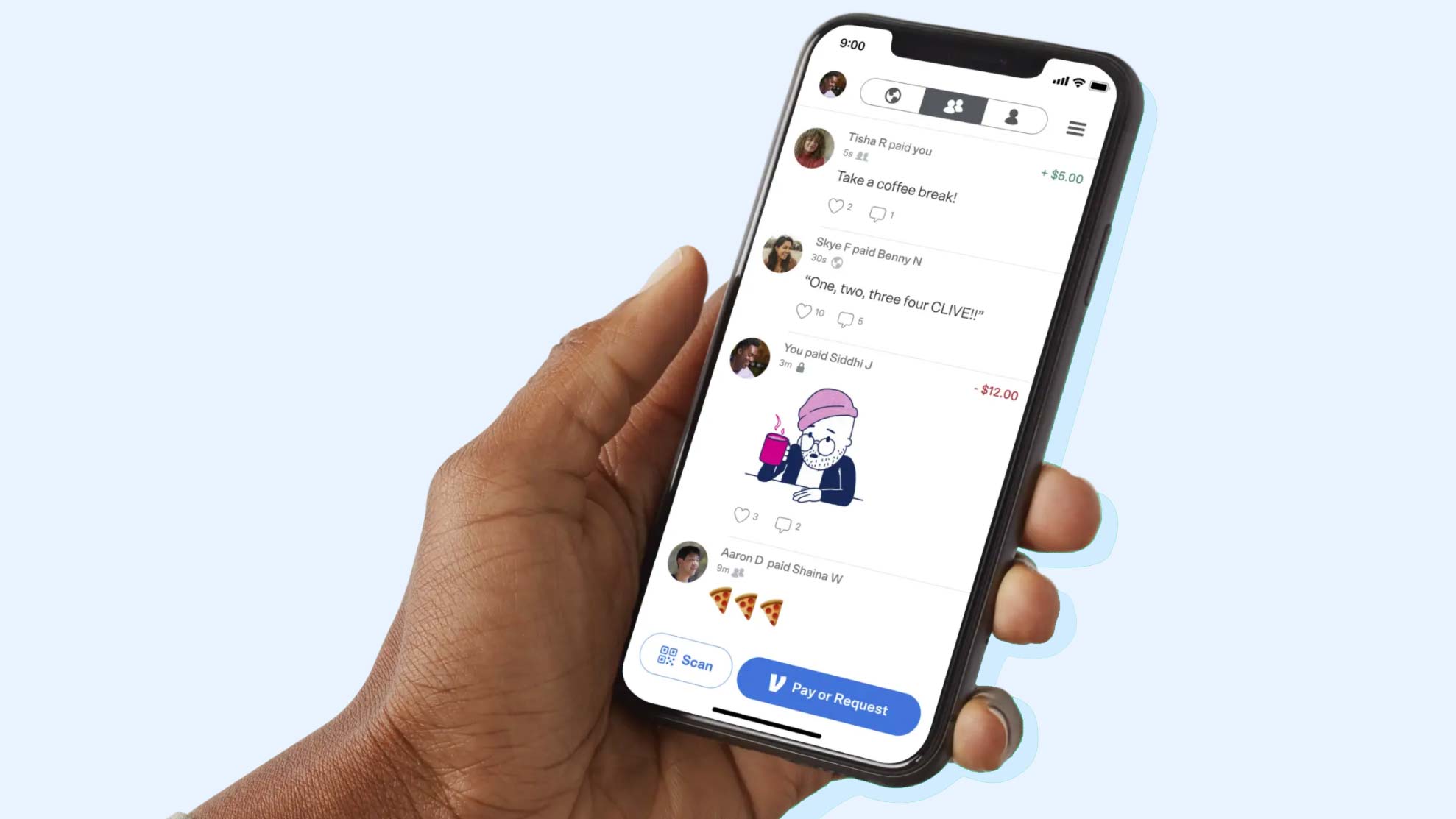
- Balance Management: Venmo allows users to keep a balance within the app. Understanding how this balance interacts with linked bank accounts and debit cards is important for cash flow management. Users should know how to transfer funds to and from their bank accounts efficiently to avoid keeping large sums in a P2P app, which typically doesn’t offer interest or the same FDIC insurance protections as traditional bank accounts (though Venmo does partner with FDIC-insured banks for held balances, users should understand the specifics).
- Transaction History and Budgeting: Reviewing transaction history is a fundamental budgeting practice. Venmo provides a clear record of money coming in and going out, which can be invaluable for tracking spending and adhering to a budget.
- Security Settings and Privacy: Understanding how to manage privacy settings (public vs. private transactions), enable two-factor authentication, and recognize phishing attempts are critical for safeguarding personal finances.
- Venmo Debit/Credit Card: For eligible users, Venmo offers physical cards, linking directly to the app’s balance or bank accounts. Understanding the terms, fees, and security aspects of these cards is essential for responsible use.
- Fees: While basic P2P transfers from a bank account are free, instant transfers to a bank account, credit card payments, and certain business transactions incur fees. Being aware of these costs is part of informed financial decision-making.
Security Best Practices for Digital Payments
Using Venmo responsibly means prioritizing digital security. Young adults, often new to managing their own finances, should adopt these habits:
- Strong, Unique Passwords: Use complex passwords for your Venmo account and enable two-factor authentication (2FA) for an extra layer of security.
- Monitor Account Activity: Regularly check your Venmo transaction history for any unauthorized activity.
- Be Wary of Scams: Be cautious of requests for money from unfamiliar sources, unexpected “prizes,” or suspicious links. Venmo is a tool for sending money to people you know and trust.
- Link Secure Accounts: Link Venmo to a secure bank account or a debit card, rather than a credit card (which can incur cash advance fees), unless you understand the implications.
- Keep Software Updated: Ensure your phone’s operating system and the Venmo app are always updated to the latest versions to benefit from the newest security patches.
Developing Sound Financial Habits
The experience of using Venmo as an adult can be a stepping stone to broader financial literacy. It provides practical exposure to digital transactions, budgeting, and the importance of security. By starting with responsible use of P2P apps, young adults can build a foundation for managing bank accounts, credit, investments, and overall financial well-being. This includes understanding the implications of debt, saving for future goals, and making informed financial decisions. Venmo is not just a convenient app; it’s an introduction to the responsibilities and opportunities of managing money in the modern economy.
In conclusion, while Venmo offers unparalleled convenience for digital payments, the 18-year-old age requirement is a non-negotiable threshold dictated by legal, regulatory, and financial responsibility considerations. For those under 18, safe and compliant alternatives exist that involve parental supervision or dedicated youth financial products. For eligible adults, using Venmo responsibly means not only understanding its features but also embracing best practices for digital security and integrating it into a broader framework of sound personal financial management.
aViewFromTheCave is a participant in the Amazon Services LLC Associates Program, an affiliate advertising program designed to provide a means for sites to earn advertising fees by advertising and linking to Amazon.com. Amazon, the Amazon logo, AmazonSupply, and the AmazonSupply logo are trademarks of Amazon.com, Inc. or its affiliates. As an Amazon Associate we earn affiliate commissions from qualifying purchases.