
For the modern traveler and the financially conscious consumer, the fluctuations of airfare can feel like a high-stakes game of chance. One moment, a cross-continental flight is priced at a manageable $300; three hours later, the same seat is listed at $550. This volatility is not accidental, nor is it a glitch in the system. It is the result of one of the most sophisticated financial ecosystems in the global economy. Understanding how often airfare prices change—and the economic drivers behind those changes—is essential for anyone looking to optimize their personal finance and protect their travel budget from unnecessary depletion.
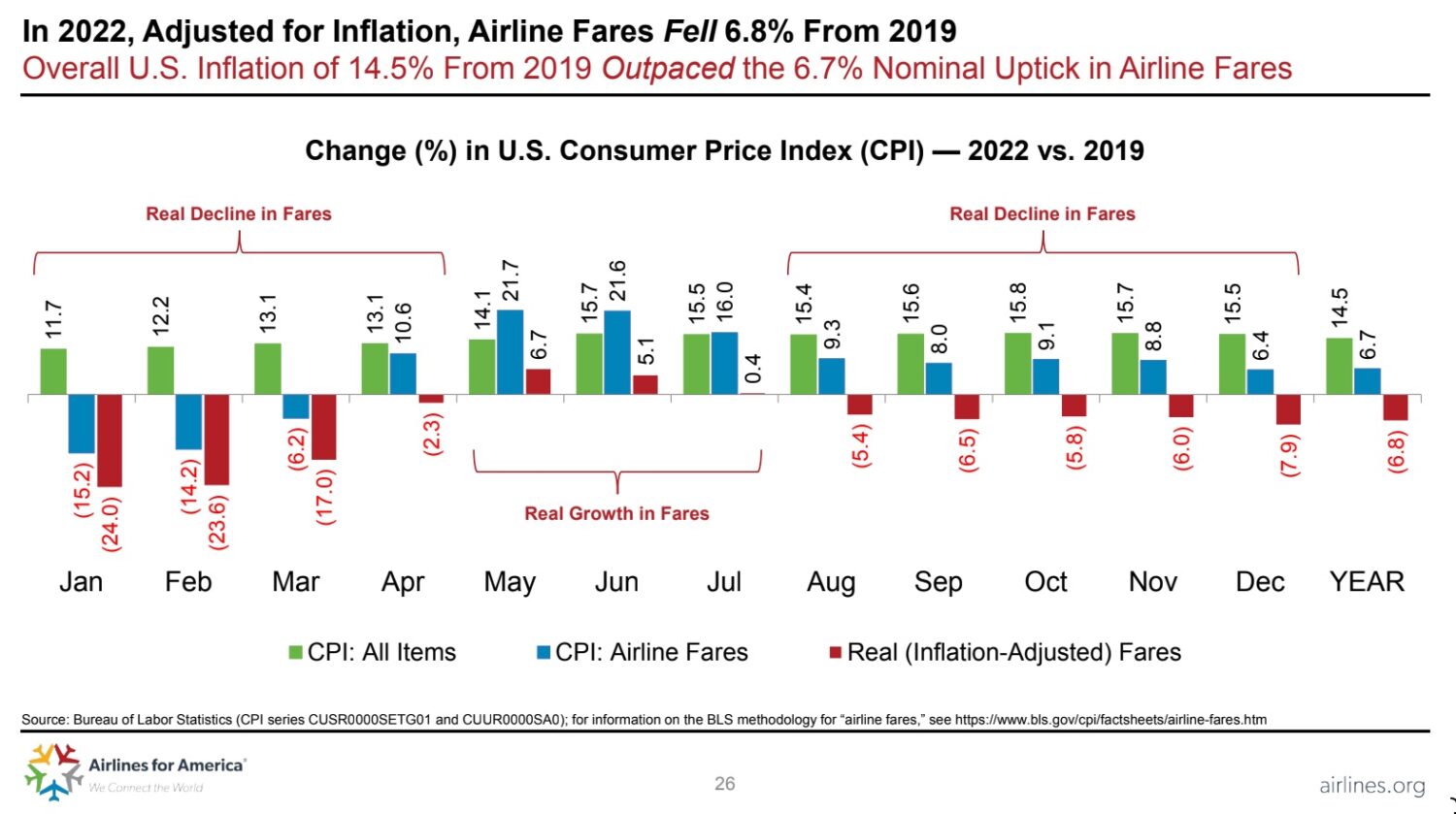
In the realm of personal finance, travel often represents one of the most significant discretionary expenses. Unlike fixed costs like rent or insurance, airfare is a fluid commodity. To master your travel spending, you must look past the interface of booking sites and understand the underlying yield management strategies that dictate price shifts.
The Financial Architecture of Dynamic Pricing
At the heart of airfare volatility is a concept known as “dynamic pricing” or “yield management.” This is a variable pricing strategy based on anticipating and influencing consumer behavior to maximize revenue. For airlines, the primary goal is not necessarily to fill every seat, but to ensure that every seat is sold at the highest possible price the market will bear at that specific moment.
The Mechanism of Fare Buckets
A common misconception is that an airplane has three or four prices: First Class, Business, Premium Economy, and Coach. In reality, airlines divide a single cabin into a dozen or more “fare buckets” or “booking classes.” Each bucket is assigned a specific price point and a set of restrictions.
As a flight opens for booking, usually 330 days in advance, the airline’s revenue management software monitors the rate at which these buckets are filled. If the cheapest seats sell faster than historical data suggests they should, the software automatically closes that bucket, forcing the next customer to pay the price of the higher bucket. This can happen multiple times a day, meaning the “price” hasn’t just changed; the inventory at a lower price point has simply been exhausted.
Algorithmic Intervention and Real-Time Adjustments
While historical data sets the baseline, modern airline algorithms are capable of making adjustments in real-time. These systems monitor competitor pricing, weather patterns, local events at the destination, and even global fuel price fluctuations. In a high-demand corridor, such as New York to London, prices can theoretically update every few minutes. However, for most domestic and mid-range international flights, significant price pivots typically occur one to three times per day.
Quantifying Frequency: How Often Do Prices Truly Pivot?
Data gathered from major flight aggregators suggests that the price of a specific flight itinerary will change an average of 70 to 100 times between the moment it is listed and the moment the plane takes off. This averages out to a price change approximately every 4.5 days, though the frequency increases exponentially as the departure date approaches.
The Proximity Factor
In the “Money” niche, we often discuss the importance of timing in investments. Airfare is no different. During the early booking window (6 to 11 months out), price changes are relatively infrequent and are often driven by seasonal adjustments. However, once a flight enters the “prime booking window”—typically 21 to 115 days before departure—the frequency of price changes accelerates. During this period, the airline’s financial software is aggressively seeking the “sweet spot” where demand meets maximum profit. In the final three weeks before a flight, prices may fluctuate multiple times in a single afternoon as the airline shifts its focus from filling seats to capitalizng on last-minute business travelers who have inelastic demand.
The Impact of Route Competition
The frequency of price changes is also a function of market competition. On routes served by only one carrier, prices tend to be more stable (and higher). Conversely, on “price-war” routes where legacy carriers compete with low-cost carriers, price adjustments are much more frequent. In these scenarios, airlines utilize “price matching” software that triggers a downward adjustment the moment a competitor lowers their fare. This creates a high-frequency trading environment similar to what one might see on a stock exchange.
Strategic Budgeting: When to Buy to Maximize Value
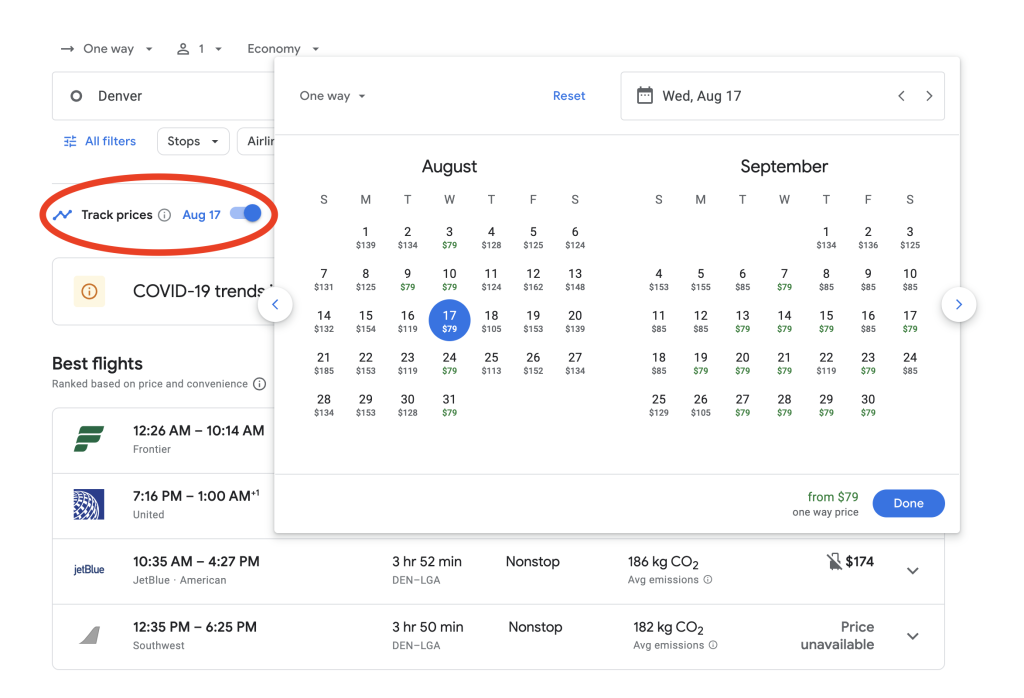
From a personal finance perspective, the goal is to minimize the “cost of acquisition” for travel. To do this, one must move away from myths and focus on data-driven booking strategies. The old adage that “Tuesday at midnight is the cheapest time to buy” has largely been debunked by the shift toward 24/7 algorithmic pricing. However, there are still predictable patterns that can save a savvy spender hundreds of dollars.
The Sweet Spot for Domestic and International Travel
Financial analysts specializing in travel data generally recommend the following windows for securing the best value:
-
Domestic Flights: 1 to 3 months in advance.
-
International Flights: 2 to 8 months in advance.
-
Holiday Travel: 6 months or more in advance.
Booking too early can be just as financially detrimental as booking too late. If you book 11 months out, you are often paying a “protection premium” because the airline has not yet released its discounted fare buckets. They are essentially betting that you are willing to pay more for the peace of mind of having a confirmed seat a year in advance.
Day of the Week: Purchase vs. Departure
While the day you purchase the ticket is becoming less relevant due to constant algorithmic updates, the day you fly remains a critical financial variable. Mid-week departures (Tuesday and Wednesday) are consistently cheaper than weekend travel. By structuring your trip to avoid peak business travel days (Monday and Friday) and peak leisure days (Sunday), you can often reduce your total transportation cost by 20% to 40%.
Leveraging Financial Tools and Fintech to Hedge Travel Costs
In the intersection of technology and personal finance, several tools have emerged to help consumers manage the volatility of airfare prices. Using these tools effectively can be the difference between a trip that fits within your budget and one that causes financial strain.
Price Prediction and Tracking Software
Apps like Google Flights, Hopper, and Kayak use “big data” to predict whether a current price is likely to rise or fall. These tools offer “Price Alerts” that notify you the moment a price drops, allowing you to act quickly before the cheapest fare bucket is depleted. From a budget management perspective, using these trackers allows you to set a “strike price”—a price you are comfortable paying based on your financial plan—and ignore the noise of daily fluctuations until that price is hit.
Credit Card Strategy and Price Protection
Many high-end travel credit cards offer “Price Protection” or “Trip Cancellation/Delay Insurance,” but the most valuable financial tool they offer is the ability to earn and redeem points. In an era of high price volatility, fixed-value points or “miles” act as a hedge against inflation. If a flight’s cash price spikes from $400 to $800, but the points requirement remains at 30,000 miles, the value of your points has effectively doubled. Integrating a robust rewards strategy into your personal finance routine provides a buffer against the unpredictability of airline pricing.
The Macroeconomics of Airfare: Why Prices Never Stay Static
Beyond the internal algorithms of an airline, external economic factors play a massive role in how often and how drastically prices change. As a student of business finance, it is important to recognize that an airline ticket is essentially a derivative of several underlying costs.
Fuel Costs and Currency Fluctuations
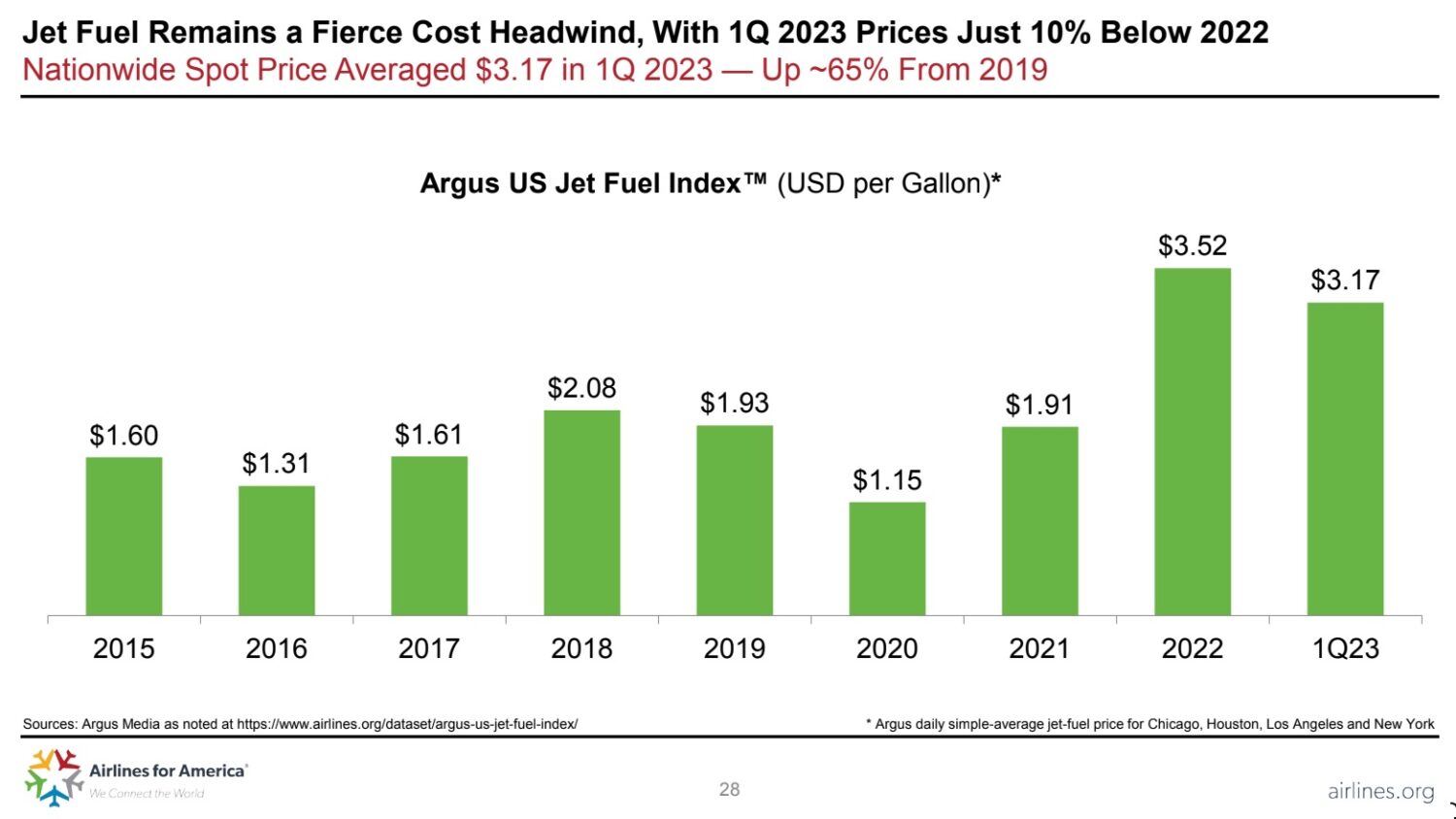
Fuel is typically the largest variable expense for an airline. When global oil prices surge, airlines often implement “fuel surcharges” or across-the-board price hikes within 24 to 48 hours. Similarly, for international travel, currency fluctuations can change the price of a ticket overnight. If the US Dollar strengthens against the Euro, a flight to Paris may become cheaper for an American traveler, even if the airline hasn’t changed its base fare in Euros.
Labor and Capacity Constraints
The aviation industry is currently facing significant labor shortages and aircraft delivery delays. When an airline realizes it must cut its capacity (fewer flights) due to staffing issues, the remaining seats become more valuable. This leads to a “step-up” in the base price across all fare buckets. These are not the daily micro-fluctuations caused by a few seats being sold, but rather structural price shifts that reflect the broader economic reality of the industry.
By understanding that airfare prices are in a state of constant flux—driven by yield management, market competition, and macroeconomic trends—you can approach travel as a calculated financial decision rather than a gamble. Monitoring the market, utilizing fintech tools to track trends, and booking within the data-backed “sweet spots” are the hallmarks of a sophisticated approach to personal finance in the travel sector. While you cannot control when an airline changes its prices, you can certainly control your strategy for responding to those changes.
aViewFromTheCave is a participant in the Amazon Services LLC Associates Program, an affiliate advertising program designed to provide a means for sites to earn advertising fees by advertising and linking to Amazon.com. Amazon, the Amazon logo, AmazonSupply, and the AmazonSupply logo are trademarks of Amazon.com, Inc. or its affiliates. As an Amazon Associate we earn affiliate commissions from qualifying purchases.