
The question “how much would my payment be?” is more than just a simple query; it’s the gateway to understanding a significant portion of your financial health. Whether you’re contemplating a new mortgage, an auto loan, consolidating debt, or planning for a major purchase, calculating your potential monthly payments is a fundamental step in responsible financial planning. This article delves into the intricate world of payment calculations, demystifying the factors that influence them, providing tools for accurate estimation, and offering strategic insights to manage your financial commitments effectively. Understanding these mechanics empowers you to make informed decisions, avoid financial strain, and build a more secure future.
The Core Elements Determining Your Payment
Every financial payment, regardless of its purpose, is a sum derived from a combination of critical variables. Grasping these foundational elements is essential before you can accurately answer “how much would my payment be?” Ignoring any one of these can lead to significant miscalculations and potential financial stress down the line.
Principal Amount: The Foundation of Your Debt
The principal amount is the initial sum of money you borrow or the total cost of the item you are financing. It is the bedrock upon which all other calculations are built. For instance, if you take out a $300,000 mortgage, $300,000 is your principal. If you finance a car for $25,000, that’s your principal. A larger principal inherently leads to larger payments, assuming all other factors remain constant. However, strategic use of down payments can significantly reduce your principal, thereby lowering your ongoing monthly obligations. A substantial down payment on a home or car not only decreases the amount you need to borrow but can also make you a more attractive borrower, potentially leading to better interest rates. Conversely, rolling closing costs or other fees into the principal amount will increase your starting debt, leading to higher payments and greater interest paid over the life of the loan. Always aim to keep your principal as low as comfortably possible.
Interest Rate: The Cost of Borrowing
The interest rate is arguably the most impactful variable after the principal itself. It represents the cost you pay to borrow money, expressed as a percentage of the principal. A higher interest rate means a higher monthly payment and a significantly larger total amount paid over the life of the loan. Interest rates can be fixed, meaning they remain constant throughout the loan term, or variable, meaning they can fluctuate based on market conditions. Variable rates often start lower but carry the risk of increasing, leading to unpredictable payment jumps. Understanding whether an interest rate is Annual Percentage Rate (APR) or just the nominal rate is also crucial. APR includes not only the interest rate but also other fees and costs associated with the loan, providing a more comprehensive picture of the true cost of borrowing. Even a seemingly small difference of 0.5% or 1% in the interest rate can translate into thousands of dollars over the life of a long-term loan like a mortgage, underscoring the importance of shopping around for the best available rates.
Loan Term: Time’s Impact on Monthly Outgoings
The loan term refers to the duration over which you agree to repay the borrowed money. Common terms include 30 years for mortgages, 5-7 years for auto loans, and various durations for personal loans. The relationship between loan term and monthly payment is inverse: a longer loan term generally results in lower monthly payments, but you will end up paying significantly more in total interest over the life of the loan. Conversely, a shorter loan term means higher monthly payments, but you pay less interest overall and become debt-free sooner. For example, a 15-year mortgage will have substantially higher monthly payments than a 30-year mortgage for the same principal and interest rate, but the total interest paid will be considerably less. Selecting the appropriate loan term requires balancing your current budget constraints with your long-term financial goals. It’s a delicate act of managing affordability today versus minimizing total cost over time.
Additional Costs: Beyond Principal and Interest
While principal and interest form the bulk of most payments, several other costs can significantly impact your total monthly outlay, particularly for large assets like real estate. For mortgages, these often include Property Taxes, Homeowner’s Insurance, and Mortgage Insurance (if your down payment is less than 20%). These “PITI” (Principal, Interest, Taxes, Insurance) components together form your total mortgage payment. For auto loans, you might encounter fees for titling, registration, and potentially extended warranties rolled into the financing. Personal loans or lines of credit might have origination fees or annual fees. It’s crucial to account for all these additional costs when calculating your true monthly payment to avoid any unpleasant surprises and ensure your budget accurately reflects your commitments. Overlooking these can lead to budgeting shortfalls and strain your financial resources.
Calculating Common Payment Types
Once you understand the core components, applying them to specific types of financial products allows for more accurate payment estimation. Each loan type has nuances that influence its payment structure.
Demystifying Mortgage Payments (PITI and Beyond)
Mortgage payments are often the largest monthly expense for homeowners. As mentioned, they typically comprise PITI: Principal, Interest, Property Taxes, and Homeowner’s Insurance.
- Principal and Interest (P&I): This portion is calculated using an amortization formula, distributing the loan principal and interest over the entire loan term. In the early years, a larger portion goes towards interest, gradually shifting to more principal as the loan matures.
- Property Taxes: These are levied by local governments and are often escrowed by the lender, meaning a portion of your monthly payment goes into an account the lender uses to pay your tax bill when it’s due. Tax rates can vary significantly by location and property value.
- Homeowner’s Insurance: Protects your home against damage, theft, and liability. Like taxes, it’s often escrowed. Premiums depend on factors like your home’s value, location, and chosen coverage.
- Mortgage Insurance (PMI/MIP): If you make a down payment of less than 20% on a conventional loan, lenders require Private Mortgage Insurance (PMI) to protect them in case you default. FHA loans require Mortgage Insurance Premium (MIP) regardless of down payment size. These costs can add a significant amount to your monthly payment, though PMI can eventually be cancelled once you reach sufficient equity.
When calculating your mortgage payment, it’s vital to get accurate estimates for all PITI components based on the specific property and loan terms you are considering. Online mortgage calculators are invaluable tools for this purpose.
Auto Loan Calculations: Driving Your Financial Future
Auto loan payments are generally simpler than mortgages, primarily consisting of principal and interest. The calculation uses a standard amortization formula, similar to P&I for a mortgage, but over a much shorter term (typically 3-7 years).
- Principal: The price of the car minus any down payment or trade-in value.
- Interest Rate: Often influenced by your credit score, market rates, and the loan term.
- Loan Term: Shorter terms mean higher monthly payments but less total interest.
Additional costs like sales tax, registration fees, and sometimes even extended warranties can be rolled into the loan principal, increasing the total amount financed and thus the monthly payment. It’s crucial to understand what’s included in your loan agreement. While higher monthly payments for a shorter term might seem daunting, they often save you a substantial amount of interest over the life of the loan. Be wary of excessively long auto loan terms (e.g., 72 or 84 months) as they can lead to negative equity (owing more than the car is worth) and significantly increase the total cost of ownership.
Personal and Student Loans: Tailoring Payments to Your Goals
Personal loans are typically unsecured (not backed by collateral) and have fixed terms and interest rates. They are often used for debt consolidation, home improvements, or unexpected expenses. Student loans can be federal or private, with varying interest rates, repayment plans, and deferment/forbearance options.
- Personal Loans: Calculated similarly to auto loans, with fixed principal, interest rate, and term. Because they are unsecured, interest rates can be higher than secured loans like mortgages or auto loans, especially for borrowers with lower credit scores.
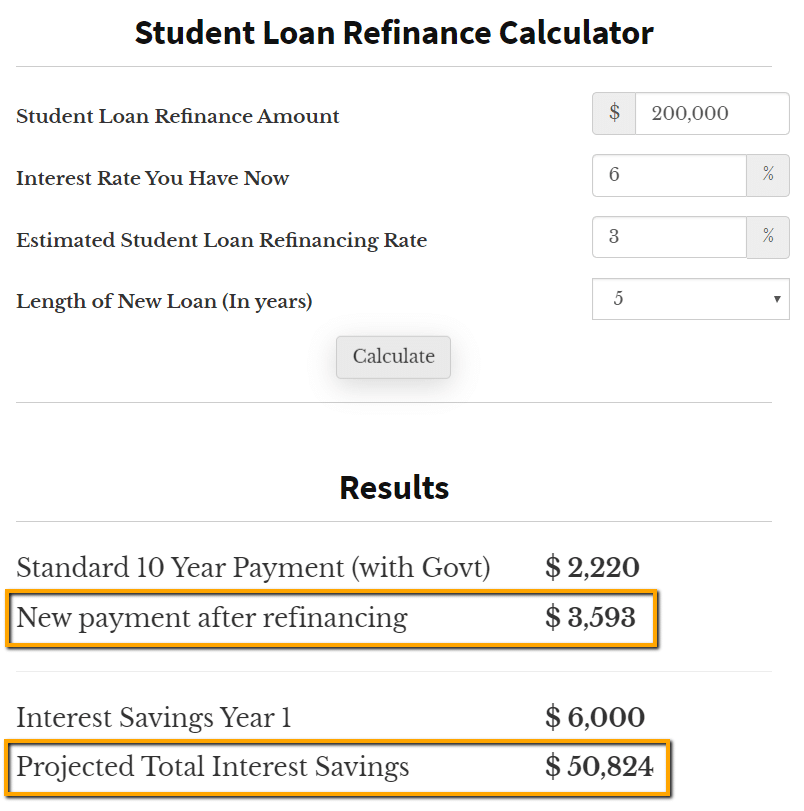
- Student Loans: These are unique due to various repayment options (standard, graduated, income-driven repayment plans). Federal student loans offer more flexibility and protections. Income-driven plans, for example, adjust your monthly payment based on your income and family size, which can result in a very different “payment” than a standard amortization. It’s essential to understand the specific terms of your student loans and explore all available repayment plans to find one that fits your financial situation, especially post-graduation.
Credit Card Minimums: A Trap to Avoid
Credit card payments operate differently from installment loans. Instead of a fixed monthly payment to amortize a principal, credit cards offer a revolving line of credit. Your monthly payment is determined by your balance, interest rate, and the issuer’s minimum payment calculation (typically a small percentage of your outstanding balance, often 1-3%, plus interest and any fees, or a fixed small amount like $25, whichever is greater).
- The Danger: Paying only the minimum on a credit card is a financial trap. Because minimum payments are so low, a vast majority of your payment goes towards interest, and very little towards the principal. This can lead to decades of payments for relatively small balances and an exorbitant total cost. For example, a $5,000 balance at 18% APR could take over 15 years to pay off, costing you more than double the original principal, if only minimum payments are made.
- Recommendation: Always aim to pay off your credit card balance in full each month to avoid interest charges. If that’s not possible, pay as much as you can above the minimum to reduce the principal faster and minimize interest accumulation. Credit card interest rates are often among the highest forms of debt, making them particularly costly.
Practical Tools and Strategies for Payment Calculation

Calculating “how much would my payment be” doesn’t require advanced mathematics skills anymore. A plethora of tools and professional advice can simplify the process and provide accurate estimates.
Leveraging Online Calculators and Spreadsheets
For most common loan types, readily available online calculators are your best friend. Websites of lenders, financial news outlets, and independent financial planning sites offer tools where you input the principal, interest rate, and term, and it instantly provides an estimated monthly payment. Many also show amortization schedules, illustrating how much of each payment goes to principal and interest over time.
- Loan Calculators: Specific calculators for mortgages, auto loans, and personal loans are widespread. They allow for quick “what-if” scenarios, enabling you to see how changing the interest rate or loan term affects your payment.
- Spreadsheets: For those who prefer a hands-on approach or need to integrate payment calculations into a broader budget, spreadsheet software (like Excel or Google Sheets) offers powerful functions (e.g., PMT function) to calculate payments. This allows for greater customization and integration with other financial data.
The Value of a Financial Advisor
While online tools provide numbers, a qualified financial advisor offers invaluable context and personalized guidance. They can help you:
- Understand the broader impact: How a new payment fits into your overall financial plan, retirement goals, and risk tolerance.
- Navigate complex scenarios: Such as debt consolidation, refinancing decisions, or understanding the fine print of various loan products.
- Optimize your financial strategy: An advisor can help you determine the optimal loan term, identify ways to lower interest rates, and explore alternatives to traditional loans. They can also provide insights into how different payment scenarios affect your long-term wealth accumulation.
Understanding Amortization Schedules
An amortization schedule is a table detailing each periodic loan payment, showing how much of the payment is applied to the interest versus the principal balance. It also shows the remaining balance after each payment.
- Early Payments: In the beginning of a loan (especially mortgages), a significant portion of each payment goes towards interest.
- Later Payments: As the loan progresses, more of each payment goes towards reducing the principal balance.
Understanding this schedule helps you visualize the true cost of your loan and can motivate you to make extra principal payments, which dramatically reduce the total interest paid and shorten the loan term. Even small additional payments early on can have a profound impact.
Beyond the Number: The Broader Financial Impact of Payments
Knowing the numerical value of “how much would my payment be” is merely the first step. The true financial intelligence lies in understanding how these payments integrate into your broader financial landscape and what strategies you can employ to optimize their impact.
Budgeting for Payments: Integrating Debt into Your Financial Plan
Payments, particularly for long-term debt like mortgages or auto loans, become fixed expenses in your budget. It’s crucial to integrate them accurately and realistically.
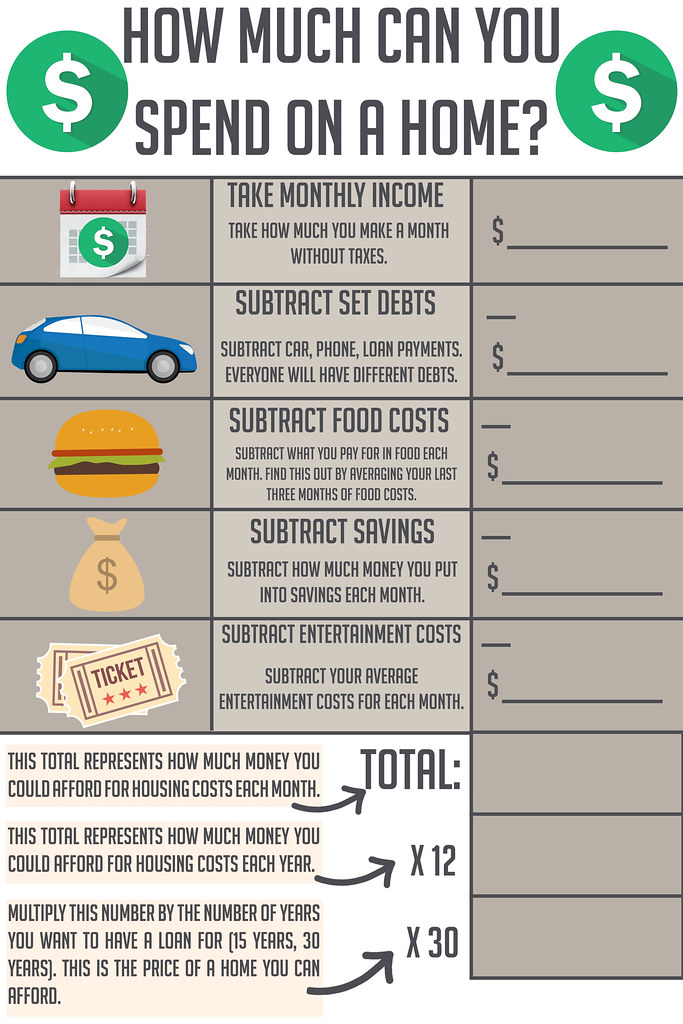
- The 28/36 Rule (for Mortgages): A common guideline suggests that your total housing payment (PITI) shouldn’t exceed 28% of your gross monthly income, and your total debt payments (including housing, auto, credit cards, student loans) shouldn’t exceed 36% of your gross monthly income. While these are guidelines, they offer a good starting point for assessing affordability.
- Cash Flow Management: Ensure that after all fixed payments, you still have sufficient disposable income for variable expenses, savings, and emergencies. Overburdening your budget with high fixed payments leaves little room for flexibility and can lead to financial fragility. Create a detailed monthly budget that accounts for all income and expenses, allowing you to see exactly where your money is going and whether your proposed payments are sustainable.
Strategies to Reduce Your Monthly Payments
If a calculated payment seems too high, there are several strategies to potentially reduce it, each with its own trade-offs:
- Increasing Your Down Payment: The most straightforward way to reduce future payments is to lower the principal you borrow from the outset.
- Extending the Loan Term: While it reduces monthly payments, remember this strategy significantly increases the total interest paid over the life of the loan. It’s a trade-off between current affordability and long-term cost.
- Refinancing: If interest rates have fallen or your credit score has improved, refinancing an existing loan can secure a lower interest rate, thereby reducing your monthly payment. Be mindful of closing costs and fees associated with refinancing, ensuring they don’t negate the savings.
- Debt Consolidation: Combining multiple high-interest debts (like credit cards) into a single loan with a lower interest rate can reduce your overall monthly payment and simplify your finances. However, if not managed carefully, this can sometimes extend the repayment period, or worse, lead to accumulating new debt on the old accounts.
The Long-Term Cost of Debt: Why Lower Payments Aren’t Always Better
While lower monthly payments might seem attractive in the short term, they often come at a significant long-term cost due to extended loan terms and more interest paid.
- Total Interest Paid: A longer loan term, even with a slightly lower interest rate, almost always results in paying substantially more in total interest. This directly impacts your ability to save, invest, and build wealth.
- Opportunity Cost: Every dollar spent on interest is a dollar that couldn’t be saved for retirement, invested for growth, or used for other financial goals. Understanding this opportunity cost is crucial for making financially sound decisions. Prioritize paying down high-interest debt aggressively to free up capital for more productive uses.
Making Informed Decisions About Your Payments
The ultimate goal of understanding “how much would my payment be” is to empower you to make intelligent financial choices that align with your personal and financial objectives. This involves more than just crunching numbers; it requires a holistic perspective.
Comparing Loan Offers: A Holistic Approach
When presented with multiple loan offers, look beyond just the monthly payment.
- APR vs. Interest Rate: Always compare loans using the Annual Percentage Rate (APR), as it includes the interest rate plus certain fees, giving you the true cost of borrowing.
- Fees and Charges: Scrutinize all associated fees, such as origination fees, closing costs, and prepayment penalties. These can significantly impact the overall cost.
- Terms and Conditions: Understand the fine print. Are there variable rates that could increase? What are the penalties for late payments? What collateral is required? A seemingly lower payment might come with unfavorable terms that could cost you more in the long run.
The Danger of Over-Extending: Debt-to-Income Ratios
Lenders often use Debt-to-Income (DTI) ratios to assess your ability to repay a loan. There are two main types:
- Front-End DTI (Housing Ratio): Compares your total housing payment (PITI) to your gross monthly income.
- Back-End DTI (Total Debt Ratio): Compares all your monthly debt payments (housing, auto, credit cards, student loans, etc.) to your gross monthly income.
Most lenders prefer a back-end DTI of 36% or lower, though some might go up to 43% or even higher for certain loan programs. Understanding your DTI is crucial for evaluating how much additional debt you can realistically take on without jeopardizing your financial stability. Pushing your DTI too high creates financial fragility, leaving little room for unexpected expenses or economic downturns.
Proactive Payment Management for Financial Health
Beyond initial calculation, effective payment management is an ongoing process:
- Automate Payments: Set up automatic payments to avoid late fees and missed payments, which can damage your credit score.
- Review Regularly: Periodically review your loans and payments. Is there an opportunity to refinance for a lower rate? Can you afford to make extra principal payments?
- Build an Emergency Fund: A robust emergency fund provides a buffer in case of job loss or unexpected expenses, preventing you from defaulting on payments or taking on new high-interest debt.
- Prioritize High-Interest Debt: If you have multiple debts, prioritize paying off those with the highest interest rates first (the “debt snowball” or “debt avalanche” methods) to minimize total interest paid and accelerate debt freedom.
In conclusion, “how much would my payment be?” is a question that requires a multi-faceted answer, integrating principal, interest, term, and additional costs with your personal financial situation and long-term goals. By understanding these components, leveraging available tools, seeking professional advice, and adopting proactive management strategies, you can transform this fundamental query into a powerful tool for informed decision-making and robust financial health.
aViewFromTheCave is a participant in the Amazon Services LLC Associates Program, an affiliate advertising program designed to provide a means for sites to earn advertising fees by advertising and linking to Amazon.com. Amazon, the Amazon logo, AmazonSupply, and the AmazonSupply logo are trademarks of Amazon.com, Inc. or its affiliates. As an Amazon Associate we earn affiliate commissions from qualifying purchases.