
The question “how much would a plane ticket cost?” seems simple, yet its answer is anything but straightforward. Unlike a fixed-price commodity, airfare is a remarkably fluid entity, a dynamic sum influenced by an intricate web of factors ranging from macroeconomic forces to the precise moment you click “book.” For anyone planning a trip, understanding these variables is not just an academic exercise; it’s a critical component of personal finance and smart budgeting. This article delves into the financial intricacies of air travel, providing a comprehensive guide to what drives ticket prices and, crucially, how you can navigate this complex market to optimize your travel spending. Within the realm of personal finance, air travel often represents one of the largest discretionary expenses, making an informed approach essential for maximizing your travel budget and minimizing unnecessary costs.

Decoding the Dynamics of Airfare Pricing
At its core, airfare pricing is a sophisticated algorithm designed to optimize revenue for airlines, balancing demand, capacity, and operational costs. It’s a real-time financial market where prices can fluctuate by the hour, or even minute, based on a multitude of variables. Understanding these underlying financial mechanics is the first step toward becoming a savvy traveler.
The Core Components of a Ticket Price
Every plane ticket you purchase is a composite of several distinct financial elements. The most apparent is the base fare, which is the airline’s core charge for transporting you from point A to point B. This is the variable component that fluctuates most dramatically. Beyond the base fare, however, a significant portion of your ticket price is comprised of taxes and fees. These can include government-imposed taxes (like passenger service fees, security fees, or international departure/arrival taxes), airport charges, and airline-imposed surcharges (such as fuel surcharges, booking fees, or even carrier-imposed international surcharges). These fixed or semi-fixed costs can add a substantial percentage to the base fare, sometimes making a seemingly cheap base fare less attractive once all added up. Savvy travelers always look at the all-inclusive price.
Supply and Demand: A Real-Time Calculus
The fundamental economic principles of supply and demand heavily dictate airfare. When demand for a particular route or date is high, and the supply of available seats is limited, prices naturally surge. Conversely, during periods of low demand or when airlines have excess capacity, prices tend to drop. This dynamic is profoundly affected by seasonality, with peak travel periods (e.g., summer holidays, Christmas, spring break) seeing significant price hikes due to concentrated demand. Similarly, major events, festivals, or even local school holidays can create spikes in demand on specific routes. Airlines also employ sophisticated yield management systems that continuously monitor bookings and adjust prices in real-time, sometimes selling the same seat at dozens of different prices over the course of its availability. This algorithmic approach ensures maximum revenue extraction from every flight.
Airline Business Models and Competition
The type of airline you choose also plays a crucial role in pricing. Full-service carriers typically offer a more inclusive fare that might cover checked bags, in-flight meals, and seat selection, often commanding a higher base price. Budget or low-cost carriers, on the other hand, often advertise extremely low base fares but then charge separately for nearly every amenity, from carry-on bags and seat assignments to beverages and priority boarding. Understanding this distinction is key to comparing “apples to apples” when evaluating overall travel costs. Furthermore, the level of competition on a specific route is a major determinant. A route served by multiple airlines often experiences more competitive pricing, as carriers vie for market share. Conversely, monopolized routes or those with limited competition can see significantly higher fares due to the lack of pricing pressure.
Key Factors Influencing Your Ticket Price
Beyond the foundational economic principles, several practical factors directly impact the price you’ll pay for a plane ticket. By strategically manipulating these variables, travelers can exert a degree of financial control over their air travel expenses.
Destination and Departure Point
The distance and popularity of your destination and departure point are primary cost drivers. Longer flights generally cost more due to increased fuel consumption and operational expenses. Highly popular or premium destinations, especially those with limited direct flight options, often command higher prices. Conversely, less popular routes or those to secondary airports might offer cheaper alternatives. The choice between a direct flight and a connecting flight also significantly affects price. Direct flights are almost always more expensive due to their convenience and reduced travel time, while flights with one or more layovers can be considerably cheaper, balancing the financial savings against the added travel duration and potential for delays.
Time of Booking and Travel Season
Perhaps the most impactful factor under a traveler’s control is when you book your ticket relative to your departure date. There’s a widely discussed “sweet spot” for booking, which typically falls within a certain window before departure – usually 2-3 months for domestic flights and 3-6 months for international trips. Booking too early can sometimes be expensive because airlines haven’t yet fine-tuned their pricing, while booking too late (last-minute) almost always results in exorbitant prices as airlines cater to business travelers or those with urgent needs. The travel season is equally critical. Flying during peak seasons (e.g., major holidays, school breaks, summer vacations) will invariably be more expensive than during off-peak or shoulder seasons. Flexibility with travel dates, even by a few days, can lead to substantial financial savings.
Day of the Week and Time of Day
Even the specific day of the week and time of day you choose to fly can influence the ticket price. Mid-week flights, particularly on Tuesdays, Wednesdays, and sometimes Thursdays, tend to be cheaper than weekend flights (Friday through Monday), as fewer business travelers and leisure passengers fly during these times. Similarly, flying at less convenient times, such as very early morning “red-eye” flights or late-night departures, often comes with a lower price tag. Airlines price these flights lower to fill seats that would otherwise go empty, capitalizing on travelers willing to sacrifice comfort for financial savings.
Flexibility and Layovers
Your flexibility is a powerful financial tool when searching for airfare. Travelers who can adjust their departure and return dates by even a day or two, or who are open to flying into or out of alternative, smaller airports near their desired destination, often uncover significantly cheaper options. Embracing layovers is another key strategy. While direct flights offer unparalleled convenience, they come at a premium. Flights with one or more connections are almost always less expensive, as they require more time and effort, but the financial trade-off can be substantial, especially for international travel.
Class of Service
The class of service is arguably the most straightforward determinant of ticket price. Economy class is the most affordable, offering basic seating and amenities. Premium economy provides more legroom, wider seats, and enhanced service, at a moderate price increase. Business class elevates the experience with lie-flat seats, gourmet meals, lounge access, and superior service, priced significantly higher than economy. First class represents the pinnacle of luxury air travel, with exclusive cabins, personalized service, and top-tier amenities, at a premium price point that can be many times that of an economy ticket on the same flight. Choosing your class of service is a direct reflection of your budget and desired travel experience.
Smart Strategies for Saving Money on Flights
Armed with an understanding of how airfare is priced, the next step is to implement smart financial strategies to secure the best possible deal. Saving money on flights isn’t just about luck; it’s about employing systematic approaches and leveraging available tools.
Leveraging Price Comparison Tools and Alerts
The digital age has revolutionized the way we search for flights, offering powerful price comparison tools that aggregate data from hundreds of airlines and online travel agencies (OTAs). Platforms like Google Flights, Skyscanner, Kayak, and Hopper allow you to compare prices across various providers, dates, and routes with ease. Crucially, many of these tools also offer price alert services. By setting up an alert for your desired route and dates, you’ll receive notifications when prices drop, enabling you to snap up a deal the moment it appears. This passive monitoring is a highly effective way to catch price fluctuations without constant manual searching.
The Sweet Spot for Booking
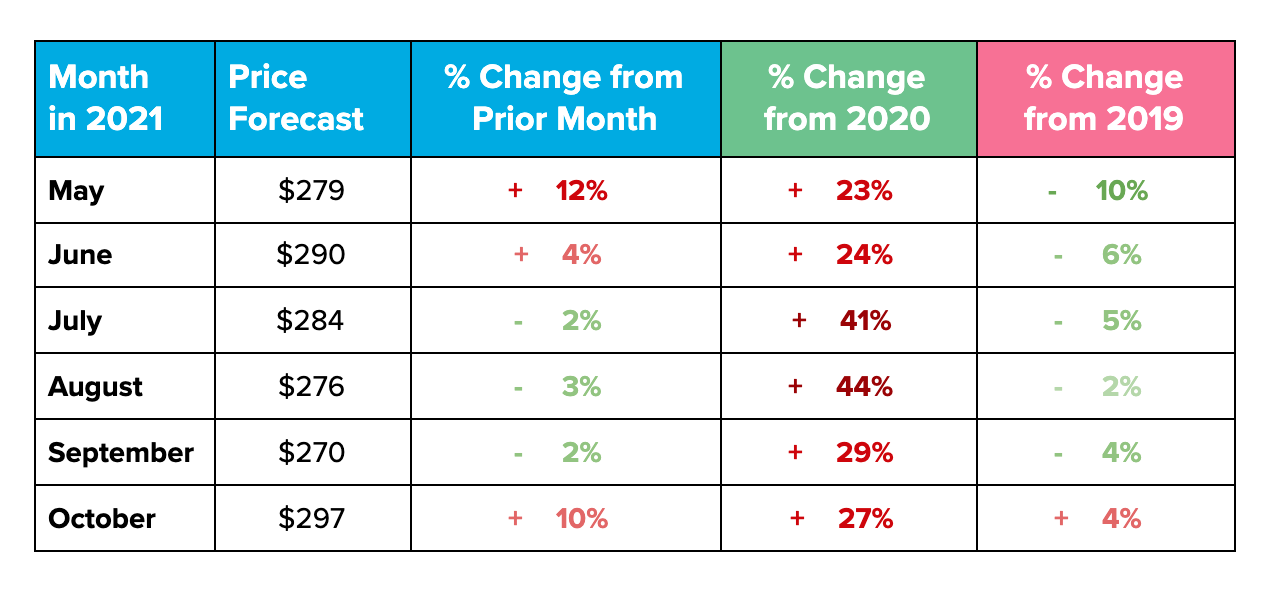
While the “perfect” time to book can vary, general guidelines exist. For domestic flights, aiming to book between 2 to 3 months in advance often yields the best prices. For international flights, this window extends to 3 to 5 months, or even up to 6 months for popular destinations or peak seasons. This period allows airlines to gauge demand and adjust pricing, often offering promotional fares before inventory starts to dwindle. Conversely, booking too early might mean missing out on sales, while booking too late almost guarantees higher prices due to limited availability and airlines targeting last-minute business travelers. Flexibility around these windows is key; sometimes a flash sale might occur outside the “sweet spot,” emphasizing the value of price alerts.
Exploring Alternative Airports and Routes
Don’t limit your search to just the most convenient airport. Many major cities are served by multiple airports, and flying into or out of a smaller, secondary airport can sometimes result in significant financial savings, even accounting for the additional ground transportation costs. For instance, flying into London Stansted or Luton instead of Heathrow or Gatwick might cut hundreds off an international fare. Similarly, consider connecting flights through less popular hubs. While requiring more travel time and a layover, these routes can often be substantially cheaper than direct flights or connections through major, expensive hubs. A little extra planning and patience can translate into considerable financial savings.
Utilizing Loyalty Programs and Credit Card Rewards
For frequent travelers, airline loyalty programs and travel credit card rewards can be game-changers in reducing flight costs. Earning miles or points through flying, co-branded credit card spending, or even specific promotions can lead to free flights, upgrades, or significant discounts. Many travel credit cards also offer valuable perks like annual travel credits, free checked bags, priority boarding, and lounge access, all of which contribute to reducing the overall financial burden of travel. Strategically accumulating and redeeming these rewards can turn expensive flights into affordable or even free journeys, representing a significant return on investment for your spending.
Consider Package Deals and Bundles
Sometimes, purchasing a flight as part of a package deal that includes accommodation or a car rental can be cheaper than booking each component separately. Online travel agencies (OTAs) often offer these bundles at a discount, leveraging their bulk purchasing power. While not always the case, it’s worth comparing the cost of a bundled package against the sum of individual bookings. This strategy can sometimes unlock hidden savings, particularly for popular tourist destinations where hotels and flights are frequently packaged.
Budgeting for Your Air Travel: Beyond the Ticket Price
A truly comprehensive financial plan for air travel extends beyond the initial ticket price. Overlooking the ancillary costs can quickly inflate your travel budget, leading to unexpected expenses. Smart money management involves accounting for the full spectrum of potential charges.
Hidden Costs and Fees
The advertised price of a plane ticket is rarely the final price. Travelers must budget for various hidden costs and fees. The most common include baggage fees, especially for checked luggage or even larger carry-on bags on budget airlines. Seat selection fees are increasingly prevalent, charging passengers for the privilege of choosing their seat rather than being assigned one randomly. In-flight purchases for snacks, drinks, or entertainment can add up quickly. Furthermore, be aware of change fees and cancellation fees, which can be substantial if your plans alter, making flexible tickets, though more expensive upfront, a potentially wise financial investment. Always read the fine print to understand all potential charges associated with your fare class.
Ground Transportation and Accommodation
Once you’ve landed, your travel costs continue. Budget for ground transportation from the airport to your final destination, whether it’s a taxi, ride-share, public transport, or a rental car. Similarly, if your flight schedule necessitates an overnight stay during a layover, or if you need to travel to the airport the night before a very early flight, factor in accommodation costs. These seemingly minor expenses can accumulate, especially in major cities or during peak travel times, so including them in your initial travel budget is crucial for accurate financial planning.
Travel Insurance: An Essential Consideration
While an additional upfront cost, travel insurance is often an essential financial consideration for protecting your investment, especially for more expensive trips. It can cover unforeseen circumstances like flight cancellations, lost luggage, medical emergencies abroad, or trip interruptions. The cost of travel insurance is a small percentage of your overall trip cost, but the financial protection it offers against potential losses – which could run into thousands – makes it a worthwhile line item in your travel budget. Many travel credit cards also offer some form of built-in travel insurance, so it’s wise to check your existing card benefits before purchasing a separate policy.
Currency Exchange and International Transaction Fees
For international travel, additional financial considerations include currency exchange rates and international transaction fees. When paying for things in a foreign currency, your bank or credit card company might charge a percentage for converting the currency. Similarly, using your credit card abroad can incur foreign transaction fees, typically 1-3% of the purchase amount. To minimize these costs, consider using a credit card with no foreign transaction fees, exchanging currency at favorable rates before you travel, or using local ATMs strategically (though ATM fees can also apply). Understanding these nuances is critical for accurate budgeting and avoiding unexpected charges when traveling abroad.
The Evolving Landscape of Airfare and Future Trends
The aviation industry is constantly changing, and with it, the financial models that dictate airfare. Staying abreast of these trends can help travelers anticipate future costs and adjust their financial planning accordingly.
Impact of Fuel Prices and Economic Conditions
Global fuel prices are a primary operational cost for airlines, and fluctuations directly impact ticket prices. When crude oil prices rise, airlines often pass these increased costs onto consumers through higher fares or fuel surcharges. Similarly, broader economic conditions, such as inflation, recessions, or periods of strong economic growth, influence discretionary spending and, consequently, air travel demand and pricing. During economic downturns, airlines may lower fares to stimulate demand, while during boom times, they may raise prices, anticipating increased passenger numbers. These macroeconomic factors are largely beyond individual control but critically shape the overall cost environment for air travel.
Technological Advancements in Pricing Algorithms
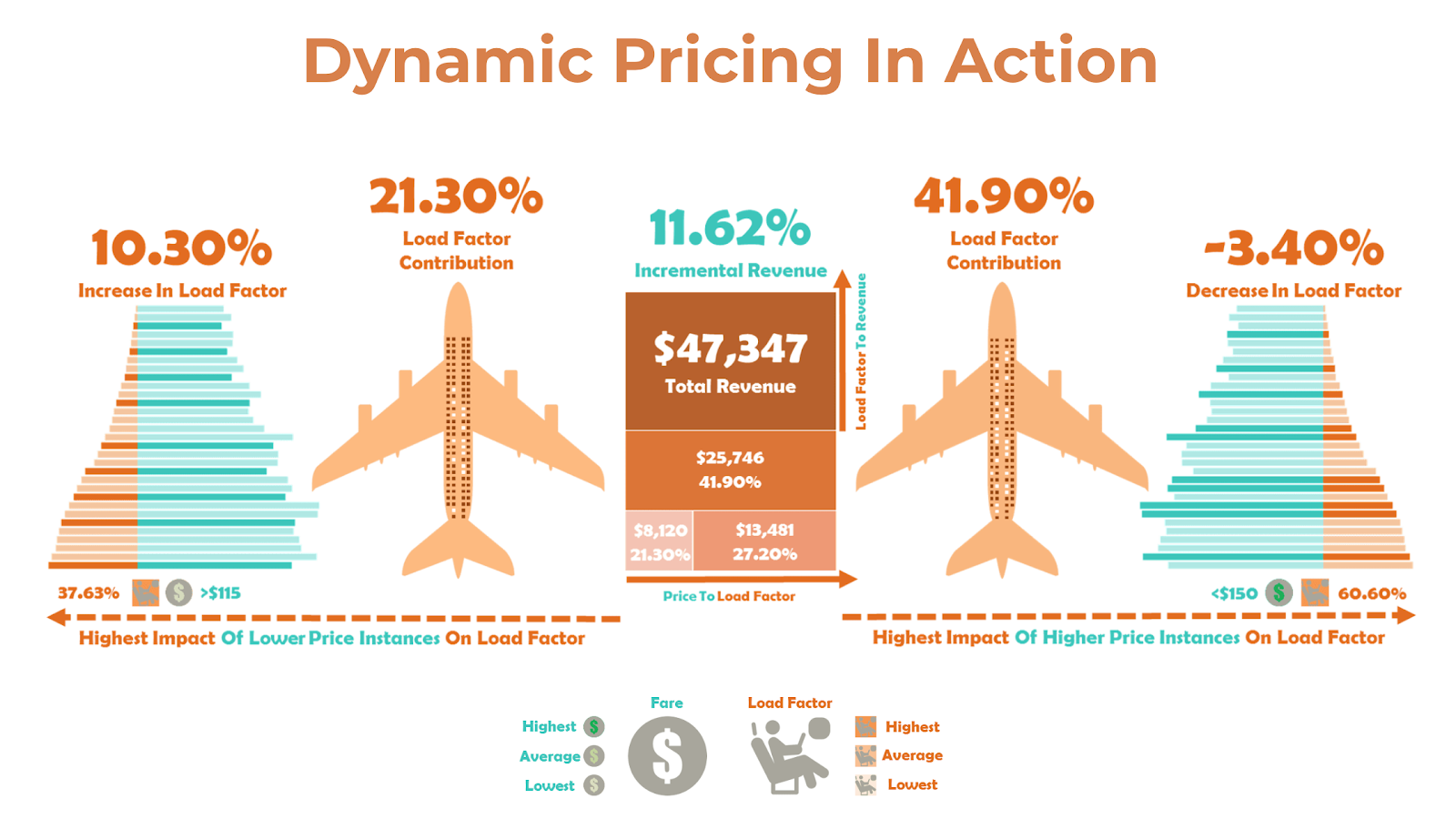
Airlines are continually refining their dynamic pricing algorithms using advanced analytics, artificial intelligence, and machine learning. These sophisticated systems can analyze vast amounts of data—including historical booking patterns, competitor pricing, weather forecasts, local events, and even individual user search behavior—to adjust fares in real-time. This means prices can change rapidly and often, sometimes even within minutes, making the market more efficient for airlines but potentially more challenging for consumers to predict. Travelers can combat this by using price tracking tools and setting alerts, as well as being aware that repeated searches for the same flight might sometimes trigger price increases due to perceived demand.
Sustainability Surcharges and Carbon Offsets
As environmental concerns grow, the aviation industry is under increasing pressure to reduce its carbon footprint. This trend is beginning to introduce new financial considerations for travelers in the form of sustainability surcharges or options to purchase carbon offsets. Some airlines are already implementing schemes where passengers can pay a small extra fee to fund sustainable aviation fuel initiatives or carbon offsetting projects. While currently optional or relatively minor, these charges are likely to become more widespread and potentially mandatory in the future, adding another layer to the overall cost of a plane ticket as the industry transitions towards more environmentally friendly practices. Budgeting for these emerging costs will become an increasingly relevant aspect of financially responsible air travel.
In conclusion, the cost of a plane ticket is a complex and multifaceted financial puzzle. By understanding the underlying economic principles, leveraging smart booking strategies, meticulously budgeting for all associated expenses, and staying informed about industry trends, travelers can navigate the volatile world of airfare with greater confidence and financial acumen. An informed traveler is a financially empowered traveler, capable of turning aspirational journeys into affordable realities.
aViewFromTheCave is a participant in the Amazon Services LLC Associates Program, an affiliate advertising program designed to provide a means for sites to earn advertising fees by advertising and linking to Amazon.com. Amazon, the Amazon logo, AmazonSupply, and the AmazonSupply logo are trademarks of Amazon.com, Inc. or its affiliates. As an Amazon Associate we earn affiliate commissions from qualifying purchases.