
Whether you are shopping for a new home, eyeing a sleek vehicle, or considering a personal loan to consolidate debt, one question inevitably rises to the surface: “How much will my payment be?” This question is the cornerstone of personal finance. It is the bridge between a dream and a reality, the factor that determines whether an investment is a sustainable step forward or a potential financial burden.
Understanding the mechanics of a monthly payment requires looking beyond the sticker price. It involves a deep dive into interest rates, loan terms, amortization schedules, and the often-overlooked “hidden” costs of borrowing. This guide provides a comprehensive breakdown of how payments are calculated across various financial products and how you can strategically manage them to ensure long-term fiscal health.

The Mechanics of Monthly Payments: Principal, Interest, and Beyond
To answer the question of how much you will pay each month, you must first understand the ingredients of a loan. Every standard installment payment is composed of several distinct parts that work together to satisfy your debt over time.
Understanding Principal vs. Interest
The “principal” is the actual amount of money you borrow. If you take out a $30,000 auto loan, your initial principal is $30,000. “Interest,” on the other hand, is the cost of borrowing that money. It is the profit the lender makes for taking on the risk of lending to you. In the early stages of most loans, a larger portion of your monthly payment goes toward interest. As the principal balance decreases, the amount of interest charged also decreases, allowing more of your payment to be applied to the principal.
The Role of the Interest Rate and APR
While people often use the terms “interest rate” and “APR” (Annual Percentage Rate) interchangeably, they represent different figures. The interest rate is the percentage charged on the principal. The APR is a broader measure, including the interest rate plus any loan fees, closing costs, or insurance required by the lender. When asking how much your payment will be, always look at the APR to get a true sense of the monthly impact on your wallet.
Loan Term Length and Its Impact on Total Cost
The “term” is the duration of the loan. A common mistake in personal finance is focusing solely on a low monthly payment by extending the term length. While a 72-month car loan offers a lower monthly payment than a 48-month loan, you will ultimately pay significantly more in total interest. Shortening the term increases the monthly payment but slashes the total cost of the debt, providing a much higher return on your liquid capital in the long run.
Breaking Down Common Loan Types
Different financial products utilize different calculation methods. Depending on what you are financing, your “payment” may include more than just the repayment of debt.
Fixed-Rate vs. Adjustable-Rate Mortgages
In the world of real estate, the question “how much will my payment be” is complicated by the structure of the mortgage. A fixed-rate mortgage offers stability; your interest rate remains the same for 15 or 30 years. Conversely, an Adjustable-Rate Mortgage (ARM) may offer a lower initial payment, but that payment can fluctuate—sometimes significantly—after an initial period. Furthermore, mortgage payments often include “PITI”: Principal, Interest, Taxes, and Insurance. When calculating a mortgage payment, you must account for local property taxes and homeowners’ insurance, which are often held in an escrow account.
Auto Loans and Depreciating Assets
Auto loans are unique because they are secured by an asset that loses value over time. Lenders typically offer terms ranging from 24 to 84 months. Because cars depreciate quickly, a payment that is too low (resulting from a term that is too long) can lead to being “upside down” or “underwater”—meaning you owe more on the car than it is actually worth. To calculate a sustainable auto payment, experts suggest the 20/4/10 rule: put 20% down, finance for no more than 4 years, and keep total transportation costs under 10% of your gross income.
Personal Loans and Unsecured Debt
Personal loans are often used for debt consolidation or home improvements. Because they are frequently “unsecured” (not backed by collateral like a house or car), the interest rates can be higher. The payment calculation here is straightforward—usually a fixed monthly amount over 2 to 7 years. Because there are no taxes or insurance bundled into these payments, what you see on the loan estimate is exactly what you will pay.
Calculating Credit Card Payments and Revolving Debt
Unlike installment loans with a set end date, credit cards represent “revolving debt.” This makes the question of “how much will my payment be” more fluid and potentially more dangerous.
The Danger of Minimum Payments
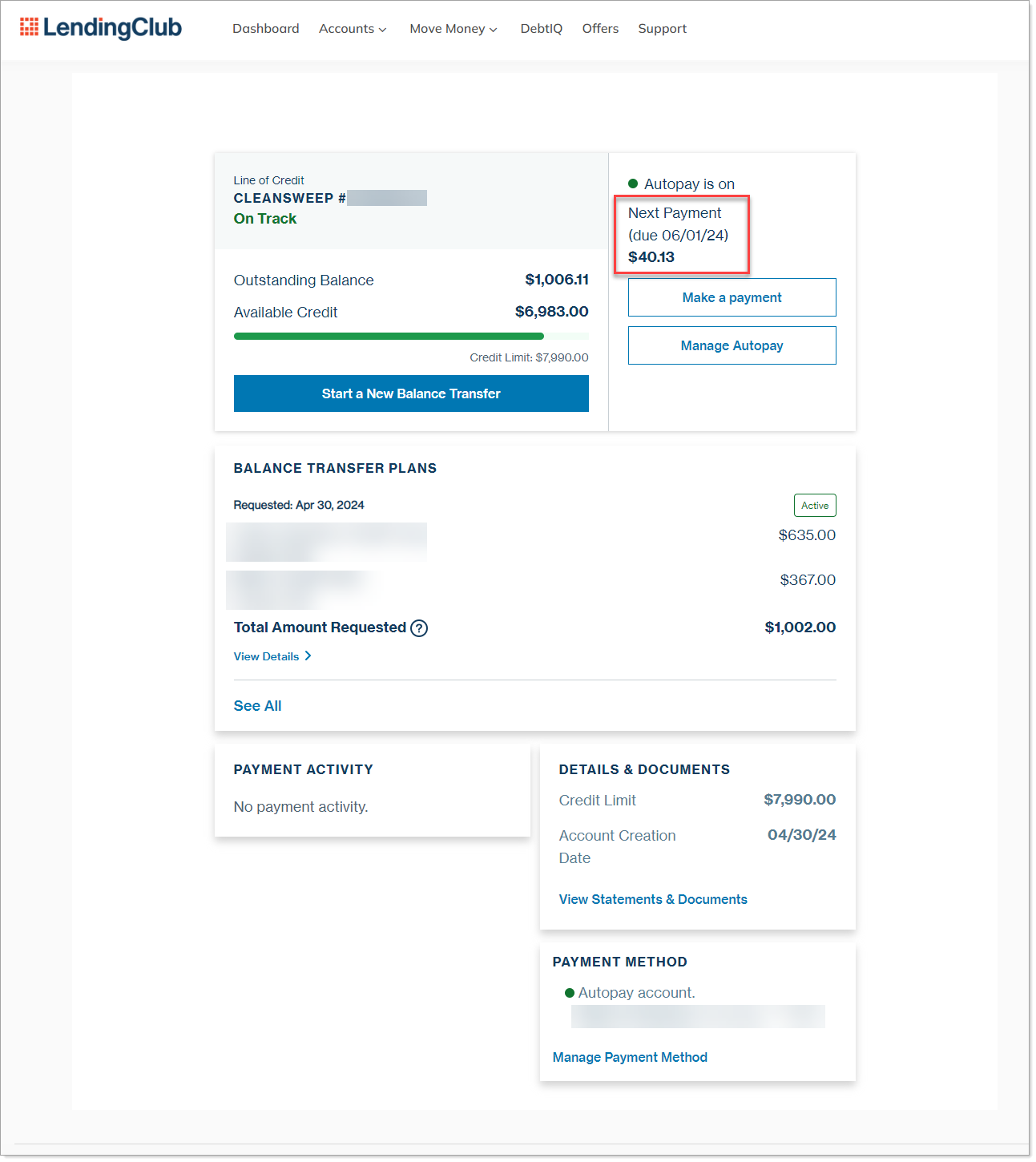
Credit card issuers generally require a minimum payment that is either a flat fee (e.g., $35) or a small percentage of your balance (usually 1% to 3%), plus any new interest and fees. If you only pay the minimum, you are barely touching the principal. This is how a small purchase can turn into a decade-long debt cycle. To understand your true payment, you should ignore the “minimum” and instead calculate a payment that will clear the balance within 12 to 24 months.
How Compounding Interest Works Against You
Most credit cards calculate interest based on your “average daily balance.” This means interest is compounding—you are paying interest on the interest that was added the day before. This creates a snowball effect that can cause monthly payments to balloon if the balance is not managed aggressively. Understanding that your payment is being eaten by daily compounding is the first step toward prioritizing high-interest debt repayment.
Strategies to Accelerate Payoff
If you find that your current monthly payments are too high or aren’t making a dent in your debt, you may need to shift strategies. The “Debt Avalanche” method involves paying the minimum on all accounts and putting every extra dollar toward the debt with the highest interest rate. This reduces the total interest paid over time. Alternatively, the “Debt Snowball” method focuses on paying off the smallest balances first to build psychological momentum. Both methods change the answer to “how much will my payment be” from a passive observation to an active financial strategy.
Utilizing Financial Tools and Formulas
In the modern era, you don’t need a PhD in mathematics to determine your monthly obligations. There are numerous tools and formulas designed to provide instant clarity.
Using Online Payment Calculators
Most reputable financial institutions provide online calculators for mortgages, auto loans, and personal loans. These tools allow you to input the principal, interest rate, and term to see an instant monthly estimate. More advanced calculators allow you to factor in extra payments, showing you exactly how much time and money you can save by adding just $50 or $100 to your monthly check.
The Amortization Schedule Explained
An amortization schedule is a table detailing each periodic payment on an installment loan. It shows the amount of principal and the amount of interest that comprise each payment until the loan is paid off at the end of its term. Reviewing an amortization schedule is eye-opening; it reveals why your balance doesn’t seem to move much in the first few years of a 30-year mortgage and helps you visualize the light at the end of the tunnel.
Planning for Taxes, Insurance, and Escrow
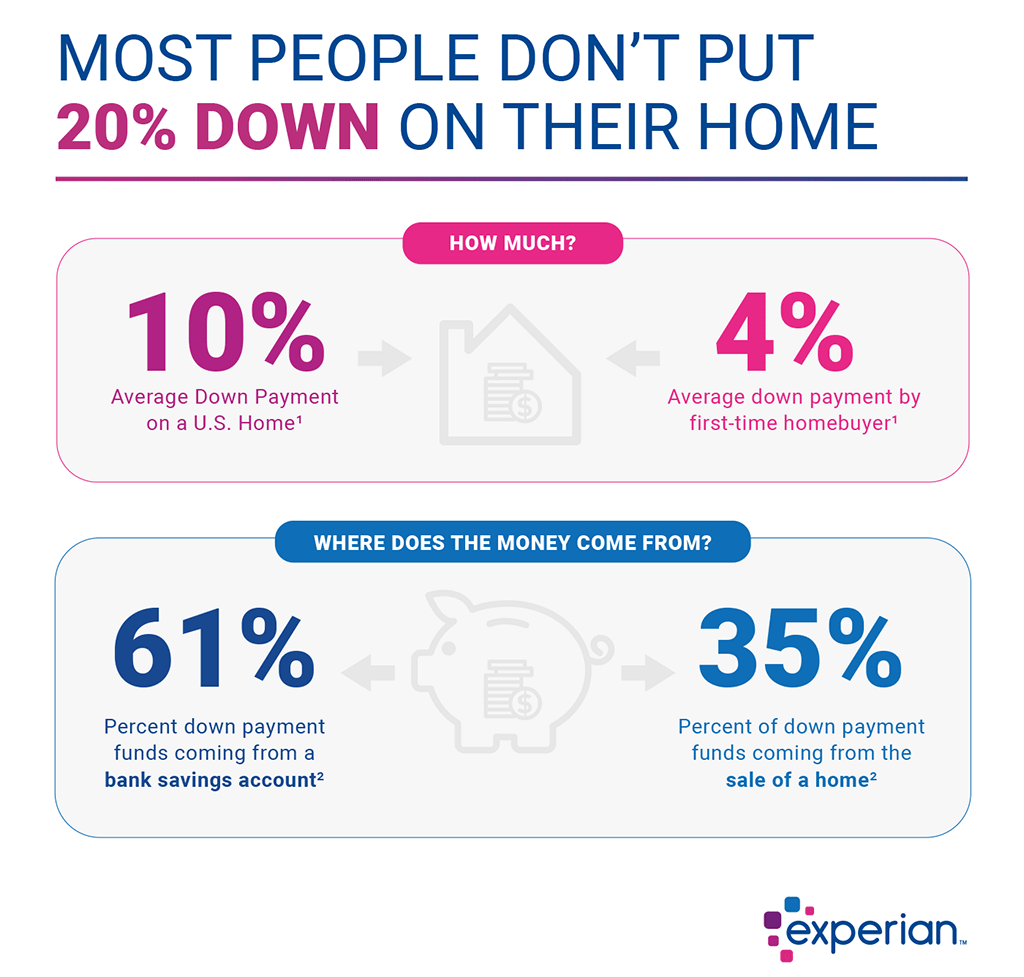
For homeowners, the “payment” is rarely just the loan. You must account for Private Mortgage Insurance (PMI) if your down payment was less than 20%, as well as Homeowners Association (HOA) fees. These can add hundreds of dollars to a monthly obligation. When using a calculator, always ensure you are looking at the “Total Monthly Housing Expense” rather than just the “Mortgage Payment” to avoid a nasty surprise when the first bill arrives.
Managing Your Debt-to-Income Ratio for Future Success
Knowing how much your payment will be is only half the battle; the other half is knowing how much of a payment you can actually afford.
How Payments Affect Your Credit Score
Your “payment history” is the single largest factor in your FICO credit score, accounting for 35% of the total. A payment that is too high for your budget risks a late or missed payment, which can tank your score and make future borrowing significantly more expensive. Furthermore, your “credit utilization”—how much of your available credit you are using—also plays a major role. Keeping your monthly payments manageable ensures you maintain the liquidity needed to keep utilization low.
Budgeting for the “True Cost” of a Payment
Lenders use a metric called the Debt-to-Income (DTI) ratio to determine your creditworthiness. This is the percentage of your gross monthly income that goes toward paying debts. Most lenders prefer a DTI of 36% or less. When you ask, “how much will my payment be,” follow it up with “how will this affect my DTI?” If a new car payment pushes your DTI to 45%, you may find it impossible to qualify for a mortgage later on.
The Importance of a “Buffer”
In personal finance, the goal isn’t just to be able to pay the bill; it’s to thrive while doing so. A professional approach to payments involves building a “buffer.” If a loan calculator tells you your payment will be $400, you should budget as if it were $450 or $500. This extra margin serves two purposes: it creates a safety net for months when unexpected expenses arise, and if you pay that extra amount toward the principal, it shortens the life of the loan.
By understanding the variables of interest, the structure of different loan types, and the importance of the DTI ratio, you move from a position of uncertainty to a position of power. The question “how much will my payment be” is no longer a mystery, but a calculated component of your broader financial success.
aViewFromTheCave is a participant in the Amazon Services LLC Associates Program, an affiliate advertising program designed to provide a means for sites to earn advertising fees by advertising and linking to Amazon.com. Amazon, the Amazon logo, AmazonSupply, and the AmazonSupply logo are trademarks of Amazon.com, Inc. or its affiliates. As an Amazon Associate we earn affiliate commissions from qualifying purchases.