
Understanding the cost of insurance is a question that resonates with almost everyone, from young adults seeking their first policy to seasoned individuals managing complex financial portfolios. Insurance isn’t just a regulatory requirement in many instances; it’s a fundamental pillar of sound financial planning, designed to protect individuals and businesses from unforeseen risks and catastrophic losses. However, the price tag associated with this crucial safeguard can be incredibly variable, leading to widespread confusion and often, frustration. The seemingly simple question, “How much will my insurance be?” unlocks a complex web of algorithms, risk assessments, personal data, and market dynamics. It’s not a static figure but rather a highly personalized calculation influenced by a multitude of factors, all designed to gauge the likelihood and potential severity of a future claim.
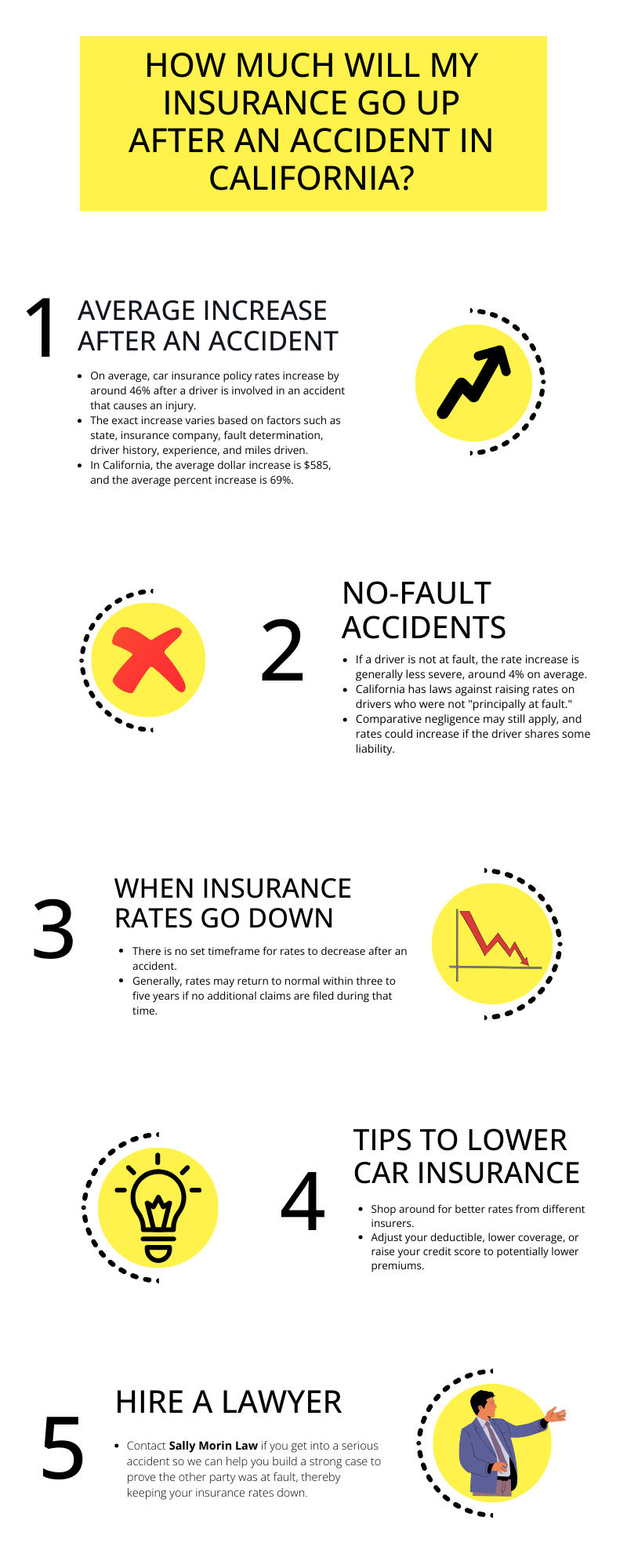
This article aims to demystify the process of insurance premium calculation, offering an insightful look into the core principles that govern pricing across various types of coverage. By breaking down the key determinants, exploring strategies for cost optimization, and emphasizing the long-term value of adequate protection, we hope to empower you with the knowledge to not only anticipate your insurance costs but also to manage them more effectively. From auto and home insurance to life and health coverage, the underlying mechanisms share common threads, making a comprehensive understanding invaluable for anyone navigating their financial landscape.
Understanding the Core Purpose of Insurance
Before delving into the specifics of pricing, it’s crucial to grasp the foundational role insurance plays in personal and business finance. It’s more than just a monthly payment; it’s a sophisticated risk management tool.
Mitigating Risk and Ensuring Financial Security
At its heart, insurance is a mechanism for transferring risk. Instead of bearing the full financial burden of an unexpected event – be it a car accident, a house fire, an illness, or even death – individuals and entities pay a relatively small, regular premium to an insurance company. In return, the insurer assumes the financial risk, promising to provide compensation or services if a covered event occurs. This transfer of risk provides a critical layer of financial security, protecting assets, income streams, and future plans from being derailed by unforeseen circumstances. Without insurance, a single major event could lead to bankruptcy, significant debt, or the complete loss of accumulated wealth. It fosters peace of mind, allowing individuals to pursue opportunities and build their lives with a safety net in place. For businesses, it protects against operational disruptions, liability claims, and property damage, ensuring continuity and stability.
Different Types of Insurance and Their Roles
The insurance landscape is vast, with policies tailored to protect against almost every conceivable risk. While the pricing mechanisms share commonalities, each type serves a distinct purpose:
-
Auto Insurance: Mandated in most places, it covers damages and injuries resulting from vehicle accidents. Costs vary based on the driver’s record, vehicle type, and location.
-
Homeowners/Renters Insurance: Protects your dwelling, personal belongings, and provides liability coverage for incidents on your property. Factors include property value, location, construction type, and claims history.
-
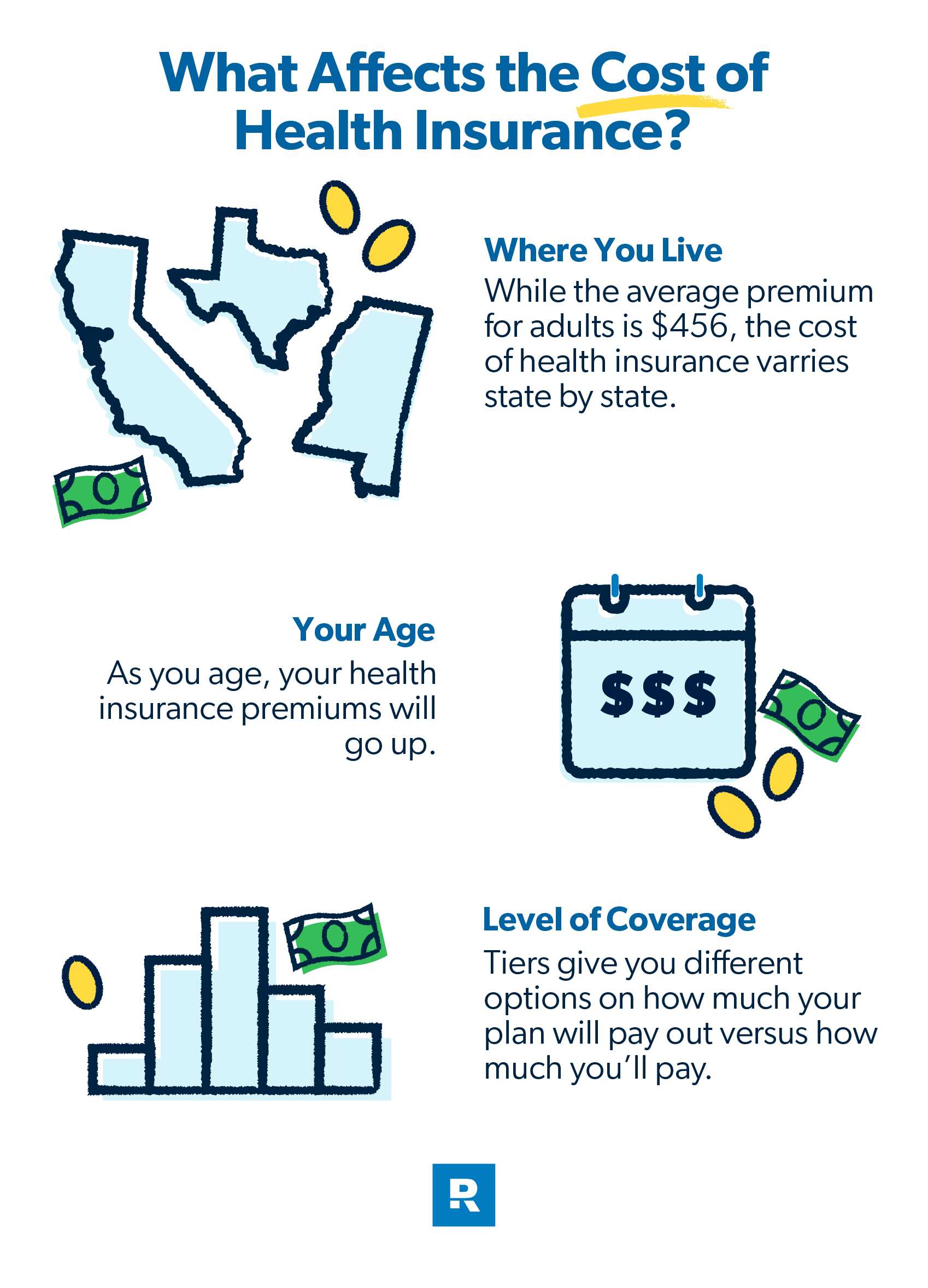
Health Insurance: Covers medical expenses, hospital stays, and prescription drugs. Premiums are influenced by age, health status, chosen plan (HMO, PPO), and deductible levels.
-
Life Insurance: Provides a financial payout to beneficiaries upon the policyholder’s death. Pricing depends heavily on age, health, lifestyle, and the coverage amount.
-
Disability Insurance: Replaces a portion of your income if you become unable to work due to illness or injury. Premiums are based on age, occupation, income, and elimination period.
-
Business Insurance: A broad category including general liability, property, professional liability, and workers’ compensation, tailored to the specific risks a business faces.
Each of these insurance types, while distinct in their application, is priced using a similar framework of risk assessment, pooling, and statistical analysis.
Key Factors Influencing Your Insurance Premiums
The variability in insurance costs isn’t random; it’s a direct result of the multitude of factors insurers weigh when assessing risk. These factors help actuaries predict the likelihood of a claim and the potential payout.
Personal Demographics and Risk Profile
One of the most significant influences on your insurance premiums is your personal profile. Insurers gather extensive data points to build a risk assessment:
-
Age and Gender: Statistically, younger drivers (especially males) tend to have higher auto insurance rates due to a higher incidence of accidents. Life and health insurance rates generally increase with age, reflecting higher mortality and morbidity risks.
-
Health and Lifestyle: For life and health insurance, your current health status, medical history, smoking habits, and even dangerous hobbies (e.g., skydiving) can significantly impact premiums.
-
Driving Record and Claims History: A clean driving record with no accidents or violations leads to lower auto insurance premiums. Similarly, a history of frequent claims across any type of insurance can flag you as a higher risk, leading to increased rates.
-
Credit Score (in some states): In many U.S. states, insurers use an “insurance score,” which is often correlated with a credit score, as a predictor of risk. Statistically, individuals with lower credit scores tend to file more claims.
-
Occupation: Certain professions are deemed riskier than others, influencing life, disability, and even auto insurance if your job requires extensive driving.
Coverage Levels, Deductibles, and Policy Limits
The choices you make regarding the structure of your policy directly affect the premium:
-
Coverage Levels: The more protection you opt for (e.g., higher liability limits, comprehensive coverage vs. basic), the higher your premium will be. This directly reflects the insurer’s potential payout.
-
Deductibles: This is the amount you agree to pay out-of-pocket before your insurance coverage kicks in. A higher deductible typically means a lower premium, as you are assuming more of the initial risk. Conversely, a lower deductible will result in higher premiums.
-
Policy Limits: These are the maximum amounts an insurance company will pay out for a covered loss. Higher limits provide greater protection but come at a higher cost. For example, a homeowner with a $500,000 dwelling coverage limit will pay more than one with a $300,000 limit.
-
Endorsements and Riders: Adding extra coverage for specific items (e.g., valuable jewelry on a homeowner’s policy) or unique circumstances will increase your premium.
Location, Usage, and the Insured Item/Person
Where you live, how you use the insured item, and the nature of the item itself play critical roles:

-
Geographic Location: Auto insurance rates are higher in urban areas with more traffic, accidents, and theft. Homeowners insurance costs vary greatly based on local crime rates, proximity to fire hydrants/fire stations, and exposure to natural disasters (e.g., hurricanes, earthquakes, wildfires).
-
Vehicle Type: Sports cars or luxury vehicles are typically more expensive to insure due to their higher repair costs and increased likelihood of theft or high-speed incidents. Safety features, however, can sometimes lead to discounts.
-
Home Characteristics: The age, construction materials, size, and security features of your home all influence homeowners insurance premiums. Older homes or those with certain wiring or plumbing might be more expensive to insure.
-
Frequency of Use: How often you drive your car, or if you use it for business, can impact auto insurance rates. Lower mileage discounts are common.
Strategies to Potentially Reduce Your Insurance Costs
While many factors are outside your immediate control, there are numerous proactive steps you can take to manage and potentially reduce your insurance expenditures without compromising essential coverage.
Bundling Policies and Multi-Policy Discounts
One of the most straightforward ways to save is by purchasing multiple insurance policies from the same provider. Most insurers offer significant “bundling” discounts for customers who combine, for example, their auto and home insurance policies. Some even extend these savings to life insurance or other products. This strategy benefits both the consumer, through reduced premiums, and the insurer, by fostering customer loyalty and increasing their share of your insurance portfolio. It’s often worth getting quotes for all your insurance needs from a single company, even if you initially started looking for individual policies.
Improving Your Risk Profile
Taking steps to become a lower risk in the eyes of insurers can lead to substantial savings:
-
Maintain a Clean Driving Record: Avoiding accidents and traffic violations is paramount for keeping auto insurance costs down. Many insurers offer “good driver” or “accident-free” discounts.
-
Improve Your Credit Score: As mentioned, your insurance score, often linked to your credit score, can influence premiums. Maintaining good credit habits can therefore indirectly lower your insurance costs in many states.
-
Enhance Home Security: Installing burglar alarms, smoke detectors, carbon monoxide detectors, deadbolts, and even smart home security systems can qualify you for discounts on your homeowners insurance. Some insurers even offer discounts for living in a gated community.
-
Focus on Health and Safety: For life and health insurance, maintaining a healthy lifestyle, quitting smoking, and managing chronic conditions can lead to lower premiums. For auto insurance, taking defensive driving courses can sometimes earn discounts.
-
Increase Deductibles (Carefully): While it means more out-of-pocket expense if you file a claim, increasing your deductible can significantly lower your monthly premiums. This strategy is most effective if you have a robust emergency fund to cover the higher deductible.
Shopping Around and Comparing Quotes
The insurance market is highly competitive, and premiums for the exact same coverage can vary wildly between providers. Loyalty to one insurer doesn’t always pay off. It’s advisable to:
-
Get Multiple Quotes Annually: Make it a habit to obtain quotes from several different insurance companies at least once a year, or whenever your policy is up for renewal. Don’t just accept the renewal offer from your current provider without checking competitors.
-
Utilize Independent Agents: Independent insurance agents work with multiple carriers and can shop around on your behalf, often finding you the best rates and coverage combinations.
-
Leverage Online Comparison Tools: Numerous websites allow you to compare quotes from multiple insurers simultaneously, streamlining the process.
Utilizing Technology for Better Rates
Technology is increasingly playing a role in how insurers assess risk and offer rates:
-
Telematics Programs: Many auto insurers offer usage-based insurance programs (often through a smartphone app or a device plugged into your car’s diagnostic port). These programs monitor your driving habits (speed, braking, mileage, time of day) and can reward safe drivers with significant discounts.
-
Smart Home Devices: Some homeowners insurers offer discounts for smart home devices that prevent damage (e.g., leak detectors, smart thermostats) or enhance security (e.g., smart locks, video doorbells).
The Long-Term Value and Importance of Adequate Coverage
While the pursuit of lower premiums is natural and financially responsible, it’s crucial never to sacrifice adequate coverage for the sake of a marginal saving. Underinsurance can expose you to catastrophic financial risks that far outweigh any short-term premium savings.
Avoiding Underinsurance and Catastrophic Financial Loss
The primary purpose of insurance is to protect you from financial ruin. Opting for the absolute minimum coverage, or setting deductibles too high without sufficient savings, can leave you vulnerable. Imagine a situation where your liability coverage for an auto accident is insufficient to cover the medical bills of an injured party, or your homeowner’s policy doesn’t cover the full cost to rebuild your house after a fire. These scenarios can lead to personal lawsuits, significant out-of-pocket expenses, and long-term financial hardship. Adequate coverage means having enough protection to truly mitigate the financial impact of a worst-case scenario, providing true peace of mind.
Regular Policy Review and Adjustment
Life is dynamic, and so too should be your insurance policies. What was adequate coverage five years ago might no longer be sufficient today:
-
Life Events: Marriage, divorce, having children, buying a new home, starting a business, or experiencing a significant salary change all warrant a review of your insurance needs.
-
Asset Changes: Acquiring valuable assets (e.g., new car, expensive jewelry, home renovations) requires ensuring your policies adequately cover them.
-
Market Changes: The cost of rebuilding a home, medical expenses, or vehicle repairs can change over time. Your coverage limits should reflect current market realities.
-
Evolving Needs: Your health, financial goals, and risk tolerance will change throughout your life. Periodically reassessing your needs with an insurance professional can ensure your policies remain aligned with your current situation.
In conclusion, the question “how much will my insurance be” doesn’t have a single, simple answer. It’s a complex equation influenced by a myriad of personal choices, risk factors, and market forces. By understanding these determinants, actively seeking ways to improve your risk profile, diligently shopping for the best rates, and consistently reviewing your policies, you can take control of your insurance costs. More importantly, you can ensure that your financial future is adequately protected, allowing you to navigate life’s uncertainties with confidence and security.
aViewFromTheCave is a participant in the Amazon Services LLC Associates Program, an affiliate advertising program designed to provide a means for sites to earn advertising fees by advertising and linking to Amazon.com. Amazon, the Amazon logo, AmazonSupply, and the AmazonSupply logo are trademarks of Amazon.com, Inc. or its affiliates. As an Amazon Associate we earn affiliate commissions from qualifying purchases.